

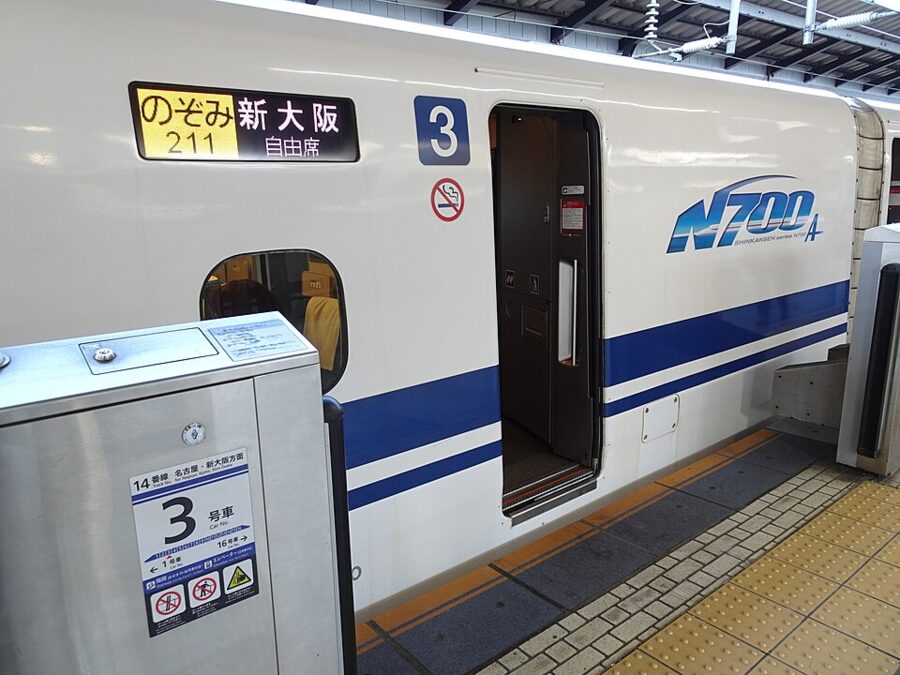
Up to twelve Nozomi trains an hour leave Tokyo for Shin-Osaka, and a Japan Rail Pass (ジャパン・レール・パス) on its own will not get you a seat on any of them, nor even standing room in a non-reserved car. That rule, and a price rise in October 2023 that took the seven-day pass from ¥29,650 to ¥50,000, decide most of whether the pass is still worth buying.
The short answer: the pass now pays only on trips that cover a lot of Shinkansen distance in a short time. The classic Tokyo, Kyoto and Osaka loop comes out well under the price of a seven-day pass. Add Hiroshima and you are close to break-even; add Kanazawa, or a run north to Hokkaido (北海道), and the pass wins. If you are spending your days in one part of Japan, a regional pass from one of the six JR companies is almost always the better buy.
Here is how typical trips compare. The fares are what you would pay at the ticket window for each leg, adult, in a reserved ordinary seat, at regular-season prices for late 2026.
| Trip | Tickets bought leg by leg | Best pass | Verdict |
|---|---|---|---|
| Tokyo to Kyoto, day trip to Nara, back to Tokyo from Shin-Osaka | about ¥30,900 | 7-day JR Pass ¥50,000 | Buy tickets |
| Tokyo, Kyoto, Hiroshima and back to Tokyo, with Nara and Miyajima | about ¥48,150 | Kansai-Hiroshima Area Pass plus two Shinkansen tickets, ¥45,890 | Regional pass, narrowly |
| Tokyo, Kanazawa, Kyoto, Hiroshima, back to Tokyo, with Nara and Miyajima | about ¥56,300 | 7-day JR Pass ¥50,000 | JR Pass |
| Two weeks: Narita to Kanazawa, Kyoto, Hiroshima, then Sendai, Hakodate and Sapporo | about ¥100,570 | 14-day JR Pass ¥80,000 | JR Pass, by about ¥20,000 |
| Five days in Kansai from Kansai Airport: Kyoto, Nara, Osaka, Himeji | about ¥14,200 | Kansai Wide Area Pass ¥12,000 | Regional pass |
| Tokyo base with day trips to Nikko and Karuizawa | about ¥23,840 | JR Tokyo Wide Pass ¥16,000 | Regional pass |
Reserved-seat fares shift by a few hundred yen with the season, cheaper in quiet weeks and dearer over New Year, Golden Week and Obon. Only the Hiroshima loop is close enough to tip.

In this guide
What the pass is, who can buy it, and what it costs now
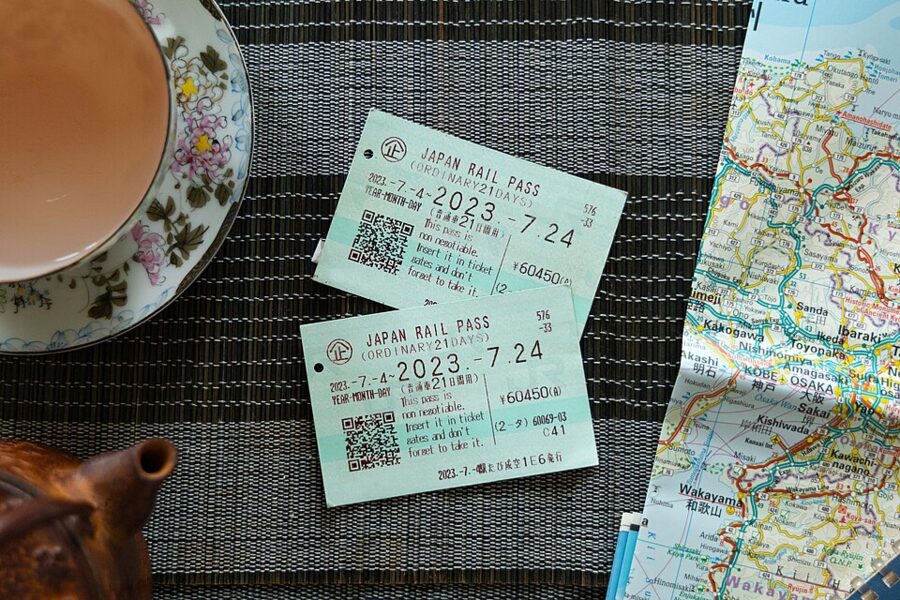
The Japan Rail Pass is a joint ticket of the six JR companies formed when Japanese National Railways was split up in 1987, each running a region in roughly the pattern of the regions of Japan themselves. It is the only single ticket that crosses all six, for 7, 14 or 21 consecutive days.
Only foreign nationals who enter Japan for sightseeing with the status of “Temporary Visitor” may use it. That excludes anyone living in Japan on a residence card, including people on a student visa or a working holiday visa, however briefly they have been in the country. Japanese citizens resident abroad face separate and much stricter rules.
The status has to be visible. Japan’s automated immigration gates do not stamp passports, so if you use one, ask an officer at the manned desk for a Temporary Visitor sticker, or the ticket office will refuse to issue the pass.
| Japan Rail Pass, adult | 7 days | 14 days | 21 days |
|---|---|---|---|
| Ordinary, bought online | ¥50,000 | ¥80,000 | ¥100,000 |
| Ordinary, overseas agency | ¥53,000 | ¥84,000 | ¥105,000 |
| Green, bought online | ¥70,000 | ¥110,000 | ¥140,000 |
| Green, overseas agency | ¥74,000 | ¥116,000 | ¥147,000 |
| Ordinary, before October 2023 | ¥29,650 | ¥47,250 | ¥60,450 |
Children aged 6 to 11 pay half. Agency prices rose on 1 October 2026, while the JR group’s own sales site kept the 2023 prices, so I would buy there.
For the ordinary pass, the 2023 rise was between 65 and 70 percent. The one new right it brought was the option to pay a supplement for the Nozomi. Meanwhile a seven-day pass that once paid for itself on one Tokyo to Kyoto return and a couple of day trips now needs nearly two returns.
What it covers, and what it does not
The pass is valid on every JR train in ordinary class: Shinkansen, limited expresses, rapid and local trains, including the Yamanote Line round central Tokyo and the JR lines in Kyoto to Fushimi Inari and Arashiyama. The Green version adds the first-class Green cars. The exceptions are where the money goes.
The Nozomi and Mizuho rule
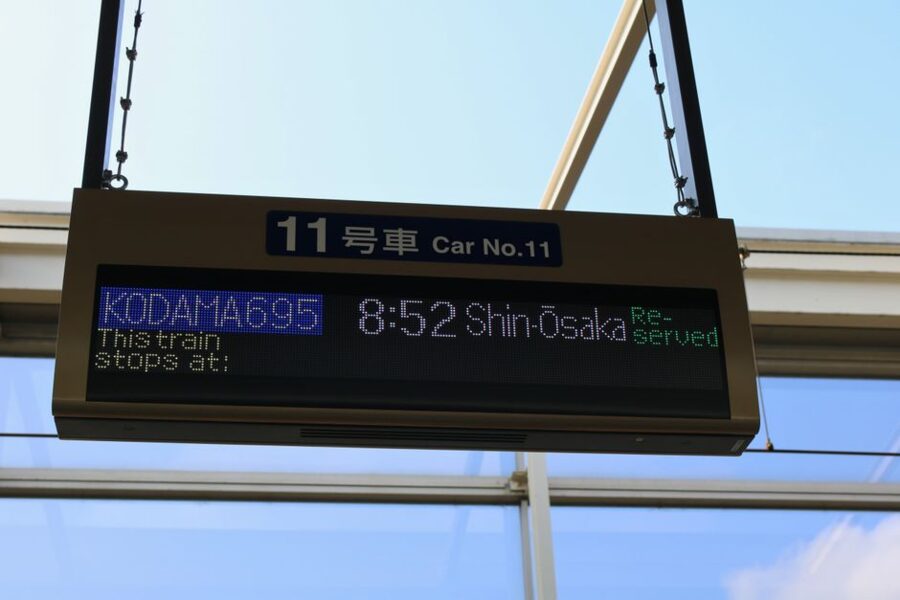
The fastest trains on the Tokaido, Sanyo and Kyushu Shinkansen, the Nozomi and the Mizuho (瑞穂, “fresh ears of rice”, from an old poetic name for Japan), are excluded outright. Since October 2023 you can ride them by buying a special ticket sold only to pass holders, for one journey at a time, at stations and ticket machines, from a month before travel:
| Nozomi or Mizuho, with a valid pass | Supplement |
|---|---|
| Tokyo to Nagoya | ¥4,180 |
| Tokyo to Kyoto or Shin-Osaka | ¥4,960 |
| Tokyo to Hiroshima | ¥6,500 |
| Shin-Osaka to Hakata | ¥4,960 |
| Hakata to Kagoshima-Chuo | ¥5,150 |
The price is the same whatever the seat. I would not pay it between Tokyo and Kyoto, where a Hikari costs you about twenty minutes. Between Tokyo and Hiroshima it is a different matter: without it you will usually change trains at Shin-Osaka or Okayama, and the ¥6,500 buys back a direct run of under four hours.
On the busiest days of 2026, Golden Week, Obon and the New Year holiday, every Nozomi seat is reserved and the non-reserved cars are converted. A pass holder with a non-reserved supplement may board, but must stand.
Private railways, buses, the monorail and the Miyajima ferry
Private railways and city subways are outside the pass, and much of Tokyo and Osaka runs on them. Three other services are included: the Tokyo Monorail from Hamamatsucho to Haneda Airport, the JR West ferry to Miyajima, and JR’s local buses, though not its highway buses.
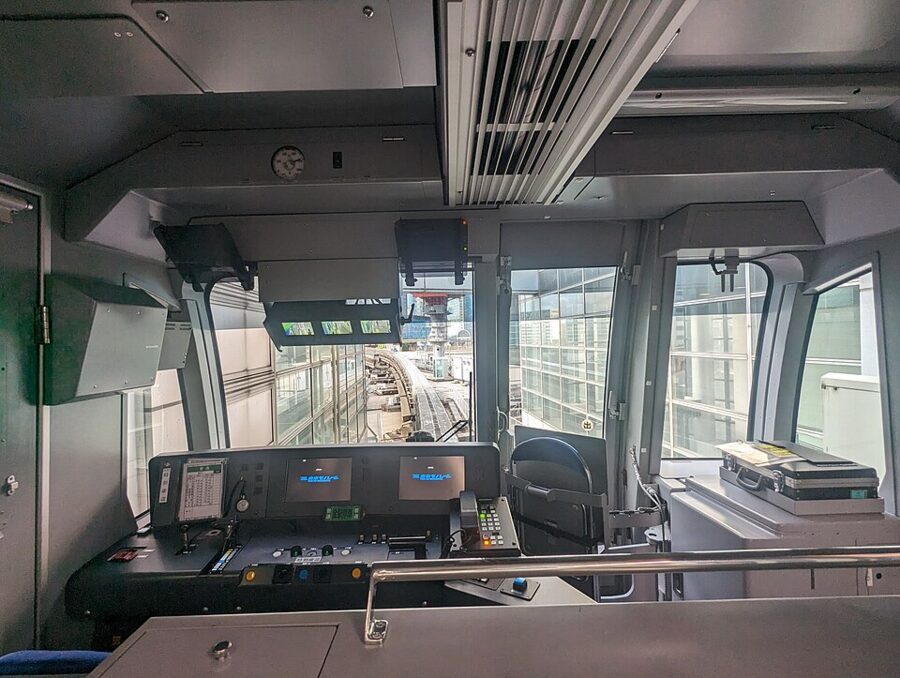
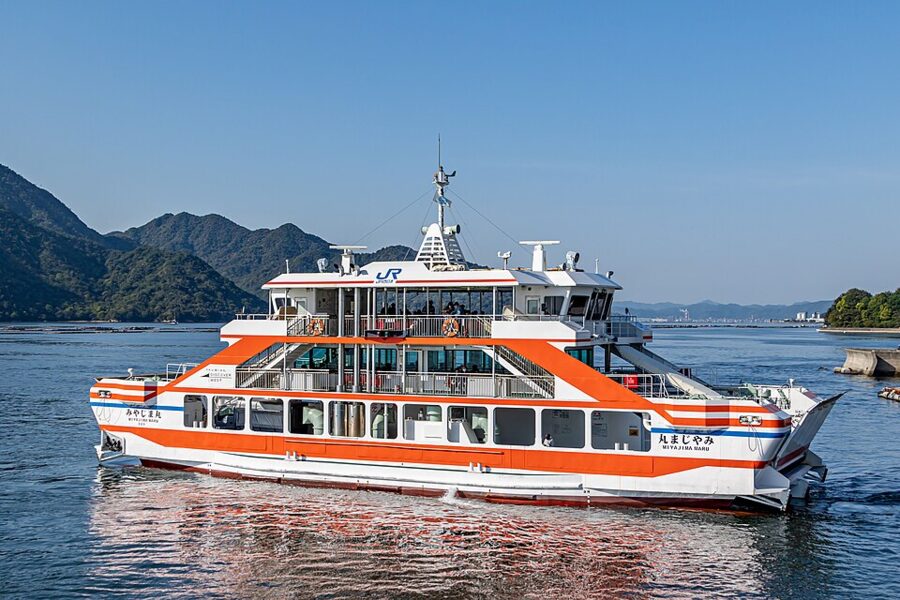

Several JR limited expresses run on through onto private track, and the pass stops at the boundary. The Nikko and Kinugawa trains from Shinjuku leave JR at Kurihashi, the Fuji Excursion at Otsuki, the Odoriko to Shimoda at Ito, and you pay the private company for the rest. A few former JR lines that now belong to local companies are covered if you pass straight through without getting off: Aomori to Hachinohe on the Aoimori Railway, Kanazawa to Tsubata, Toyama to Takaoka, and Echizen-Hanando to Fukui.
Sleepers, Gran Class, and reserving seats
The pass covers the fare on the Sunrise Izumo and Sunrise Seto, the last scheduled sleeper train in Japan, but a berth means paying the limited express charge and the berth charge on top. The Nobinobi carpeted floor spaces count as ordinary reserved seats and cost nothing extra. Gran Class on the northern Shinkansen lines, private compartments and the Premium Green cars are charged the same way.
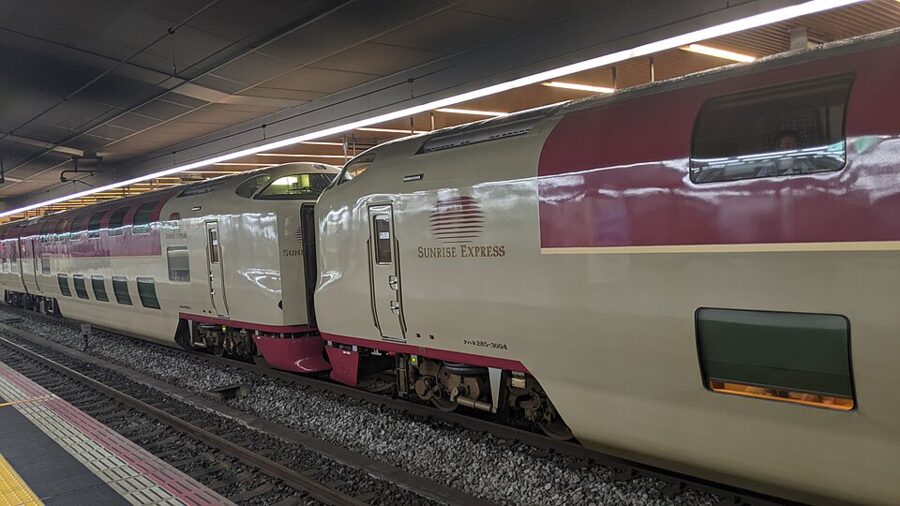

Seat reservations are free and, on a busy route, worth making for every train. You can book up to a month ahead and hold reserved tickets for up to 110 trains on one pass. Some trains have no non-reserved cars at all, including every JR Hokkaido limited express. The hardest weeks are 1 to 6 May, 7 to 16 August, 18 to 23 September and 29 December to 3 January (the crowded seasons are set out in the guide to the best time to visit Japan).
On the Tokaido, Sanyo, Kyushu and Nishi Kyushu Shinkansen, a suitcase whose three dimensions add up to 160–250 centimetres needs a reserved seat with an oversized-baggage area.
Buying and activating the pass
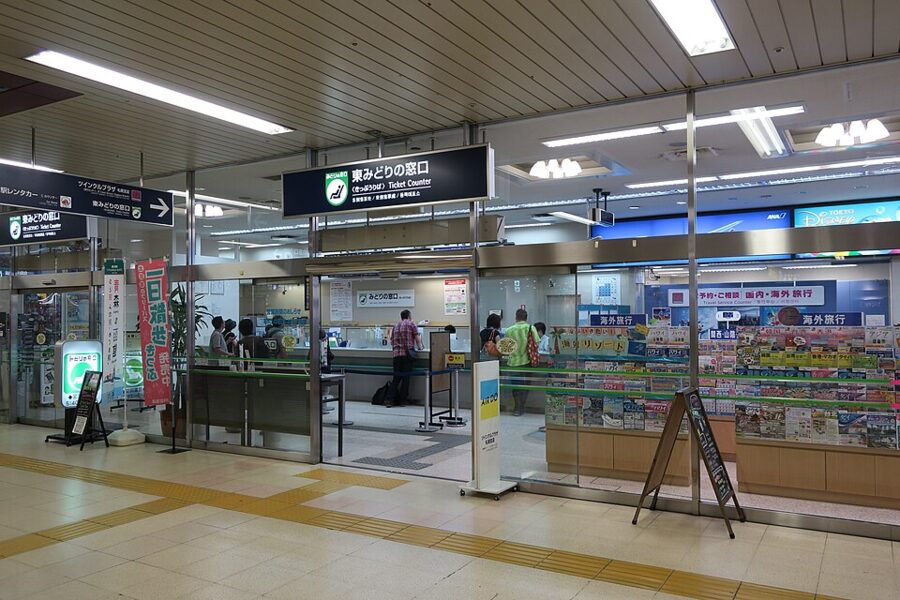
There are two ways to buy. The simpler is the JR group’s own sales site, JAPAN RAIL PASS Reservation, which takes a credit card in your name, your passport number, and up to six companions travelling with you. You choose the start date when you buy, and you can reserve Shinkansen and limited express seats straight away, before you leave home. It accepts orders between 04:00 and 23:30 Japan time.
The other is a JR-designated agency outside Japan, which sells a paper Exchange Order. You must exchange it within three months of issue, no earlier than a month before your first day, at a pass office in a major JR station. Since 1 October 2026 this route costs five to six percent more, and without the voucher there is no pass, so a lost one is a lost purchase.
Either way, the pass itself is collected in Japan. Online buyers can do it at a JR ticket office or, in the JR East and JR West areas, at reserved-seat ticket machines with a passport reader, which since April 2026 include some of JR East’s newer machines. Every traveller shows a passport, as each pass carries its holder’s details.
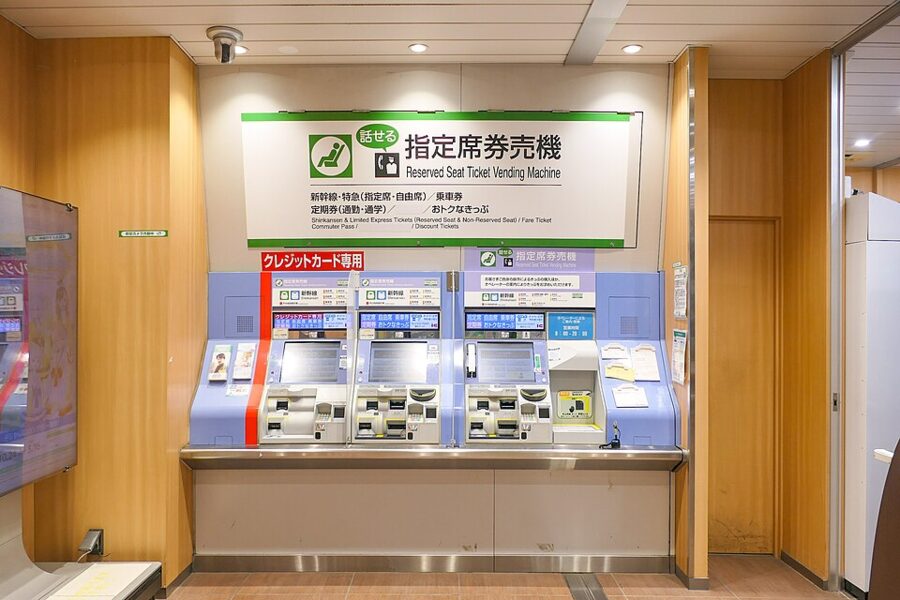
Carry the pass, your passport with its Temporary Visitor sticker, and your seat tickets every day. Refunds are possible only before the first day of validity, for ¥560 on passes bought online (bring the card you paid with) or ten percent on agency vouchers. A lost pass is not replaced.
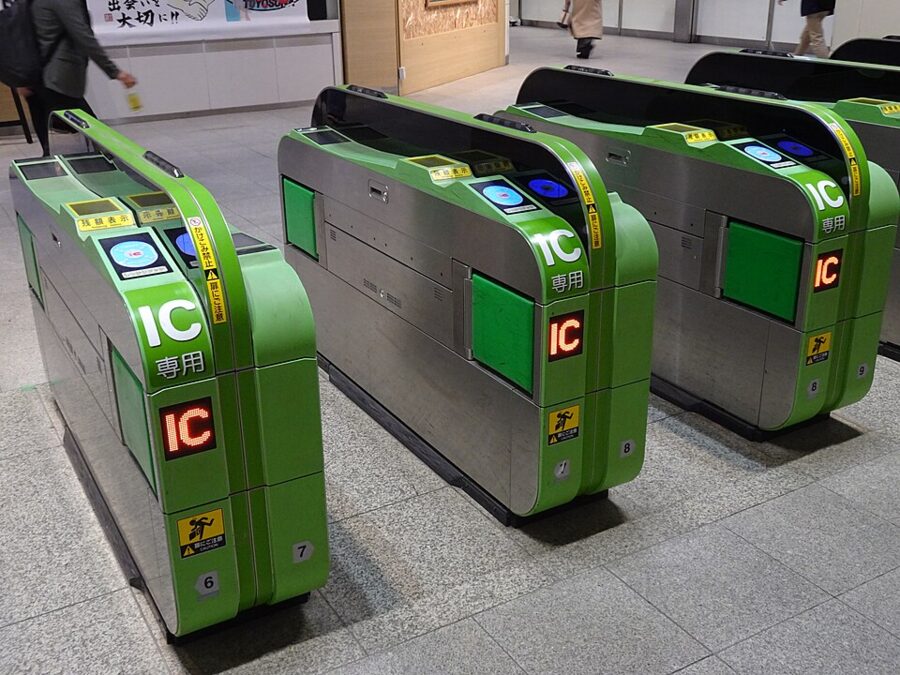

The pass itself is a paper ticket, not a phone app; bookings made on the sales site are printed at a machine or counter. A seat ticket alone will not open a gate.
The regional passes, company by company
Every JR company sells its own passes to foreign visitors, usually on the same Temporary Visitor terms. They cover less ground for far less money, and some do what the national pass cannot, such as carrying you onto a private railway or allowing the Nozomi. Prices are adult, as listed for late 2026.
JR East: Tohoku, Nagano, Niigata and the area round Tokyo
On 14 March 2026 JR East replaced its two separate regional passes with a single JR EAST PASS covering its whole network, including the Tohoku, Yamagata, Akita, Joetsu and Hokuriku (as far as Joetsumyoko) Shinkansen, the Tokyo Monorail, and several local railways in Tohoku (東北): the Aoimori, IGR Iwate Galaxy and Sanriku railways among them. It costs ¥35,000 for five consecutive days or ¥50,000 for ten. JR East’s own example is Narita Airport to Tokyo, then Sendai and Aomori, at ¥52,000 in single tickets.
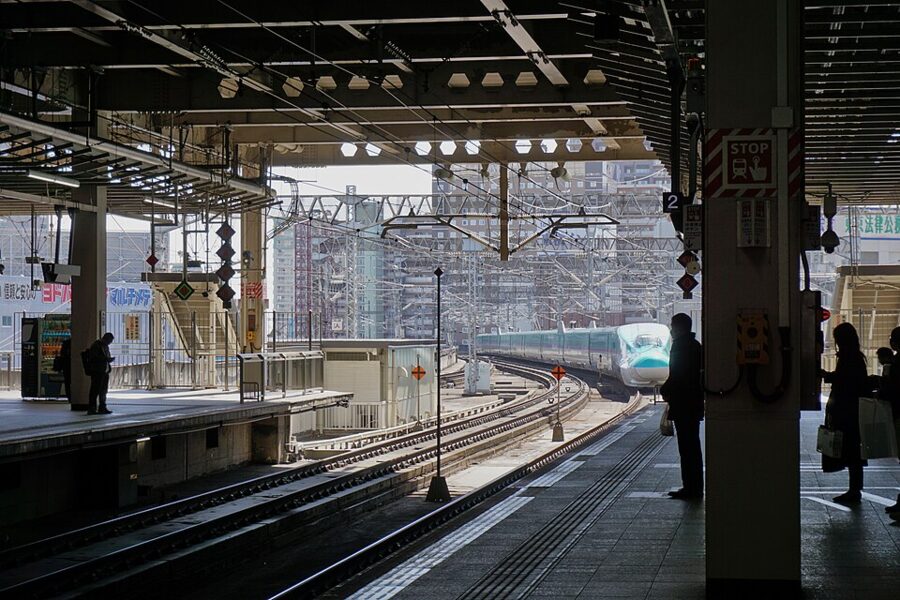
For Kanto (関東) and its mountains, the JR Tokyo Wide Pass gives three consecutive days for ¥16,000, covering Nikko, Karuizawa, the Izu Kyuko line down the Izu peninsula and the Fujikyu line to Kawaguchiko. Two day trips, to Nikko and to Karuizawa, cost about ¥23,840 in single tickets, so the pass pays even without a third.
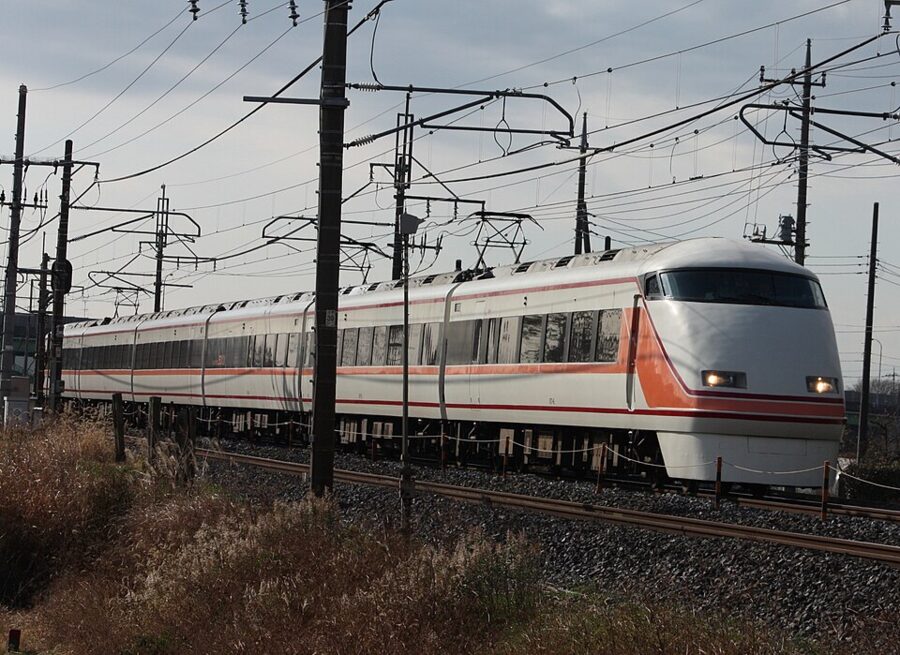

Two passes run across company borders. The JR East-South Hokkaido Rail Pass, six days for ¥40,000, covers Tokyo through Tohoku to Hakodate and Sapporo, Shinkansen included. The Hokuriku Arch Pass, seven days for ¥35,000, joins Narita and Haneda to Tokyo, the Hokuriku Shinkansen to Kanazawa and Tsuruga, and the Thunderbird to Kyoto and Osaka. A straight one-way run from Narita to Kanazawa, Kyoto and Kansai Airport costs about ¥29,000 in single tickets, so the Arch Pass pays only if you add side trips along the Japan Sea coast.
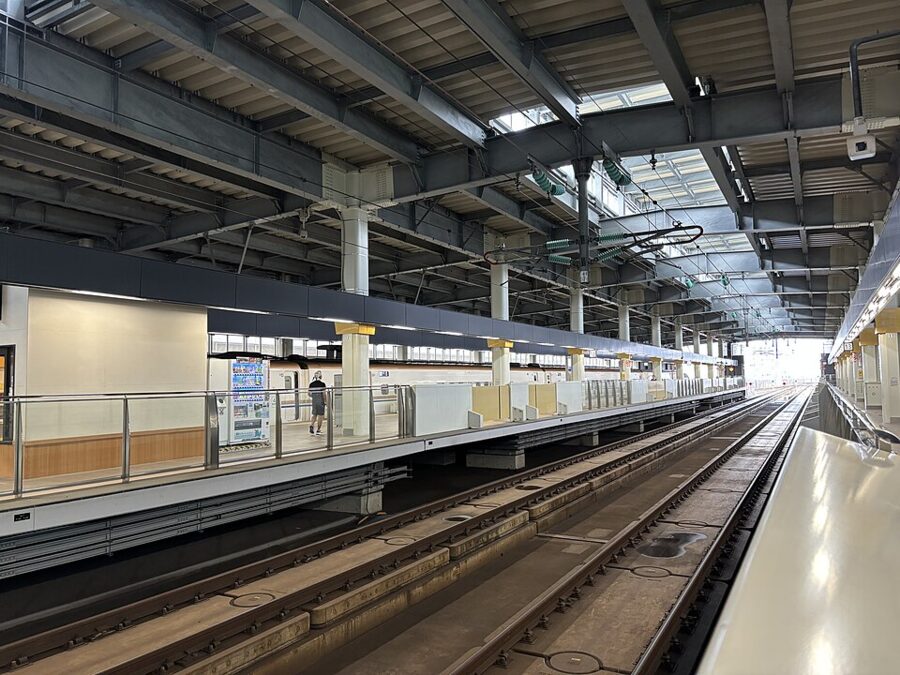

JR West: Kansai, the Inland Sea, San’in and Hokuriku
JR West has the widest range, and those of its passes that include the Sanyo Shinkansen allow the Nozomi and Mizuho within their areas. For Kansai (関西), the Kansai Mini Pass costs ¥3,000 for three days of local and rapid JR trains around Kyoto, Osaka, Kobe and Nara, including the Kansai Airport Rapid. The Kansai Wide Area Pass, five days for ¥12,000, adds the Haruka airport express, the Sanyo Shinkansen to Okayama, limited expresses to Kinosaki Onsen, Amanohashidate, Tottori and Shirahama, and the rapid Marine Liner across to Takamatsu.
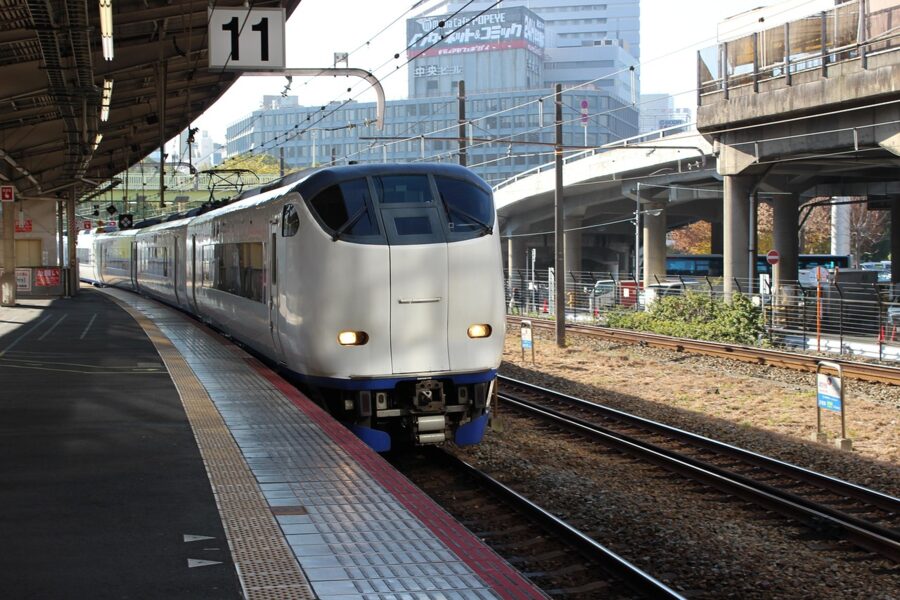
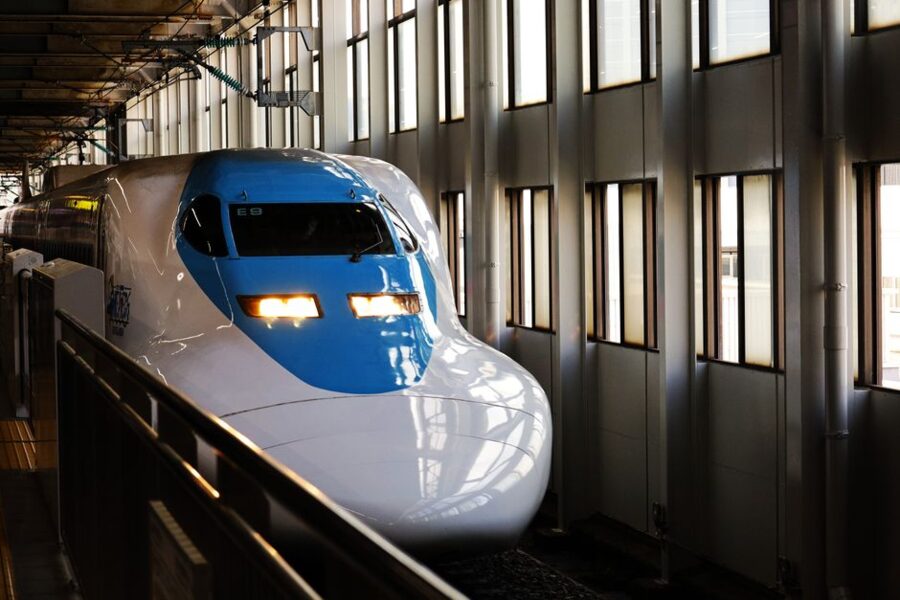
Further west, the Kansai-Hiroshima Area Pass (five days, ¥17,000) runs from Kansai to Hiroshima, ferry to Miyajima included, and the Sanyo-San’in Area Pass (seven days, ¥23,000) goes all the way to Hakata and up to Tottori and Matsue on the Sea of Japan side of Chugoku (中国). The Kansai-Hokuriku Area Pass (seven days, ¥19,000) covers Kansai and the Hokuriku coast to Toyama, Hokuriku Shinkansen included. The JR-West All Area Pass, ¥26,000 for seven days, takes in the whole JR West network, from the Sanyo Shinkansen to Hakata to the Hokuriku Shinkansen as far as Joetsumyoko. The Setouchi Area Pass, seven days for ¥22,000, adds ferries on the Inland Sea.
JR Central: the Japan Alps and Ise
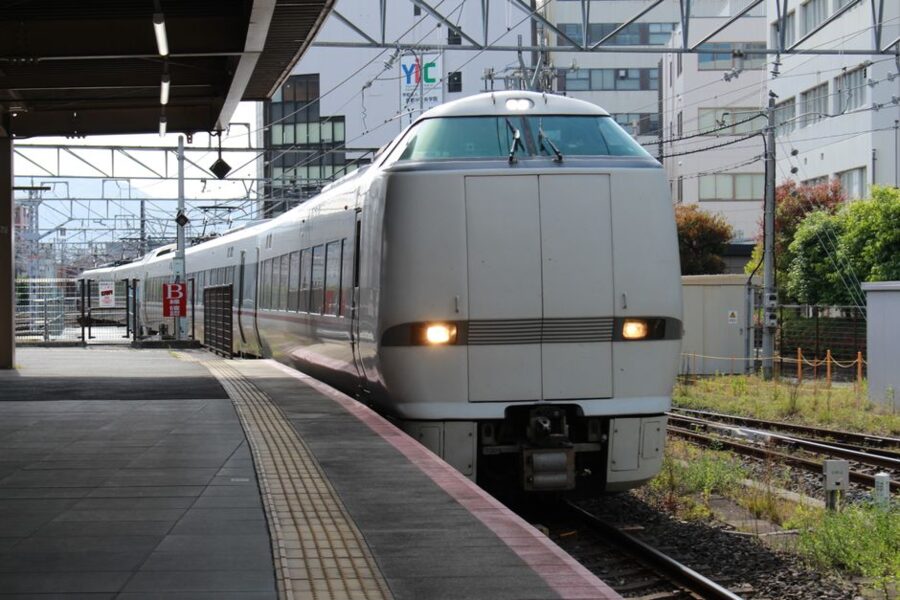
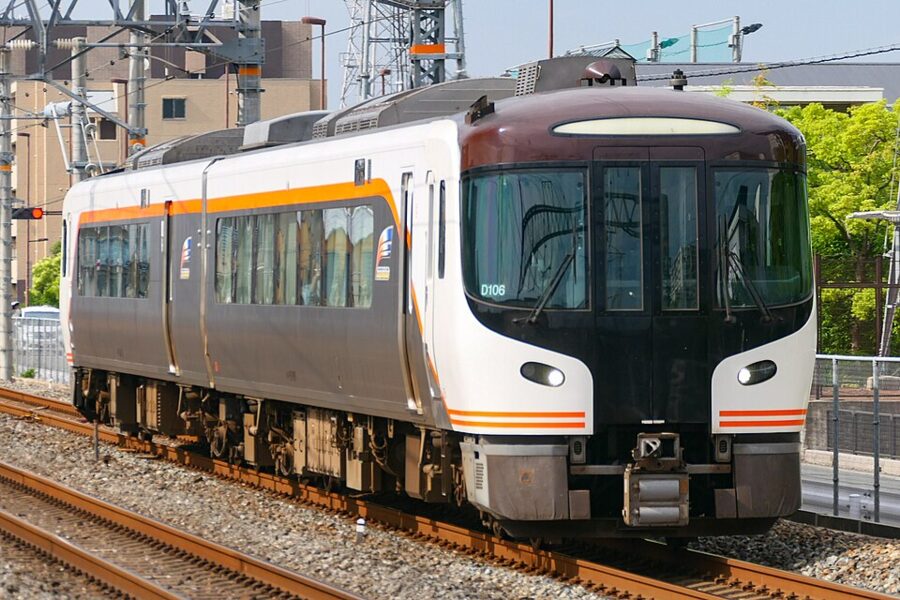
JR Central owns the Tokaido Shinkansen and sells no pass for it; its five-day tourist passes cover the lines that fan out from Nagoya instead. The Takayama-Hokuriku Area Tourist Pass (¥19,800) covers the Hida limited express from Nagoya to Takayama and Toyama, the buses to Shirakawa-go and Kanazawa, and the Hokuriku Shinkansen from Toyama to Tsuruga, with up to six free seat reservations. The Alpine-Takayama-Matsumoto pass (¥24,500) takes in the Tateyama Kurobe Alpine Route and is not sold while the route is closed in winter, and the Ise-Kumano-Wakayama pass costs ¥16,500.
JR Hokkaido
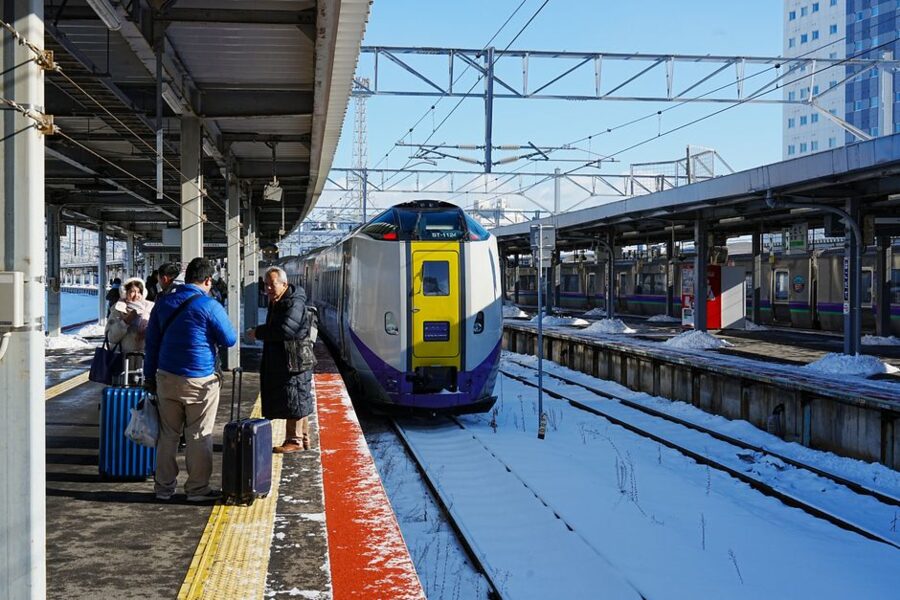
The Hokkaido Rail Pass covers every JR Hokkaido line and some JR Hokkaido buses for 5, 7 or 10 consecutive days: ¥22,000, ¥28,000 or ¥37,000 if bought in advance through an agency or JR East’s booking site, ¥1,000 more at a station in Hokkaido. It does not cover the Hokkaido Shinkansen. Shorter stays suit the Sapporo-Noboribetsu Area Pass (¥10,000, with Otaru and New Chitose Airport) or the Sapporo-Furano Area Pass (¥11,000, with Biei and Asahikawa).

JR Kyushu
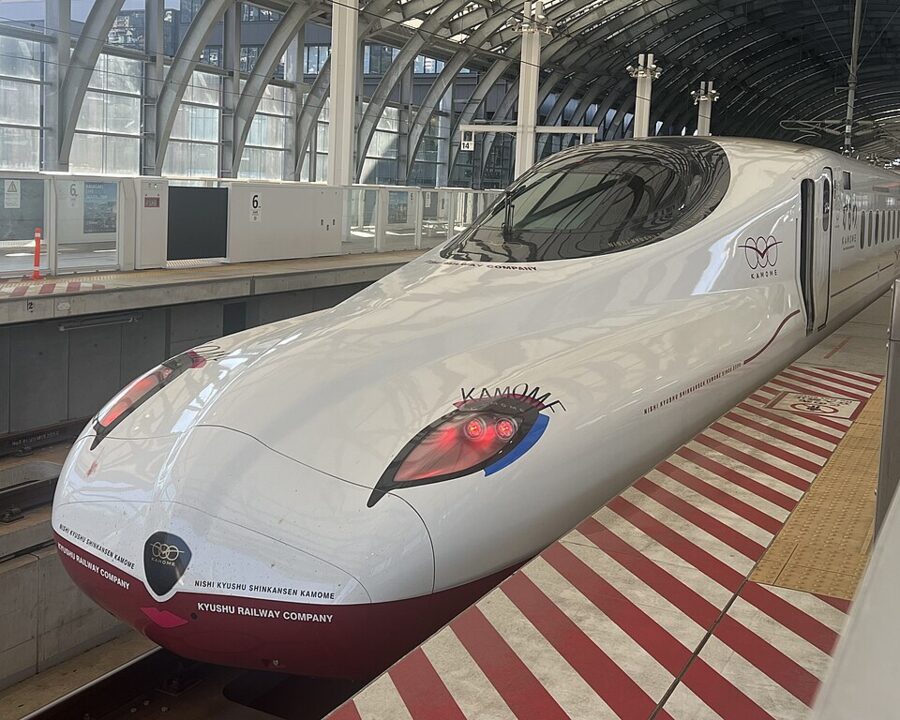
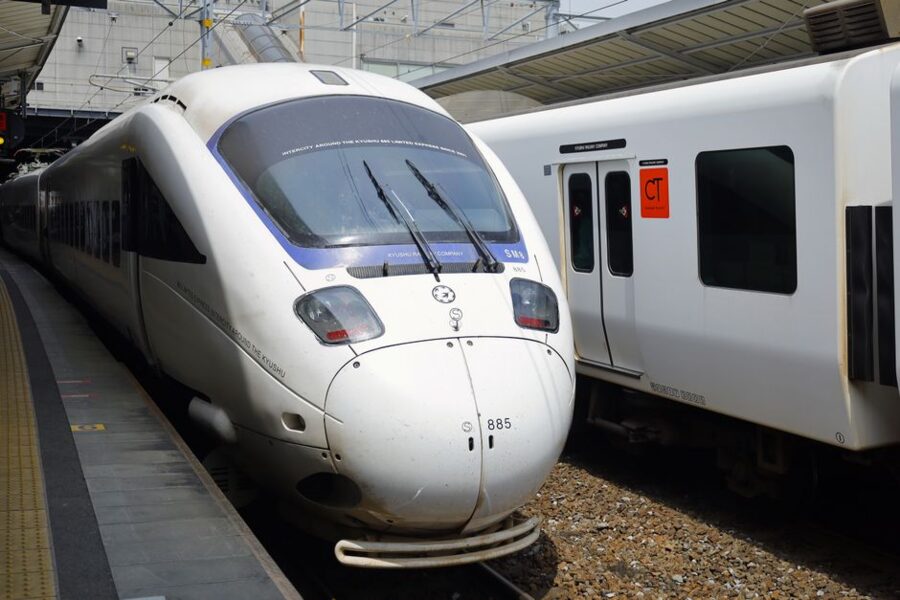
The JR Kyushu Rail Pass comes in three versions. All Kyushu (九州) costs ¥22,000 for three days, ¥24,000 for five and ¥26,000 for seven; Northern Kyushu ¥15,000 or ¥17,000 for three or five days; Southern Kyushu ¥12,000 for three. All Kyushu includes the Kyushu Shinkansen from Hakata to Kagoshima-Chuo and the Nishi Kyushu Shinkansen to Nagasaki. Hakata to Kagoshima-Chuo and back costs ¥23,900 in single tickets, so one return journey more than pays for the three-day pass.

JR Shikoku
The ALL SHIKOKU Rail Pass covers JR Shikoku (四国) and the Tosa Kuroshio Railway, plus the Asa Coast Railway, the Kotoden lines in Takamatsu and the Tosaden trams in Kochi. Passes sold from 1 December 2026 cost ¥15,000 for three days or ¥23,000 for seven, and now include reserved seats, ahead of the Shiokaze and Nanpu limited expresses going all-reserved in spring 2027. The Shodoshima ferry and bus were taken out of the pass in October 2026.
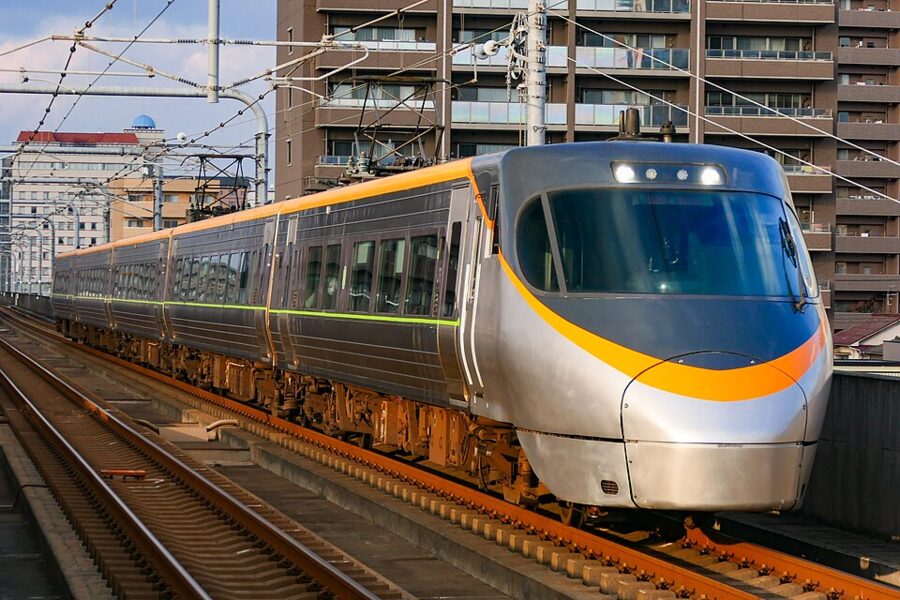
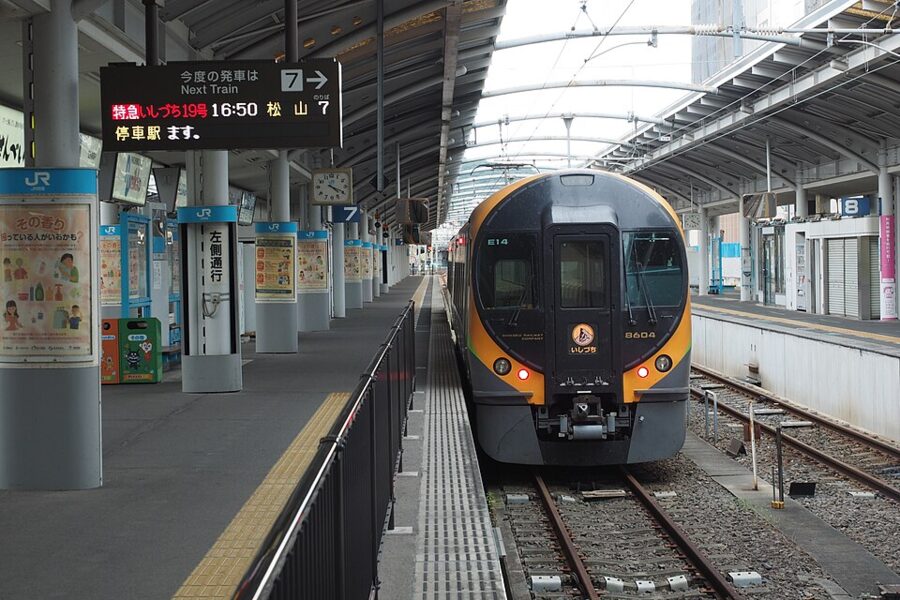

How to do the arithmetic
Write down every JR journey you plan, in order, with the dates. Look each one up on the railways’ own fare searches (Ekinet for JR East, e5489 for JR West, Smart EX for the Tokaido and Sanyo Shinkansen), or on any Japanese route planner, and take the reserved-seat fare. Add the airport trains if they fall inside the pass’s days, then compare the total with the cheapest pass that covers those days, and only those days.
That last step is where most sums go wrong: on a ten-day trip, the city days at either end usually belong outside a seven-day pass.
One week: Tokyo, Kyoto, Hiroshima
Take the train from Tokyo to Kyoto (¥14,170 by Nozomi), Kyoto to Hiroshima (¥11,940) and Hiroshima back to Tokyo (¥19,760), with a day trip to Nara (¥1,440 return) and one to Miyajimaguchi for the ferry (¥840 return by train). The total is about ¥48,150, just under the ¥50,000 pass, and the pass would have you on slower trains.
Two things tip the balance. Add the Narita Express both ways (¥3,140 each) inside the seven days and the pass is ahead by about ¥4,400. Or drop the pass: buy Tokyo to Kyoto, use the Kansai-Hiroshima Area Pass for the five days in between, and return from Shin-Osaka (¥14,720), for ¥45,890 with the Nozomi allowed throughout. If you are flying into Tokyo and spending your first days there, I would do the second.
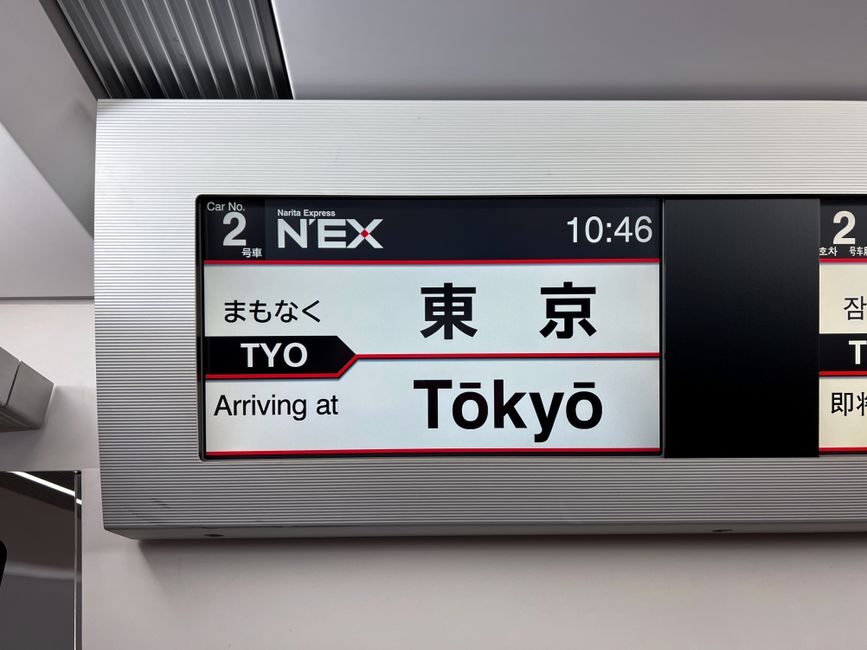
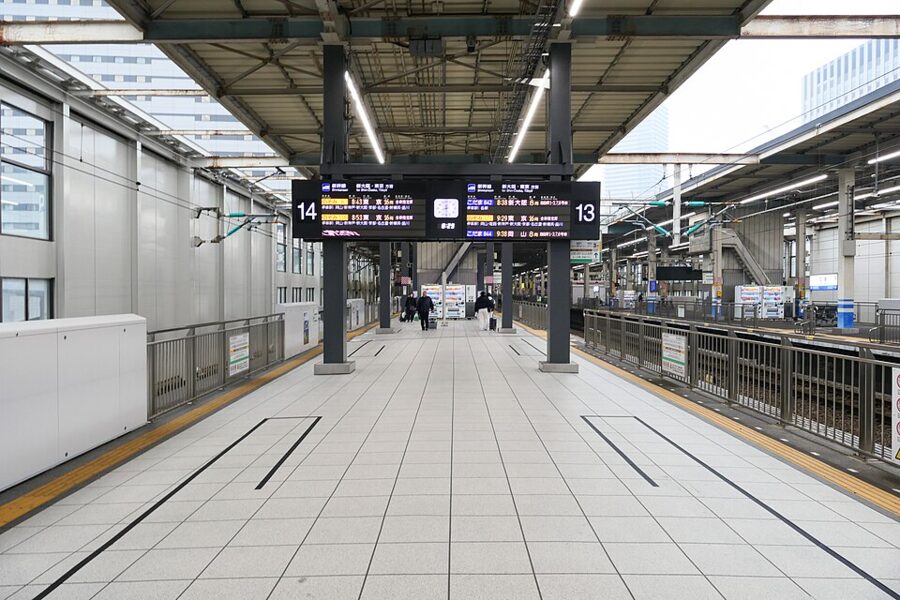
Two weeks, with Hokkaido
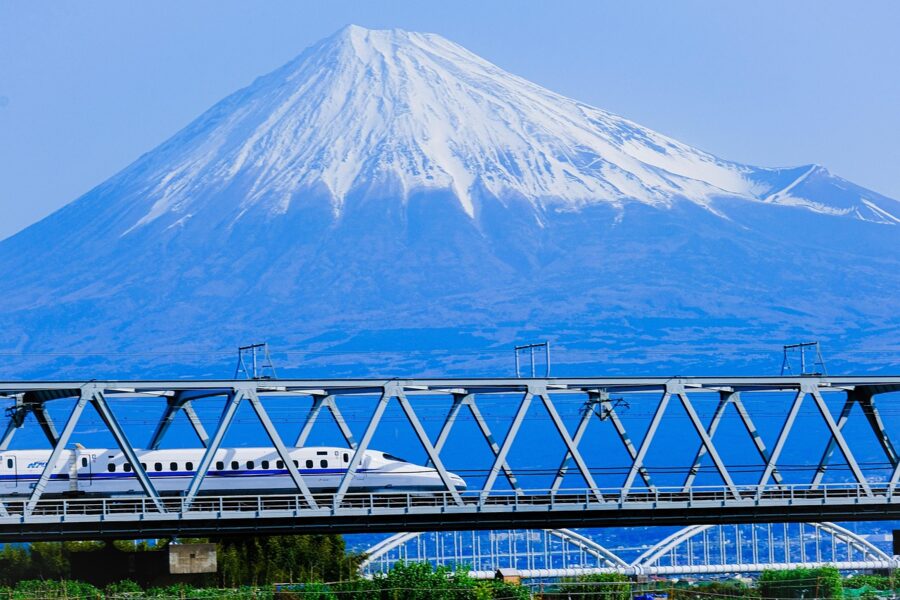
Fly into Narita and take the Narita Express to Tokyo (¥3,140), then go to Kanazawa (¥14,600), Kyoto (¥7,720), Nara and back (¥1,440), Hiroshima (¥11,940), Miyajimaguchi and back (¥840), and Tokyo (¥19,760). Turn north to Sendai (¥11,630), Shin-Hakodate-Hokuto (¥18,500) and Sapporo (¥9,770), and leave from New Chitose Airport (¥1,230).
That comes to about ¥100,570 against ¥80,000 for a 14-day pass, a saving of roughly ¥20,000 before any extra day trips. Stitching the same trip together from regional passes costs more. This is the trip the pass is now made for.

A Kansai stay
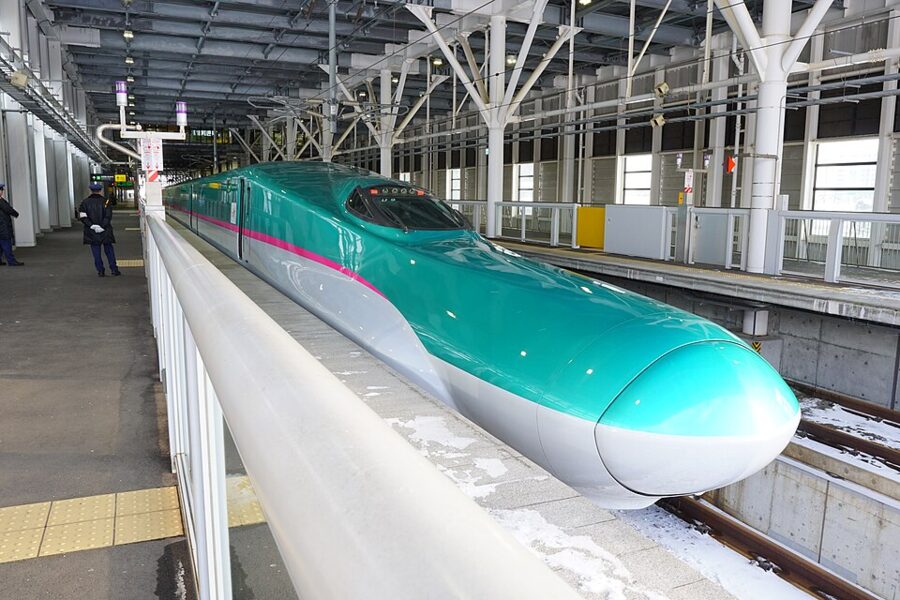
Five days based in Kyoto, arriving and leaving by Kansai Airport: the Haruka each way (¥3,590 each), Nara and back (¥1,440), Himeji and back by Special Rapid (¥4,420) and Osaka and back (¥1,160). That is about ¥14,200, against ¥12,000 for the Kansai Wide Area Pass, which also allows the Shinkansen to Himeji. Without Himeji, three days on the ¥3,000 Kansai Mini Pass cover Kyoto, Nara and Osaka, though not the Haruka.
Alternatives, and the mistakes that cost money
IC cards
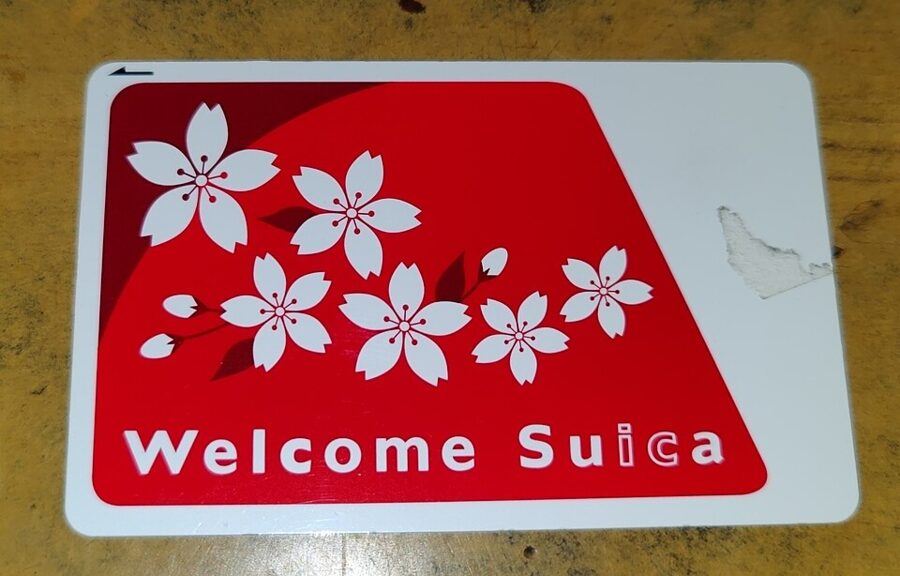
An IC card such as Suica or ICOCA pays fares at the gates on JR, subways, private railways and most city buses in all the big cities. You need one even with a pass, for the subways. For a trip with only one or two long journeys, an IC card for everything local and single tickets for the Shinkansen is usually the cheapest combination.

Discount tickets and the Smart EX
JR Central and JR West sell Tokaido and Sanyo Shinkansen seats through Smart EX, which takes foreign credit cards and is a little cheaper than the ticket window, with deeper discounts on some trains booked well ahead. For tickets bought from 1 July 2027, JR Central and JR West will raise the Nozomi and Mizuho reserved-seat charge for the first time since the Nozomi began in 1992, by ¥700 between Tokyo and Shin-Osaka; if your trip falls after that, use the new fares in your sums.
Highway buses
Long-distance buses cost a fraction of the Shinkansen fare and take three or four times as long, though an overnight bus to Kyoto or Osaka also saves a night’s accommodation. Many of Tokyo’s long-distance buses leave from Busta Shinjuku, beside the south side of Shinjuku Station.
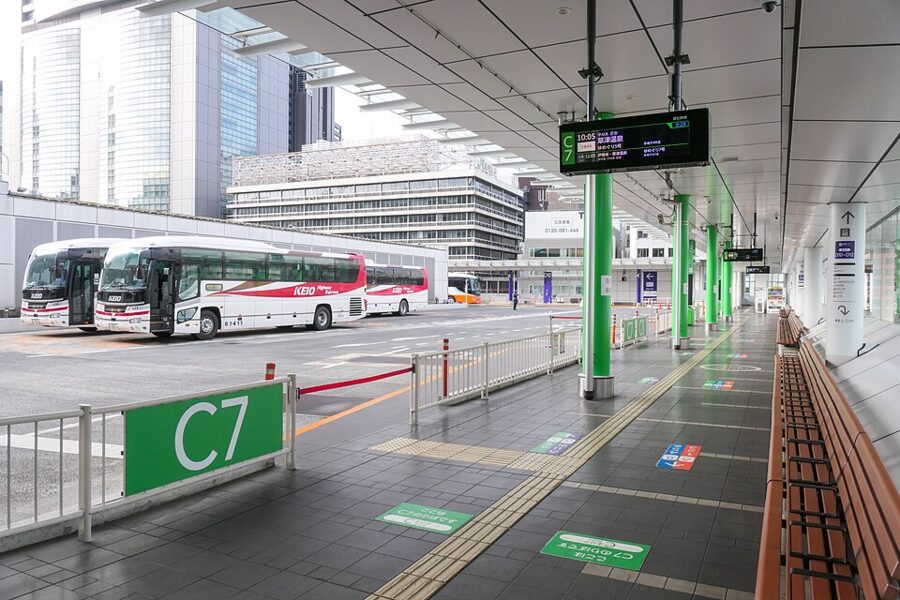

The Seishun 18 Kippu
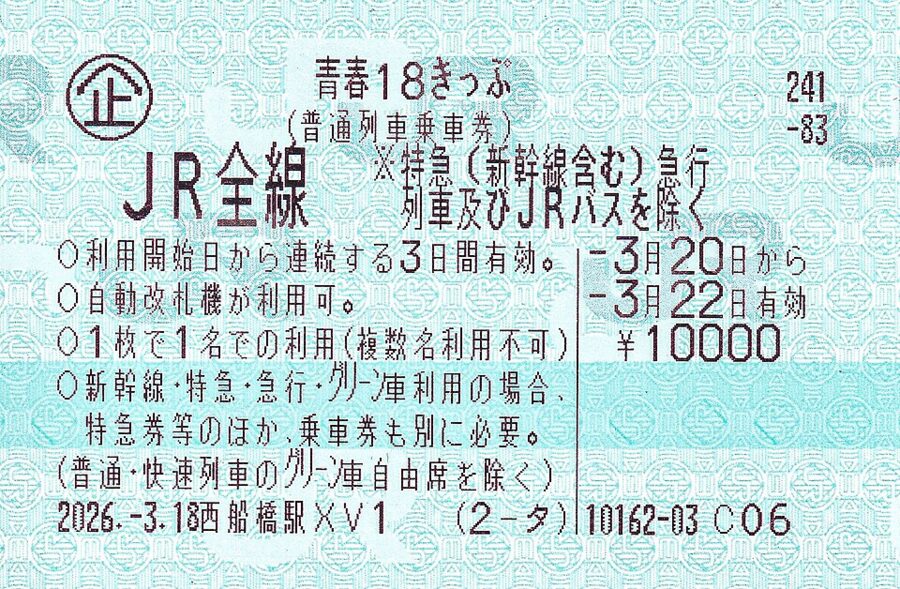
The Seishun 18 Kippu (青春18きっぷ, “youth 18 ticket”) is sold to anyone of any age or nationality, in spring, summer and winter seasons. It gives unlimited travel on JR local and rapid trains: ¥10,000 for three consecutive days or ¥12,050 for five. No Shinkansen and no limited expresses, so Tokyo to Kyoto takes most of a day. For a slow journey through the countryside, nothing comes close on price.

Common mistakes
- Starting the pass on arrival day, then spending three days in Tokyo on trains that cost a few hundred yen. Start it the morning you leave the city.
- Boarding a Nozomi without the supplement. You will be charged the full fare and limited express charge for that journey.
- Assuming JR East’s passes cover the Tokaido Shinkansen to Kyoto. It belongs to JR Central, and none of the regional passes here includes it.
- Assuming the Hokkaido Rail Pass covers the Hokkaido Shinkansen, or a Kyushu pass the Shinkansen from Kokura to Hakata. Neither does.
- Entering Japan through an automated gate and arriving at the pass office without a Temporary Visitor sticker.
Back on the Tokaido Shinkansen platforms at Tokyo, whether you board the Nozomi in front of you comes down to your list of journeys. If it reaches Kanazawa or Sapporo, buy the supplement or wait for the next Hikari, and let the pass do its work. If it stops at Kyoto, buy a ticket for the Nozomi and keep the ¥50,000.