
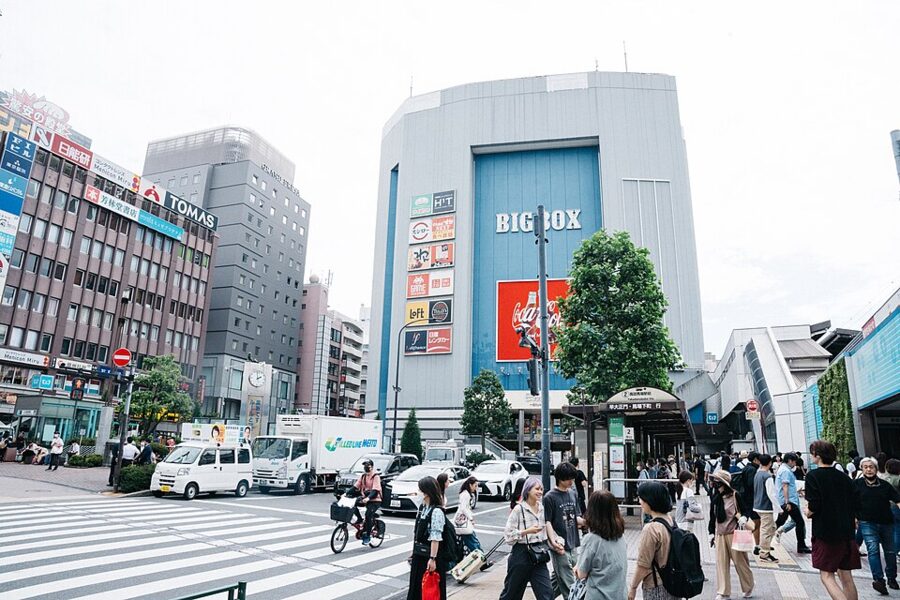

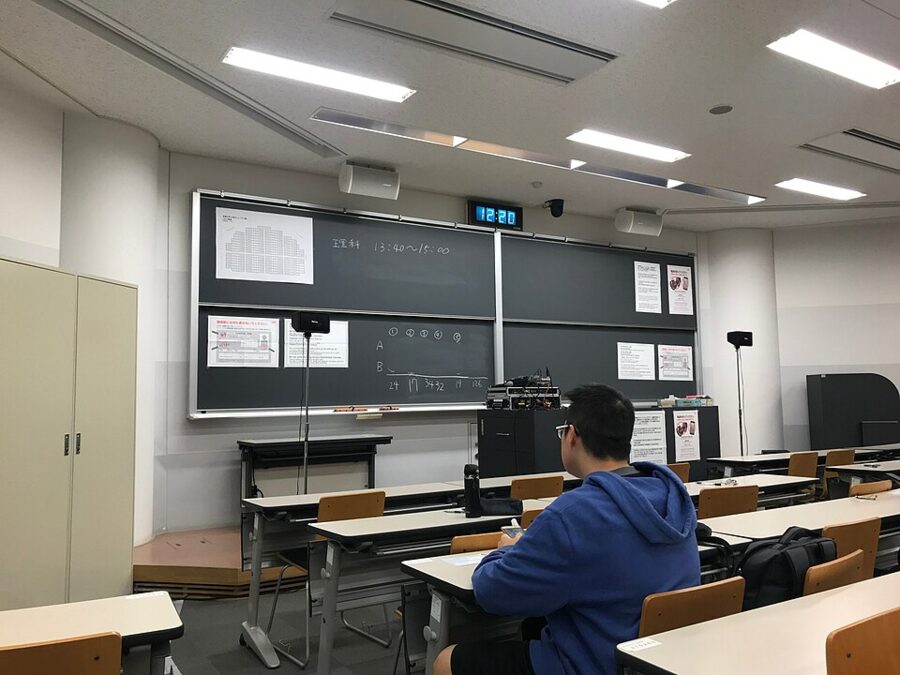
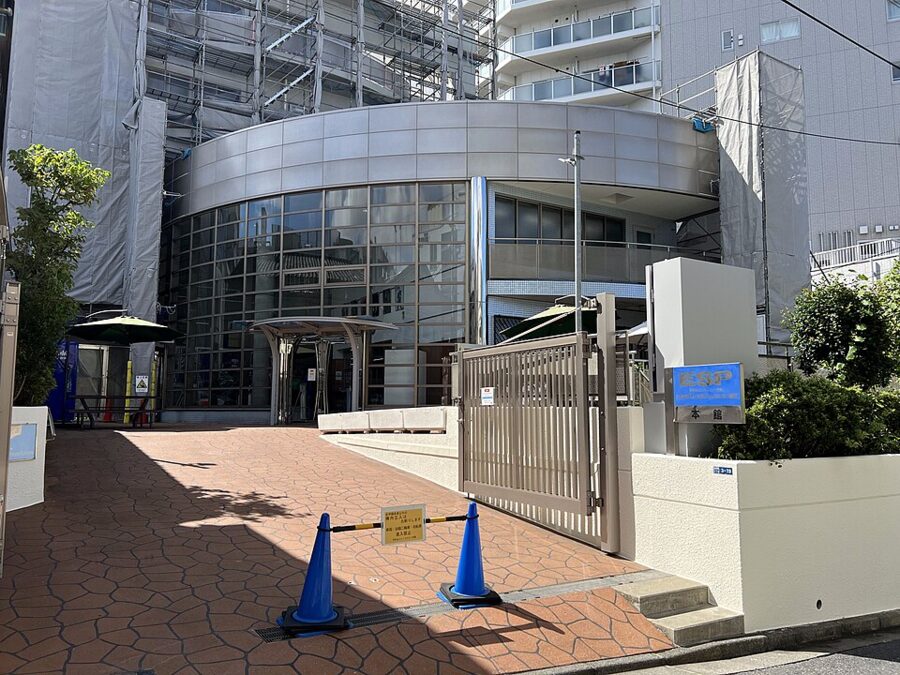
At Akamonkai, a language school by Nippori Station in north-east Tokyo (東京), the morning class finishes at 12:20 and the afternoon class sits down at the same desks at 13:10. That is the shape of a year at a Japanese-language school (日本語学校, nihongo gakko): four 45-minute lessons a day, five days a week, mornings or afternoons, and the other half of the day left for homework, a part-time job and the train.
A long course on a student visa lasts one to two years and starts in April, July, October or January, though not every school offers all four. The first year costs about ¥750,000–1,000,000 in fees, and more in central Tokyo, before rent and food. You apply to the school five to eight months ahead, and the school, not you, asks immigration for the certificate that lets you get the visa.
| Question | Answer for a long course on a student visa |
|---|---|
| How long | 1 year to 2 years; two years in total at language schools is the legal ceiling |
| When it starts | April and October at most schools; many add July and January |
| Hours | About 20 hours a week, at least 760 hours a year; morning or afternoon shift |
| First-year fees | About ¥750,000–1,000,000; a few Tokyo schools charge more |
| Living costs | About ¥105,000 a month on average, about ¥130,000 in Tokyo |
| Who it suits | Anyone starting from zero or N5 who wants to reach university, a vocational college or a job in Japanese |
| How to apply | To the school, 5–8 months ahead; the school applies for your Certificate of Eligibility |
If you are weighing a language school against a degree, an exchange or a summer course, the wider choice is in the study in Japan guide.
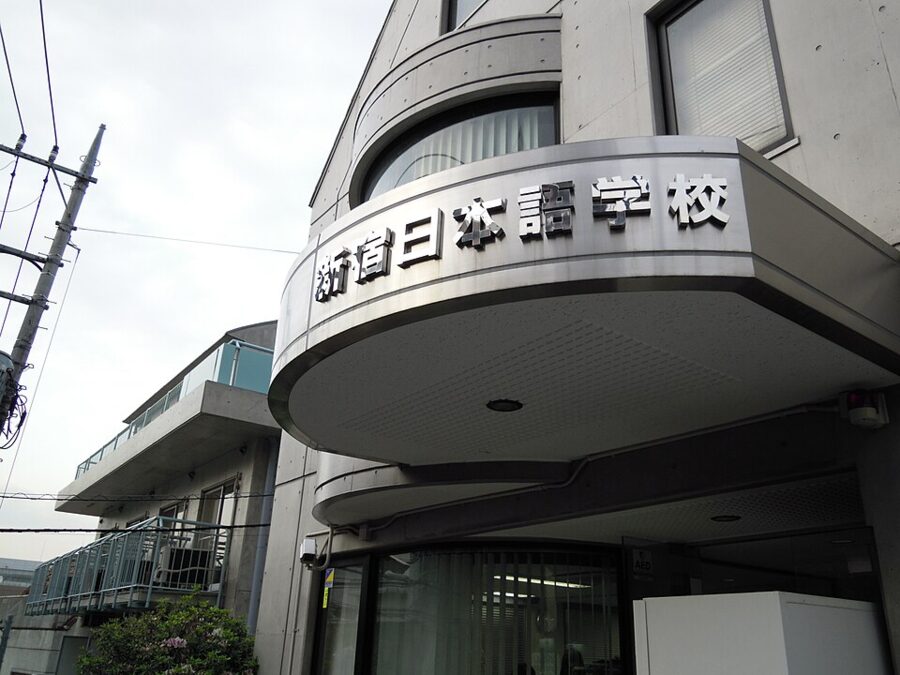

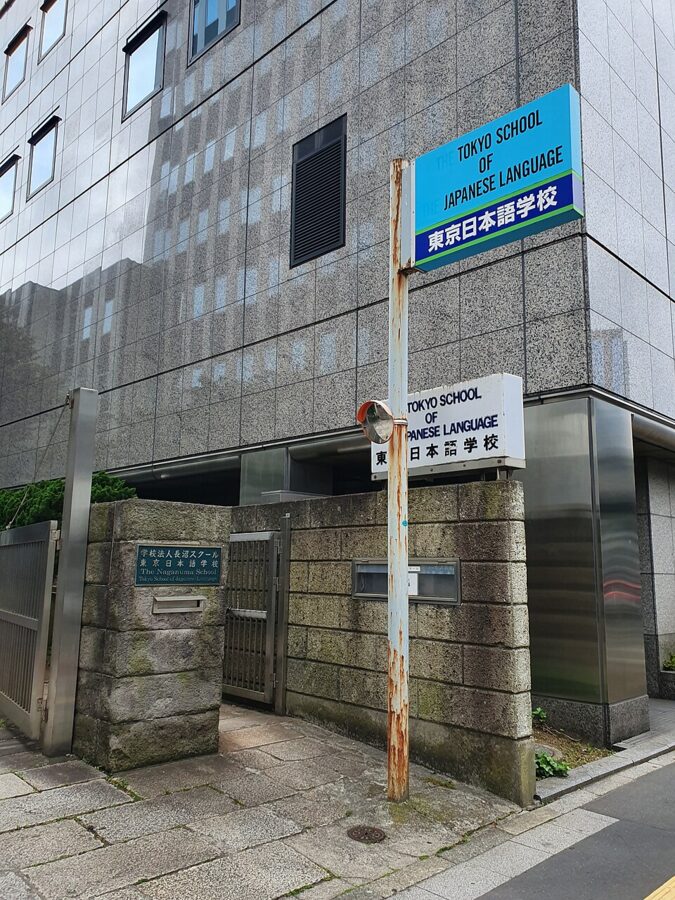
About 140,000 of the international students counted in Japan in May 2025 were at language schools, more than a third of the total. The schools are a 20th-century creation in their present form. A handful existed early, Kano Jigoro’s Kobun Gakuin for Chinese students in 1896 and the Naganuma School in Tokyo in 1948, but most were founded after the government announced a target of 100,000 foreign students in 1983, and many of them as small private companies.
In this guide
Who licenses the schools, and the 2029 deadline
Since 1990 the only list that mattered has been kept by immigration. A school that the Immigration Services Agency had “notified” in its public notice (告示, kokuji) could sponsor students for the student status of residence; a school that had not, could not. On 20 October 2026 that notice listed 822 institutions, more than 230 of them in Tokyo and about 90 in Osaka (大阪), and it is published as a PDF on the agency’s site under “receiving institutions”.
The weakness was that a notice is a border control, not an education standard. Nobody inspected the teaching, and Japanese-language teachers had no legal qualification at all. In May 2023 the Diet passed a law on the certification of Japanese-language schools (日本語教育機関認定法), in force since 1 April 2024, which moved the schools under the Ministry of Education (MEXT) and created two new things: certification of schools, nintei (認定日本語教育機関, certified Japanese-language educational institution), and a national licence for their teachers, registered Japanese-language teacher (登録日本語教員).
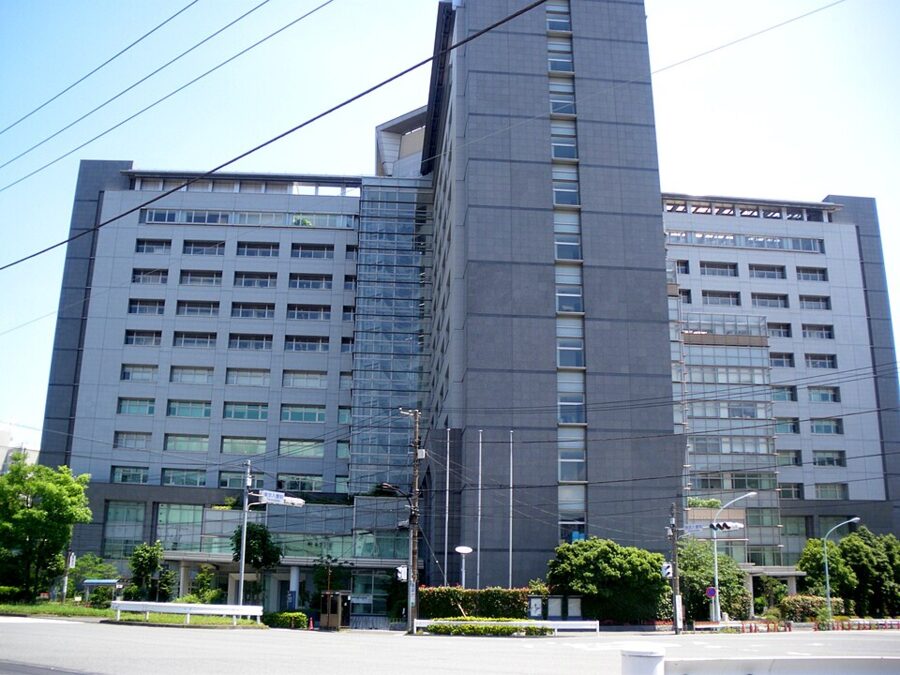

The first 22 schools were certified at the end of October 2024, and more are added in each round of decisions. Certification sets rules the old notice did not: a course for students on the study visa must run at least a year, with at least 760 lessons a year and 20 a week, each lesson at least 45 minutes, no more than 20 students in a class, no more than four start dates a year, and a system for tracking attendance. The course has to aim at what the ministry calls “highly independent” Japanese, the equivalent of B2 on the European scale that Japan’s own framework for language teaching now follows.
The deadline is the part to plan around. Immigration will go on accepting students at schools on its old notice until 31 March 2029. From April 2029 a student who comes mainly to learn Japanese must be enrolled at a certified school, and the old notice will be deleted from the immigration rules.
How to check a school
Look the school up yourself in two places, not on an agent’s word. MEXT’s certification portal (日本語教育機関認定法ポータル) lists certified schools with their courses and fees, and the immigration agency’s notice list covers the schools still waiting. A course listed as “for study” (留学のための課程) is the one that carries a student visa; the other two types, “for work” and “for daily life”, serve people already living in Japan.
If your course runs past March 2029 and the school is not yet certified, ask in writing when it applied and what happens to enrolled students if it is refused. A school that answers that clearly is telling you something about how it is run. So is one that does not answer.
The teachers are changing too. The first national teacher examination in 2024 had 17,655 candidates and 11,051 passes, and registration began in January 2025. In the 2025 survey of member schools by the Association for the Promotion of Japanese Language Education (日本語教育振興協会, Nisshinkyo), a third of 5,379 teachers already held the new licence, two thirds of all teachers were part-time, and the biggest age group was over 60.
Courses, intakes and hours
Every school sells three or four kinds of course, and the names vary more than the content.

General course (long term)
The general course is the backbone: one year to two years of mixed reading, writing, listening and speaking, on a student visa. The two-year limit is in the immigration rules, not the schools’ brochures, and it is a total across all the language schools you attend. Course lengths follow the intake so that everyone finishes in March, ready for the Japanese academic year that starts in April: two years from April, 21 months from July, 18 months from October, 15 months from January.
Akamonkai is a fair example of the hours. Its general course has 13 levels, about 800 hours of class a year, and the two shifts, morning and afternoon. After the entrance ceremony you sit a placement test; beginners sit a unit test at the end of their first month, and the school re-forms its beginner classes into faster and slower streams after about three weeks of watching them.
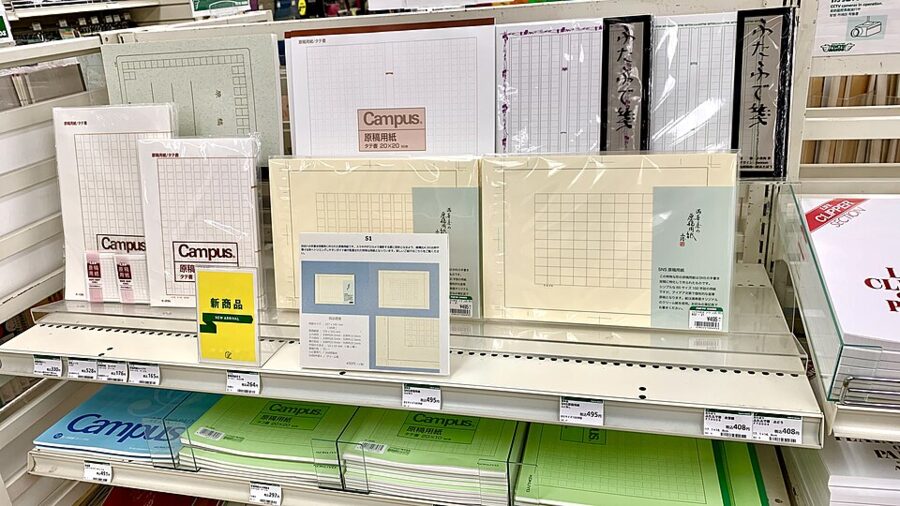

University preparation and business courses
Preparatory courses (進学コース, shingaku) are general courses with exam work added, usually starting only in April and October. Their target is the Examination for Japanese University Admission for International Students, the EJU (日本留学試験), sat in June and November in Japan and in 13 other Asian countries. It tests academic Japanese plus maths and either science or “Japan and the World”, and most national and public universities use it to select international students.
Business or employment courses take students who already have a degree and good Japanese, and add business Japanese, interview practice and help with job applications. Akamonkai asks for a four-year degree and JLPT N2 before you join its business course. The Japanese-Language Proficiency Test, held in July and December, is the certificate employers ask for; the EJU is the one universities ask for, and a preparatory student often sits both.

Short courses
A course of up to 90 days needs no student visa if your passport lets you enter Japan without one: the temporary visitor status allows study, though not work. Many schools take short-course students into the same classes as their long-term students, usually by the month or the three-month term. At Akamonkai three months cost ¥195,000, rising to ¥220,000 from April 2027. People already living in Japan on another status, a spouse, a dependant or someone on a working holiday, can join the same classes on the same terms.
What it costs
A school’s fee table has four lines, and the first is the one you never get back.
- Screening or application fee (選考料): about ¥20,000–35,000, paid with the application and not refunded, even if immigration turns you down.
- Enrolment fee (入学金): about ¥50,000–100,000, first year only.
- Tuition (授業料): about ¥650,000–800,000 a year at most schools.
- Facilities, materials and activities: ¥30,000–100,000 a year, sometimes listed separately, sometimes folded in.
Akamonkai again shows how it adds up, and how fast it is moving. For courses starting up to January 2027 its first year costs ¥845,000 and two years ¥1,605,000. From April 2027 the first year is ¥915,000 (¥25,000 screening, ¥70,000 enrolment, ¥780,000 tuition, ¥40,000 facilities) and two years ¥1,735,000.
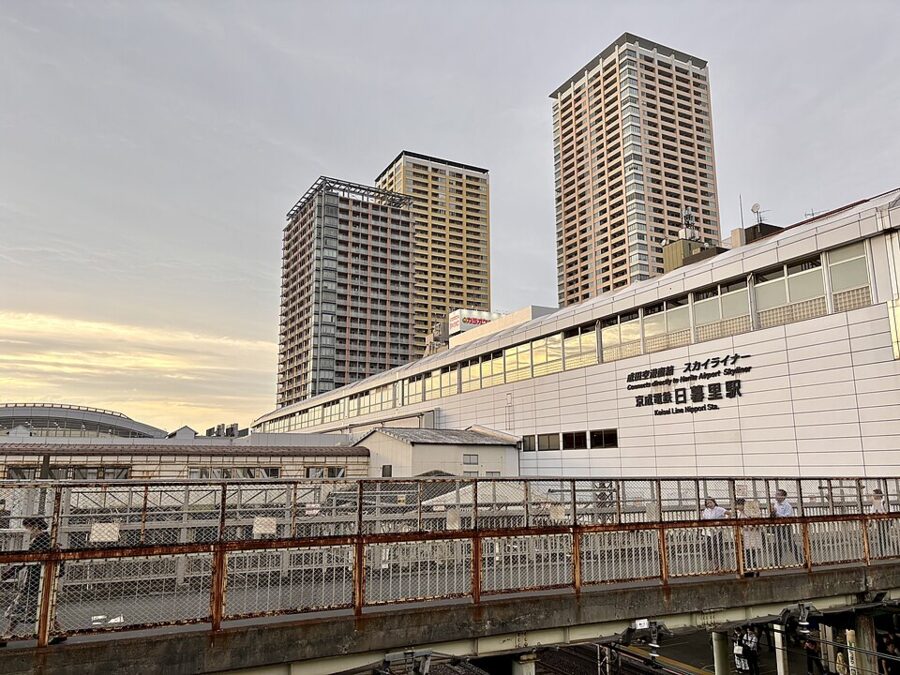
That is the middle of the market. Fee lists compiled for 2027 entry put the cheapest first years at about ¥730,000–780,000, a band with fewer schools in it each year, and the dearest Tokyo schools at ¥1,000,000–1,200,000, where you pay for newer buildings in central districts and heavier university coaching. Most of the difference between Tokyo and a regional city is not tuition but rent: the national average spend for a privately funded student is about ¥105,000 a month, and about ¥130,000 in Tokyo.
Schools usually invoice the rest of the first year only once your Certificate of Eligibility has been issued, and you pay before they post it to you. If the certificate or the visa is refused, most refund what you have paid apart from the screening fee, sometimes less bank charges, and usually once the certificate is returned. Read the school’s refund clause before you pay the screening fee, and check what happens if you leave early: Akamonkai refunds unused tuition in three-month blocks to students who go on to further study, a job or home, but not for the first six months.
Proof of money
Immigration wants to see that someone can pay for the whole course and your living costs. In practice that means a sponsor, usually a parent, with a bank balance in the low millions of yen and proof of income; Akamonkai asks for more than ¥1,500,000 and prefers over ¥2,000,000. Some applicants are now asked for three years of account history, so a large deposit made the month before you apply works against you.

Scholarships
There is one national scheme open to language-school students: JASSO’s Monbukagakusho Honors Scholarship for Privately Financed International Students, which pays language-school students ¥30,000 a month, normally for a year from April. You apply through the school once enrolled, and only if you plan to go on to a university, junior college or vocational college the following year and your money from home is under ¥90,000 a month. Schools add their own small awards, typically for attendance above 95 per cent or for passing N1 or N2.
Choosing a school, and a city
I’d choose a school by its results sheet first and its postcode second. Ask every school the same five questions and compare the answers in writing.
- Nationality mix. What share of current students come from your country, and from the largest single country?
- Class size. Twenty is the legal maximum for certified schools; good schools run below it.
- Results. Last year’s JLPT passes by level, EJU averages, and a list of where leavers went.
- Support. Is there a full-time member of staff for daily life (生活指導), and do they speak your language?
- Housing. Does the school run or arrange a dormitory, at what monthly cost, and with what move-in fees?
Who you will be studying with
The nationality mix is the question most English-speaking applicants never ask, and it decides your year. In July 2025 the 184 schools answering Nisshinkyo’s survey had 42,897 students from 117 countries: 26 per cent from China, 24 per cent from Nepal, 12 per cent each from Myanmar and Vietnam, then Sri Lanka and Bangladesh. The United States sent 480 and Britain 85.
So a European or American student is often the only one in the class, or one of very few, and the shared language of the classroom becomes Japanese by necessity, which is no bad thing. Many schools try to balance nationalities across classes, and you can ask how. A class where three-quarters share a first language other than Japanese moves at their pace, in kanji especially: students who read Chinese characters already race through material that takes everyone else months.

Tokyo or a regional city
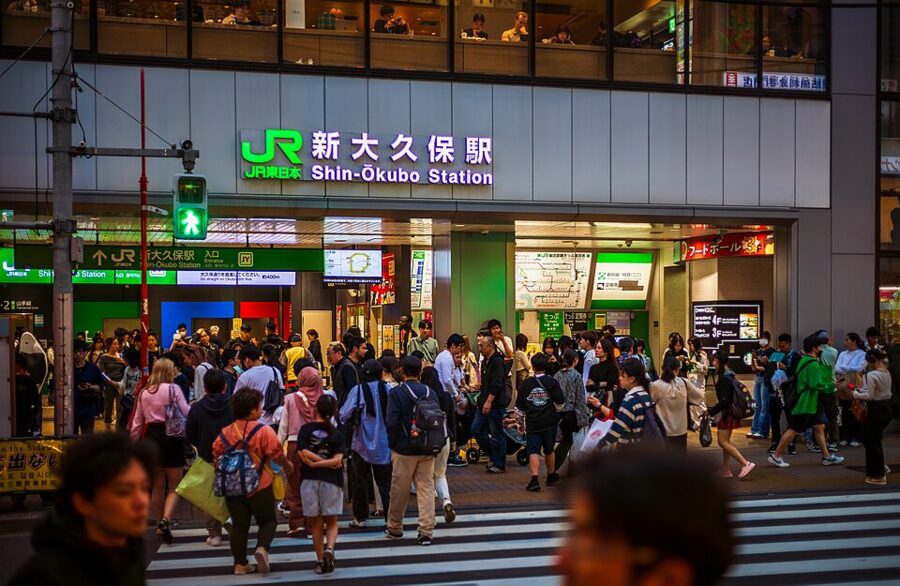
Tokyo has by far the most choice: its schools had 41 per cent of the students in that survey, and many of the language schools sit in Shinjuku ward, around Okubo and Takadanobaba. It also has the most part-time work, the most universities to move on to, and the highest rent.

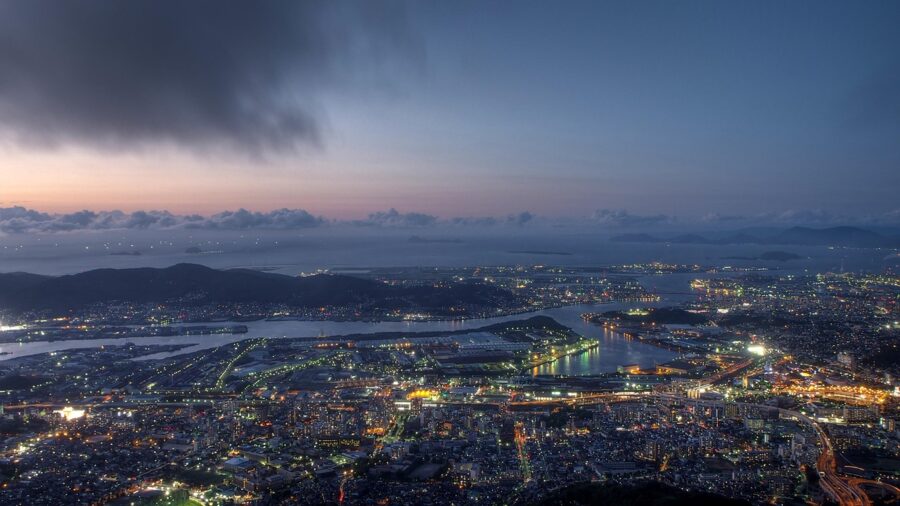
For learning the language I would go regional. A city such as Fukuoka (福岡), Sendai, Kanazawa (金沢) or Kyoto (京都) has fewer schools, lower rent and fewer people around you who speak your language, so you use Japanese all day. If you plan to enter a university or start work in Tokyo afterwards, though, the moving costs eat some of the saving, and it is worth studying where you mean to stay.
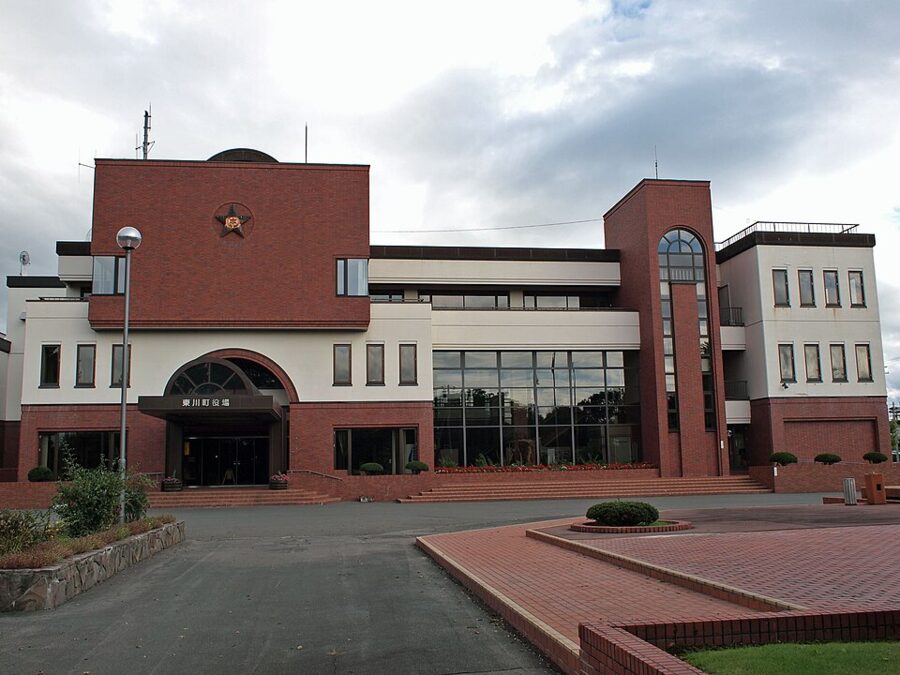
At the far end of regional is Higashikawa in Hokkaido (北海道), where the town itself runs the school and its students pound rice cakes with the neighbours and share sweet bean soup with the over-65s. It is not for everyone: Asahikawa is the nearest city and the winters are long. For someone who wants nothing but Japanese for a year, it is hard to beat.
Red flags
- The school is on neither the immigration notice list nor MEXT’s certified list.
- An agent asks for fees into a personal account, or charges you a separate “visa fee” on top of the school’s own.
- The school sells itself on how much part-time work you can do.
- Nobody can give you last year’s results, or the refund policy, in writing.
- The school has no certification plan for a course that runs past March 2029.
Applying: documents, the certificate and the calendar
The basic entry rule is twelve years of schooling. There is rarely an upper age limit, though a long gap since your last study can slow the visa. Most schools also want evidence that you have started Japanese, typically a JLPT N5 pass. For intakes from October 2026 a certificate of 150 hours of classes no longer satisfies immigration on its own, so schools test or interview you themselves and send the record with your application.
The documents
The applicant’s side of the file is an application form and a statement of why you want to study in Japan, both on the school’s format; your passport; photographs; your diploma and transcripts from your last school; and, from some countries, a family register or birth certificate. The sponsor adds a statement of financial support, a bank balance certificate, and proof of income and employment. Anything not in Japanese or English needs a translation, and schools prefer forms typed, not handwritten, because the spelling of your name goes straight onto the immigration paperwork.

The Certificate of Eligibility
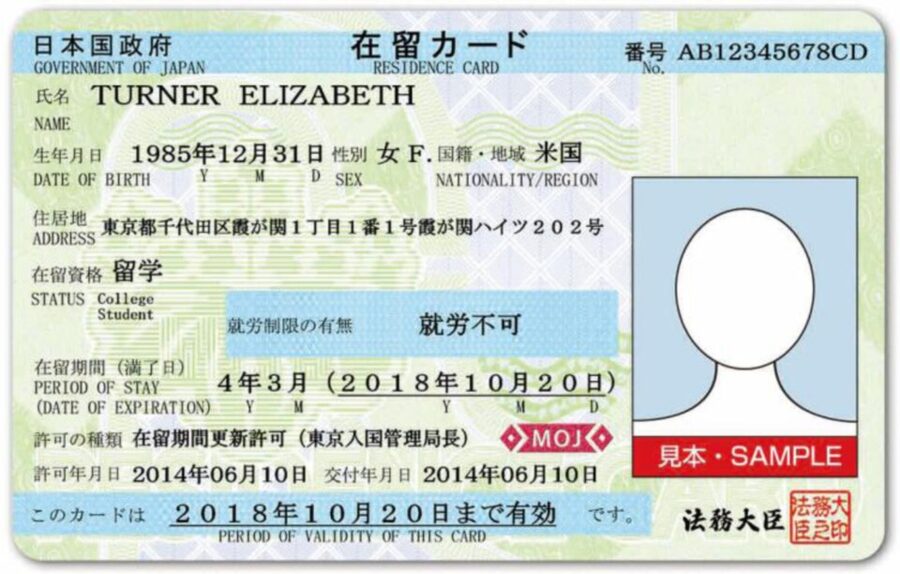
Once the school accepts you, it files your papers with its regional immigration bureau and applies for a Certificate of Eligibility (在留資格認定証明書) in your name. The decision usually takes two to three months. When it is issued you pay the year’s fees, the school sends the certificate, and you take it to the Japanese embassy or consulate at home for the visa itself; the detail of that step is in the student visa guide.
You cannot short-cut this by arriving as a tourist and switching. The visa for a long course is applied for from home, and the certificate is valid for three months from issue, so the school times its filing to the intake.
The calendar
Application windows vary by school and close early when a school fills. These are Akamonkai’s for its general course; other schools’ deadlines differ by a few weeks, so treat them as a guide.
| Intake | Applications accepted | Course length to March |
|---|---|---|
| April | Mid-August to end of October | 2 years |
| July | Mid-December to end of February | 1 year 9 months |
| October | Early March to mid-May | 1 year 6 months |
| January | Mid-June to end of August | 1 year 3 months |
Work backwards from the intake. Choose the school about eight months out, allow one to three months to gather the documents, and expect to hear about the certificate two to three months before the start. April is the busiest intake and the one that fits the Japanese school year; October suits anyone aiming at a university the April after next.
A day, a term, and a part-time job
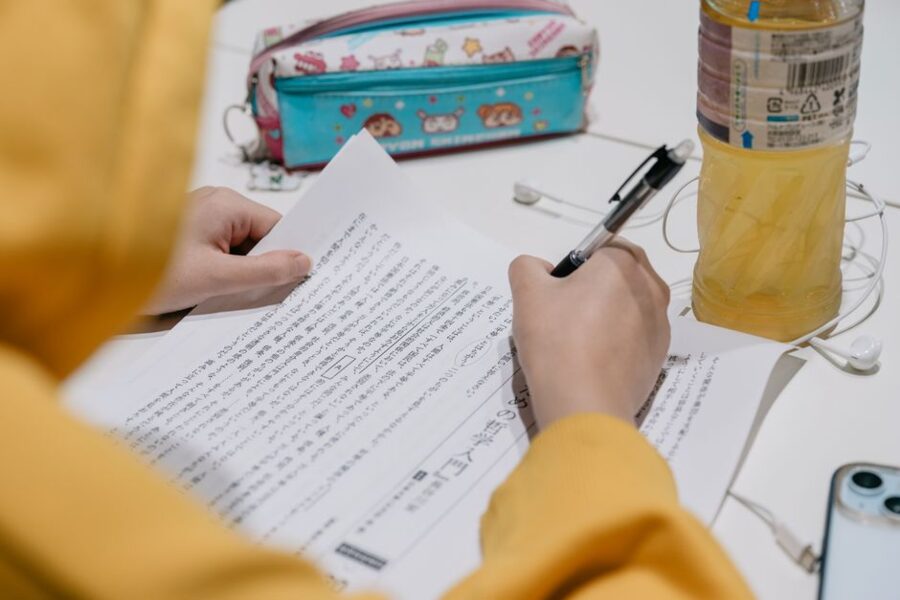
The day is short and dense. Four lessons of 45 minutes with short breaks, homework most days, regular vocabulary and kanji quizzes, and a test at the end of each unit. Teachers take attendance every lesson, and the record goes with your application when you renew your status: a weak one can cost you the extension.

Coursework runs in three-month blocks, and the long holidays usually fall in spring, summer and around New Year. Around them sit the exam dates that shape the year: the EJU in June and November, the JLPT in early July and early December. A good school builds its timetable round them; Akamonkai, for one, runs concentrated EJU lectures in the spring break and Golden Week.
Part-time work needs a permission for “activities other than those permitted”, granted at the airport to most new arrivals. With it you may work up to 28 hours a week in term and up to eight hours a day in the school’s long holidays, never in hostess clubs, pachinko or mahjong parlours, or anything else classed as adult entertainment. Going over the hours is a sure way to lose the next visa extension.
I would treat the 28 hours as a ceiling, not a target. A student working the full allowance on top of 20 hours of class and 10 or more of homework has a 60-hour week, and it shows in the attendance first.
Where students go next
Most do not go home. Of 21,580 students who finished a course at Nisshinkyo’s member schools in the year to March 2025, 72 per cent went on to further study in Japan, 10 per cent took a job in Japan and 14 per cent went home.
The destination surprises people. Of the 15,595 who went on to study, 63 per cent went to a vocational college (専門学校, senmon gakko), usually for two years, in anything from nursing care and hotel work to animation and automotive repair. Twenty-five per cent went to a university and about 10 per cent to a graduate school, the rest to junior colleges and other schools. A vocational diploma in a field with a matching work status is, for many students, the shortest road to a job and a visa to stay.
The route to university is the EJU, the university’s own interview or tests and, at some universities, an English score. For graduate school, most went straight onto a degree course: 1,281 that year, against 204 who started as research students (研究生) attached to a professor, the slower way in that many universities still offer.
Employment courses and school careers offices now push harder at jobs. Still, a leaver who wants an office job in Japanese needs N2 at least and, for the usual work visa, a degree or a vocational diploma, which is why so many take the vocational college first.
Back at Nippori, the 13:10 class sits down where the 09:00 class has just left. Two years of that, 1,500 hours or more, takes a beginner who can barely write hiragana to the point where a lecture, a job interview or a vocational course in Japanese becomes possible. Check the school is on one of the two lists, ask for its results in writing, and apply before the window for your intake closes.