

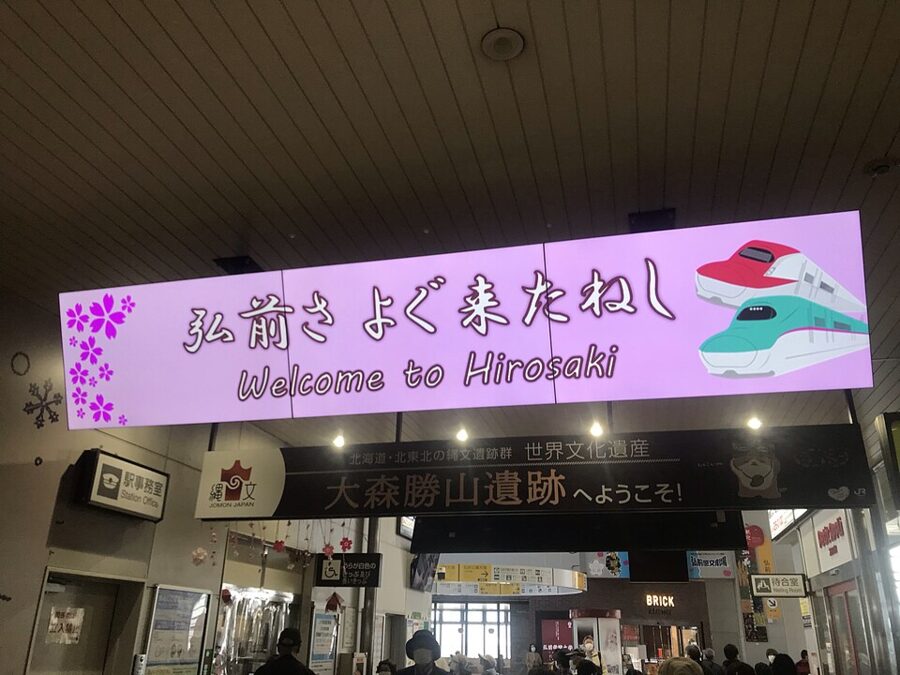
The welcome display over the concourse at Hirosaki Station reads 弘前さ よぐ来たねし, Hirosaki sa yogu kitaneshi, and the word a textbook learner trips on is the little sa after the city’s name, where standard Japanese would put ni or e, “to Hirosaki”.
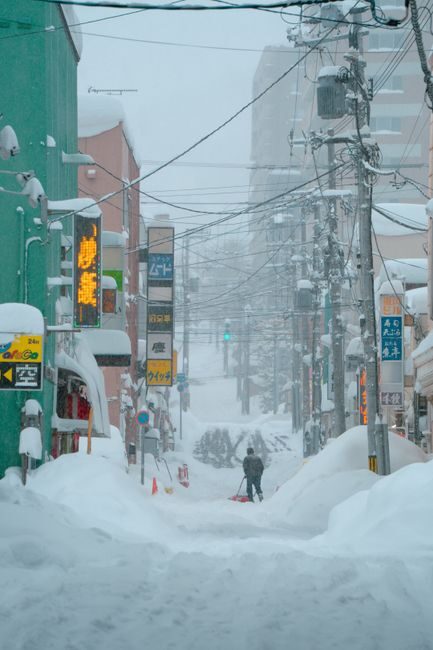
In Tsugaru, the western half of Aomori (青森), sa marks where you are heading, and it does the job so economically that two neighbours can pass on a snowy street and hold a whole conversation in two syllables each: dosa?, yusa. Where to? The bath.
Japanese dialects (方言, hogen) are the reason that sign exists. Japanese is one language in the newspaper and on the evening news, and dozens of ways of speaking in kitchens, fishing ports and village shops. In a test run in 1967, students who had grown up in the Kanto region were played short recordings of elderly speakers from around the country and asked to translate them. They managed 17.6 per cent of a recording from Kagoshima (鹿児島) and 4.1 per cent of one from Himi, on the Toyama (富山) coast, and Tohoku was not even in the test.
For a learner, the good news is that the textbook language is understood everywhere, because a century of schools and radio made sure of it. The regional speech underneath tells you where you are standing, and in a few places it is a separate language altogether.

In this guide
- Hogen, hyojungo and kyotsugo
- How Tokyo speech became the standard
- Eastern Japan: Hokkaido, Tohoku, Kanto and Nagoya
- Kansai-ben: the dialect on national television
- West and south: Chugoku, Shikoku and Kyushu
- Hachijo: the speech of the Man'yoshu, still spoken at sea
- The Ryukyuan languages, and Ainu
- Dialects now
- What learners and visitors should do about dialects
Hogen, hyojungo and kyotsugo
The everyday word for a regional way of speaking is the place name plus -ben (弁): Osaka-ben, Tsugaru-ben, Hakata-ben. An accent on its own is namari (訛り). Kyoto (京都) people tend to say Kyo-kotoba, “Kyoto words”, and some of them would rather not hear it called a dialect at all, since for a thousand years it was the speech of the capital.
Linguists count Tokyo too. To them, the speech of the city’s old neighbourhoods is Tokyo dialect, one variety among many, and the national standard is something built on top of it. That standard has two names. Hyojungo (標準語) was coined in the Meiji period by the English scholar Okakura Yoshisaburo as a translation of “standard language”; after the Second World War schools and NHK, the national broadcaster, moved to kyotsugo (共通語), “common language”.
No law and no academy defines either. In practice the standard is the speech of educated Tokyo with the local quirks taken out: the old downtown habit of saying shi for hi, so that Hibiya becomes Shibiya, and the uptown matron’s zamasu. The model in most people’s heads is a newsreader’s voice.
How the country divides
The scheme most textbooks follow goes back to the dialectologist Tojo Misao. It splits Japanese first into the mainland dialects and the Ryukyuan speech of the southern islands, then splits the mainland into Eastern, Western and Kyushu (九州) groups, with the islands of Hachijo standing apart. Kindaichi Haruhiko, the great accent scholar, drew it differently, as rings: an inner ring around Kansai and Shikoku (四国), a middle ring, and an outer ring in Tohoku and Kyushu where the oldest and strangest features survive.
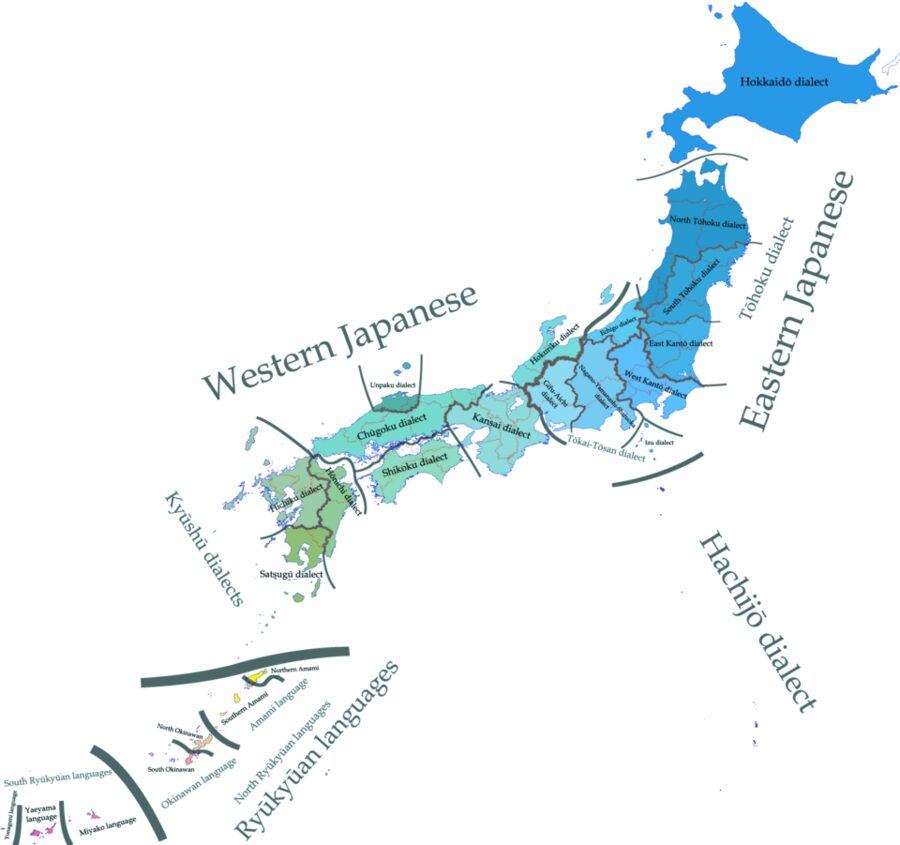

The east and west split is the one people notice. In 1908 a government language committee reported that if the country had to be cut in two, the line would run along the eastern borders of the old provinces of Etchu, Hida, Mino and Mikawa, roughly from Itoigawa on the Japan Sea down through the Northern Alps to the Pacific.
East of it you say ikanai for “don’t go”; west of it, ikan. East says iru for a person being somewhere, west says oru. Salty food is shoppai in the east and karai in the west, and “it’s raining” is futteru in Tokyo but futtoru in much of the west.
Tokyo itself is a slightly western island in the eastern sea. When Edo grew into the shogun’s city it took in merchants and words from Osaka (大阪) and Kyoto, so Tokyo says kowai for frightening and shiasatte for the day after tomorrow’s tomorrow, like Kansai. To suggest going somewhere, the old Kanto countryside said ikube; Edo said iko.
Yanagita’s rings, the theory of hogen shukenron (方言周圏論), got a second outing in 1990, from a comedy show. A viewer of the Osaka programme Tantei! Knight Scoop wrote in because he called his Tokyo wife aho in arguments and she called him baka, and both stung more than they should.
The reporter sent to find the aho and baka border found a third word, tawake, in Nagoya, and placed the aho and tawake line at Sekigahara. The full survey, sent to every municipal education board in the country, came back in 1991 with eighteen rings of words for “fool” around Kyoto.
Pitch accent: the part you hear first
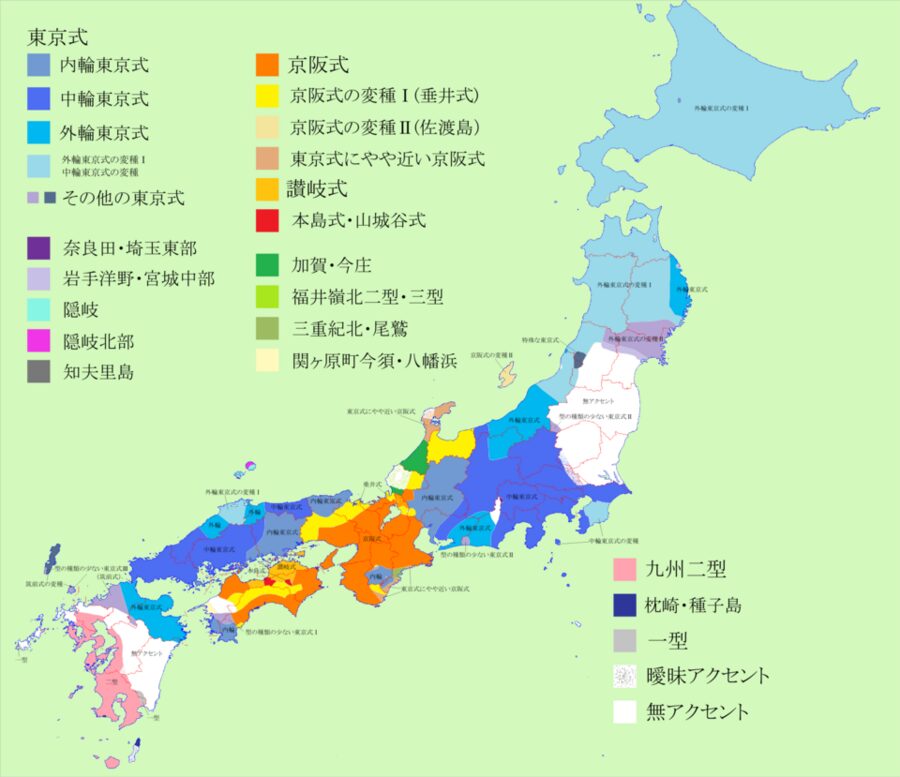
Japanese marks its words with pitch rather than stress, and the patterns differ from region to region more than anything else. The Tokyo pattern covers Hokkaido (北海道), northern Tohoku, western Kanto, most of Chubu, Chugoku (中国) and north-east Kyushu. The Kyoto and Osaka pattern covers most of Kansai and Shikoku. South-west Kyushu has a system with only two patterns for every word, and a belt from southern Tohoku into Ibaraki (茨城) and Tochigi, plus parts of central Kyushu, has no fixed word accent at all.
The textbook example is hashi. In Tokyo, chopsticks (箸) are HA-shi, high then low, and bridge (橋) is ha-SHI. In Osaka and Kyoto the two swap: chopsticks rise, bridge falls. Kansai also lengthens one-beat words, so a tree is kii, an eye mee and a mosquito kaa.

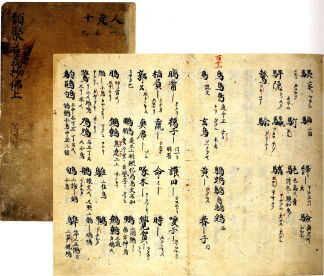
Kyoto’s accent is the oldest on record. A twelfth-century character dictionary, the Ruiju Myogisho (類聚名義抄), marked the pitch of words as spoken in the Heian capital, with five distinct classes of two-syllable nouns. Modern Kyoto has merged two of them; Tokyo has merged two more. Kindaichi and others argued that the Tokyo pattern grew out of something like the old Kyoto one, not the other way round, which makes Tokyo’s accent the newcomer.
How Tokyo speech became the standard
For most of Japanese history the prestige speech was Kyoto’s, and the written language was a classical style that nobody spoke. When the Jesuit João Rodrigues wrote his grammar of Japanese, Arte da Lingoa de Iapam, published in Nagasaki (長崎) from 1604, he described eastern speech from Mikawa onwards as rough and clipped, swallowing its syllables.
He listed its habits: -bei for intention, -nai instead of -nu for the negative, and sa instead of e for direction, as in “going up sa the capital”. A proverb of the time put the whole country in one line: Kyo e, Tsukushi ni, Bando sa. Kyoto says e, Kyushu says ni, the east says sa.
The Edo period then froze the map. Travel between domains was controlled, and many dialect borders still follow the old domain lines, most sharply in Tohoku and Kyushu. In Aomori the boundary between Tsugaru-ben and Nanbu-ben falls between two coastal villages about a kilometre apart, exactly where the Tsugaru and Nanbu lords’ lands met.
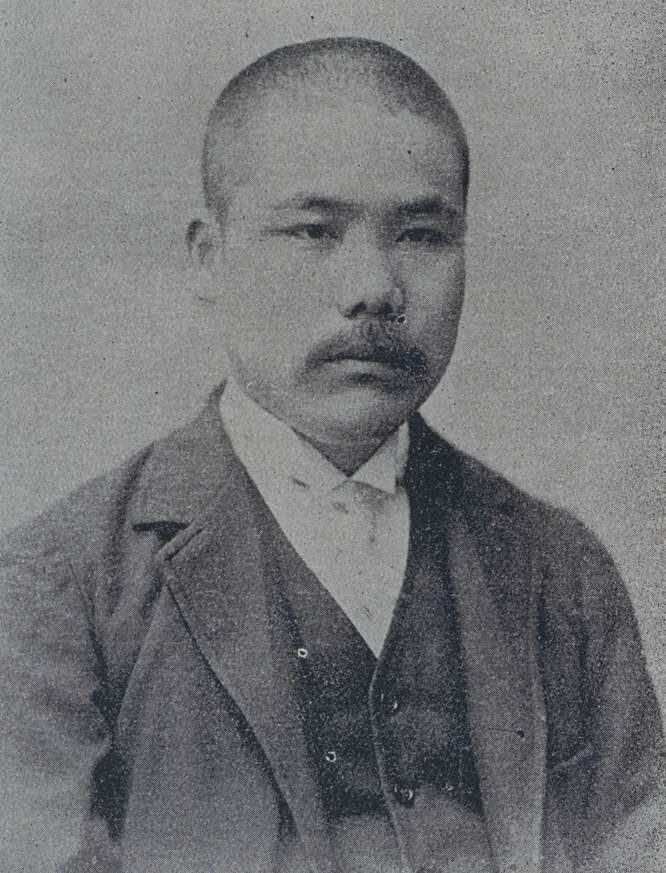
After 1868 the new government wanted one spoken language to go with one army, one school system and one national market. What won was the speech of educated families in Tokyo’s Yamanote, the hilly districts west of the castle where the young officials of the new state, many of them from the provinces, had settled. The novelists of the genbun itchi movement, writing fiction in the spoken language, gave it a literature.
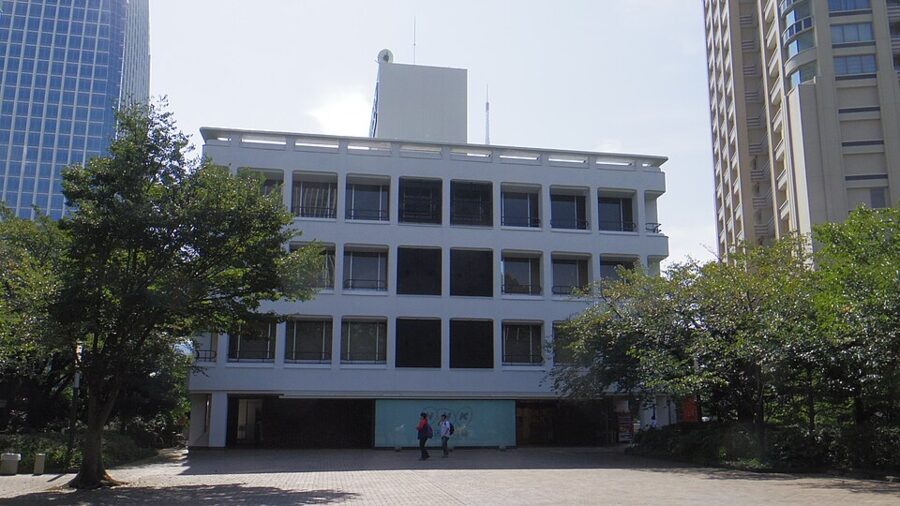
The state did survey the dialects. A national language committee set up in 1902 published reports on dialect sounds in 1905 and dialect grammar in 1906, then was wound up in 1913; much of its raw material burned in the Great Kanto Earthquake of 1923. Meanwhile the first state-issued school reader appeared in 1903, and the language of “the educated middle-class households of Yamanote” went into every classroom with it. In 1925 Tokyo began radio broadcasting, and a single voice reached every prefecture at once.

The dialect tag
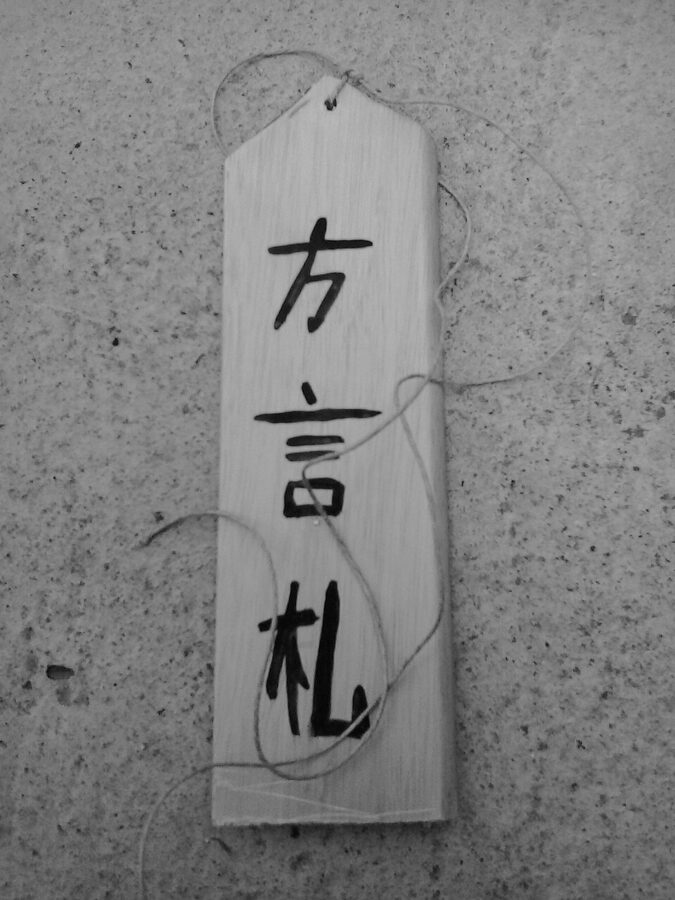
Teaching the standard turned into stamping out the alternative. In schools in Okinawa (沖縄), Tohoku and Kagoshima, a child caught speaking dialect could be made to wear a hogen-fuda (方言札), a wooden tag on a string, and could only pass it on by catching another child doing the same. In 1917 the head of Okinawa’s First Middle School issued a ban on dialect, and someone pinned a mocking verse to the school gate punning on his name.
The shame outlasted the tags. Until around the early 1970s, schools in many regions still taught standard Japanese with the explicit aim of correcting dialect, and the teenagers who rode the special employment trains from Tohoku and Kyushu to Tokyo factories in the boom years carried their accents as a handicap. Under American rule after 1945, Okinawans themselves pushed the standard, partly as a way of insisting they belonged to Japan. Parents across the country stopped passing their speech on to their children, and that decision, more than any policy, is why so many dialects are thin today.
Eastern Japan: Hokkaido, Tohoku, Kanto and Nagoya
Hokkaido
Hokkaido was settled from everywhere at once after the 1870s, and its inland speech levelled out into something close to the standard. The coast is different: fishing villages from Hakodate round to Matsumae were settled earlier from northern Tohoku, and their hama-kotoba, “shore speech”, can puzzle people from Sapporo. Words worth knowing are shibareru, the deep freezing cold that even NHK’s Hokkaido forecasters use on air, nageru for putting rubbish in the bin (it means “throw” in Tokyo), menkoi for cute and namara for very, a word that actually came from Niigata.
Tohoku
The northern dialects of Tohoku (東北) are the ones Tokyo comedians imitate and national television subtitles. Their best-known feature gave them the nickname zuzu-ben: shi and su, chi and tsu, ji and zu merge, so that sushi and susu (soot) sound alike. K and t between vowels go soft, so kaki (persimmon) is kagi. To keep mado (window) apart from mato (target), older speakers put a little nasal hum before the d.
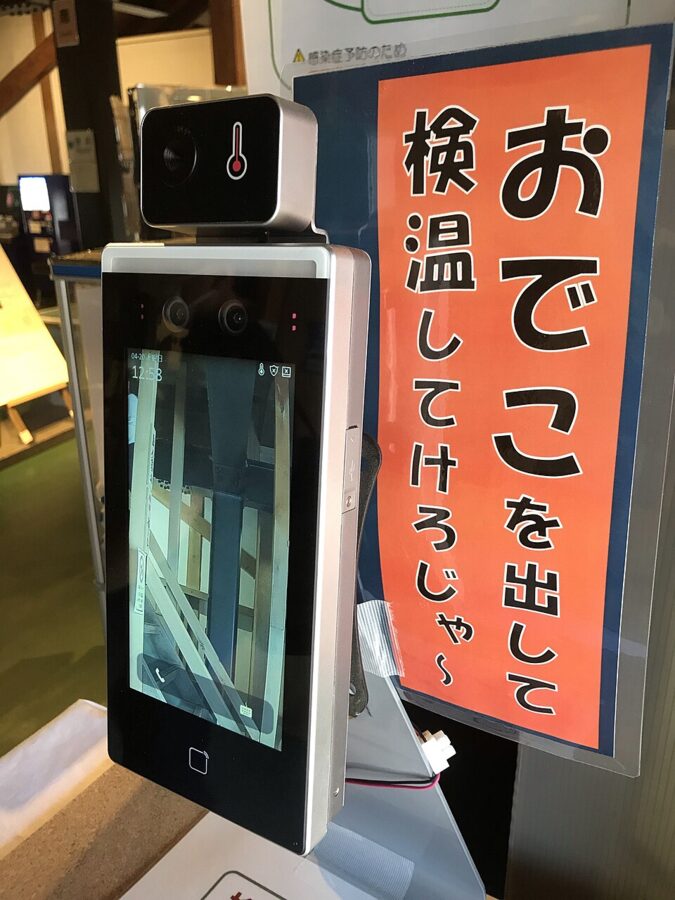
Grammar travels with the sounds. Tohoku and Kanto share -be for suggestions and guesses, from the classical beshi, and Tohoku uses past forms in ways the standard does not: in one Miyagi (宮城) town linguists have studied, adding an extra -tta to a past verb tells you the speaker saw it happen. On the Pacific side, in the Kesen district around Ofunato in Iwate (岩手), the doctor Yamaura Haruji wrote a grammar in 1986 treating the local speech as a language of its own, Kesen-go, and later translated the Gospels into it.
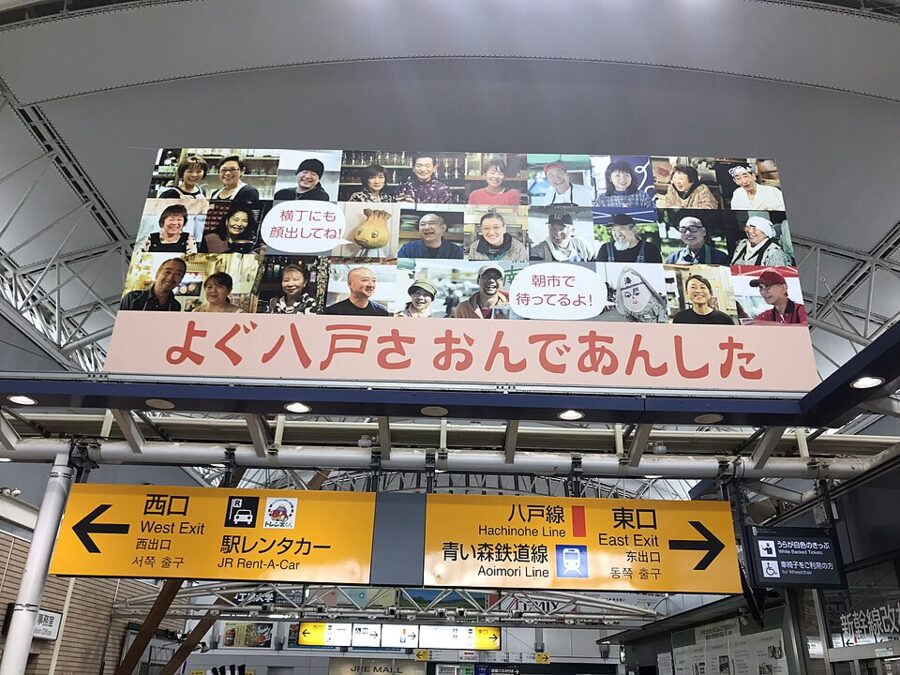
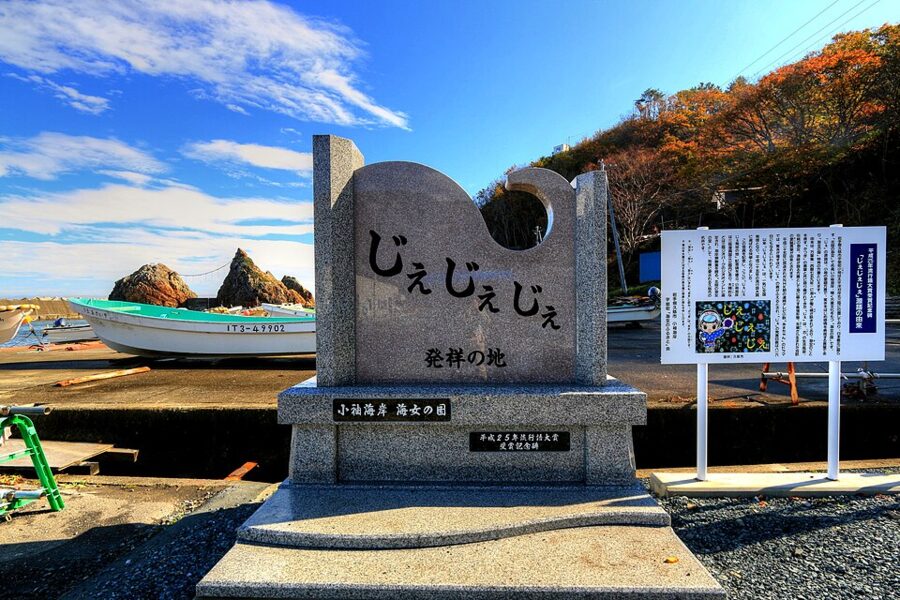
Further south the speech of Miyagi is Sendai-ben, with its sentence-ending daccha and gozain for “please come”. In 2013 a single interjection from the Iwate coast, jejeje, an exclamation of surprise from the Kosode district of Kuji, won the year’s national buzzword award after the NHK morning drama Amachan put it in the mouths of the women free-divers there.

Kanto and Tokyo
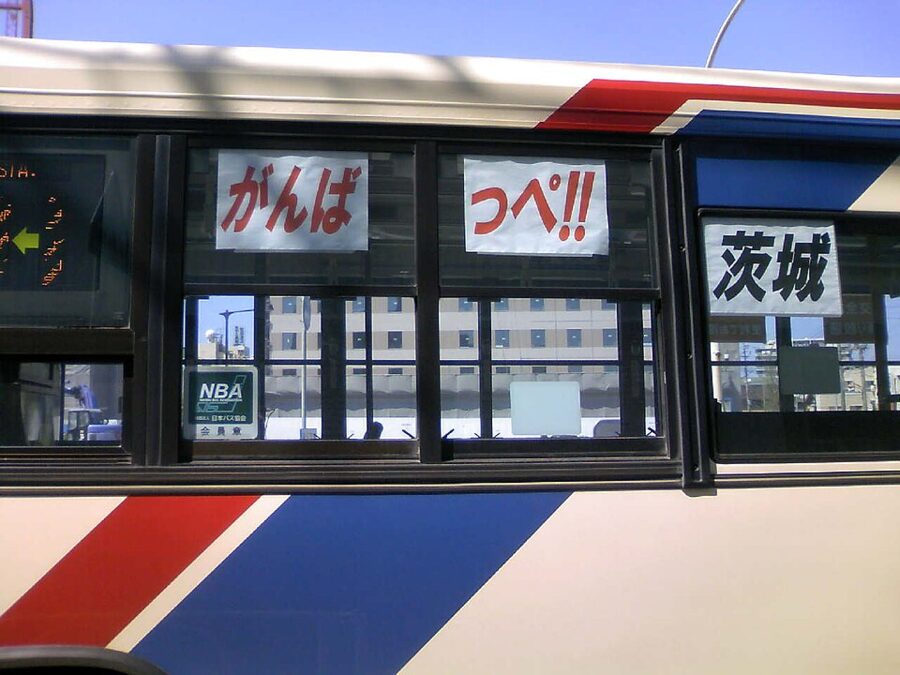
The countryside of Kanto (関東) still carries Rodrigues’ features. Ibaraki and Tochigi have no fixed word accent, which makes their speech sound flat to outsiders, and they say -ppe where Tohoku says -be: ganbappe, hang in there. Old downtown Tokyo, the shitamachi, turned ai into ee (itai, painful, becomes itee) and swapped hi for shi.

The newest Tokyo speech is a mixture linguists call the metropolitan dialect, and some of it came from the provinces. -jan, as in ii jan, “isn’t that good”, started around Nagano, Yamanashi, Shizuoka and Mikawa, reached Yokohama and spread from there to Tokyo and then across the country.
Nagoya and the middle
The speech of Nagoya, in Aichi (愛知), sits on the seam: a Tokyo-type accent with a lot of Kansai grammar. Its signature sound turns ai into a long flat vowel close to the one in English “cat”, so nai is written nyaa, and the city’s most quoted stereotype, ebi furyaa for fried prawn, comes from that. The real Nagoya words are dera (very), yattokame (long time no see), ketta (bicycle), hokaru (throw away) and tsuru, the verb Nagoya schoolchildren use for lifting and carrying their desks at cleaning time.
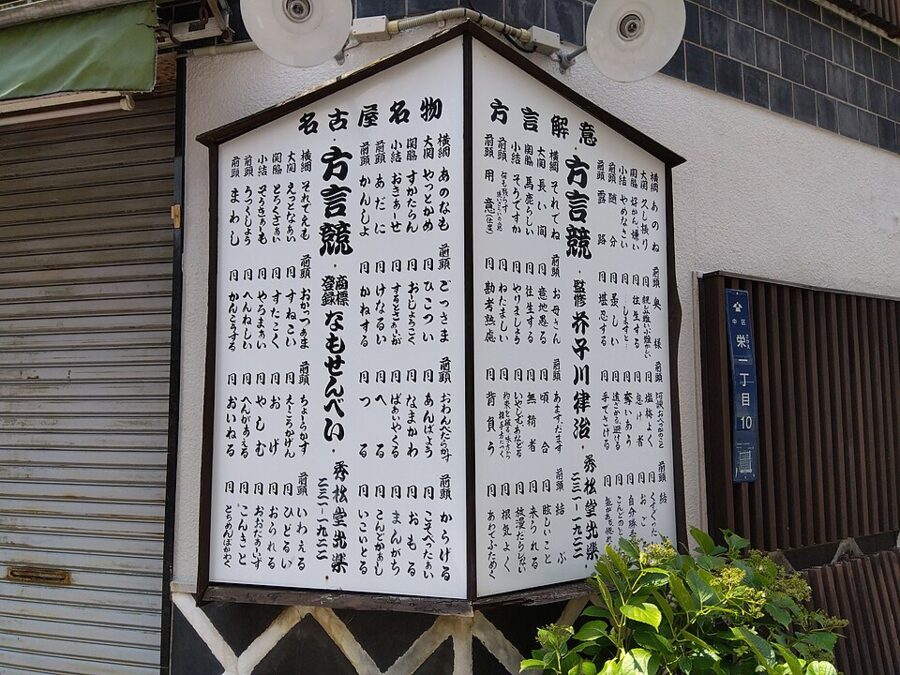

Those words are going fast. When a Nagoya television station tested twenty of them on a small group of residents in 2023, everyone over seventy knew and used all twenty, people under forty used about six on average, and among the under-twenties ketta and hokaru were close to gone. Elsewhere in Chubu, Nagano, Yamanashi and Shizuoka finish a guess with -zura, “I suppose”, a form that goes back to classical ramu.


Kansai-ben: the dialect on national television
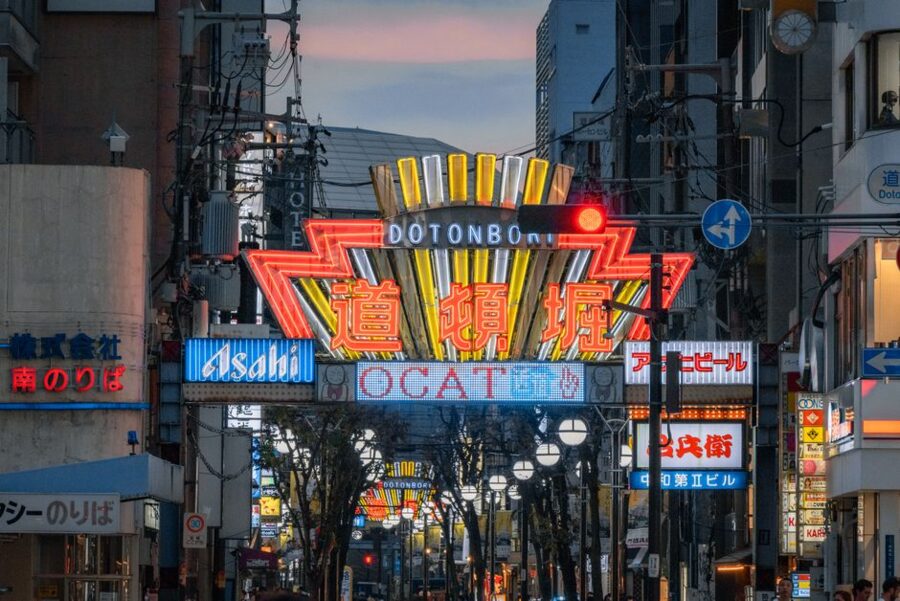
Kansai-ben (関西弁), the speech of Osaka, Kyoto, Kobe and the region around them, is the one dialect every Japanese person can imitate, and the one a learner is most likely to meet. Kansai has more people than any region except Kanto, which helps. So does history: Kansai was the political and commercial centre for most of the last millennium, and its people never accepted that their speech was a provincial variety of Tokyo’s.
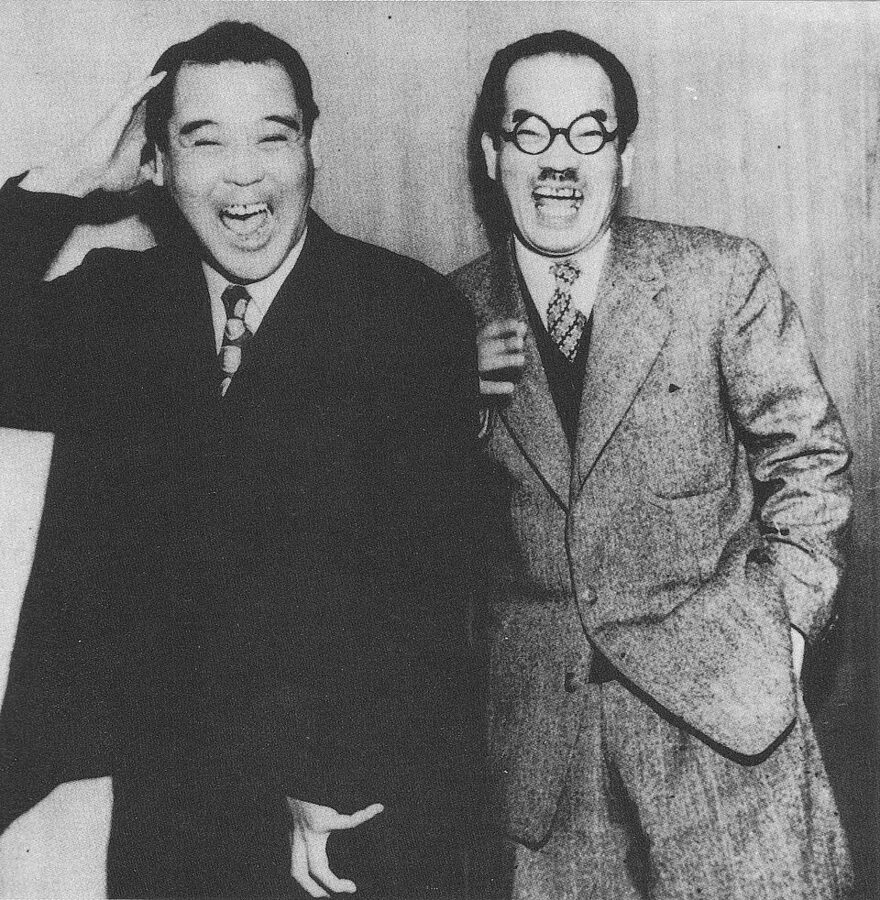
Television did the rest. Osaka’s manzai double acts were national stars on radio by the 1930s, Kansai comedy shows filled postwar TV schedules, and the manzai boom of the early 1980s sent Osaka comedians into Tokyo studios, where they kept their accents. Local stations in Kansai still let presenters and even NHK announcers chat in dialect, which almost nowhere else does. The cost was a stereotype: Kansai-ben became the voice of the comic, the hustler and, after a run of postwar gangster films, the heavy.
What you will actually hear in Osaka starts with the copula. Tokyo’s da is ya (so ya, that’s right; yaro, probably), and sentences end in -nen and -de, as in suki ya nen, “I love it, you know”. The negative is -hen: Osaka says ikehen for “I’m not going”, while Kyoto and Kobe prefer ikahen, and in their mouths ikehen means “I can’t go”. “Isn’t coming” is kehen in Osaka, kiihin in Kyoto and, increasingly among younger speakers, kohen.
The core vocabulary is small: akan (no good, don’t), honma (really), meccha (very), chau (no, that’s wrong), nanbo (how much) and shindoi (worn out). Ookini is thanks, mostly from shop staff now, and maido, literally “every time”, is the shopkeeper’s greeting. The merchants’ greeting mokarimakka, “making any money”, with its reply bochi bochi denna, “so-so”, survives mostly as a joke.
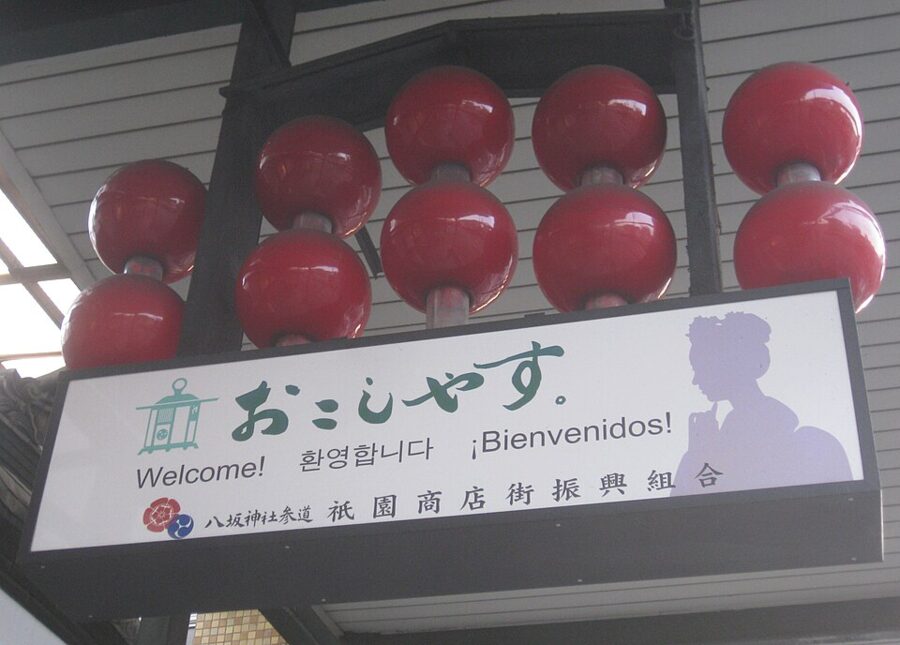
Respect in Kansai comes through -haru: sensei ga ikiharu, the teacher is going. Kyoto’s own speech is the soft-spoken one, with -dosu for desu and okoshiyasu and oideyasu for welcome. Both dosu and haru are younger than they sound, probably from the end of the Edo period, and dosu is now mostly heard in the geiko districts: in a survey in the early 1990s about half of people in their eighties said they used it, while more than half of teenagers had never heard it.

Kobe, at the western end, has its own twist. Like the rest of western Japan it separates an action in progress from a finished state: semi ga shiniyo is a cicada dying, semi ga shindo a cicada already dead, a distinction Osaka has lost. Kobe’s honorific is -te ya rather than -haru.
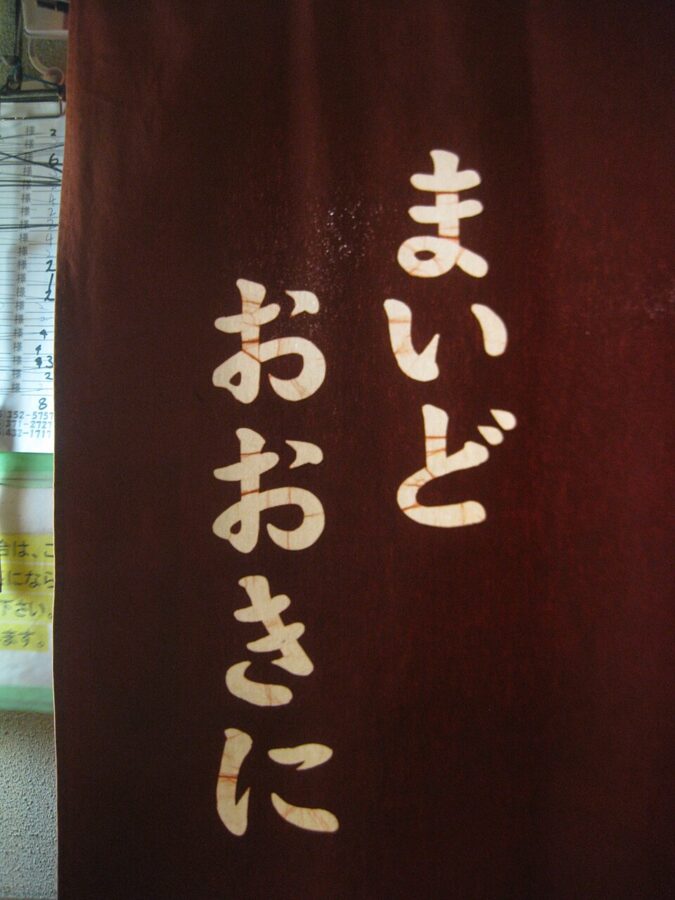

A warning for learners: Kansai people are quick to hear fake Kansai-ben, and the wrong accent on a borrowed nande ya nen, the straight man’s “why on earth”, grates. Understand it; save performing it for after a year of living there.
West and south: Chugoku, Shikoku and Kyushu
Chugoku
Across Chugoku the copula is ja, the sound of old men in samurai films, and “because” is -ken or -kee. Hiroshima (広島) adds buchi for very and taigii for tiresome, and the western habit of splitting aspect is alive: ame ga furiyoru means it is raining now, futtoru that it has rained and the ground is wet. Hiroshima sent more emigrants abroad than any other prefecture, and its speech became the base of the Japanese spoken by the first generation in Hawaii.
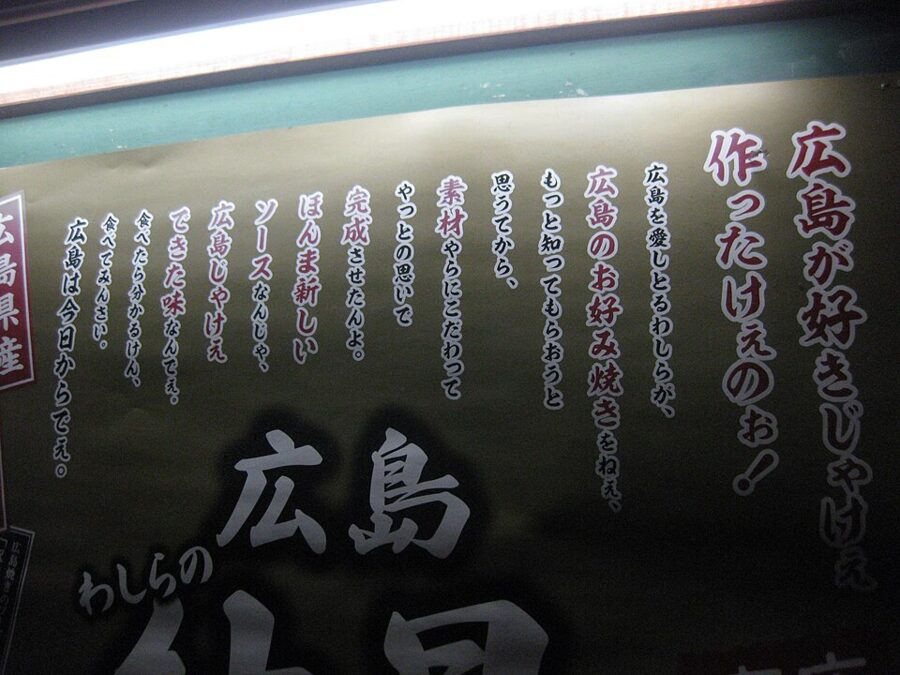

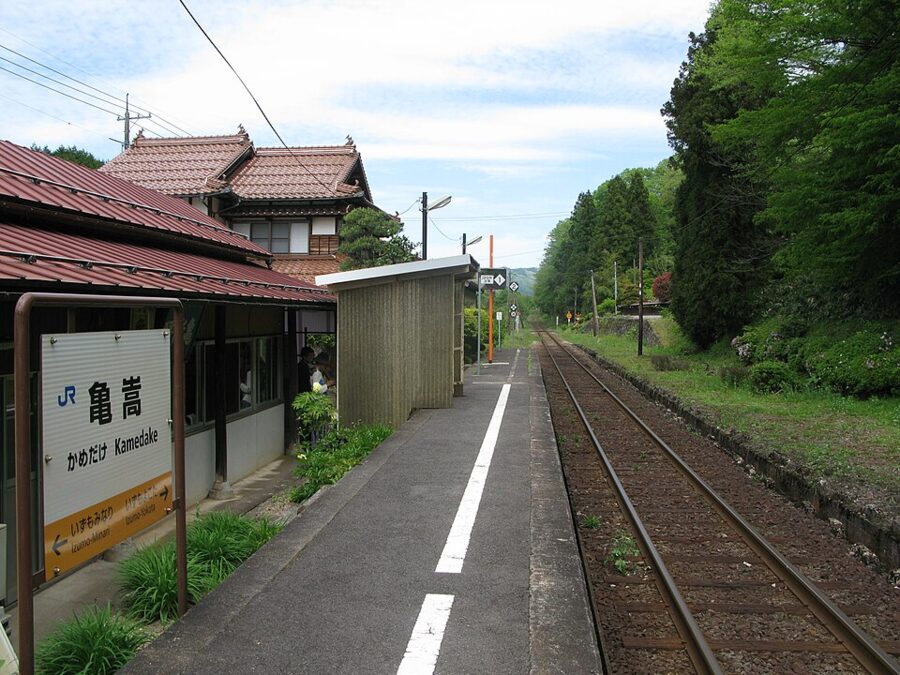
Okayama’s (岡山) word for very is deeree, worn down from doerai. On the Japan Sea side, the speech of Izumo in Shimane (島根) shares Tohoku’s central vowels and merged shi and su, a coincidence that hands Matsumoto Seicho’s crime novel Suna no Utsuwa (1961) its turning point: a murder victim heard talking “like a Tohoku man” turns out to have been a policeman from Kamedake, in the hills of Izumo.
Shikoku
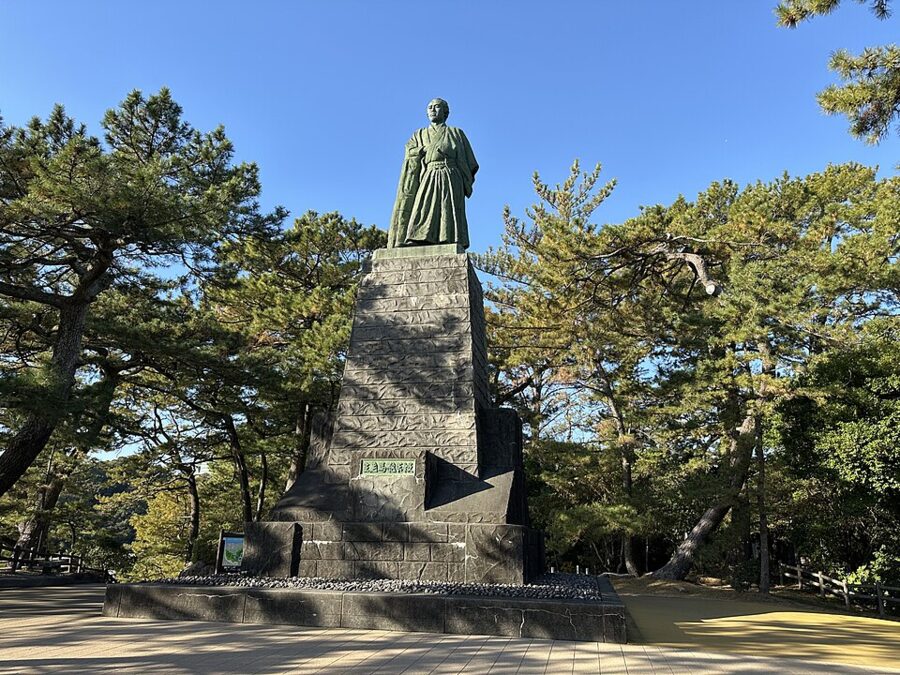
Shikoku mostly follows Kansai’s accent, and the mountains in its middle kept Kochi (高知) apart. Tosa-ben, the speech of Kochi, splits aspect with -yuu for “doing now” and -chuu for “done and staying done”, says -ki for because, and keeps sounds the rest of Japan lost: its oldest speakers still tell apart ji and di, zu and du, a distinction central Japanese dropped by the seventeenth century. Television dramas give Kochi characters -zeyo at the end of every line because Sakamoto Ryoma, the province’s famous son, is supposed to have talked that way; locals say -ga ya far more.


Kyushu
Kyushu has three dialect groups: Hichiku in the north-west, around Fukuoka (福岡), Saga, Nagasaki and Kumamoto; Honichi in the east; and Satsugu, the Kagoshima group, in the south. Hichiku speakers end adjectives in -ka rather than -i (yoka for good, samuka for cold), mark the object with ba, say batten for but and pronounce se as she, so a teacher is a shenshei. Hakata-ben in Fukuoka city adds questions ending in -to? and suitoo for “I like you”.
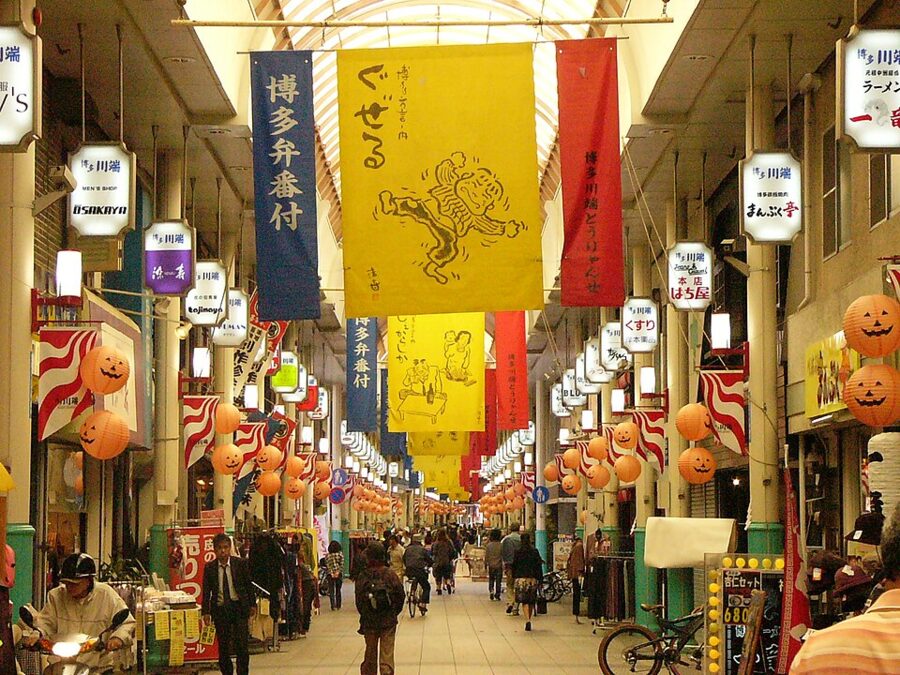

The emphatic bai and tai that television gives every Kyushu character are fading among young people in Fukuoka, who say -chan instead. In Kumamoto, a word most locals assume is standard Japanese is taped to primary-school classroom doors: atozeki, close the door behind you.
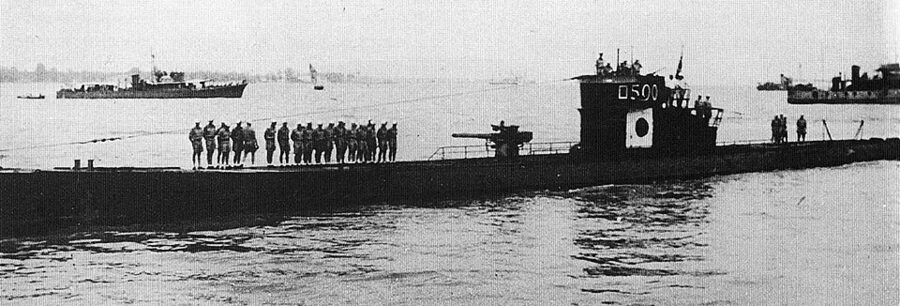
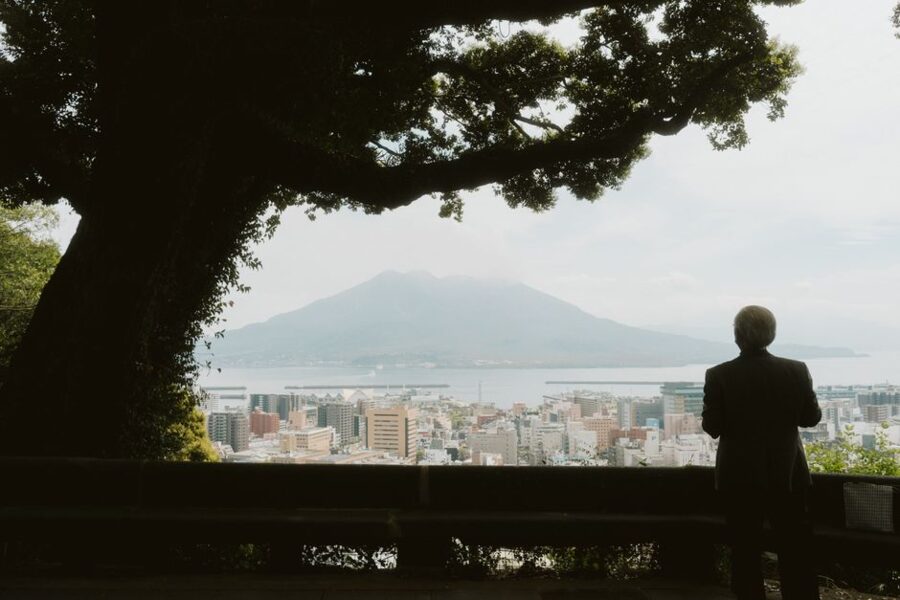
Kagoshima is the hardest mainland speech of all for outsiders. It drops final vowels wholesale, so that kaku (write) and kaki (persimmon) both come out as kat, and kubi (neck), kuchi (mouth) and kutsu (shoe) all collapse into kut. It counts in syllables rather than the beats the rest of Japan uses, and its accent has only two patterns. The story told in Kagoshima, and in histories of the German submarine U-511, is that in 1943 diplomats in Berlin and Tokyo discussed the boat’s voyage to Japan on the open telephone in fast Kagoshima-ben, and that American code-breakers took two months to work out what language it was.
Hachijo: the speech of the Man’yoshu, still spoken at sea
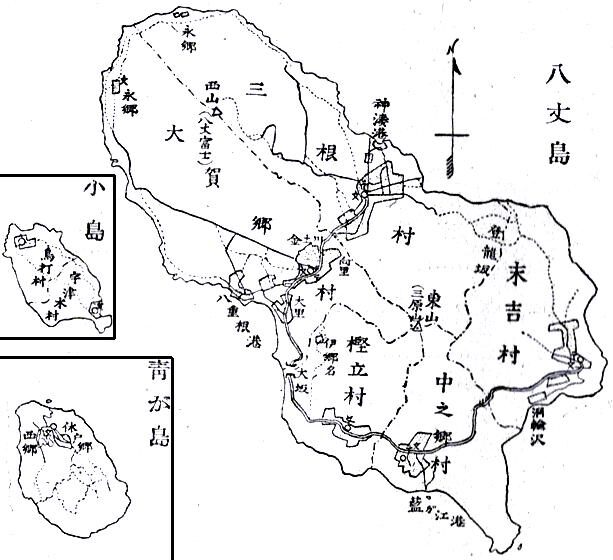
Nearly 300 kilometres south of Tokyo, beyond the Kuroshio current that made the crossing dangerous for centuries, the people of Hachijojima and Aogashima speak what they call simply shima-kotoba, island speech. It keeps features of the eastern Japanese recorded in the eastern songs and frontier guards’ poems of the eighth-century anthology Man’yoshu, features the rest of the east lost a thousand years ago.
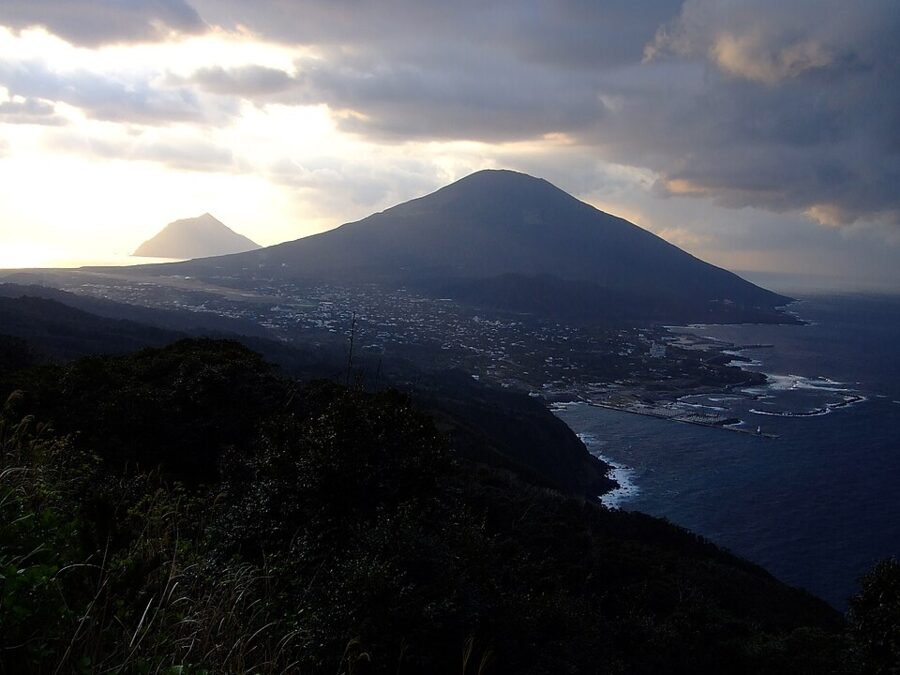

Where standard Japanese says iku toki, “when (you) go”, Hachijo says iko toki, and a high mountain is takake yama, both forms found in the Man’yoshu. “Wrote” is kakara, from an old perfect ending; “don’t write” is kakinnaka; and guesses end in -no, a descendant of classical namu. Hachijo has no fixed word accent. Settlers from Hachijo carried the speech to the Daito Islands east of Okinawa in the Meiji period, and it was the base of the mixed Japanese and English spoken by the Euro-American families of the Ogasawara Islands.
UNESCO listed Hachijo as “definitely endangered” in 2009, and the listing did what decades of quiet decline had not: it made islanders take an interest. Projects to pass the speech on have multiplied since, and the town’s board of education has put recordings of island speakers online.
The Ryukyuan languages, and Ainu
South of Kyushu the question stops being about dialects. The speech of the Amami Islands and Okinawa split from mainland Japanese before the eighth century, possibly much earlier, and drifted far enough that a Tokyo speaker hearing it for the first time would not take it for Japanese. In Japan it is still usually called Ryukyu-hogen, the Ryukyuan dialects. UNESCO, which does not distinguish, counted six endangered Ryukyuan languages in 2009: Amami, Kunigami, Okinawan, Miyako, Yaeyama and Yonaguni.
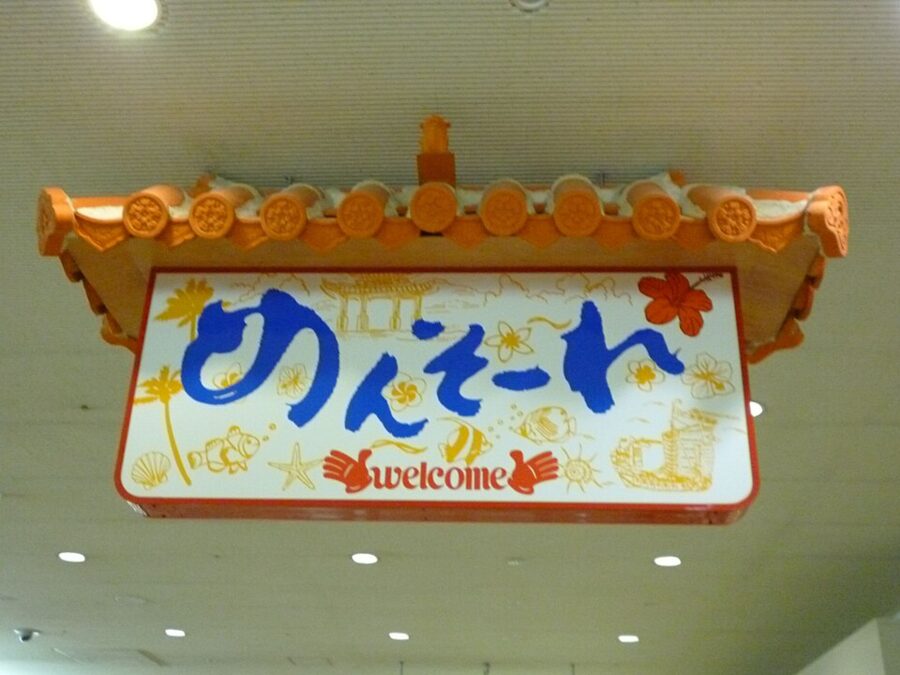

The differences are regular, which shows the family resemblance. Mainland o became u and e became i in Okinawan, so kumo (cloud) is kumu and ame (rain) is ami, leaving three short vowels. Some southern islands kept a p where the mainland has h, a sound mainland Japanese itself seems to have had in its earliest stage. Even within the chain, northern and southern Ryukyuan cannot understand each other, and island differs from island and village from village.
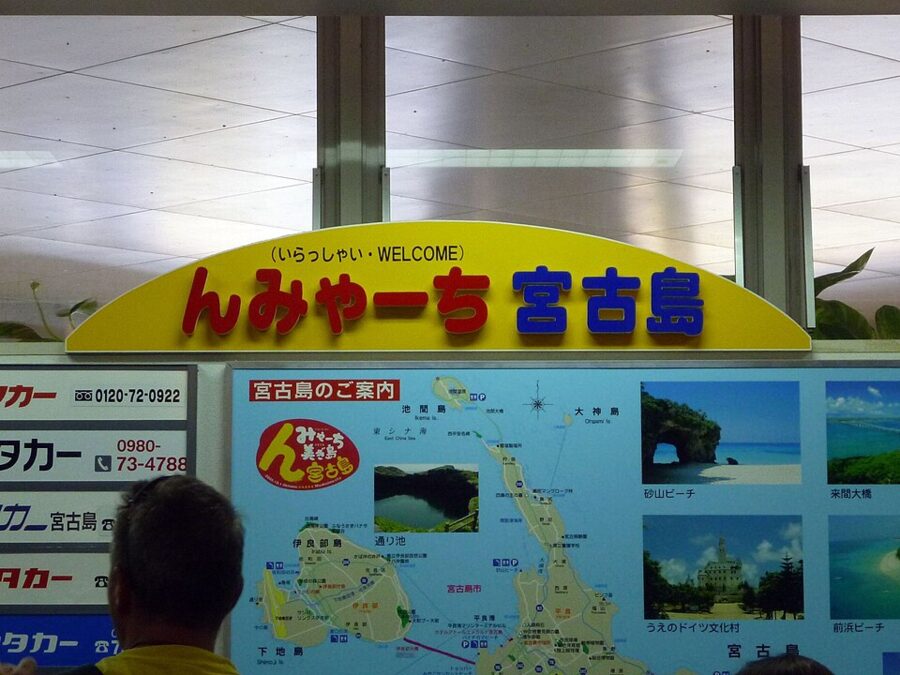

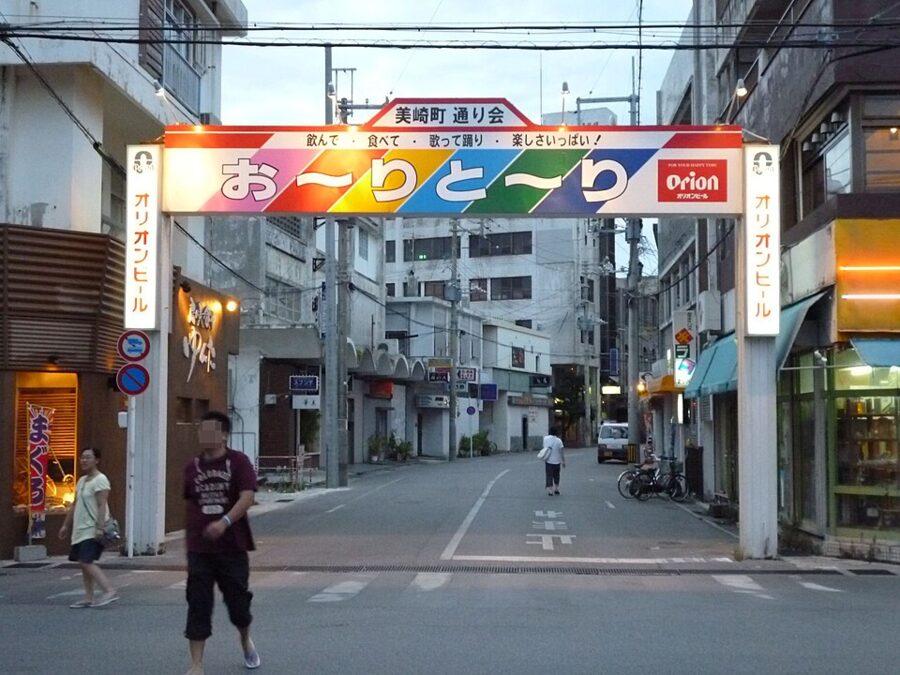

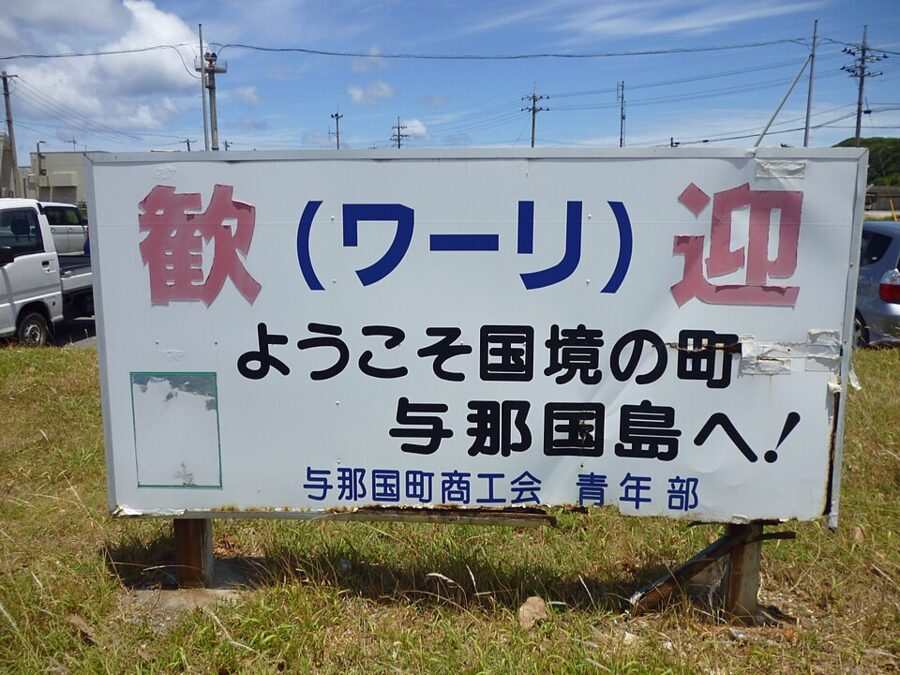

The history of how these languages rose with the court at Shuri and were pushed down after 1879 belongs with the Ryukyu Kingdom. Most Okinawans born after the postwar baby boom grew up speaking Uchinaa-Yamatuguchi, Okinawan Japanese, a regional Japanese with Okinawan words and grammar in it, rather than Okinawan itself. The prefecture made 18 September Shimakutuba no Hi, island-language day, by an ordinance of 2006, and in 2022 published a standard katakana spelling for each of its five language areas.
Ainu is a different matter entirely. The language of Hokkaido, Sakhalin and the Kurils is not related to Japanese at all, and UNESCO lists it as critically endangered; its story, and where it is being taught again, belongs with the Ainu themselves.
Dialects now
Traditional dialects are going, but not evenly. Vocabulary goes first: the Nagoya words, Kyoto’s dosu, words for things nobody uses any more. Grammar and accent hold out much longer, so a twenty-year-old in Osaka may never say ookini but still says ikehen, not ikanai. Some features survive because nobody notices them: people in western Japan say naosu for putting things away, and people in Hokkaido and northern Tohoku nageru rubbish, both convinced it is standard until they move to Tokyo.
New dialect forms keep appearing. The linguist Inoue Fumio named them shin-hogen, new dialects: forms young people spread without thinking of them as standard, like the -jan that moved east to Tokyo, or the western -nkatta that is replacing the older -nanda for “didn’t”.

The attitude has turned round. Once everyone could speak the standard, dialect stopped being a mark of being left behind and became a mark of being from somewhere. Young people in Tokyo in the 2000s borrowed bits of other regions’ speech for effect, which the linguist Tanaka Yukari calls hogen kosupure, dialect cosplay. TV dramas set outside Tokyo credit a dialect coach, and a Tsugaru speaker on national television still gets subtitles, but now as a selling point: a 2010 car advert built a whole joke on Tsugaru-ben being mistaken for French.
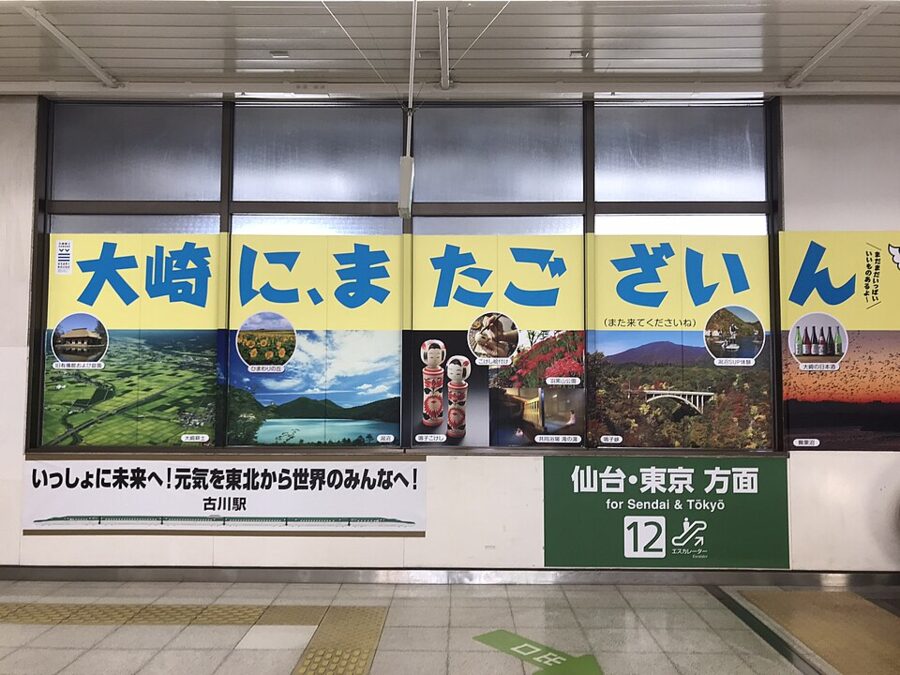
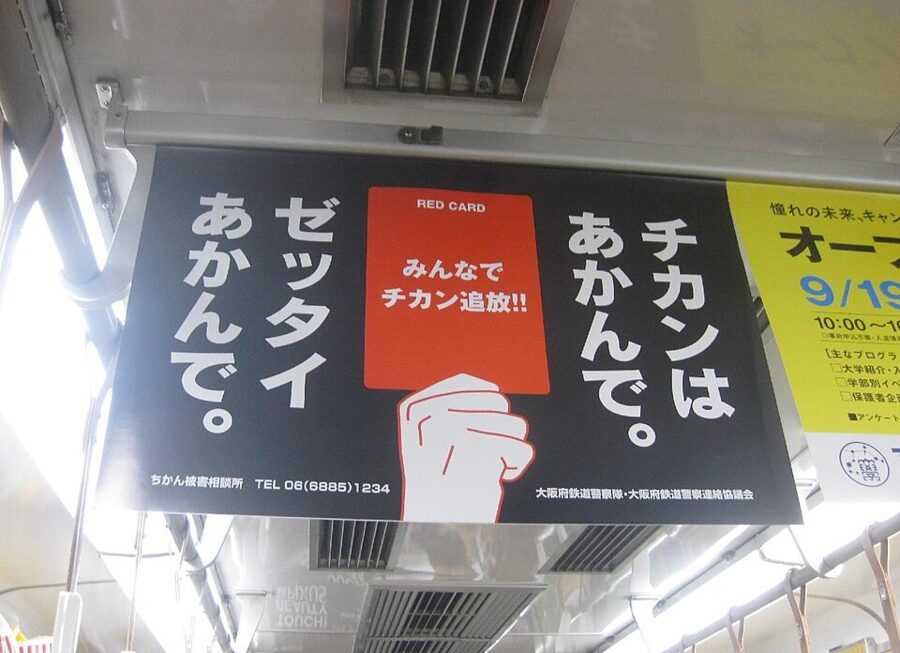
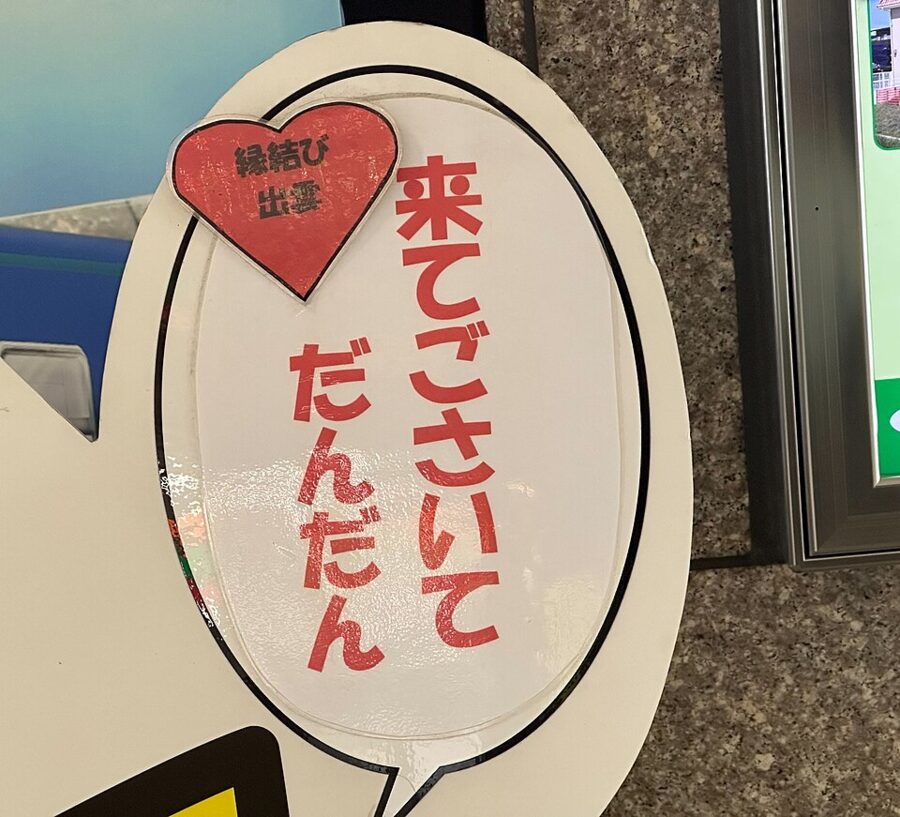
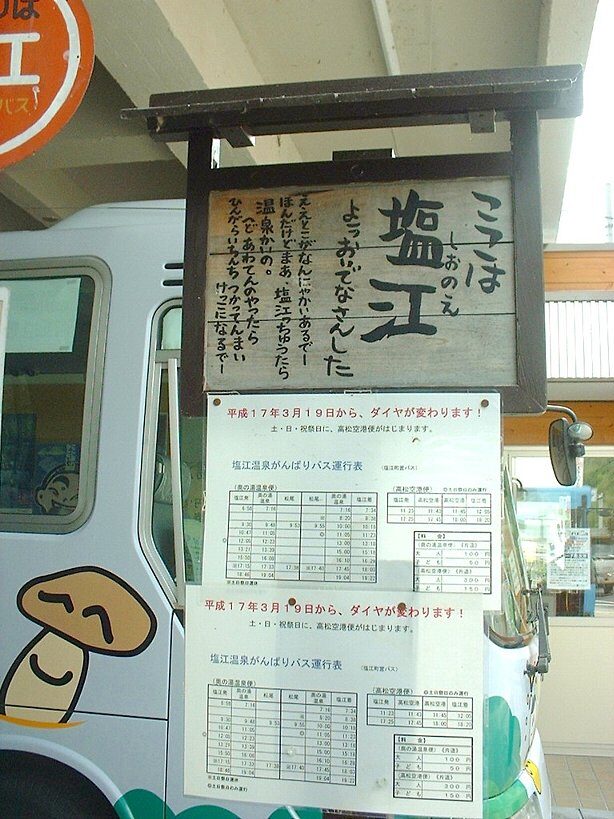
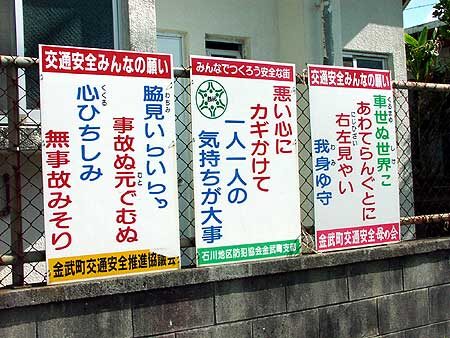
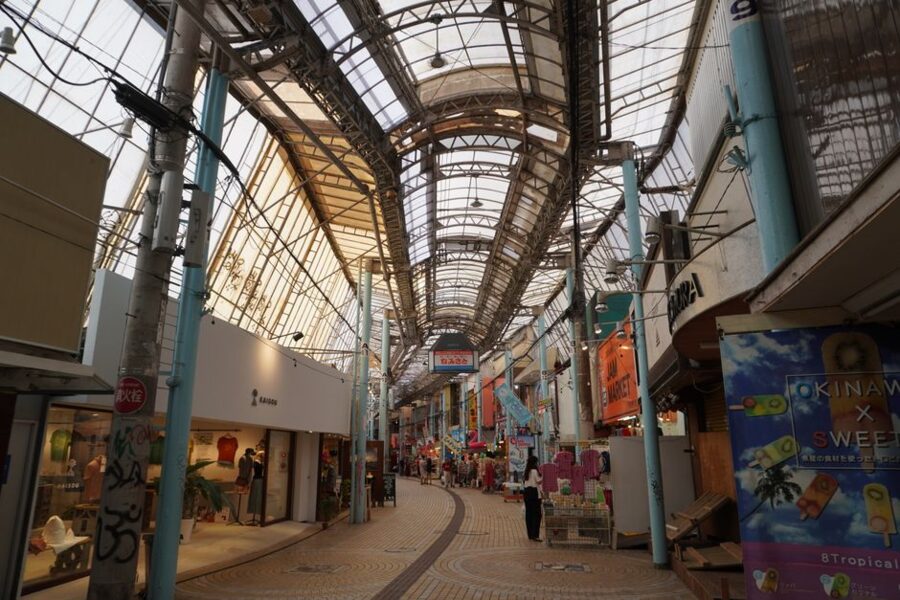
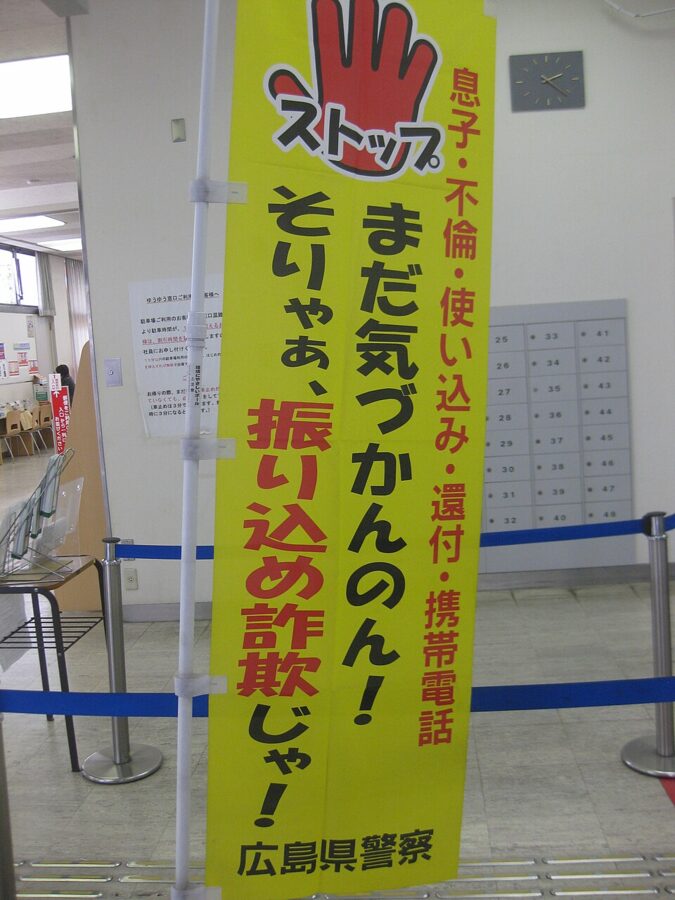
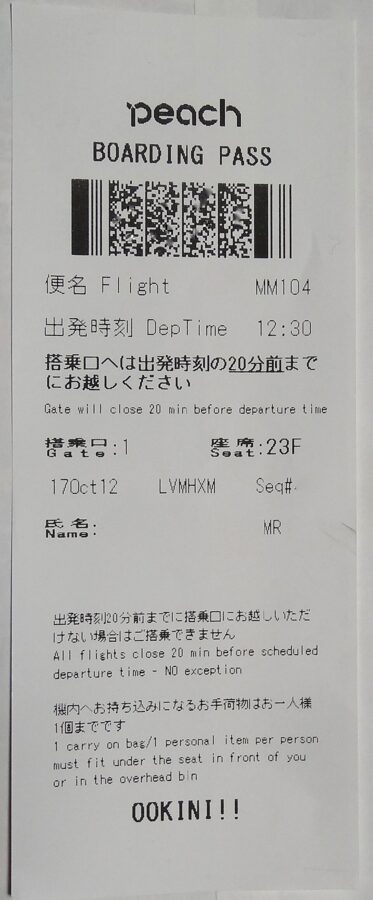
Tourism has followed. Stations, airports and shopping streets greet arrivals in local speech, safety posters use it because people read it, and Aomori celebrates Tsugaru-ben no Hi, Tsugaru Dialect Day, every 23 October, the death date of the dialect poet Takagi Kyozo, with readings and speeches in dialect, as it has since 1988. Peach, the low-cost airline based at Kansai Airport, printed OOKINI!! on its boarding passes.

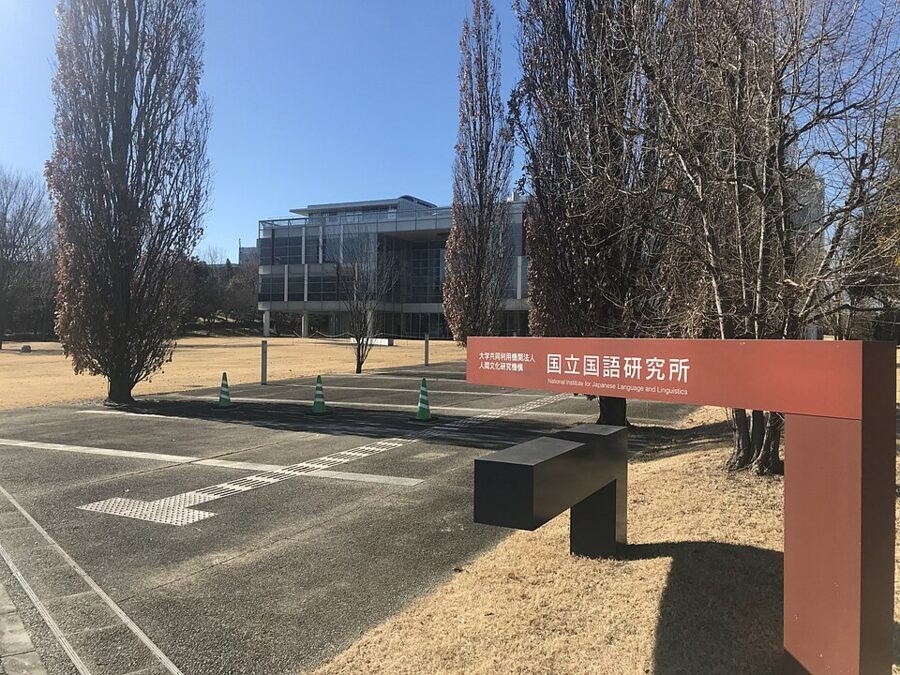
The National Institute for Japanese Language and Linguistics (国立国語研究所) surveyed some 2,400 places for its Linguistic Atlas of Japan between 1957 and 1965, when speakers born in the nineteenth century were still alive, and its maps are the baseline every later study measures against. Its recent work has turned to recording the endangered varieties, Hachijo and the Ryukyuan languages above all, while there is still someone to record.

What learners and visitors should do about dialects
Learn the standard. Every Japanese language course teaches it, the JLPT tests it, and almost every Japanese person can speak it, even those who never do at home. Nobody in Osaka or Kagoshima will think it rude that you use it; speaking a dialect you do not really have is far riskier. If you are choosing between Japanese language schools in different cities, the classroom language will be the same everywhere; what changes is what you hear on the bus home.
Recognising is a different matter, and a small amount goes a long way. These are the forms that cover most of what a learner hears outside Tokyo:
| Standard | Meaning | What you will hear instead |
|---|---|---|
| -nai (ikanai) | not | -hen, -n (Kansai, and -n across the west); -nee (Kanto) |
| da | is | ya (Kansai); ja (Chugoku, Shikoku, Kyushu) |
| daro | probably | yaro (Kansai); jaro (the west); -be (Tohoku, Kanto); -zura (Nagano, Yamanashi, Shizuoka) |
| kara | because | sakai (older Kansai); -ken, -kee (Chugoku, Kyushu); -ki (Kochi); hande (Aomori) |
| totemo | very | meccha (Kansai); dera (Nagoya); buchi (Hiroshima); deeree (Okayama); namara (Hokkaido) |
| dame | no good | akan (Kansai and much of the west) |
| iru | to be there | oru (the west) |
| suteru | throw away | hokasu, horu (Kansai); hokaru (Nagoya); nageru (Hokkaido, Tohoku) |
If you are going to live in a region, on a year abroad, a working holiday or a teaching post, let the local speech in through your ears and stay in the standard with your mouth for the first months. You will pick up the local “because” and “very” without trying, and people will be pleased when you do. When an older speaker loses you, saying sumimasen, mo ichido onegaishimasu almost always brings a slower, more standard repeat, since older speakers are used to switching.
To hear dialect on purpose, try a show at Namba Grand Kagetsu in Osaka for Kansai-ben at full speed, a local bus in rural Tohoku when the school run and the old women’s shopping trips overlap, or the market streets of Naha. Regional NHK news and local radio phone-ins are good places to hear the standard and the dialect trade places mid-sentence.
Or go back to where this began. The Tohoku Shinkansen takes you to Shin-Aomori, where the JR Ou Line runs on to Hirosaki, and both are covered by the Japan Rail Pass. Under the welcome sign, listen for the sa after a place name. It is the same sa Rodrigues heard in the east in 1604 and the proverb pinned on the Bando speakers, still marking where people are headed four centuries on, at the far end of the line from Tokyo.