

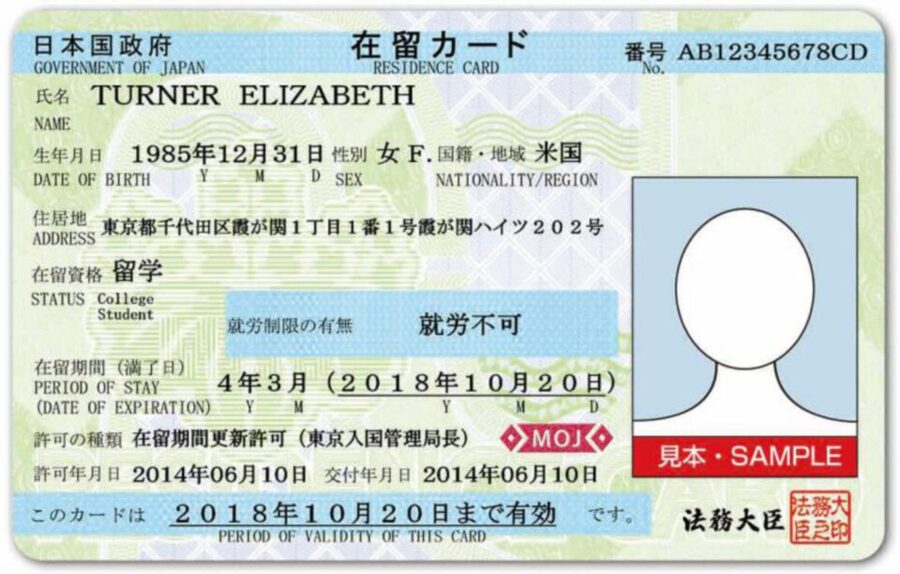
The immigration officer at Narita hands a working holiday maker a plastic card with a photograph on it and, in the box for status of residence, four kanji: 特定活動, tokutei katsudo, Designated Activities. It is the vaguest-sounding status Japan issues. For one year it lets you do what no tourist can: take a job.
Japan’s working holiday visa (the ministry writes it ワーキング・ホリデー, with a dot in the middle) is open to citizens of 33 countries and regions, the count on the Ministry of Foreign Affairs list dated 1 November 2026. You apply at the Japanese embassy or consulate in your own country while living there, normally aged 18 to 30 on the day the papers go in, and you get up to a year in Japan with permission to work to pay for the travelling. Bars, clubs, pachinko parlours and the rest of the adult-entertainment trade are off limits, and breaking that rule is grounds for deportation.

| Question | Short answer (November 2026) |
|---|---|
| Who | Citizens of 33 partner countries and regions, including Australia, New Zealand, Canada, the UK, Ireland, France, Germany, South Korea and Taiwan. There is no arrangement with the United States. |
| Age | 18–30 on the day you apply; South Koreans 18–25 unless an exception is accepted |
| Length | Up to one year from entry; Australians are admitted for six months first and extend inside Japan |
| How often | Once, or twice in a lifetime for ten partners under changes made between December 2024 and February 2026 |
| Where | The Japanese embassy or consulate covering your home address |
| Cost | Free for Australians and Canadians; where a fee applies it is the single-entry fee, about ¥15,000 in local currency since 1 July 2026 |
| Money | A bank balance set by each embassy, plus a return ticket or the funds to buy one |
| Work | Any lawful job except in bars, clubs, gambling halls and other businesses under the adult-entertainment law |
| On arrival | Residence card at the main international airports; register your address within 14 days; join health insurance and the pension |
The arrangement began with Australia on 1 December 1980, and the logic has not moved since: the young people of two countries get a long holiday in each other’s, and the work is there to pay for it. Every embassy says so in its own words, and the one in Canberra says it most plainly: people who mainly intend to work cannot apply. That order of priorities is checked once, at the application, through the travel plan you submit.
Once you are in, the rules loosen. The designation sheet in your passport allows paid work to the extent needed to supplement your travel funds and sets no weekly limit, unlike the 28 hours a week a student may work.
In this guide
Who can apply: the 33 partners
The list has grown one exchange of diplomatic notes at a time. Australia (1980), New Zealand (1985) and Canada (1986) came first; the newest three, Malta, Italy and Panama, all joined in 2026, Malta from 1 January and Panama from 14 October. The quota column is Japan’s annual cap on visas for that partner’s citizens, and it ranges from no limit at all to Iceland’s 30.
| Partner | Since | Visas a year |
|---|---|---|
| Australia | 1980 | No limit |
| New Zealand | 1985 | No limit |
| Canada | 1986 | 6,283 |
| South Korea | 1999 | 10,000 |
| France | 2000 | 1,800 |
| Germany | 2000 | No limit |
| United Kingdom | 2001 | 6,000 |
| Ireland | 2007 | 800 |
| Denmark | 2007 | No limit |
| Taiwan | 2009 | 10,000 |
| Hong Kong | 2010 | 1,500 |
| Norway | 2013 | No limit |
| Portugal | 2015 | No limit |
| Poland | 2015 | 500 |
| Slovakia | 2016 | 400 |
| Austria | 2016 | 200 |
| Hungary | 2017 | 200 |
| Spain | 2017 | 700 |
| Argentina | 2017 | 400 |
| Chile | 2018 | 200 |
| Iceland | 2018 | 30 |
| Czech Republic | 2018 | 400 |
| Lithuania | 2019 | 100 |
| Sweden | 2020 | No limit |
| Estonia | 2020 | 100 |
| Netherlands | 2020 | 200 |
| Uruguay | 2023 | 100 |
| Finland | 2023 | 200 |
| Latvia | 2023 | 100 |
| Luxembourg | 2024 | 100 |
| Malta | 2026 | 100 |
| Italy | 2026 | 500 |
| Panama | 2026 | 100 |
A capped quota is first come, first served. The embassy in London stops accepting applications once 6,000 visas have gone out in a Japanese fiscal year, which starts in April; the UK cap was 1,000 until it rose sixfold in April 2024.
Where you live counts as much as your passport
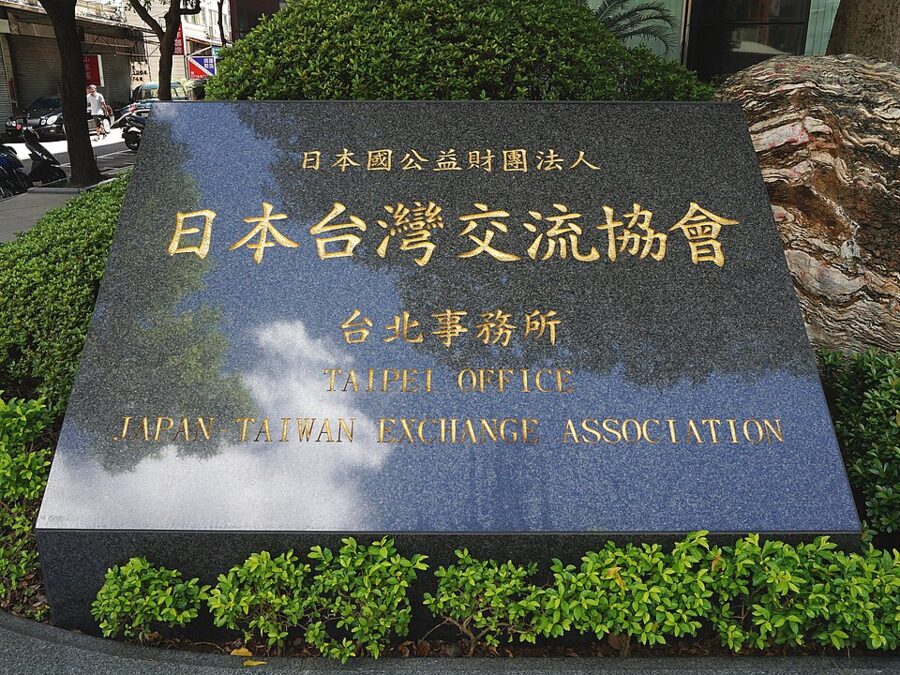
For most partners you must be living in your own country when you apply. An Australian working in London has to fly home to lodge the papers, and a New Zealander living in Australia cannot apply from Sydney; both embassies say so. Hong Kong residents need an HKSAR or British National Overseas passport, and people from Taiwan apply through the Japan-Taiwan Exchange Association in Taipei or Kaohsiung.

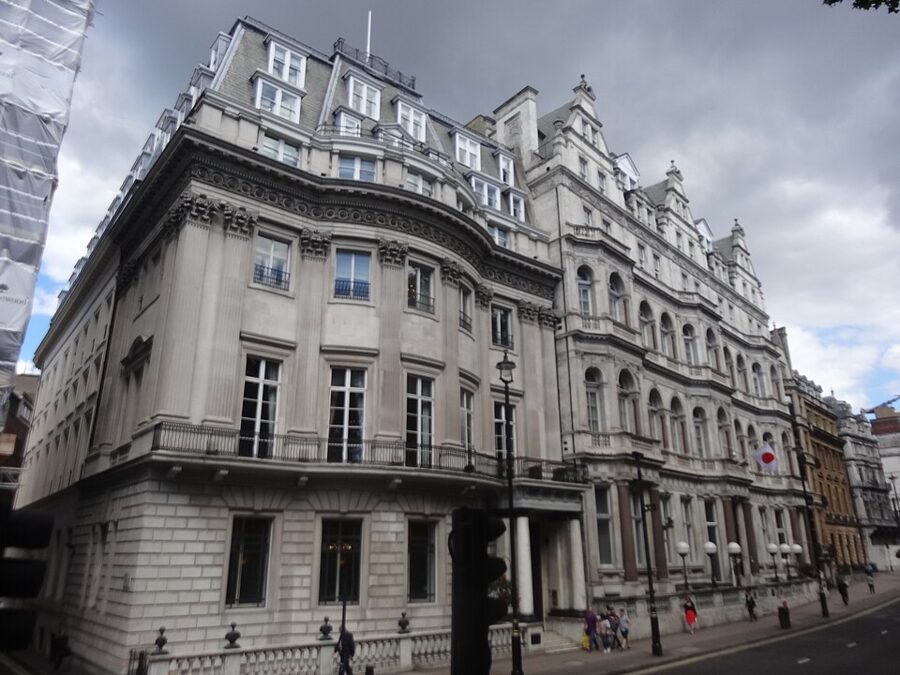
Germany is looser: Germans living abroad may still apply, at the embassy in Berlin, while those living in Germany must use the mission that covers their address. Couples can go together if each qualifies on their own account, but children and other dependants cannot come on the scheme.
Ages, and the second visa
The age rule is 18 to 30 inclusive on the day the application is received. A 30-year-old can therefore apply the week before turning 31 and fly in at 31, because the visa stays valid for entry for a year from issue. The ministry still writes the limit for Australia, Canada and South Korea as 18 to 25, stretching to 30 where both governments agree. Canberra now states 18 to 30 outright, but the embassy in Seoul keeps 25 as the rule and 30 as the exception.
Until late 2024 the visa was once in a lifetime for everyone. Since 1 December 2024 Canadians, Britons, New Zealanders, Danes and Austrians may take it twice; Germans, the Irish and Slovaks followed on 1 January 2025, South Koreans on 1 October 2025 and Taiwan on 1 February 2026. Canadians and Britons may take their two years back to back, while the others must go home between the two.
Applying from home
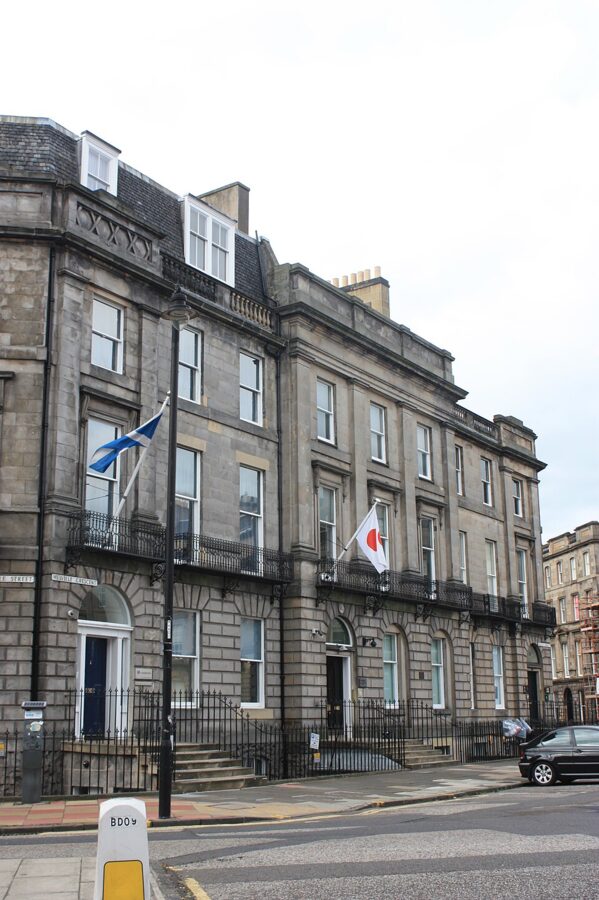
There is no online application for most partners. You take or post a paper file to the embassy or consulate whose district covers your address: applicants in Scotland and the far north of England go to the Consulate-General in Edinburgh, and Canadians apply to whichever of the embassy in Ottawa or the consulates in Vancouver, Calgary, Toronto and Montreal serves their province. South Koreans cannot apply at the counter at all, only through travel agencies the embassy in Seoul has designated.

The file is much the same everywhere:
- passport, plus the standard visa application form with a recent 45 × 35 mm photograph;
- a CV covering your education and work;
- a signed, typed cover letter of about a page on why you want the year (Wellington now warns that AI-written or copied letters are grounds for refusal or an interview);
- a month-by-month itinerary on the embassy’s own template;
- a bank statement covering about three months, in your own name;
- flight bookings, or the extra money for a ticket home.

The itinerary is where the holiday is tested. Canberra asks for the first six months in full, without entries such as “as above” or “unknown”, and suggests staying no longer than three months in any one place; Wellington wants no box that says only “sightseeing” or “skiing”. I’d write it as a real plan by region and season, with the best time to visit each one in mind.

How much money
Each embassy sets its own figure, in its own currency, and none of them converts it to yen.
In November 2026 the embassy in Canberra asked a single applicant for 2,500 Australian dollars with a paid return ticket, or 3,500 for a couple. Wellington wants 3,000 New Zealand dollars, 4,500 for a couple, and a further 1,000 if the ticket home is not yet bought. Seoul’s guide is about 2.8 million won. Credit card statements and loans do not count, and money moved in shortly before the statement date may bring a request for the account it came from.
Treat those sums as the minimum to be let in, not a budget. Your first month goes on a deposit or share-house fees, a phone, transport and food before any wages arrive.
Timing and fees
Canberra and Berlin accept applications up to a year before you travel, and Berlin wants them at least three weeks before. Processing takes a minimum of five working days in London and Berlin and a week in Canberra, longer in December, when missions close for the New Year. The visa is single entry.
Australians and Canadians pay nothing. Japan raised its consular fees on 1 July 2026 to about ¥15,000 for a single-entry visa, paid in local currency, and partners without a waiver, the UK among them, pay that standard fee. Canadians may also pay a private agency to lodge the application; the embassy in Ottawa lists five, and the Ministry of Foreign Affairs adds that it works with no organisation in Japan on the scheme, whatever an agency’s website implies.
The first fortnight: card, address, insurance
At immigration you hand over your passport with the arrival card or its Visit Japan Web code, and at Narita, Haneda, Kansai, Chubu and the other main international airports you leave with a residence card, the zairyu kado (在留カード). Carry it at all times. Stapled into your passport is the shiteisho (指定書), the designation sheet that spells out what your Designated Activities status allows; employers ask to see it, because the card itself only says you may work as the designation allows.
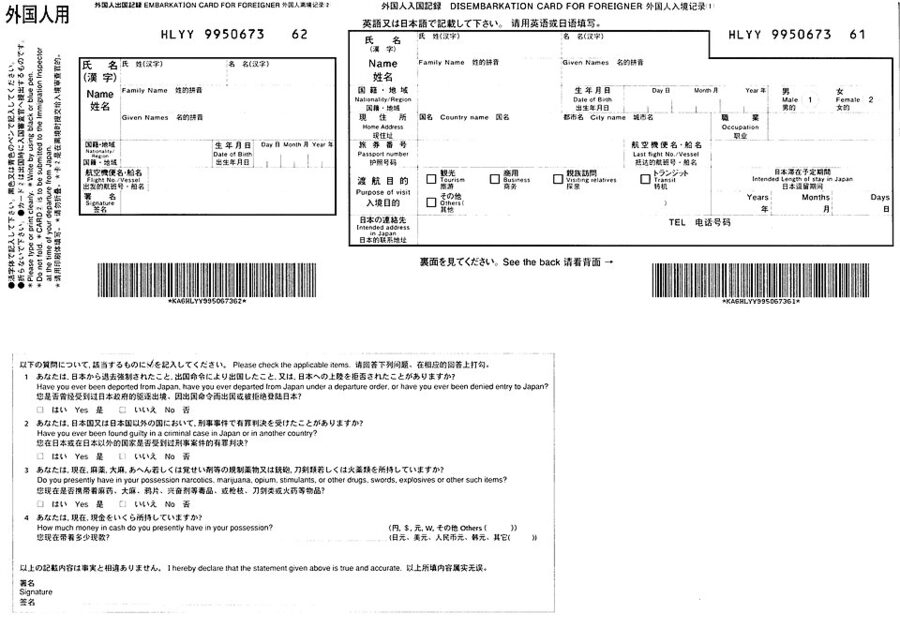

That box matters. The visa is single entry, so a weekend in Seoul without the permit cancels your status; with it, you come back on the same card as long as your period of stay has not run out.
Registering your address
Within 14 days of settling somewhere you must file a moving-in notification, the tennyu todoke (転入届), at the city, ward, town or village office. In Tokyo that is the ward office, the kuyakusho (区役所); in a ski town it is the town hall. Bring the residence card, on which the clerk records your address. A few weeks later your 12-digit Individual Number, the My Number, arrives by post, and employers and banks will ask for it.
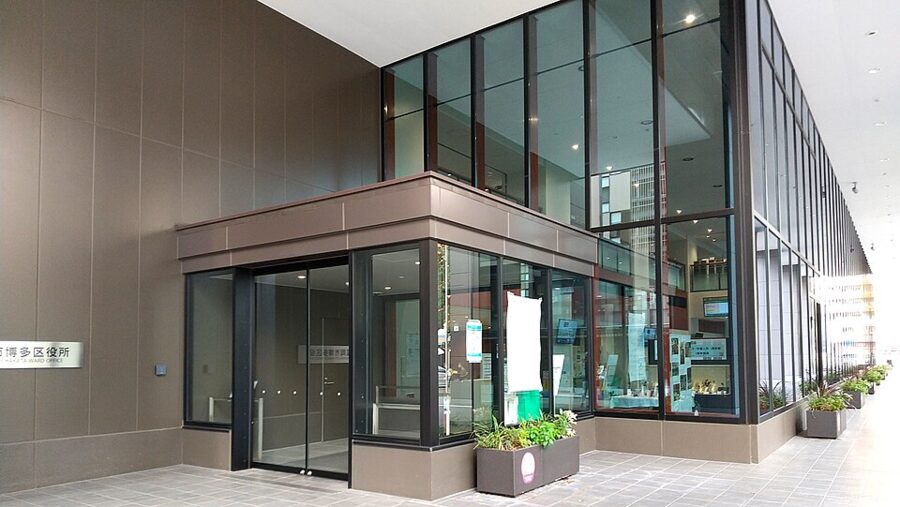

Every move repeats it: a moving-out notice at the old office, a moving-in notice at the new one within 14 days. Since cards issued from 14 June 2026 hold the address on a chip, some towns, Okutama in western Tokyo among them, now handle foreign residents’ moves at the main office counter only.
National Health Insurance
Anyone registered as a resident who is not covered by an employer’s scheme must join National Health Insurance, the kokumin kenko hoken (国民健康保険), at the same office. The Immigration Services Agency’s guidebook for new residents is explicit that the exemption for long-stay tourists does not extend to you. Insurance pays 70 percent of a doctor’s or hospital bill and you pay 30.
The premium is set by each municipality on a household basis from the previous year’s Japanese income, so a new arrival with none pays mostly the flat per-head charge, and a low-income reduction can cut that further once a simple income declaration is on file. The bill runs from the month you became eligible, not the day you signed up, so a late registration only brings back-dated premiums. The old insurance card stopped being issued in December 2024: you will receive a certificate of eligibility (資格確認書) or use a My Number card with insurance linked.
Keep your travel insurance as well. The embassy in Berlin points out that National Health Insurance does not cover every cost, and it pays nothing towards a medical flight home.
The pension
Everyone aged 20 to 59 living in Japan is enrolled in the National Pension (国民年金), and the flat contribution for the year from April 2026 is ¥17,920 a month. You can apply at the same counter for exemption, which is judged on the previous year’s income, and a new arrival’s Japanese income for that year is usually nil.
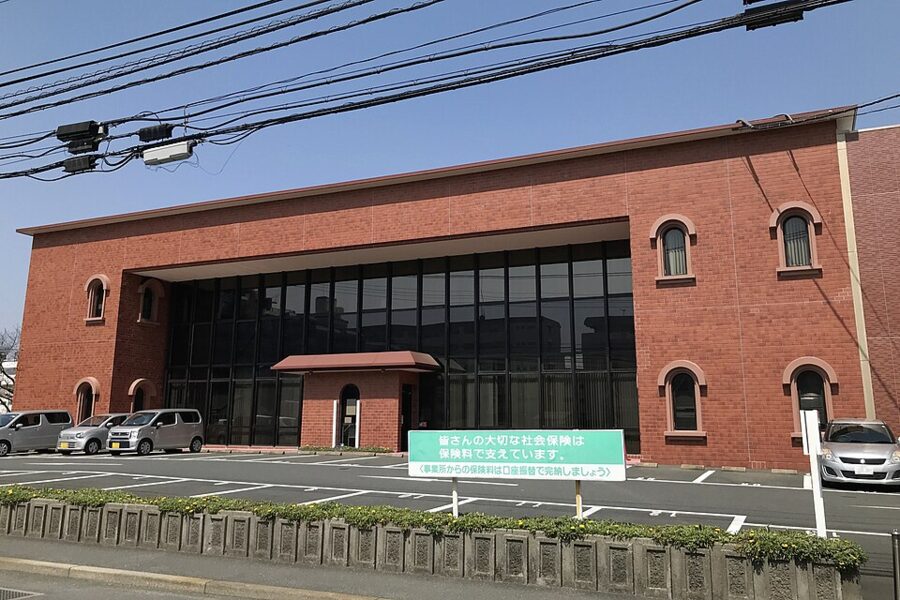

Contributions you do pay are not lost. A foreign national who has paid for six months or more, and leaves, can claim the Lump-sum Withdrawal Payment, the dattai ichijikin (脱退一時金), within two years of giving up a registered address. A full-time job expected to last more than two months normally puts you in the employer’s health insurance and employees’ pension instead, with the premiums split between you and the company and taken from your pay; the refund rule covers those contributions too.
A bank account and a phone
These two come in the wrong order. A mobile contract needs your residence card plus a Japanese bank card or a credit card to pay the bill, and a bank may want a Japanese phone number, a staff ID card or a colleague who comes along to help. Japan’s foreign-exchange rules also treat a foreign national as a non-resident for the first six months after entry, and some banks are reluctant to open ordinary accounts until then.
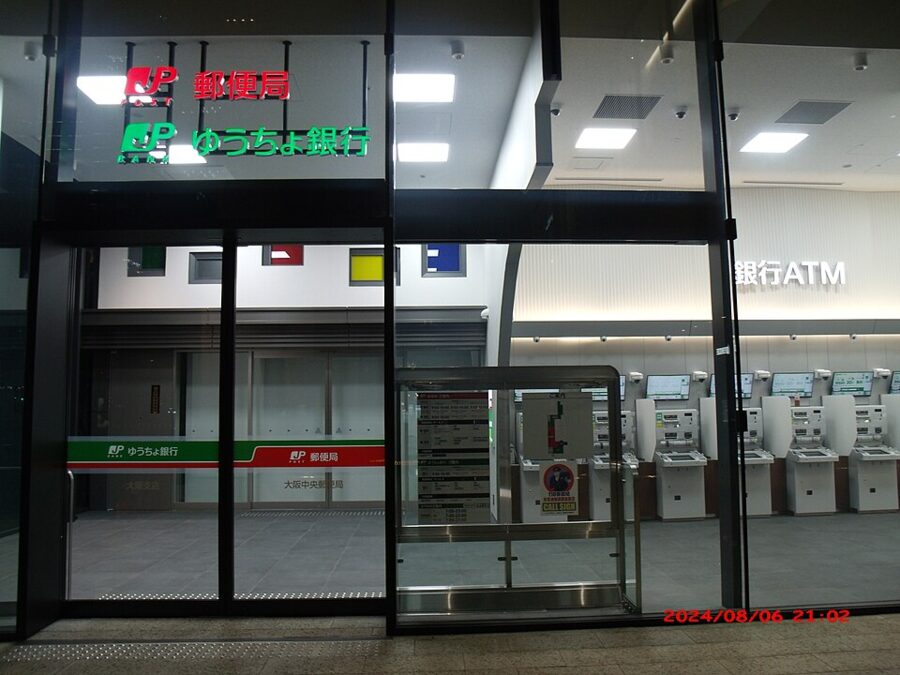
The usual way through is a data-only SIM or eSIM bought on arrival, then a Japan Post Bank account, then a proper contract. When you leave, close the account at any branch. The Immigration Services Agency’s guidebook warns that selling or handing over an account, even the cash card, is a crime carrying up to a year in prison.
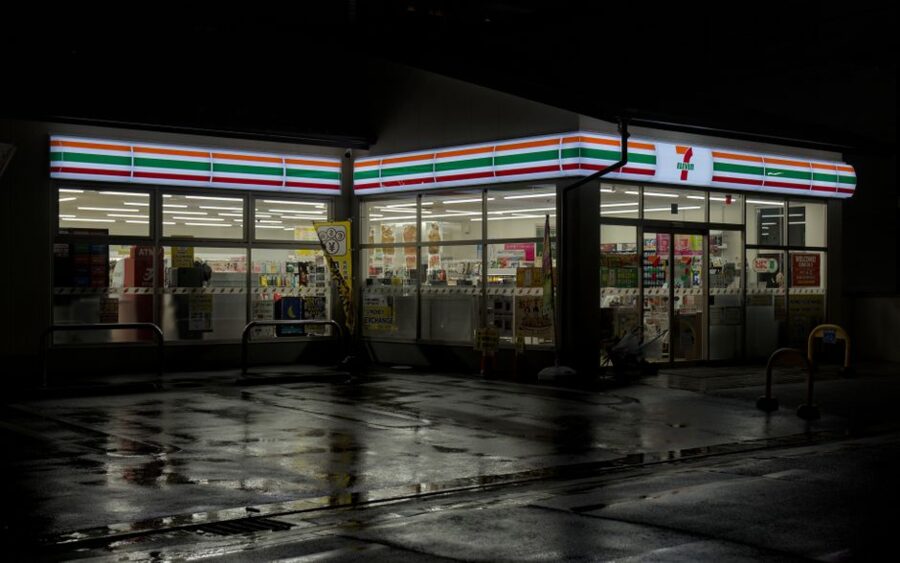
Work: the rules, the jobs, the pay
The one hard rule comes from the Act on Control and Improvement of Amusement Business, the fueiho (風営法). Working holiday makers may not work in bars, cabarets, nightclubs, dance halls, gambling premises or anywhere else the act regulates; the embassy in Canberra names pachinko parlours specifically, and the one in Wellington says some bar work and hostess work are out. The penalty is deportation, and the employer can be charged with promoting illegal work.
The surprise is how little else is excluded. A work visa such as Engineer/Specialist in Humanities/International Services normally needs a degree and an employer to sponsor it; this one needs neither, which is why people without degrees can spend the year teaching English, cooking or running a ski lift.
Where the jobs are
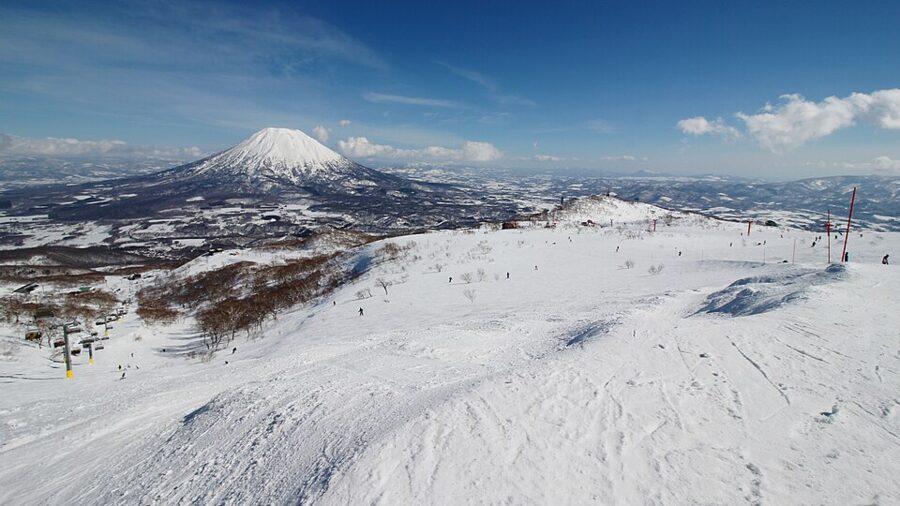
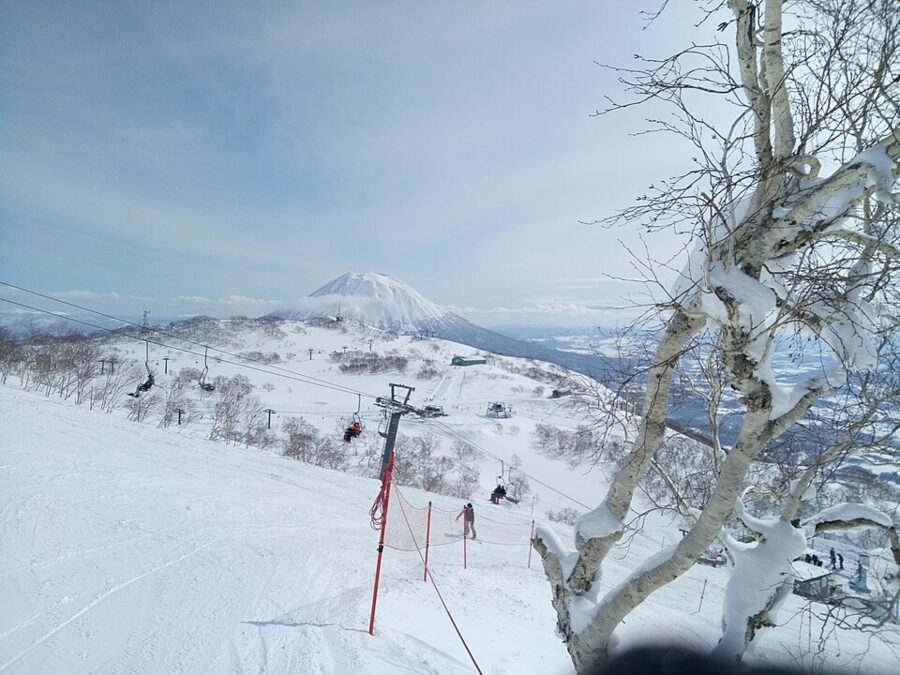
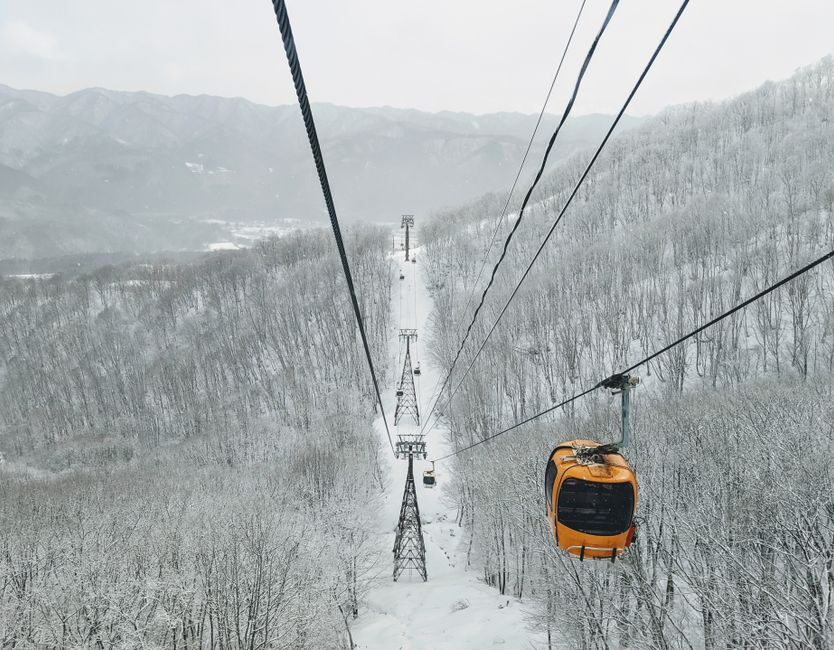
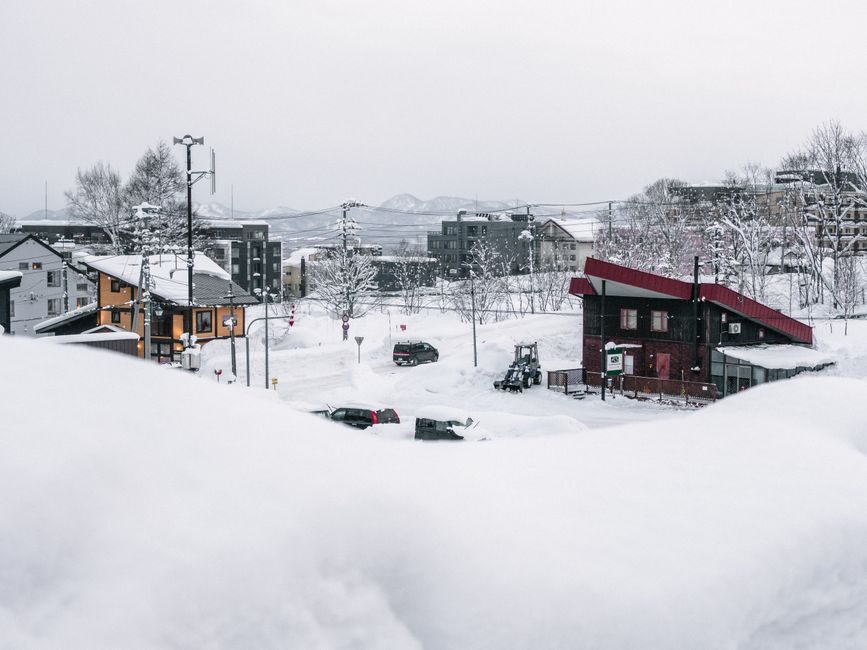
Winter is the biggest employer. The resorts of Hokkaido (北海道) around Niseko, and Hakuba in Nagano (長野県) in the Northern Alps of Chubu, hire for lifts, ski and snowboard rental, hotel front desks, housekeeping and kitchens, often with a bed in a staff dormitory, the ryo (寮), included. Japanese job boards call this rizoto baito (リゾートバイト), resort part-time work.

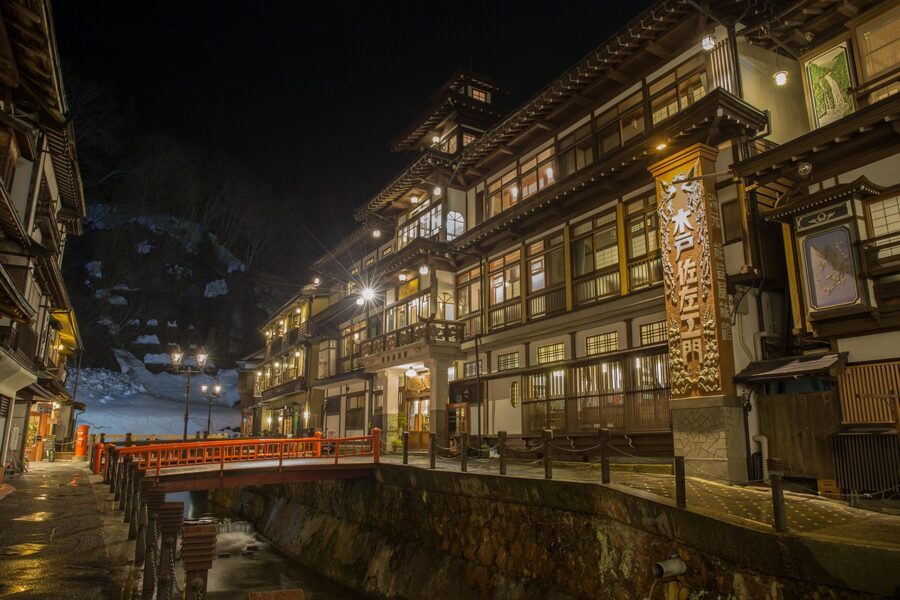
The ryokan, the traditional inns, hire in a similar way, especially in hot-spring towns: serving dinners, laying out futons, washing up.
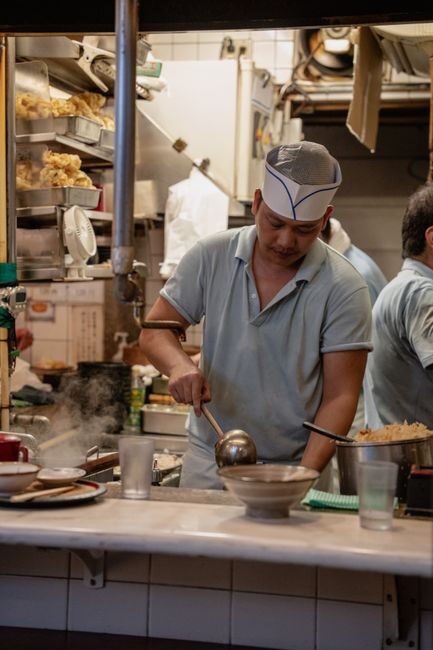
In the cities the work is in restaurants, cafes, hotels and hostels, and in English conversation schools, the eikaiwa (英会話). Schools in Tokyo and the rest of Kanto that hire on year-long contracts are a poor fit for a visa with months already used, so the realistic teaching work is part-time and hourly.
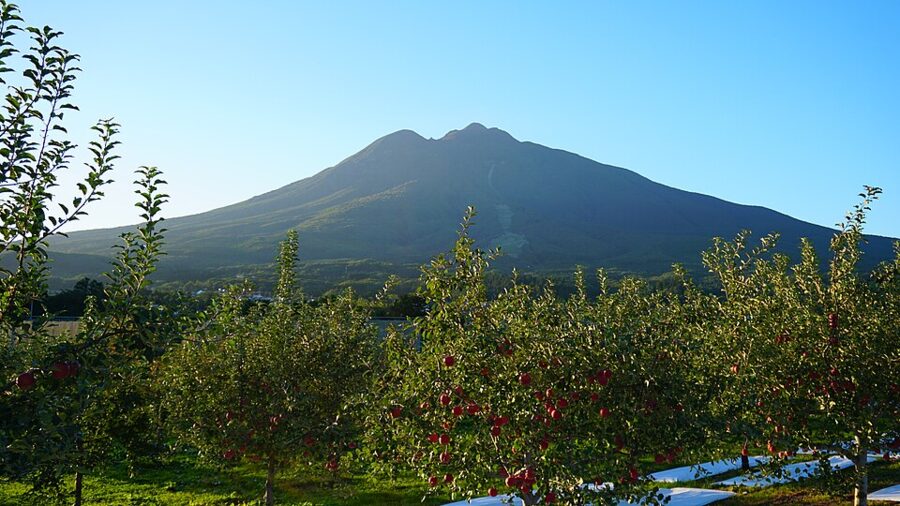
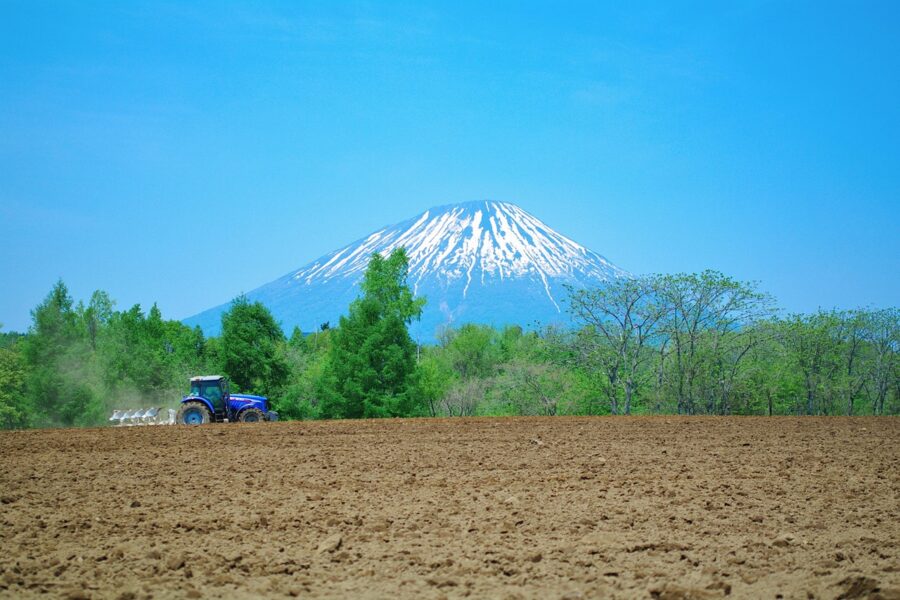
Farms take on extra hands at planting and harvest. The apple orchards of Aomori (青森県), at the top of Tohoku, pick through the autumn, and Hokkaido’s farms work flat out between the snows.

Finding work
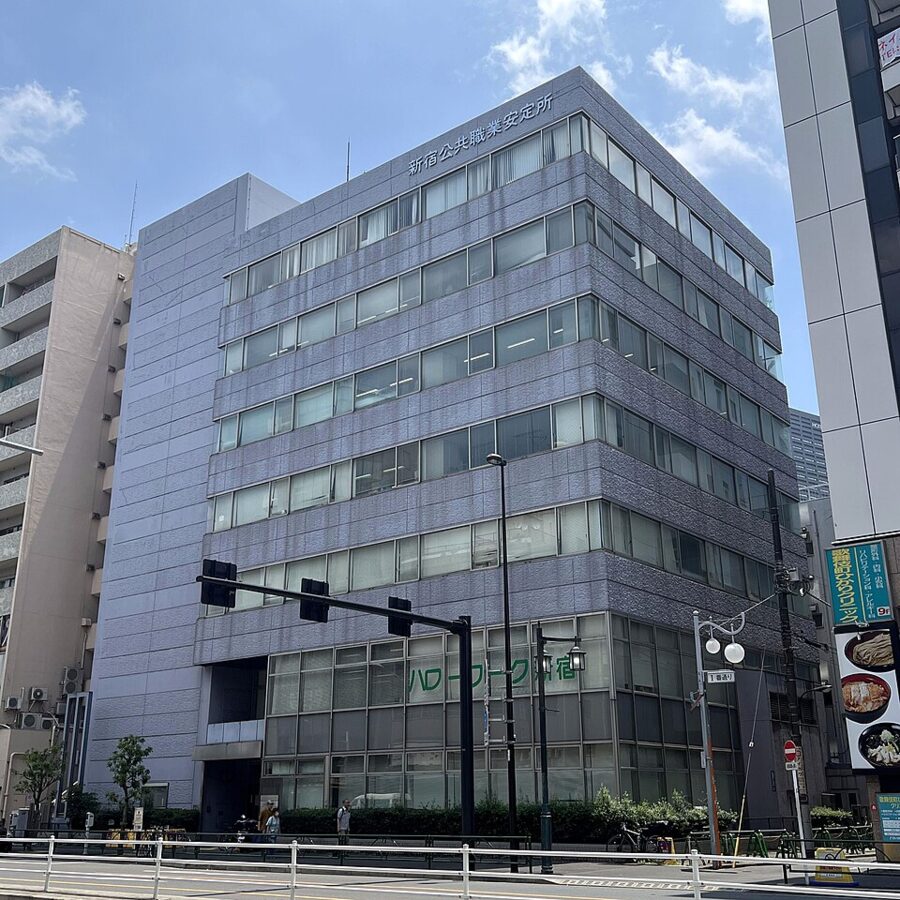
Many jobs come through English-language job boards, resort recruitment pages and other working holiday makers. The state service is Hello Work (ハローワーク), the public employment service, and the Ministry of Foreign Affairs points newcomers to its Employment Service Centres for Foreigners in Tokyo, Nagoya, Osaka and Fukuoka, where staff speak English. Japanese widens the field more than anything else: jobs that use it often ask for the JLPT at N2 or N3.
Pay
Japan’s minimum wage is set prefecture by prefecture, and the 2026 round lifted every one of them by between ¥54 and ¥65 an hour. The national weighted average is now ¥1,177. Tokyo pays the most, ¥1,280 from 1 October 2026, followed by Kanagawa at ¥1,279 and Osaka at ¥1,231; the lowest is Miyazaki at ¥1,085. Several prefectures, Okinawa among them, only switch to the new rate in late November or early December, so a job that starts in autumn may pay the old one for a few weeks.
Tax
Japanese income tax divides people into residents, who have a domicile in Japan or have lived there for a year or more, and non-residents. A working holiday is planned at a year or less around a holiday, and most employers treat their working holiday staff as non-residents, withholding a flat 20.42 percent from every payslip (20 percent income tax plus a 2.1 percent surtax on it, charged since 2013 to pay for rebuilding after the 2011 earthquake). That ends the matter: no return to file, and no refund either.
Some employers do treat working holiday makers as residents, particularly for longer contracts, and the withholding is then far lower on modest wages. Ask which at the interview, because 20.42 percent of a season’s pay is real money.
Residence tax, the juminzei (住民税), works differently. It is charged by the town where you are registered on 1 January, on the previous year’s earnings, with bills from about June. Someone who arrived in autumn, worked a winter season and stays past New Year can expect one; if you leave before it is paid, settle it at the town office first or appoint a tax representative to receive the bill. Australians should also take home a statement of earnings in English, which the embassy in Canberra advises for the return to the Australian Taxation Office.
Housing: share houses, dormitories and the guarantor problem
An ordinary Japanese lease suits a year’s visa badly. Landlords usually want a guarantor, the hoshonin (保証人), or a paid guarantor company, plus a deposit, shikikin (敷金), key money, reikin (礼金), which you do not get back, an agent’s fee and two-year contracts. An empty flat also means buying a fridge, a futon and curtains for a few months’ use.
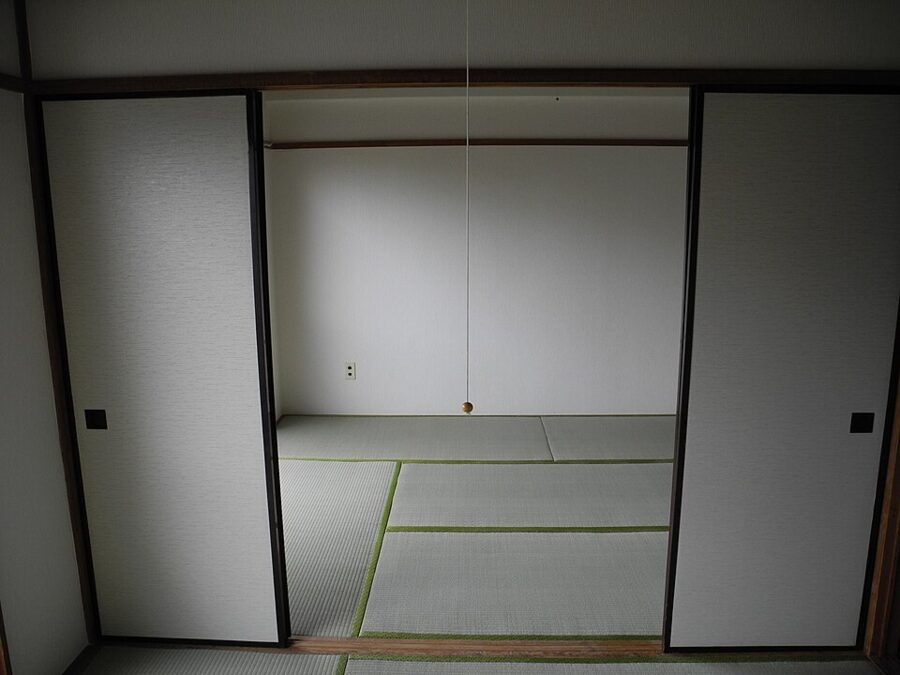

Share houses (シェアハウス) solve most of that. They rent furnished rooms by the month with utilities and internet in the fee, and often ask for a small deposit and no guarantor. Expect a shared kitchen, a rota and, often, a contract you can end at a month’s notice; compare the fee per month, all included, against a flat’s real first-month cost.
Resort and farm jobs often settle the question themselves with a staff dormitory. Read what is included before you sign: the rent deducted from wages, whether meals are provided on days off, and how many people share a room.
After the year
Australians are admitted for six months at first and apply at a regional immigration office before that runs out to stay for the second half; an extension is at immigration’s discretion. Canadians and Britons who want a consecutive second year apply to extend in Japan. For most other nationalities the year is the year: South Koreans cannot extend at all, and a New Zealander’s second working holiday visa can only be applied for from New Zealand.
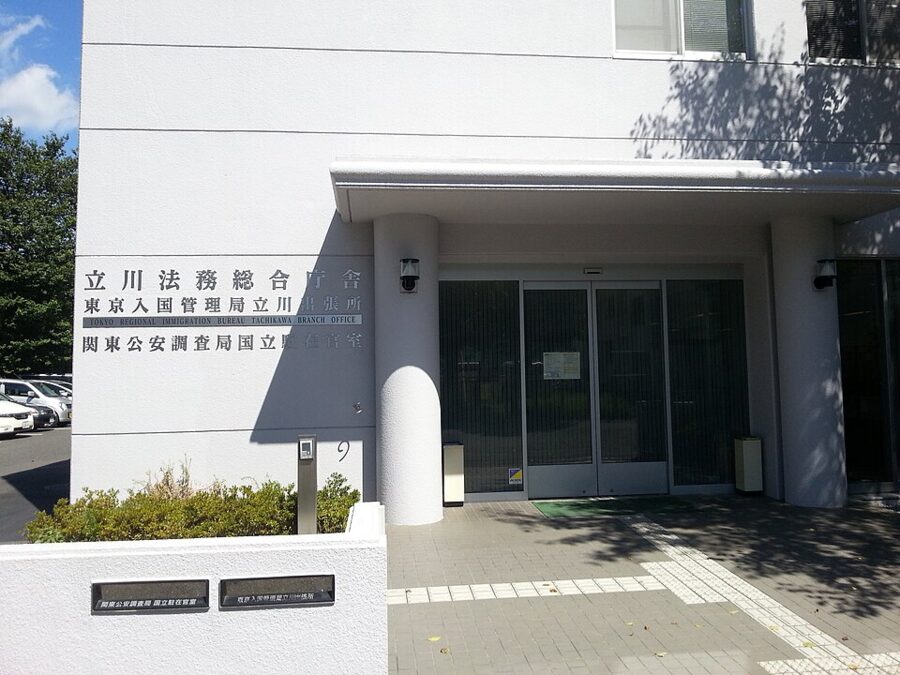

The visa does not turn into a work visa by itself. A job offer at the end of the year still needs a status of its own: usually Engineer/Specialist in Humanities/International Services, with a degree or long experience that fits the job, or Specified Skilled Worker (特定技能) for hotel and restaurant work, which requires passing a sector skills test and a Japanese test at about JLPT N4 level. A year at a language school needs a student visa instead, the route in study in Japan.
Whether you can switch without leaving depends on what your country signed. Some arrangements expect participants to go home at the end, and the administrative scriveners who file visa work in Tokyo name the British, French, Taiwanese and Hong Kong ones among them; those participants normally go home and wait for the employer’s Certificate of Eligibility. The Tokyo immigration bureau takes change applications from Australians, New Zealanders, Canadians and Germans without the prior consultation it asks of other nationalities, though that is a procedure, not a promise of approval.
Leaving has its own list. File a moving-out notice at the town office, close the bank account, pay or arrange the residence tax, and claim the pension refund once you are home. At the airport, the immigration officer takes back the residence card, the same card handed over at the counter a year before, with 特定活動 still printed in the box and a year’s worth of meaning behind it.