


Thunder in Kanazawa is a winter sound. The city’s weather station records about 45 days of it a year, more than any other in Japan, and the busiest months are December and January, when freezing air from the continent crosses the warm Sea of Japan and piles storm cloud against the coast. The first big crack of the season has a local name, buri-okoshi, the yellowtail-waker, because the fish arrive with it.
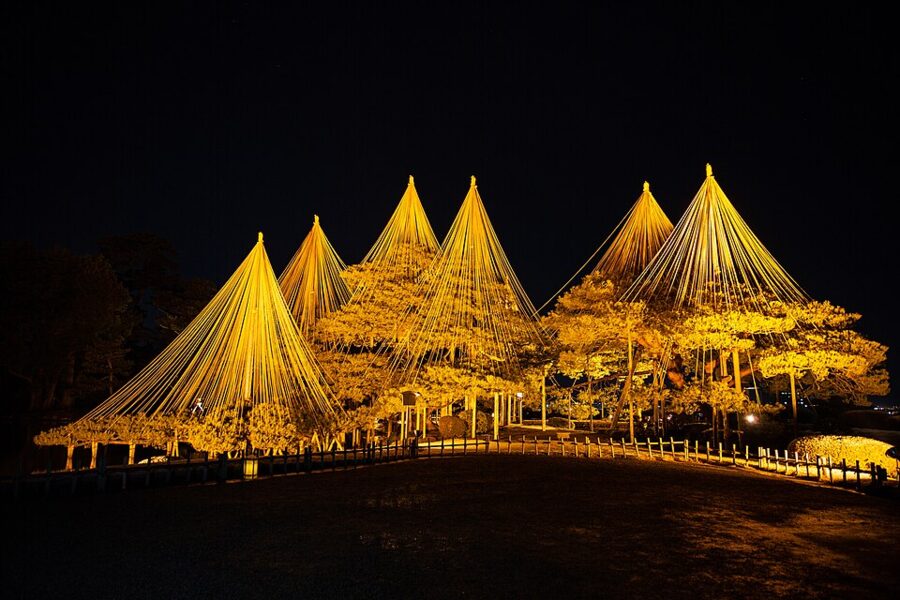
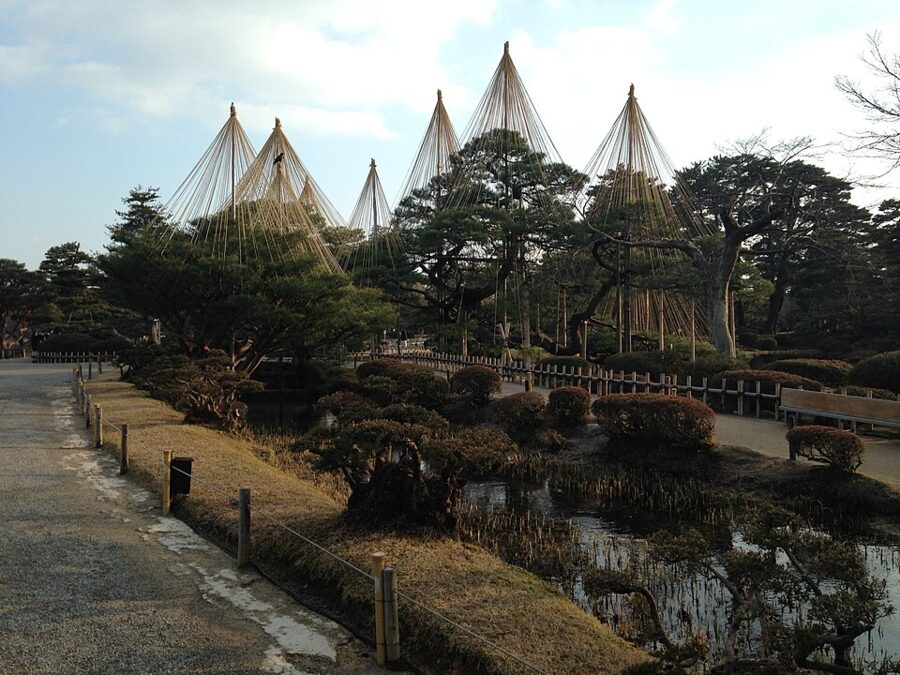
That weather explains a good deal of what you see. Pines in the great garden wear cones of rope against the snow, samurai walls are wrapped in straw each December, and the castle gate is roofed in pale lead tiles. A very rich family explains most of the rest.
Kanazawa (金沢), capital of Ishikawa Prefecture (石川県) on the Sea of Japan coast, was the seat of the Maeda lords for almost three centuries and holds about 443,000 people today (2025 figure). Like Kyoto, it came through the Second World War without a fire raid, so its teahouse streets, samurai lanes and temple quarter are the real buildings rather than postwar copies. It is the largest city of the three Hokuriku prefectures, in the Chubu region, and since 2015 it has been two and a half hours from Tokyo by shinkansen.
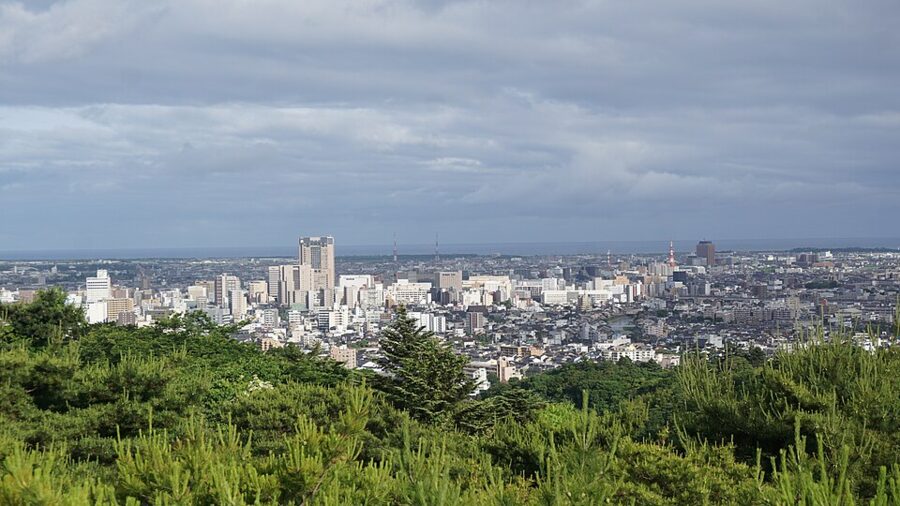

I’d give it two full days, three if one of them goes on a trip out. A single day covers the garden, the castle and one teahouse street at a run, and Kanazawa is better taken slowly: the walk from the garden to the samurai quarter is twenty minutes, and the best things on it are not signposted.
In this guide
- A million koku and a town built for defence
- Kenrokuen and the castle on the hill
- Three chaya districts
- Samurai lanes and the temple town
- Two museums and a market
- Gold leaf, Kutani, yuzen and lacquer
- What Kanazawa eats
- Getting there and getting around
- Seasons: snow, rain and rope
- Day trips: Shirakawa-go, Noto and Fukui
- One, two or three days
A million koku and a town built for defence
Everything in Kanazawa goes back to a rice figure. The Kaga domain (加賀藩), which covered the old provinces of Kaga, Noto and Etchu, was assessed at a little over a million koku, the measure of rice that ranked every fief in Edo-period Japan. No other daimyo came close; only the shogun’s own lands were bigger. The phrase Kaga hyakumangoku, Kaga of the million koku, is still how the city sells itself, on festival banners, sweet boxes and the sides of buses.
The family behind the figure was the Maeda. Maeda Toshiie, one of Oda Nobunaga’s generals, was given the castle by Toyotomi Hideyoshi after the battle of Shizugatake and rode into Kanazawa in 1583. The site he took over had been Oyama Gobo, a fortified temple of the Ikko Buddhist league that had ruled Kaga for nearly a century without any lord at all, and Nobunaga’s men had taken it only in 1580. Toshiie renamed it Oyama Castle; the old name, Kanazawa, would not go away, and within a generation it was back.
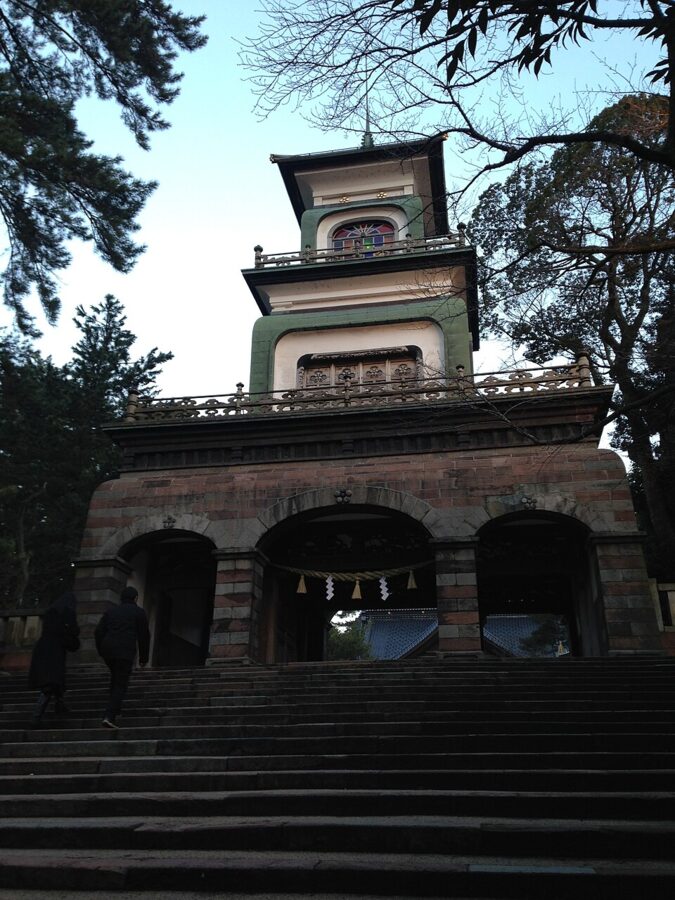

The name itself means “marsh of gold”. The usual story is of a potato farmer, Imohori Togoro, who washed gold dust from wild yams at a spring, and the spring, Kinjo Reitaku, still runs beside Kanazawa Shrine inside Kenrokuen (兼六園). Sources date the first written “Kanazawa” to a temple record of 1481, a century before the Maeda.
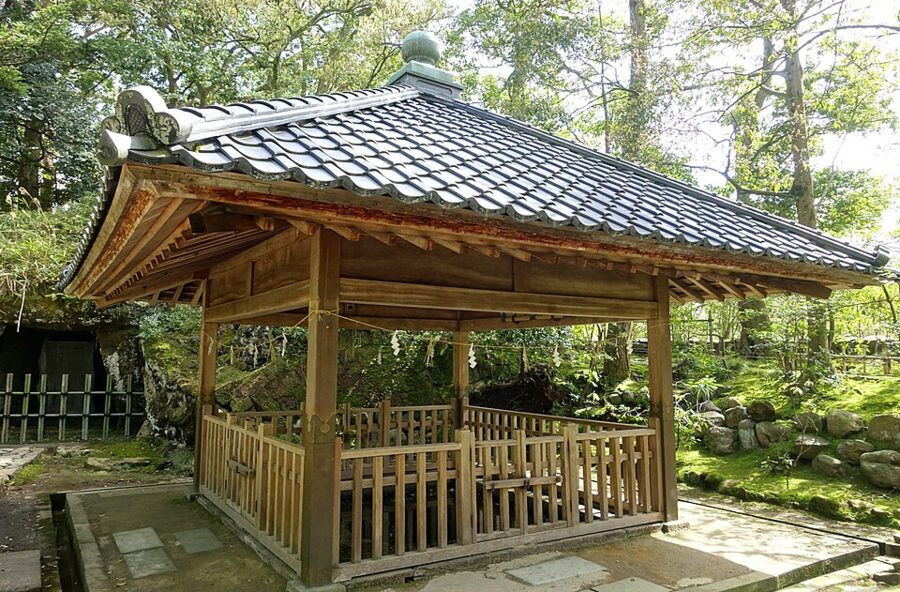
The Maeda survived the Tokugawa because they spent their money where the shogun could see it. The third lord, Toshitsune, married a shogun’s daughter, kept his mother in Edo as a hostage and, by a story everyone in Kanazawa tells, grew his nose hair long to look harmless. He poured the domain’s income into crafts, Noh and tea rather than soldiers. Noh chanting was encouraged so far down the social scale that Kanazawa became known as a city where song “falls from the sky”.
How the town is laid out
Kanazawa sits on a ridge between two rivers. The Sai River on the south-west side is the fast one, called otokogawa, the man river; the Asano River to the north-east is gentle and called onnagawa, the woman river. Between them the Kodatsuno plateau runs down to a point, and on that point stand the castle and Kenrokuen. The castle hill was called Oyama, “the tail of the mountain”, for exactly that reason.
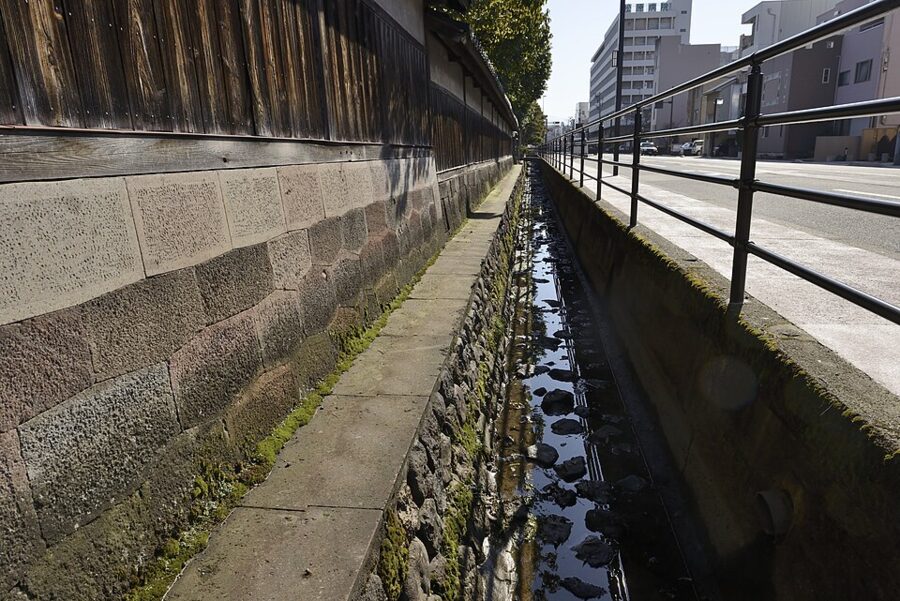
Toshitsune gathered the scattered temples of the town into three blocks: one across the Sai River (Teramachi), one at the foot of Utatsuyama beyond the Asano, and one on the Kodatsuno plateau. Two rings of moat and earthwork, the sokogamae, went round the town, and parts of their line still show as curving lanes and dips in the street plan. Canals dug off the rivers ran through the samurai quarters, and several still flow beside the pavements.
The town was big. By the late seventeenth century it had more than 100,000 people, which put it fourth or fifth in Japan behind Edo, Osaka and Kyoto and level with Nagoya. Then the domain was abolished in 1871, the samurai lost their stipends, and Kanazawa slipped down the table as industry and railways went to the Pacific side.
Why the old town is still there
The army’s 9th Division had its headquarters inside the castle from 1898 to 1945, which should have made Kanazawa a target. American aircraft strafed the city in 1945, but the incendiary raids that burned most Japanese cities never came here, and why it was passed over is not settled. The result is that the chaya districts, Nagamachi and the temple quarter are original buildings on their original plots. The worst fires in the city’s history came earlier: the 1759 blaze that took the castle and much of the town, and the 1881 barracks fire that destroyed nearly every castle building that had survived the Edo period.
Kenrokuen and the castle on the hill
Kenrokuen
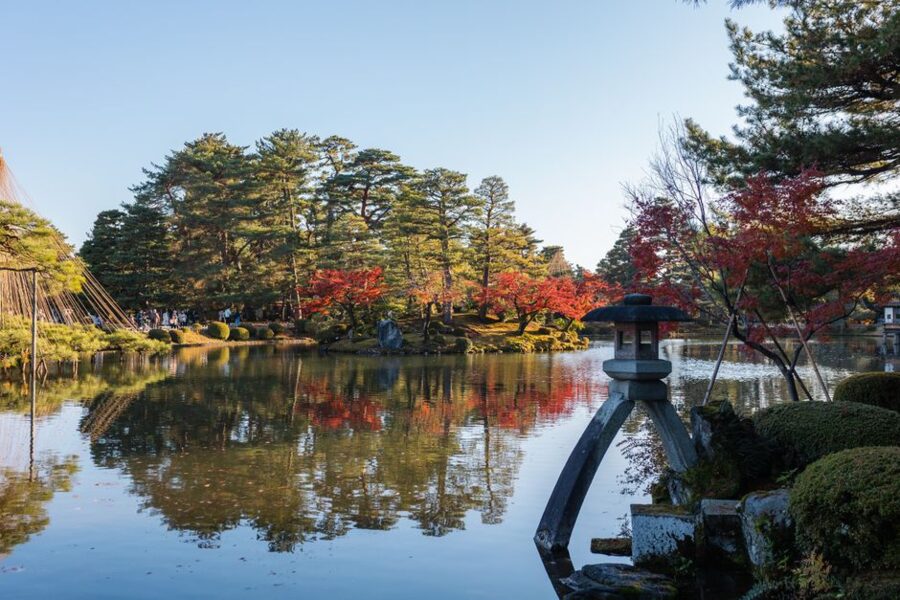
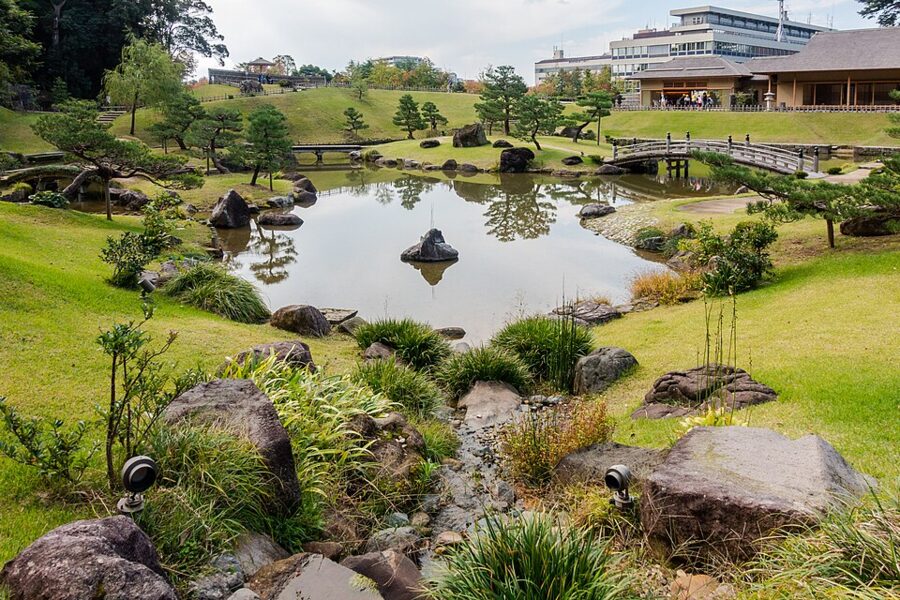
Kenrokuen began in 1676, when the fifth lord, Tsunanori, built a villa on the slope below the castle and laid out a garden round its lotus pond. That garden burned in 1759, was rebuilt from 1774, and grew under three more lords until the twelfth, Nariyasu, enlarged the big pond, Kasumigaike, in 1837 and knocked down the wall between the old and new halves in 1860. It stayed the lords’ private garden until 1874, when it opened to the public. Admission charges only began in 1976, after decades of stolen stones and smashed lanterns.
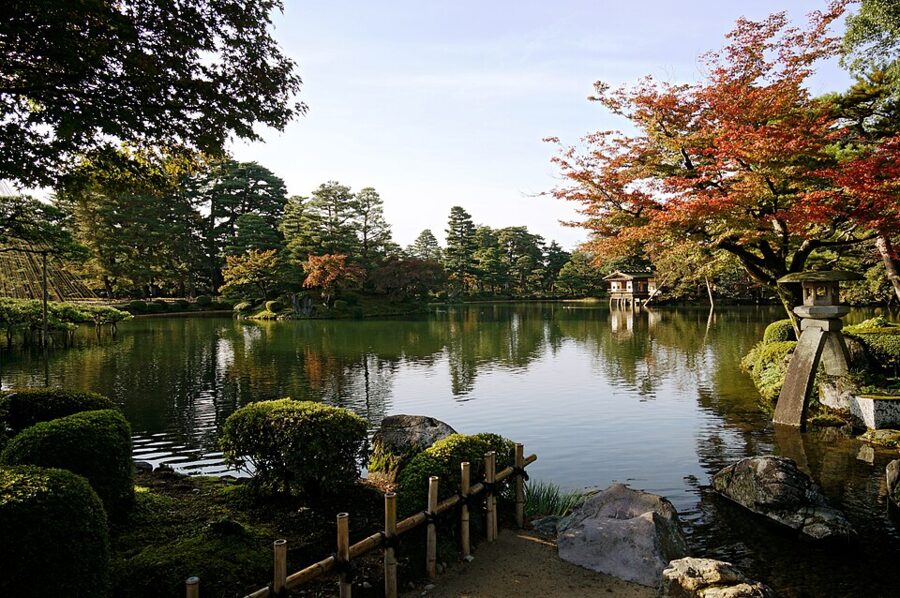

The name means “garden combining six”, after a Song-dynasty description of a garden in Luoyang that managed six qualities usually found apart: spaciousness and seclusion, artifice and age, flowing water and wide views. Most accounts say the retired shogunal minister Matsudaira Sadanobu chose it in 1822. His own diary for that year, though, records the Maeda asking him to write out a name board for “Kenrokuen” and him sending back to ask what the name meant, which rather suggests the name was already chosen. The board he wrote hangs in the Ishikawa Life Crafts Museum next to the garden.
The six qualities are real on the ground because the garden is on a slope. You climb from the shaded lower garden, the old lotus pond with its waterfall and teahouse, up to the open level of Kasumigaike, and from the top edge the town spreads out below towards the sea. The water comes from the Tatsumi canal, finished in 1632, which brings the Sai River’s flow about 11 kilometres, four of them in a tunnel, onto the plateau.
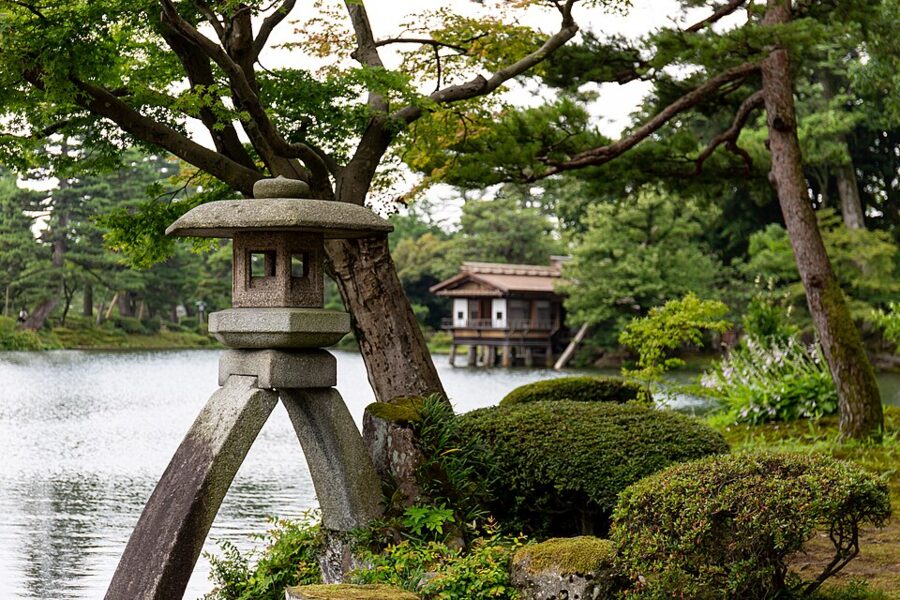
The fountain below Kasumigaike is often called the oldest in Japan. It has no pump at all: water piped down from the pond rises to roughly the height of the pond’s surface and stops, which is gravity doing what it does. Nariyasu is said to have built it as a trial for a fountain inside the castle.
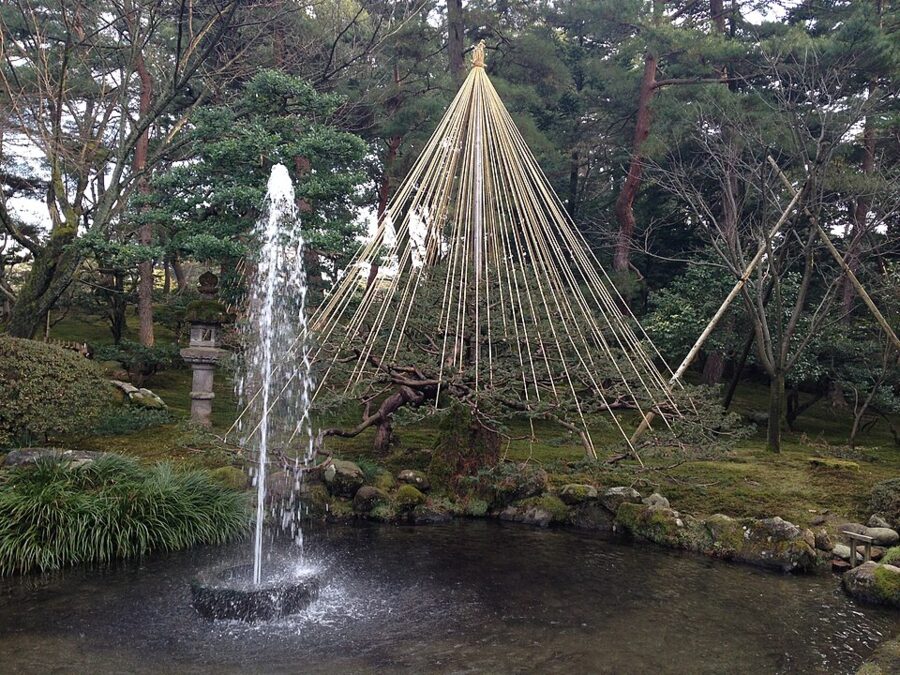

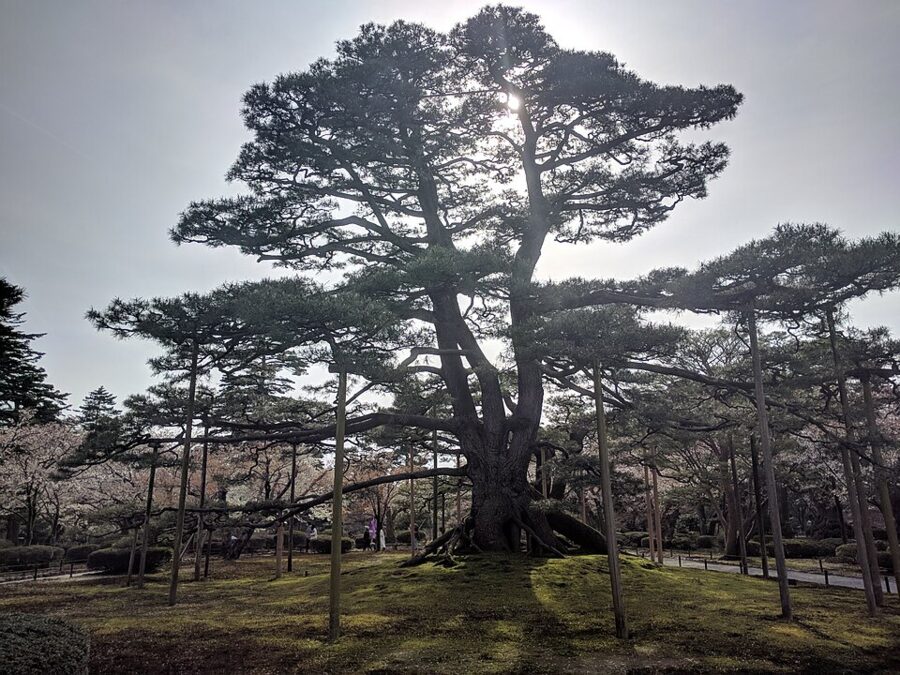
Look for the Karasaki pine on the pond’s edge, grown from a seed brought from Karasaki on Lake Biwa, and the Neagari pine, whose roots stand clear of the soil like a table. On 1 November the gardeners start the yukitsuri on the Karasaki pine, and over the following weeks several hundred trees get their rope cones. They come off in March.

The Neagari pine is a short walk south of the pond, near the Meiji memorial with its statue of Yamato Takeru, which was put up in 1880 and is often called the first outdoor bronze of a person in Japan.

Practical details for late 2026: entry is ¥320 for adults and ¥100 for children aged 6 to 17. Hours are 07:00–18:00 from 1 March to 15 October and 08:00–17:00 from 16 October to the end of February, with last entry 30 minutes before closing. Both Kenrokuen and the castle park also open their gates free before official hours, from as early as 04:00 in summer, and admission is free on a few fixed days: about a week at cherry time, the three days of the June festival, 14–16 August, 3 November and 31 December to 3 January. A combined ticket for the garden and the castle’s rebuilt turrets is ¥500.
Kanazawa Castle Park (金沢城公園)
Cross the Ishikawa bridge from Kenrokuen and you are in the castle. There is no keep: the five-storey tower Toshiie built was burned by lightning in 1602 and never replaced. What you see instead is a huge enclosure of stone walls, lawns and rebuilt gatehouses, because after the 1881 fire and a century of army and university use there was not much left to restore.
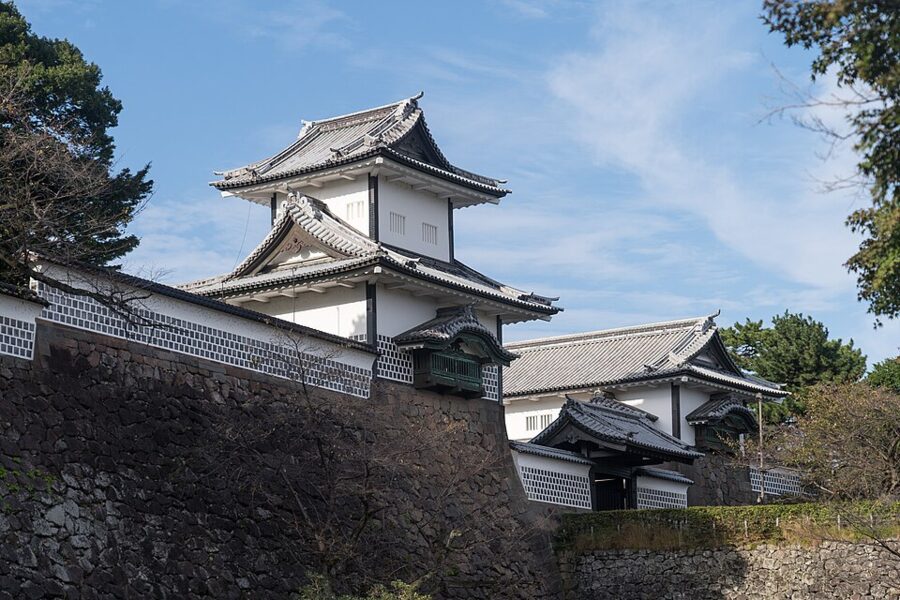

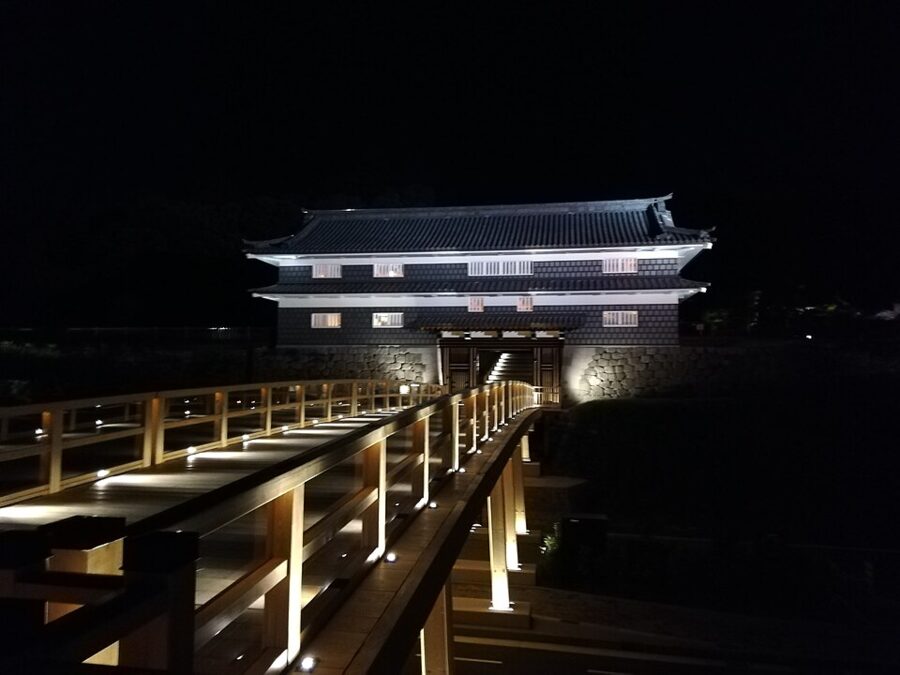
The walls are the best thing here, and a good part of the reason to come. The castle was rebuilt and enlarged so many times that its stonework works as a catalogue of Japanese wall-building, from rough piled fieldstone to tight cut blocks, and the park’s own trail picks out the styles. The Kahoku-mon gate was rebuilt in 2010 and the Nezumita-mon gate and bridge, on the western side towards Oyama Shrine, in 2020.
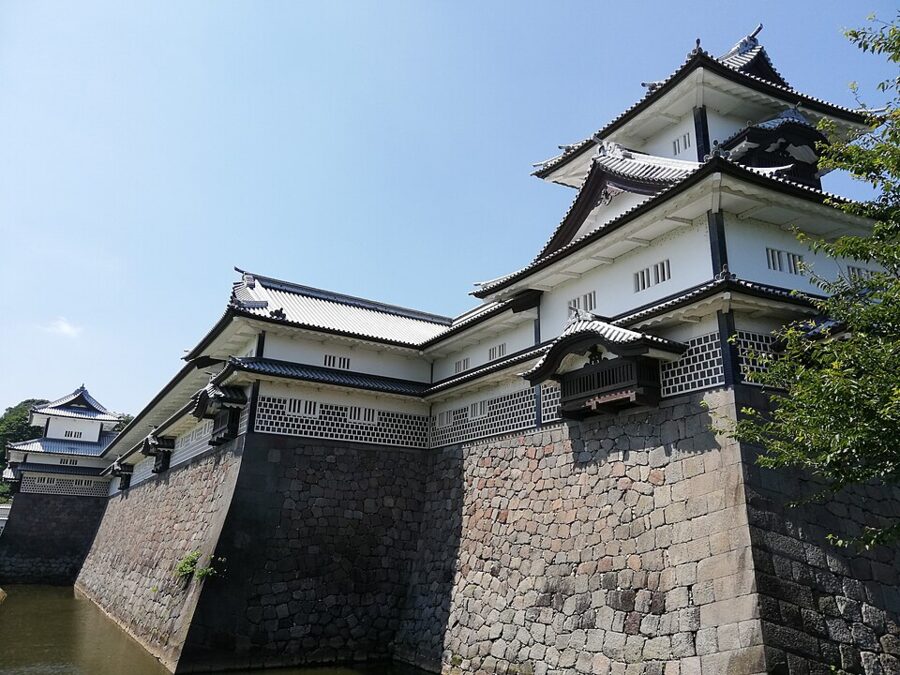
Inside the turret and storehouse the timber frame is left bare, so you can study the joinery, and the windows look across the moat to the station side of town. The castle park’s grounds are free, open 07:00–18:00 from March to mid-October and 08:00–17:00 in winter.
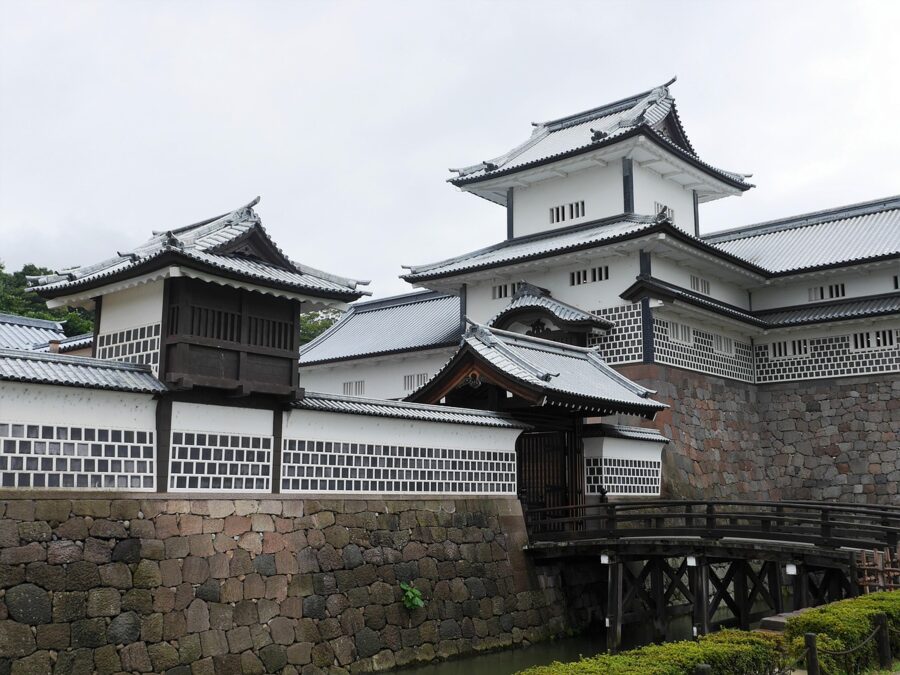
The New Year earthquake of 2024 knocked down or bulged 27 sections of the walls, which is why you may still find scaffolding and fenced-off corners. The biggest project on the site began on 9 March 2025: rebuilding the formal front part of the Ninomaru Palace, the lords’ residence, in wood, including a room of tigers painted anew after the originals by the Kanazawa-born artist Ganku. It will take years, and the park’s VR viewpoints and the film in the Tsurunomaru rest house are the closest you can get for now.
On the castle’s south-west side is Gyokusen’inmaru, a stroll garden reconstructed in 2015 on the site of one laid out by Toshitsune. Its pond sits at the foot of the stone walls, so the walls themselves become the backdrop, and the teahouse Gyokusen-an serves matcha with a seasonal sweet for ¥1,000.

Three chaya districts
A chaya here is a teahouse where geiko, the Kanazawa word for geisha, entertain guests with music and dance. In 1820 the domain gathered the teahouses scattered round the town into two licensed quarters, one east of the Asano River and one west of the Sai, and redrew the plots into neat rows. Those are Higashi (east) and Nishi (west); the third district, Kazuemachi, grew up beside the Asano later. All three still have working teahouses, and the rule for most of them is the old one: no first-time guest without an introduction.
Higashi Chaya (ひがし茶屋街)
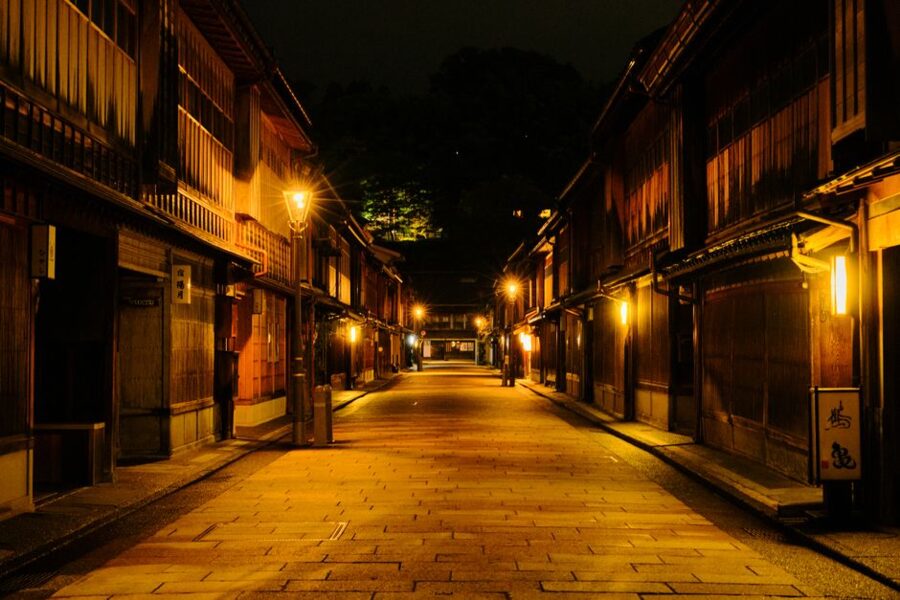
Higashi is the big one and the one on every itinerary: about 1.8 hectares and some 140 buildings, two-thirds of them traditional, on stone-paved streets. It was made a national preservation district in 2001. The fronts are covered in kimusuko, fine lattices that let people inside see out while passers-by see nothing, and the upper floors, where guests were entertained, are taller than the ground floors.
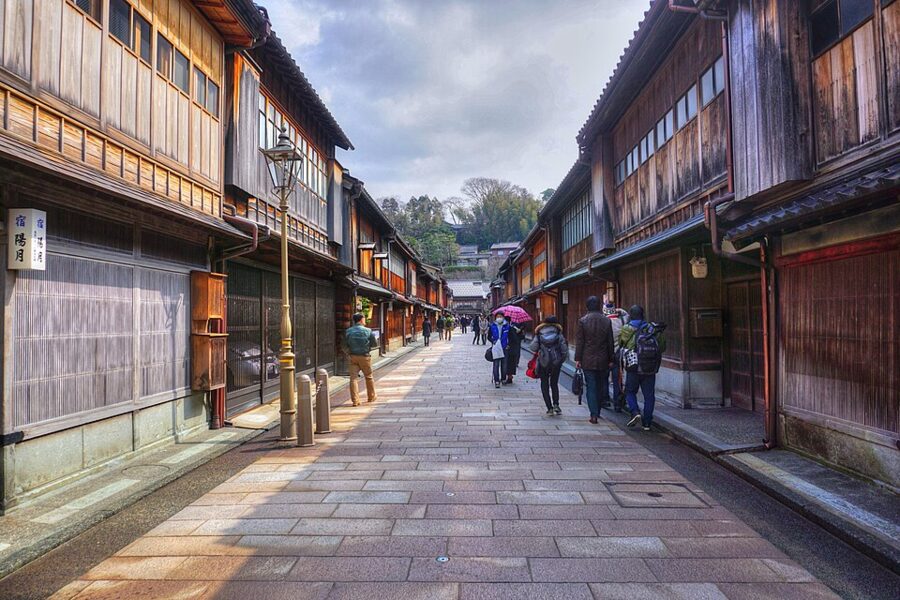

You can go inside one teahouse without an introduction. Shima, built in 1820 and listed as an Important Cultural Property, is kept as a museum: the guest rooms upstairs, where the geiko performed, face a small inner garden, and the building has been left much as it stood in the Edo period. Entry is ¥600, 09:30–17:30 (to 17:00 from December to February), and the house asks you to leave bags in a locker and wear socks.
Most of the other teahouses are now cafes, sweet shops and gold-leaf boutiques. That is fine at 09:00 and wearing by midday. I’d come early, then come back after dark when the lamps are on and you can sometimes hear a shamisen being practised behind the lattice.
Kazuemachi (主計町)
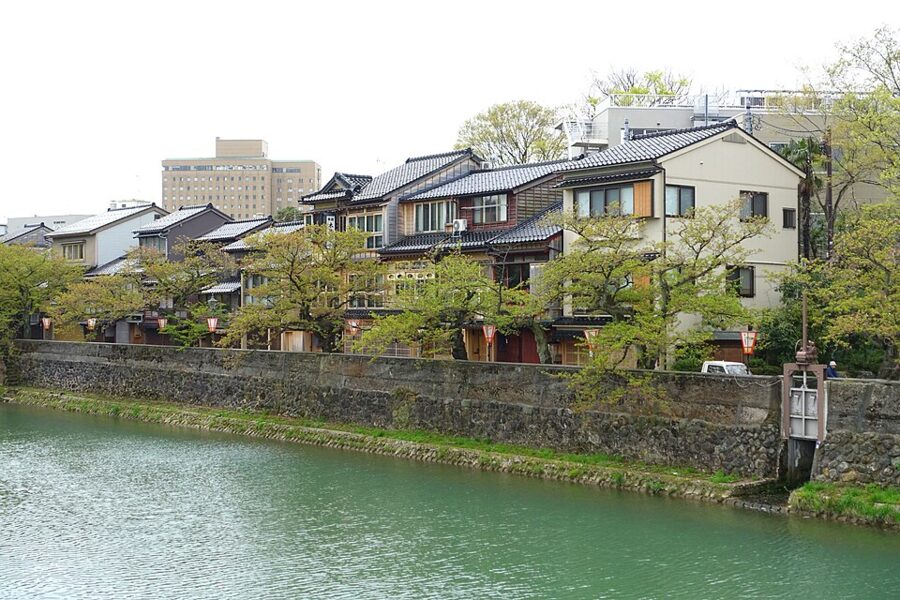
Across the Nakanohashi footbridge from Higashi, Kazuemachi is a single row of teahouses along the Asano River with lanes climbing behind it. It takes its name from Tomita Kazue, a Maeda retainer whose house stood here. The name vanished in a postwar address reform and was given back in 1999, the first of Kanazawa’s old district names to be restored.
Nishi Chaya (にし茶屋街)
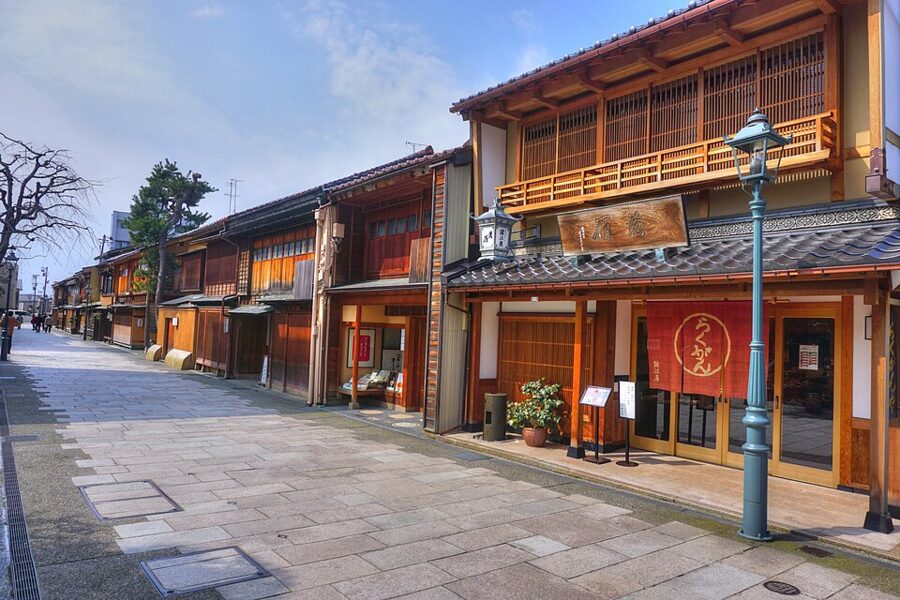
Nishi is two short streets near the Sai River, south of the centre, and much quieter than Higashi. It is also a working district, with geiko houses and a public teahouse museum, and it sits a few minutes’ walk from Myoryuji and the temple quarter, so it makes sense on the same morning.

Samurai lanes and the temple town
Nagamachi (長町)
Maeda retainers of middle and upper rank lived in Nagamachi, just below the castle to the west. What survives is a few hundred metres of narrow lanes between tawny earthen walls, with stone-lined canals running alongside. The walls are the show: clay over a timber frame, topped with tiles, and too soft to survive a Hokuriku winter without help.
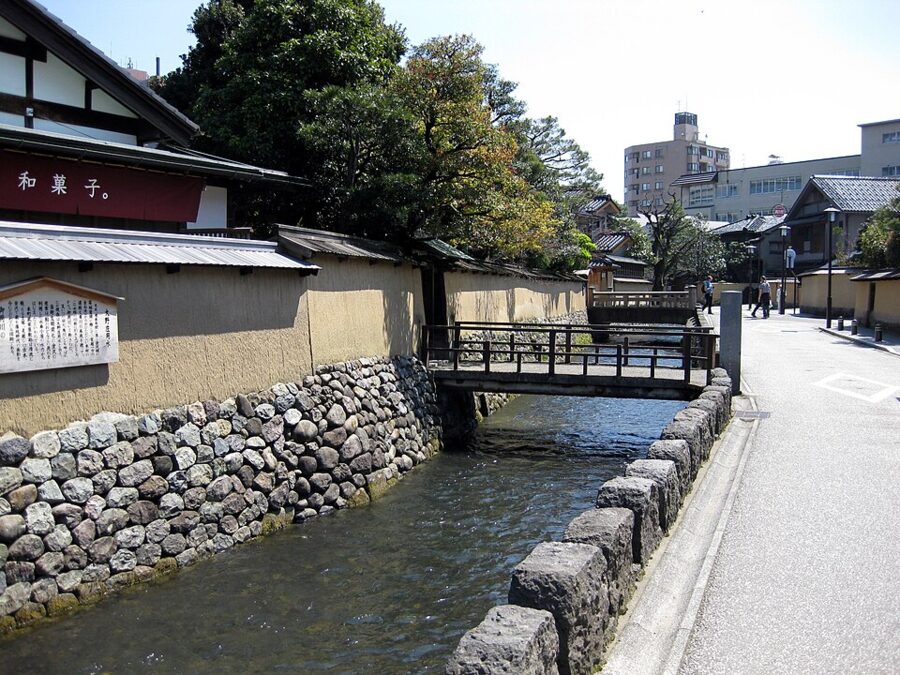

So each December the walls get komo-kake, mats of woven straw hung from the coping to keep melting snow from soaking into the clay. They stay up until March, and Nagamachi with its walls dressed in straw is one of the few things I would come to Kanazawa in winter specifically to see.
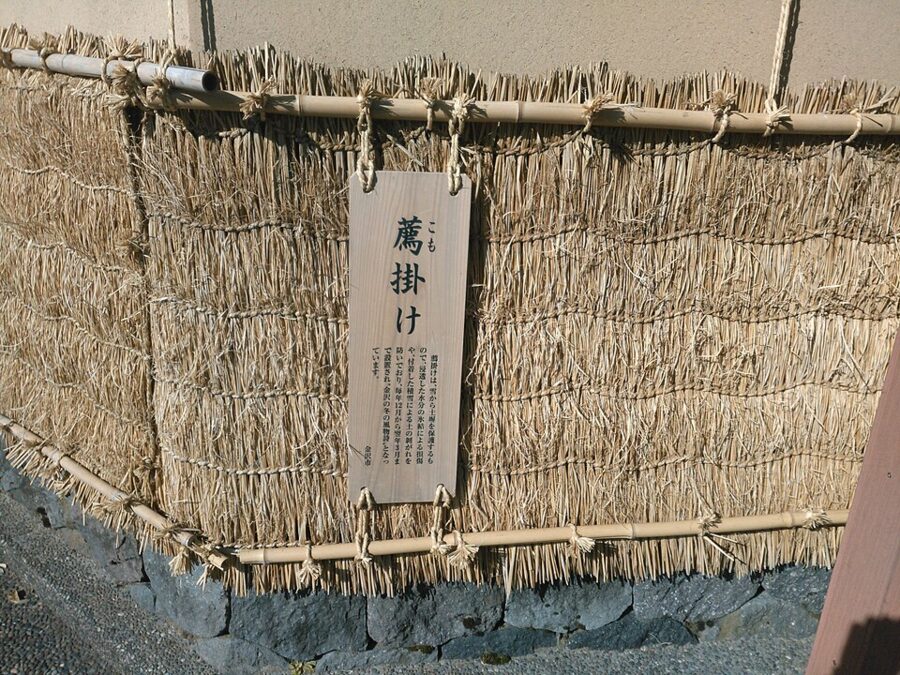

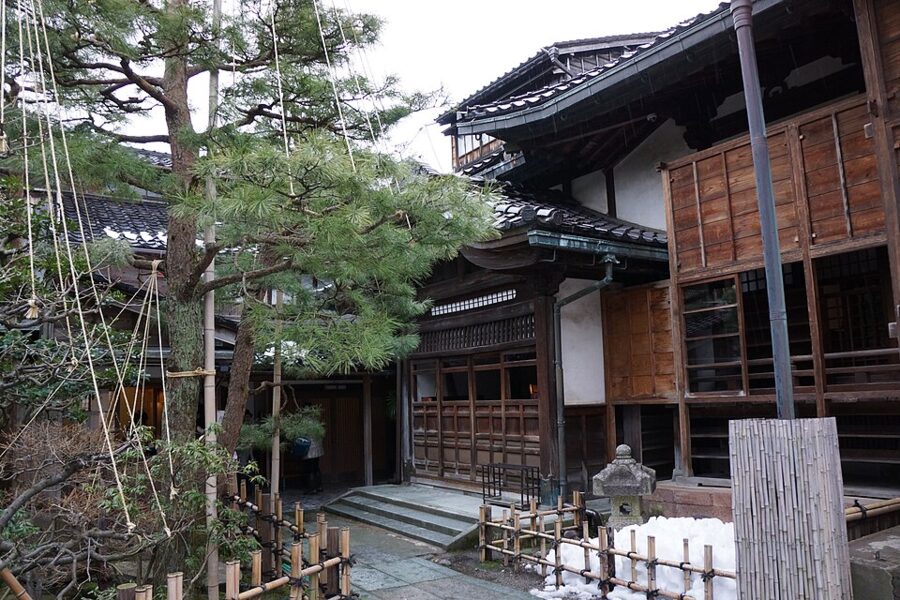
One samurai house is open. Nomura-ke, the house of a family who held 1,200 koku under the Maeda, has painted screens, an upstairs tearoom and a garden with a stream, lanterns and a small waterfall packed into the space between the house and its wall. Entry is ¥550 for adults until the end of March 2027 and ¥750 from April 2027.
Teramachi and Myoryuji
Teramachi, across the Sai River, is the largest of Toshitsune’s three temple quarters: close to 70 temples, a 22-hectare preservation district since 2012, and quiet streets where the main sound is a bell. The temples were packed together on purpose, so that their compounds, walls and garrisons could hold the southern approach to the castle.
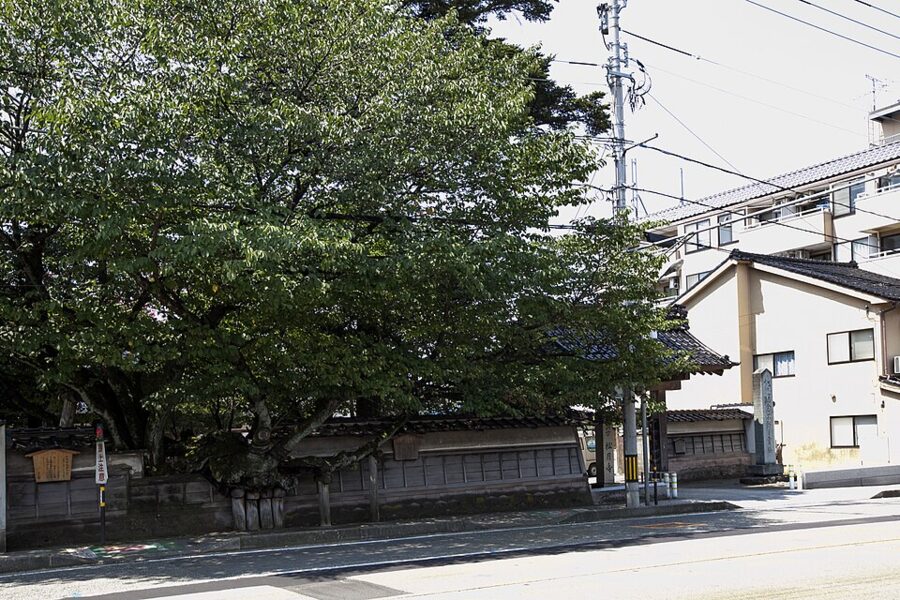

The one everyone wants to see is Myoryuji (妙立寺), the “ninja temple”. There were never any ninja; the name comes from the building. Toshitsune moved it here in 1643, and because the shogunate banned buildings over two storeys, it looks like two floors from outside while inside it has four floors on seven levels, 23 rooms and 29 staircases. There are hidden stairs behind cupboard doors, an offering box that doubles as a pit trap, a lookout on the roof, and a well about 25 metres deep with a side passage that legend says runs to the castle.

Visits are by guided tour only, booked by phone (the temple takes no online bookings), and it asks that the person coming makes the booking themselves. Tours are in Japanese with an English handout, children below school age are not admitted, and you cannot take a backpack in. The fee is ¥1,200 until 30 November 2026 and ¥1,300 from 1 December 2026. Same-day places are possible if there is room, but in holiday weeks there usually is not.
Two museums and a market
The 21st Century Museum of Contemporary Art
The 21st Century Museum is a low glass disc 112.5 metres across, set in a lawn beside the city hall, with entrances on all four sides, so you can walk in from any direction. Sejima Kazuyo and Nishizawa Ryue of SANAA designed it, and it opened on 9 October 2004. It was meant to bring a younger crowd into a city of old crafts, and it worked: by 2018 it was counting about 2.58 million visits a year.
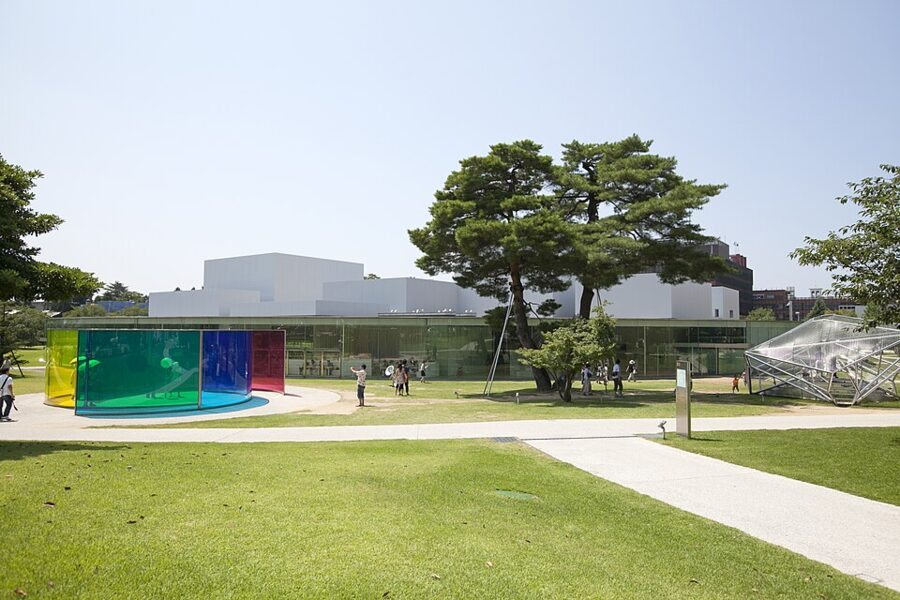

Much of it is free. The exchange zone, the library and several permanent works, including James Turrell’s sky room, cost nothing, and the free zone is open 09:00–22:00. The exhibition zone is 10:00–18:00 (to 20:00 on Fridays and Saturdays) and closed on Mondays; the current exhibition is ¥1,200 until 18 April 2027. Leandro Erlich’s Swimming Pool, the one in every photograph, can be looked into from above for free; going underneath it needs an exhibition ticket and a timed slot.
Plan around one date: the museum closes for major repairs from 6 May 2027 until about March 2028, to replace ageing services and finish mending ceilings damaged in the 2024 earthquake. If you are coming in that window, the D.T. Suzuki Museum and the National Crafts Museum are the art you will get.
The D.T. Suzuki Museum
Suzuki Daisetsu, the scholar who did more than anyone to explain Zen to the English-speaking world, was born in Kanazawa in 1870. The city opened a museum to him on 18 October 2011, on a wooded slope below the prefectural art museum, designed by Taniguchi Yoshio, the son of a Kanazawa-born architect.
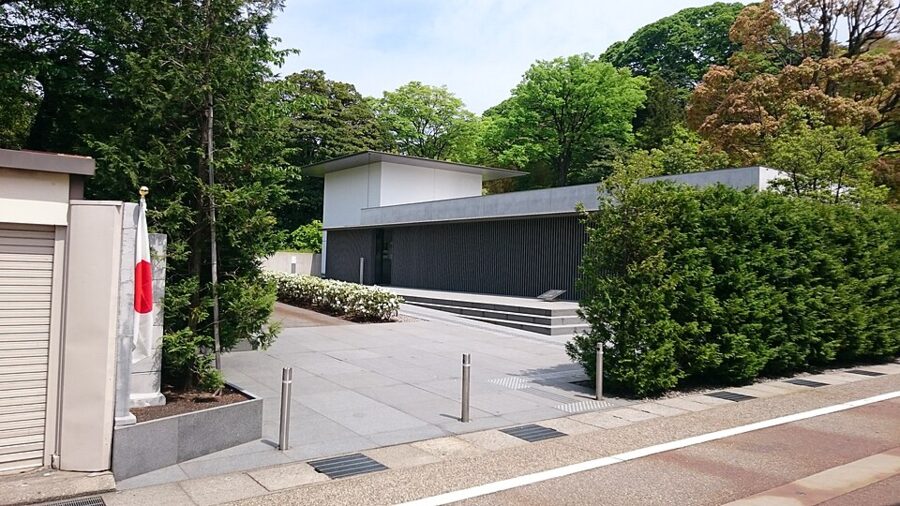

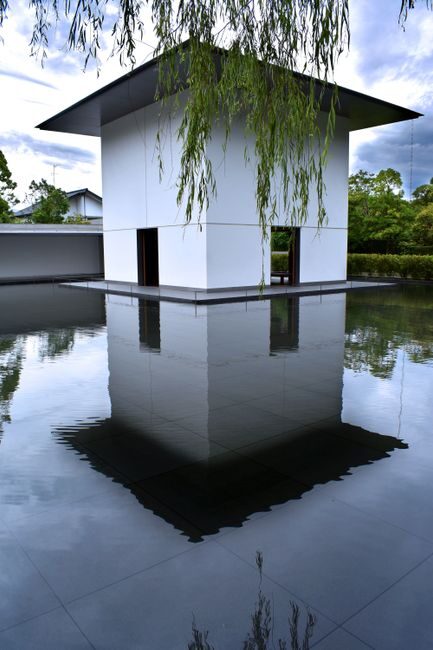
There is little to read. A few rooms hold Suzuki’s calligraphy and photographs, without long labels, and the point of the building is the Water Mirror Garden: a shallow pool with a plain white room standing in it, where you can sit and watch the reflections and the trees of the Honda woods behind. Entry is ¥310, 09:30–17:00, closed Mondays; it is ten minutes’ walk from the 21st Century Museum along a path beside the Tatsumi canal.

Omicho Market (近江町市場)
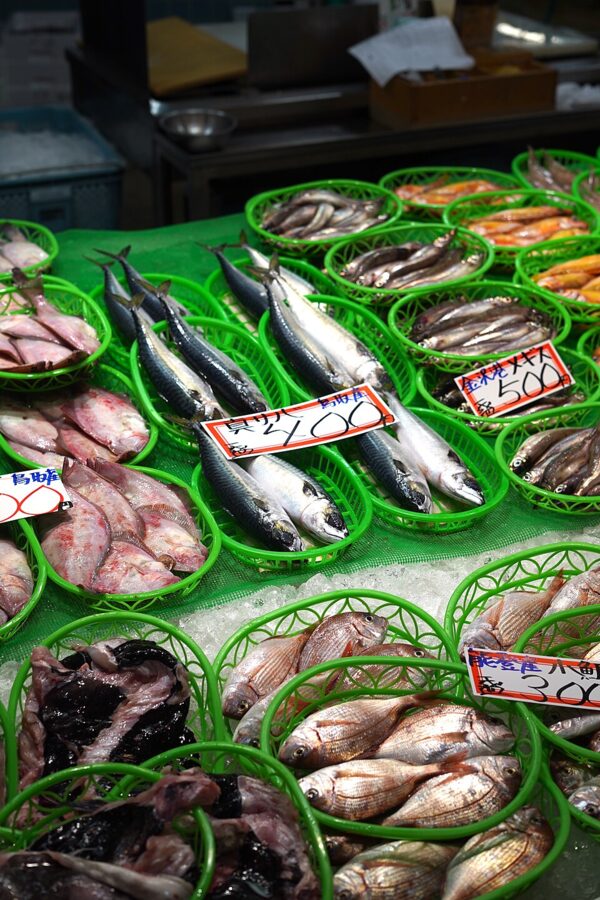
Omicho is Kanazawa’s kitchen: about 170 shops on 2.8 hectares of covered lanes between the station and Korinbo. The town’s fish markets were gathered onto this street in stages from 1690, and the date usually given for the market as a whole is 1721. The name is said to come from merchants from Omi, the province round Lake Biwa, who settled the street, though that is one story among several.
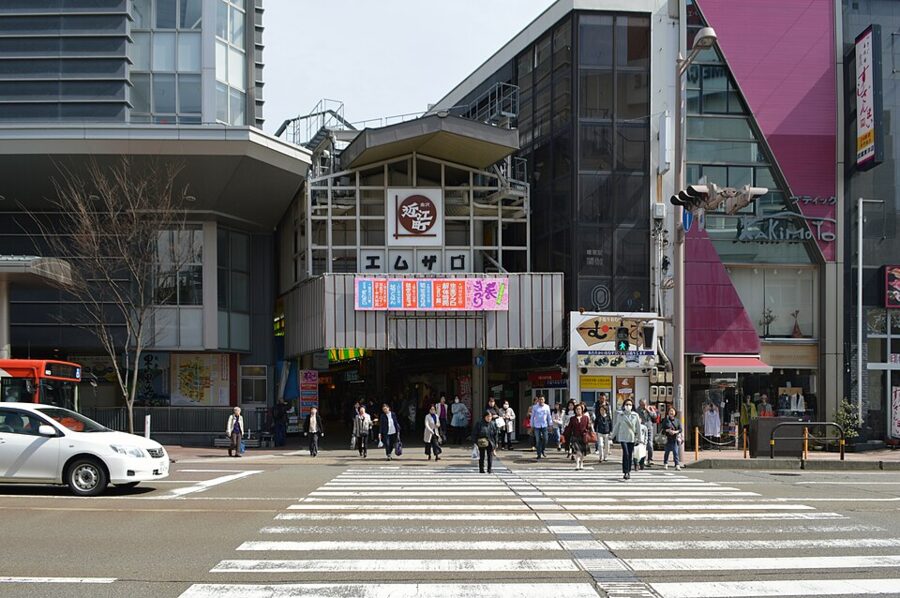
Most stalls trade from about 09:00 to 17:00, with restaurants in the new block staying open later, and many shut on Sundays, holidays or Wednesdays. Lunch is kaisendon, rice under raw seafood, and the queues at the famous counters are long by 11:30. I’d eat early or late and buy grilled skewers from the stalls in between.

Gold leaf, Kutani, yuzen and lacquer
The Maeda’s spending on crafts left Kanazawa a working craft city, and in 2009 UNESCO made it a Creative City for crafts and folk art. Four are worth knowing before you go, because you will see them on everything from temple altars to ice cream.
Gold leaf
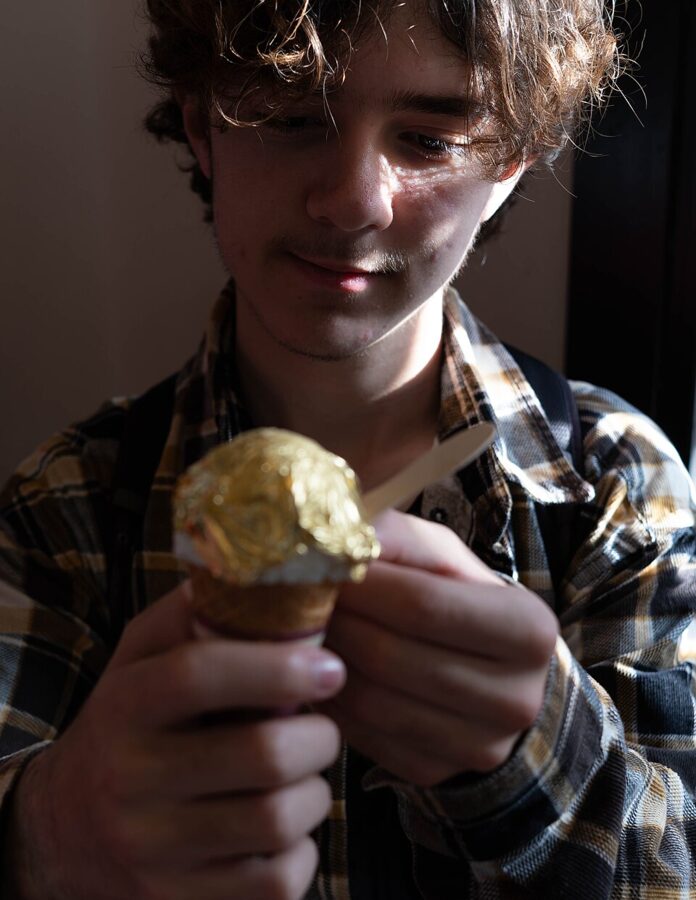
Kanazawa makes about 99 per cent of Japan’s gold leaf. A standard leaf is gold with a little silver and copper, beaten to about one ten-thousandth of a millimetre, so thin that one cubic centimetre of gold covers roughly ten square metres. The city’s humid air helps, because damp keeps the beating paper supple, and so did the lacquer and Buddhist-altar workshops of Kaga and Noto, which bought the leaf.
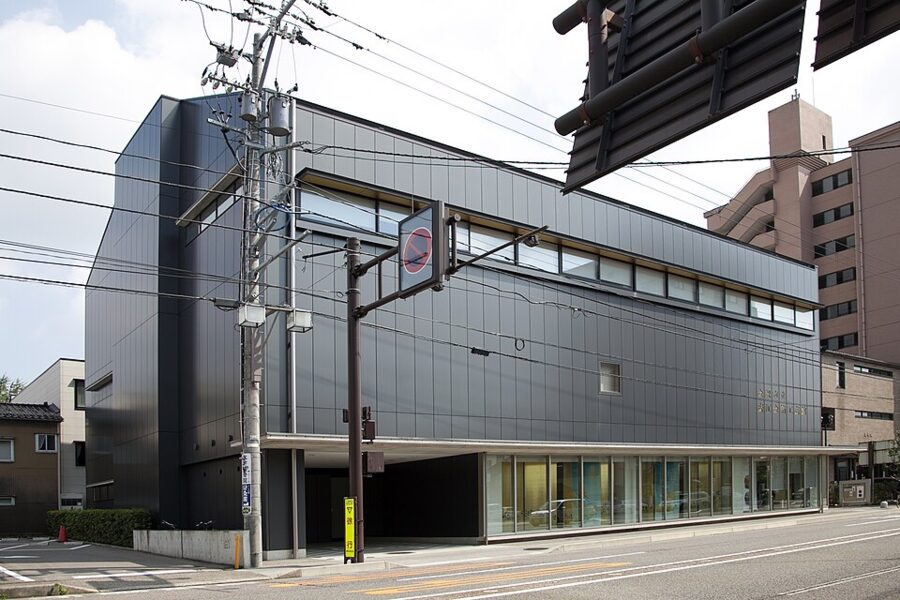

The history is a story of a ban dodged. Toshiie ordered leaf beaten in his domain as early as 1593, but in the Edo period the shogunate kept gold-leaf production to its own licensed guild. When the castle’s Ninomaru burned in 1808 and needed gold for rebuilding, the domain brought in craftsmen from Kyoto, and local men quietly learned the work. Official permission came only in 1864, and the trade boomed once the guilds were abolished in 1869; a Kanazawa craftsman, Miura Hikotaro, built the first beating machine in 1915.
The municipal Yasue Gold Leaf Museum tells it well: ¥310, 09:30–17:00, closed Tuesdays. A useful by-product of the trade is aburatori-gami, the oil-blotting paper sold all over Japan, which began as the paper the gold was beaten between.

Kutani ware
Kutani ware (九谷焼) is porcelain painted over the glaze in heavy enamels, traditionally five: red, yellow, green, dark blue and purple. It is named after Kutani, a mountain village in what is now Kaga city, where a kiln is said to have started about 1655 and closed about 1700. Whether those early “Ko-Kutani” pieces were really made there or in Arita in Kyushu is one of the long arguments of Japanese ceramics, and excavations have kept it going.
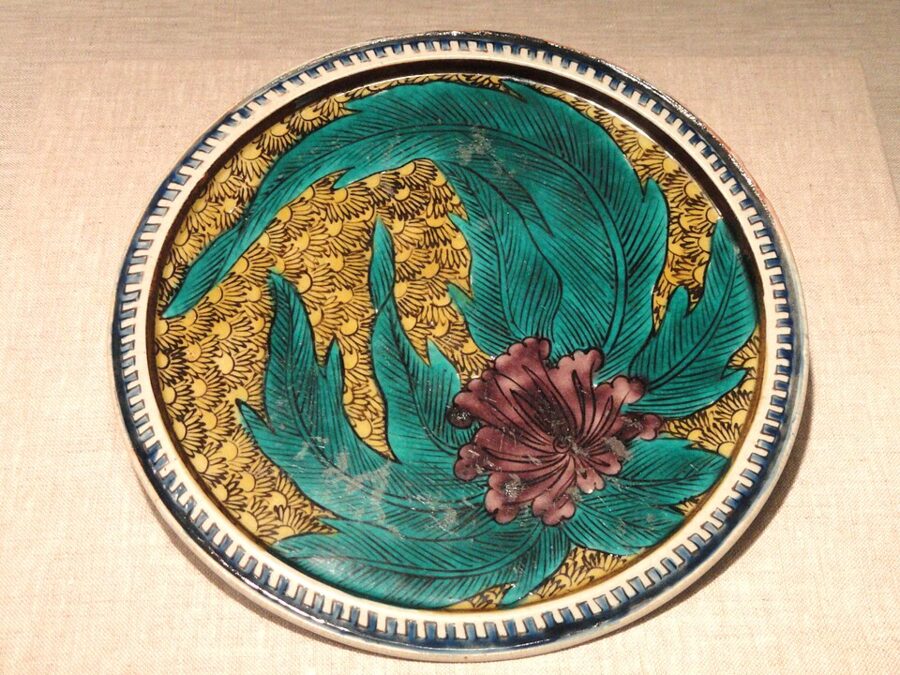
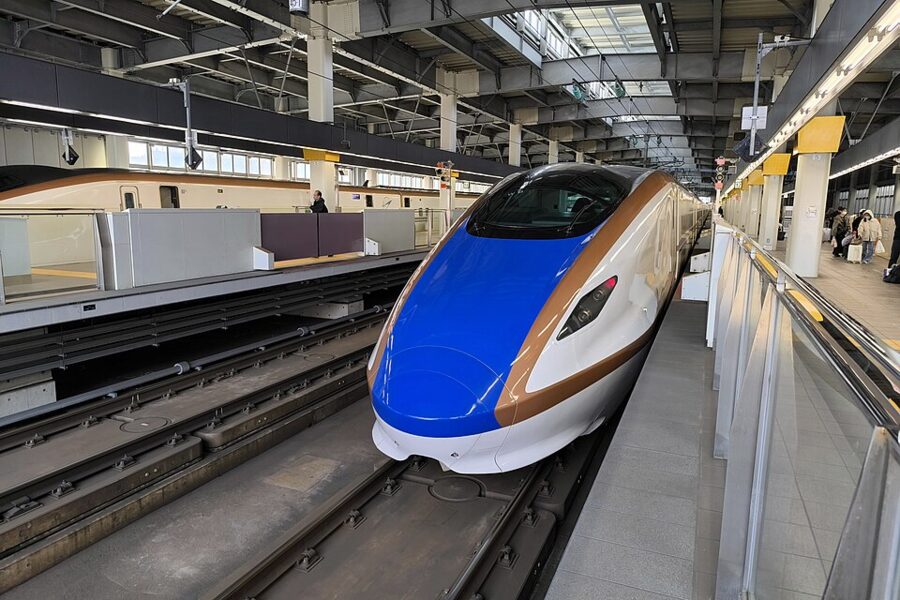
What is certain is the revival. In 1807 the domain brought the Kyoto potter Aoki Mokubei to open the Kasugayama kiln at the foot of Utatsuyama in Kanazawa, and a string of kilns followed across Kaga. At the station, the shinkansen platform doors are painted in four of Kutani’s five colours; the fifth, the dark blue, arrives with the train.
Kaga yuzen and lacquer
Kaga yuzen (加賀友禅) is a hand-painted silk dyeing for kimono, credited to Miyazaki Yuzensai, the Kyoto fan painter who spent his last years in Kanazawa. Next to Kyoto yuzen it is more like painting than pattern: flowers and grasses drawn from life, shading that deepens towards the edge of each petal, and even leaves with insect holes in them. The Kaga palette is five colours too, indigo, crimson, grass green, ochre and an old purple.
Kanazawa lacquer grew from the workshops Toshitsune set up inside the castle, staffed with masters brought from Kyoto and Edo. Its speciality is Kaga maki-e, designs in sprinkled gold on black, on boxes, trays and tea caddies made for samurai taste.
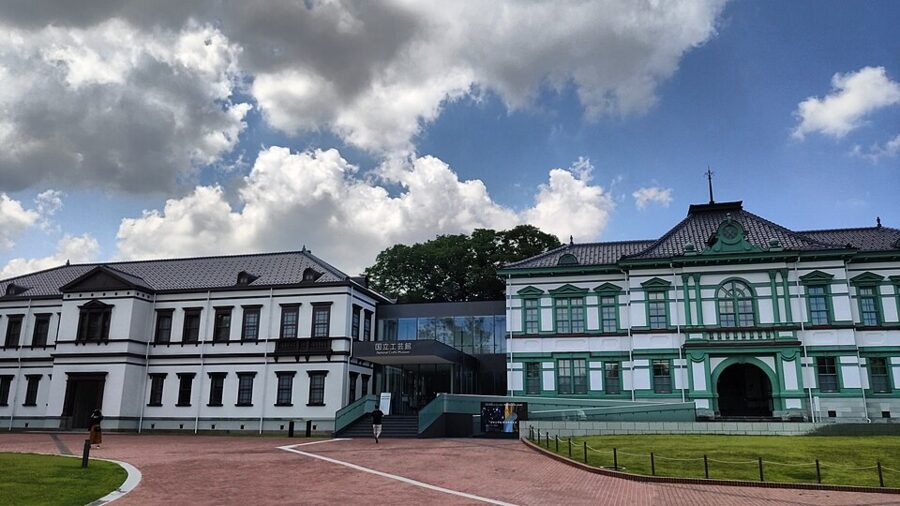
To see all of this in one place, go to the Ishikawa Life Crafts Museum beside Kenrokuen, which shows every one of the prefecture’s 36 traditional crafts, and the National Crafts Museum, which moved from Tokyo to Kanazawa in October 2020 and was the first national museum on the Sea of Japan side. It occupies two Meiji-period army buildings moved to the Honda woods, one of them the old headquarters of the 9th Division that once stood in the castle.
What Kanazawa eats
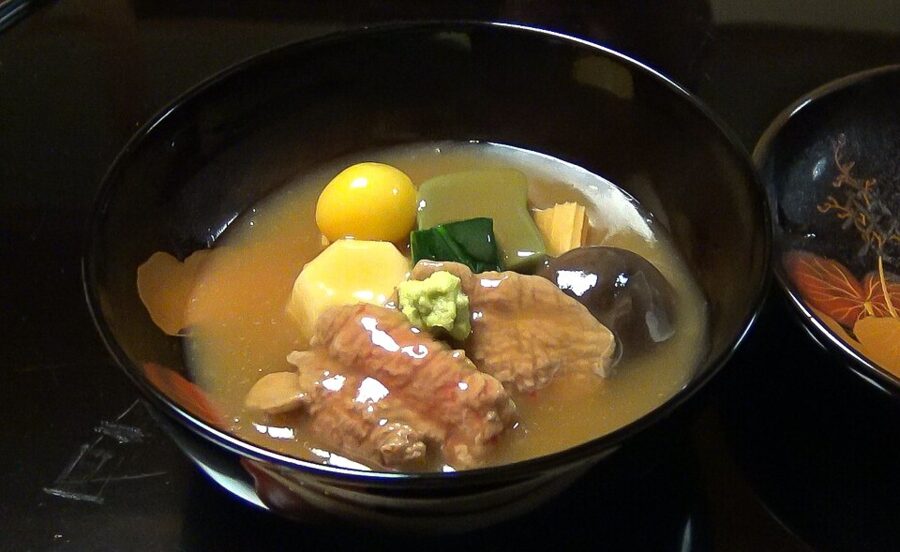
Kaga cooking is the food of a rich castle town with a cold sea on one side and mountains on the other. Its signature dish is jibuni, duck or chicken sliced, dusted in flour and simmered with sudare-fu, a ribbed wheat gluten made in Kanazawa, plus mushrooms and greens. The flour thickens the broth and seals the meat, and it is served with a dab of wasabi.

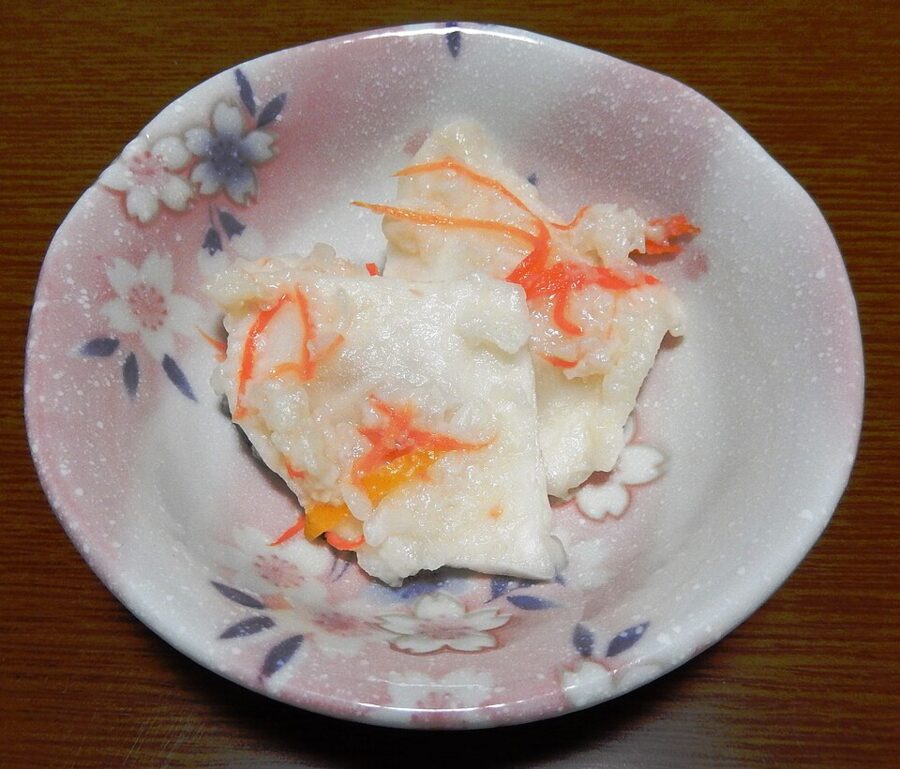
Winter adds kabura-zushi, salted turnip pressed with slices of yellowtail and fermented with rice koji, made from November to January and eaten at New Year. It is sharp, creamy and nothing like sushi in the usual sense. The yellowtail is the one woken by the thunder.

Kanazawa oden is eaten all year, not just in winter, with local items such as kuruma-fu wheat-gluten rings and bai-gai sea snails. In crab season the city’s oden counters serve kani-men, a female crab’s shell packed with its own meat and roe and simmered in the pot.
The crab season opened on 6 November 2026. The males, sold as kano-gani, are in season until March; the small females, kobako-gani, which carry the roe, can only be landed until the end of December, and their short season is the one locals wait for. A kobako is cheap enough to buy at Omicho and eat standing up.
Then there are the sweets. Kanazawa counts with Kyoto and Matsue as one of the three great tea-sweet towns, a legacy of the Maeda’s love of tea ceremony, and the shops still make namagashi for each season and pressed sugar rakugan that melt on the tongue. A teahouse in Kenrokuen or Gyokusen-an in the castle park is the place to try them as intended, with a bowl of matcha.
Getting there and getting around
By train and air
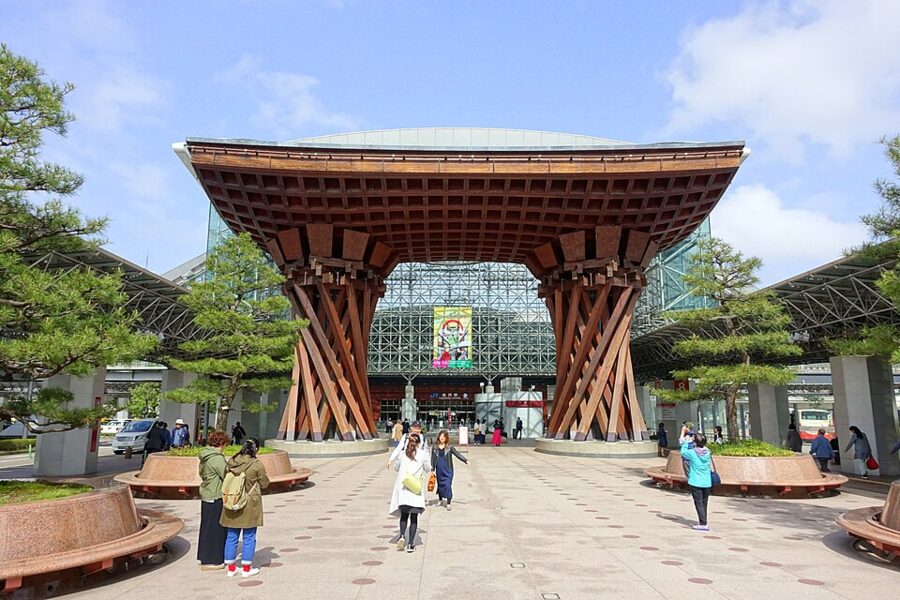
The Hokuriku Shinkansen reached Kanazawa on 14 March 2015 and was extended to Fukui and Tsuruga on 16 March 2024. From Tokyo, the fastest Kagayaki trains take about 2 hours 30 minutes; a reserved seat costs about ¥14,400 in the standard season, a little more at peak times. Every Kagayaki seat is reserved, and the Hakutaka services take about half an hour longer but stop at more towns.

From Osaka or Kyoto, the Thunderbird limited express now runs only as far as Tsuruga, where you change to the shinkansen. Osaka to Kanazawa takes about 2 hours 20 minutes with the change and costs about ¥9,400 with reserved seats; from Nagoya, the Shirasagi runs via Maibara to Tsuruga for the same change. Komatsu Airport, south of the city, has flights from Tokyo Haneda and is about 40 minutes from central Kanazawa by bus.
The national Japan Rail Pass costs ¥50,000 for seven days and rarely pays for a Kanazawa trip on its own: a return from Tokyo is under ¥29,000. It only starts to make sense if Kanazawa is one stop on a longer loop.
Around town
Kanazawa has no subway and lost its trams in 1967, so the city runs on buses and your feet. Almost everything worth seeing lies within a rough triangle of the station, Higashi Chaya and the castle, and the long sides of it are 20 to 25 minutes’ walk.
The Hokutetsu loop bus (Joka-machi Kanazawa Shuyu Bus) leaves the station’s east exit in both directions: clockwise about every 15 minutes from 08:30 to 18:00, anticlockwise about every 20 minutes from 08:38 to 17:58. A ride is ¥220. The Kanazawa one-day pass, ¥800, covers the loop bus and Hokutetsu and JR buses in the centre, and knocks a little off several museum tickets. On Saturdays a separate light-up bus runs a circuit of the illuminated sights every 20 minutes in the evening for ¥300.
Most of the centre is flat apart from the climb to Kenrokuen and the castle. Machi-nori shared bicycles have docks across the centre and are a fine way to do the river districts, though not in snow.
Seasons: snow, rain and rope
Kanazawa is wet. It averages 2,401 millimetres of precipitation a year, and its wettest month is December (301 millimetres), not June. January averages 4.0°C and just 62 hours of sunshine; about 157 centimetres of snow falls in a typical winter. August averages 27.3°C, with highs around 31°C, and it is humid.
Pack an umbrella whatever the month, and the locals’ saying is that you will forget your lunch before you forget your umbrella.
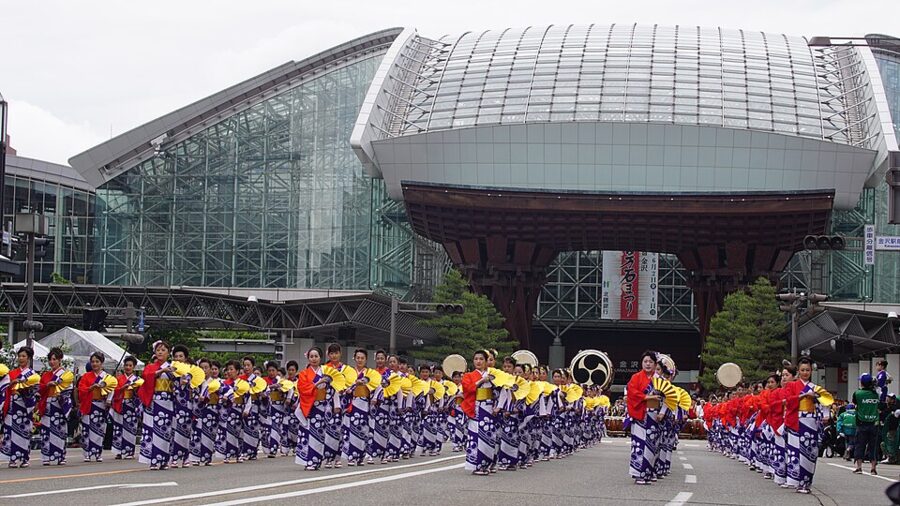
Spring brings plum blossom in Kenrokuen’s plum grove in March and cherry blossom in early April, when the garden is free for about a week and opens in the evening. Early summer has the Hyakumangoku Matsuri, held over three days around the first Saturday of June to mark Toshiie’s entry into the city in 1583: a costume procession from the station to the castle, floating lanterns of Kaga yuzen on the Asano River, and a tea gathering in Kenrokuen.
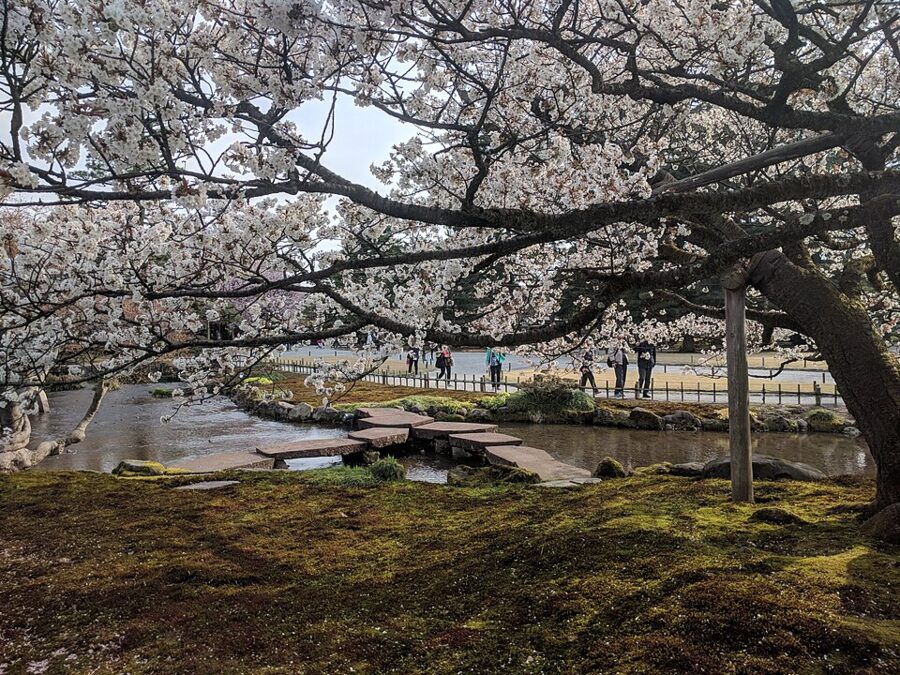


Autumn is my pick of the year: settled weather in October, maples in the gardens in mid to late November, and crab from 6 November. Winter is grey and wet, but it is the only time to see the yukitsuri, the straw on the Nagamachi walls, Kenrokuen under snow and kobako crab on every menu.
Day trips: Shirakawa-go, Noto and Fukui
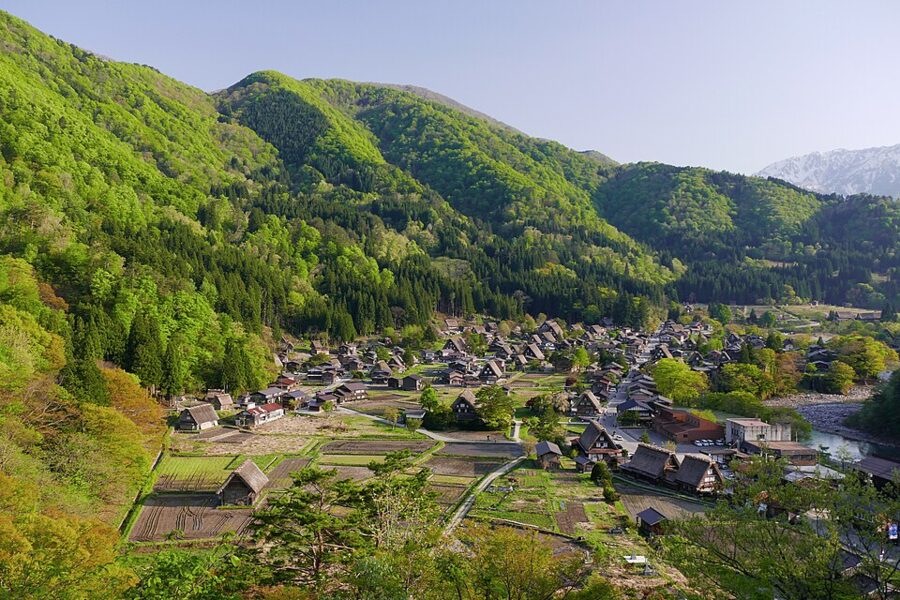
Shirakawa-go (白川郷), the thatched farm village in the mountains of Gifu, is about 1 hour 15 minutes from Kanazawa by Hokutetsu or Nohi express bus, ¥2,900 one way from 1 December 2026, and every seat must be booked. Buses run on to Takayama, so you can see the village on your way south instead of doubling back.

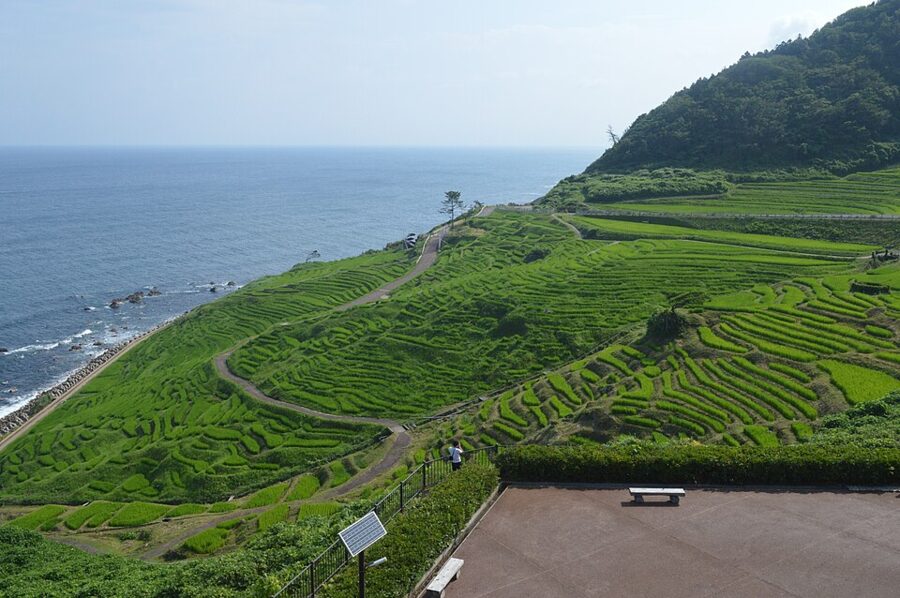
The Noto Peninsula (能登半島), which runs 100 kilometres north from Kanazawa into the sea, was hit by an earthquake of magnitude 7.6 at 16:10 on 1 January 2024, with intensity 7 recorded in Wajima and Shika. By 30 June 2026 the toll stood at 743 dead, 515 of them from disaster-related causes after the quake, and heavy rain in September 2024 did further damage. The fire that destroyed Wajima’s morning-market street burned about 300 buildings; road and rebuilding work on the site began in March 2026, and the market’s traders sell meanwhile from the Y-Plaza Wajima shopping centre. The Noto Railway reopened to Anamizu in April 2024, but rebuilding goes on, so check the prefecture’s current notices before going north, and stay with what is open rather than what was there.

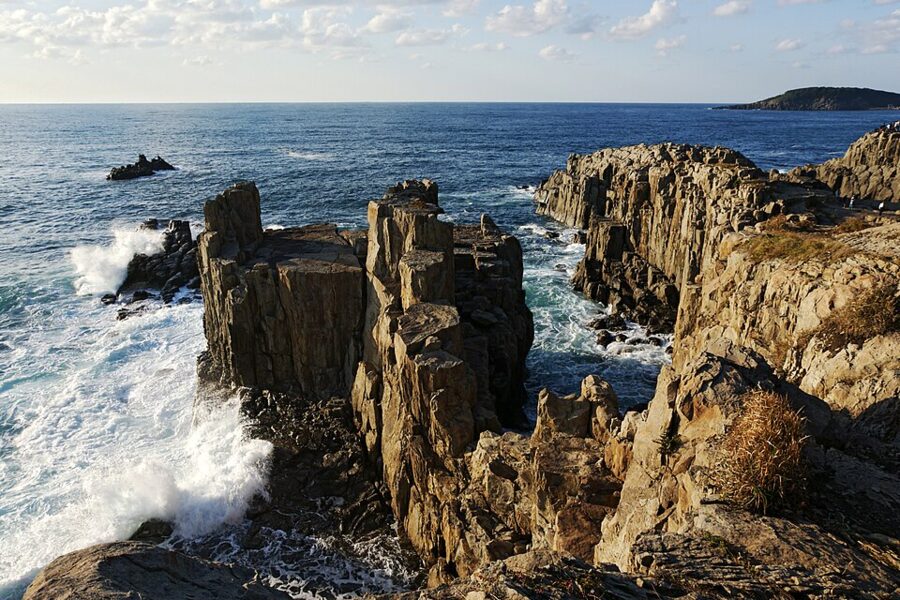
Fukui (福井県), now about 25 minutes away by shinkansen, opens up the basalt cliffs of Tojinbo, the Zen temple of Eiheiji in its cedar valley, and the prefecture’s dinosaur museum at Katsuyama.

One, two or three days
One day: be at Kenrokuen when it opens at 07:00 (08:00 in winter), or slip in free before that, then cross into the castle park, then walk down through the Nezumita-mon to Oyama Shrine and on to Omicho for an early lunch. Spend the afternoon at the 21st Century Museum and the D.T. Suzuki Museum, unless it is a Monday, and finish in Higashi Chaya as the lamps come on.
Two days: add a morning in Nagamachi, with Nomura-ke, then cross the Sai River to Nishi Chaya and a booked tour of Myoryuji, and wander Teramachi afterwards. In the afternoon, do the crafts: the Yasue Gold Leaf Museum, the Ishikawa Life Crafts Museum and the National Crafts Museum, and walk up Utatsuyama for the view at dusk.
Three days: give the third to Shirakawa-go by bus, or take the shinkansen south to Fukui for Tojinbo and Eiheiji. Between November and March, keep an evening for crab, and in rain swap Teramachi for a long sit by the Water Mirror Garden.
Whatever you choose, keep the last evening in the city rather than on a train. If the sky over the sea goes dark on a December evening and the first thunder rolls in, the yellowtail is on its way, and so is the best week of the year to be eating here.