

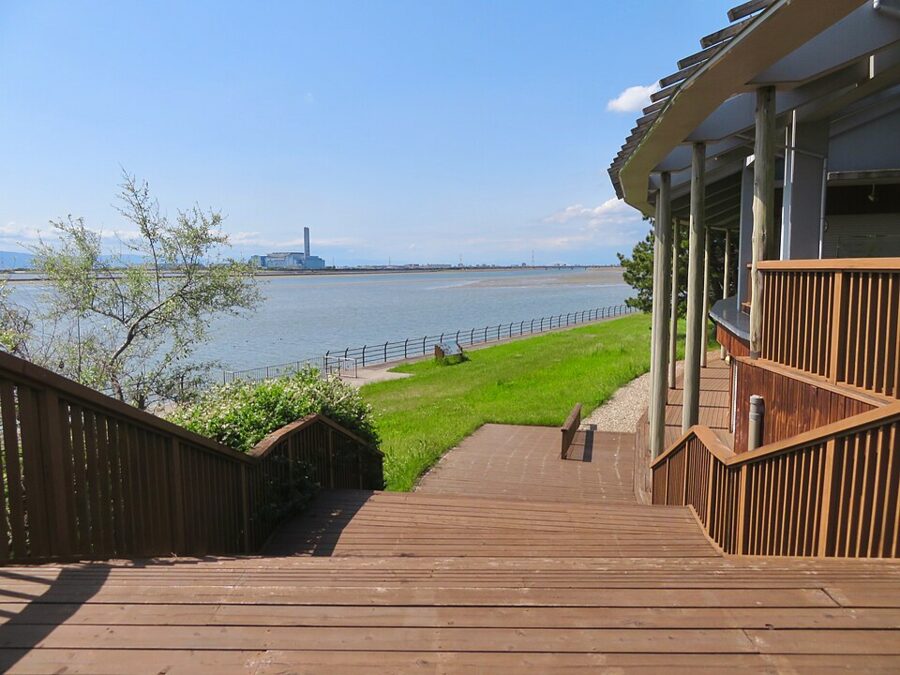
Some time around the year 700 the court poet Takechi no Kurohito stood on the shore south of what is now Nagoya, heard cranes calling as they flew towards Sakurada, and decided the tide must be out at Ayuchi-gata. The poem went into the Man’yoshu, the oldest anthology of Japanese verse. The mudflat it describes has gone under factories, rail yards and the port of Nagoya, but its name survived. Ayuchi became the Aichi district of Owari province, and in 1872 the district gave its name to Aichi Prefecture (愛知県).

The characters chosen for the name mean “love” and “knowledge”, which is a happy accident of spelling rather than a statement of intent. What the prefecture actually knows about is making things. Aichi has shipped more manufactured goods than any other prefecture every year since 1977, about ¥58 trillion worth in 2023, close to three times the figure for Shizuoka in second place. It is also where Oda Nobunaga, Toyotomi Hideyoshi and Tokugawa Ieyasu, the three men who ended a century of civil war, were born within a day’s ride of one another.
Most people see Aichi through the window of a Tokaido Shinkansen and change trains at Nagoya without leaving the station. I think that is a mistake, though not a large one. Give it two days if you are passing through and four if you want to understand how a castle town became the centre of Japanese industry. Nagoya is the base for both, and the rest of Aichi is a short train ride from it in every direction.
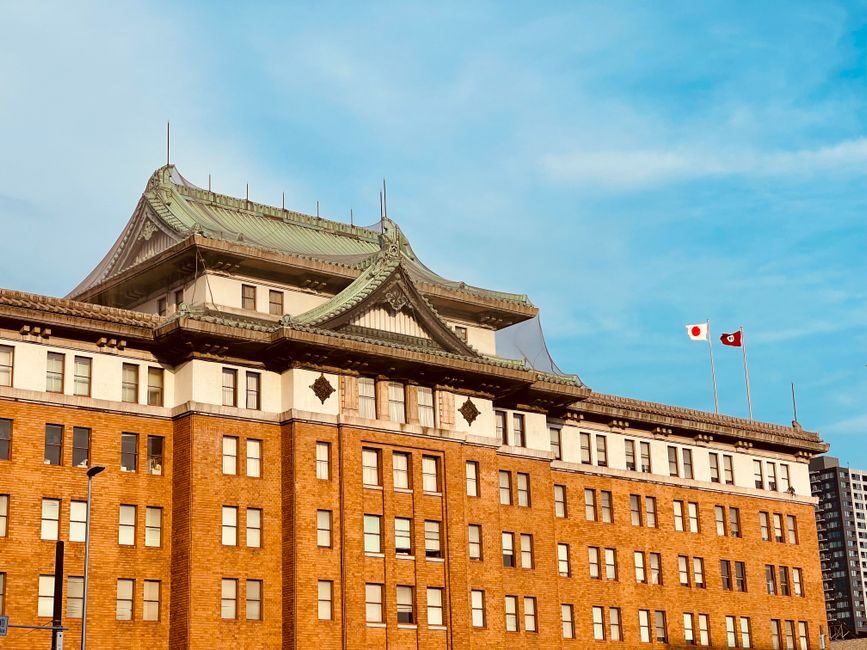
In this guide
Owari, Mikawa and three men from one plain
Aichi is two old provinces stitched together. Owari (尾張), the western half, is the flat, rice-rich delta of the Kiso and Shonai rivers, with Nagoya at its heart. Mikawa (三河), the eastern half, runs from the Yahagi river to the Shizuoka border and the long arm of the Atsumi Peninsula. Mikawa people will tell you, unasked, that they are not from Nagoya.
The two halves came together after the domains were abolished in 1871. Owari, minus the Chita Peninsula, became Nagoya Prefecture, and Mikawa and Chita became Nukata Prefecture. Nagoya Prefecture took the name Aichi in April 1872 and swallowed Nukata that November. Owari, Western Mikawa and Eastern Mikawa are roughly equal in area, but about seven people in ten live in the Owari third.
The unifiers
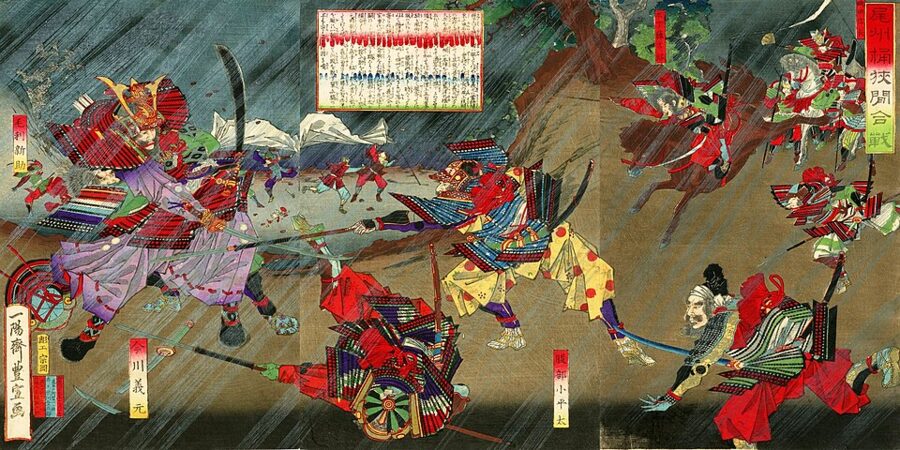
Oda Nobunaga was born in Owari in 1534, the heir of a minor branch of the Oda clan. Where is disputed. The old textbook answer was Nagoya Castle, an earlier fort on the site of the present one, but a courtier’s diary suggests the Oda had not yet taken it in 1534, and since a paper of 1992 most historians have favoured Shobata Castle, west of the city. In 1560 he made his name at Okehazama, on the southern edge of modern Nagoya, where a few thousand Owari troops fell on the far larger army of Imagawa Yoshimoto in a rainstorm and killed its general.
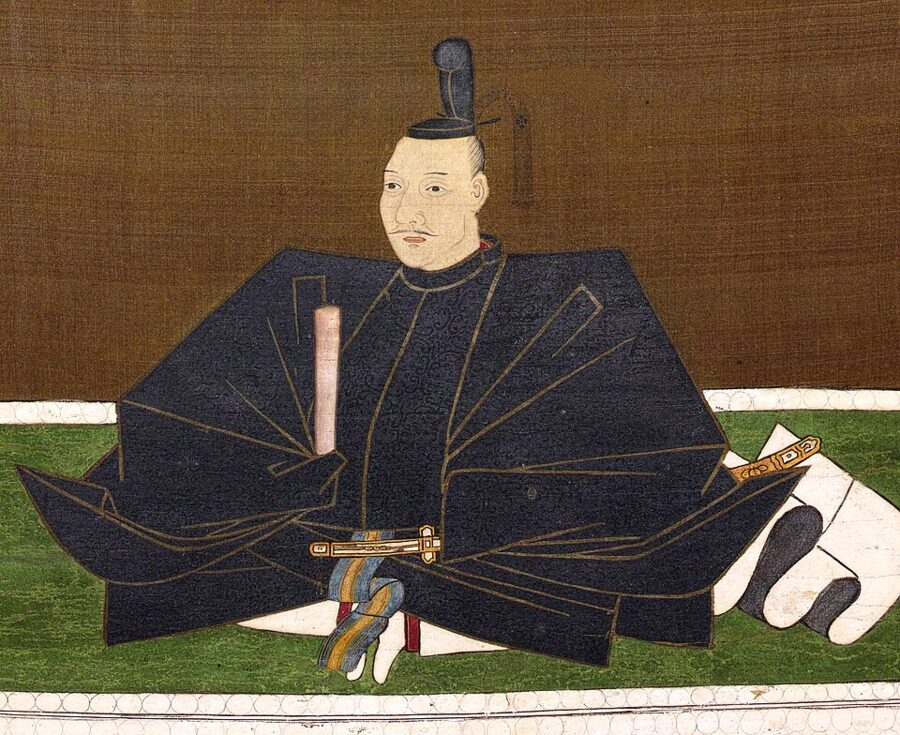
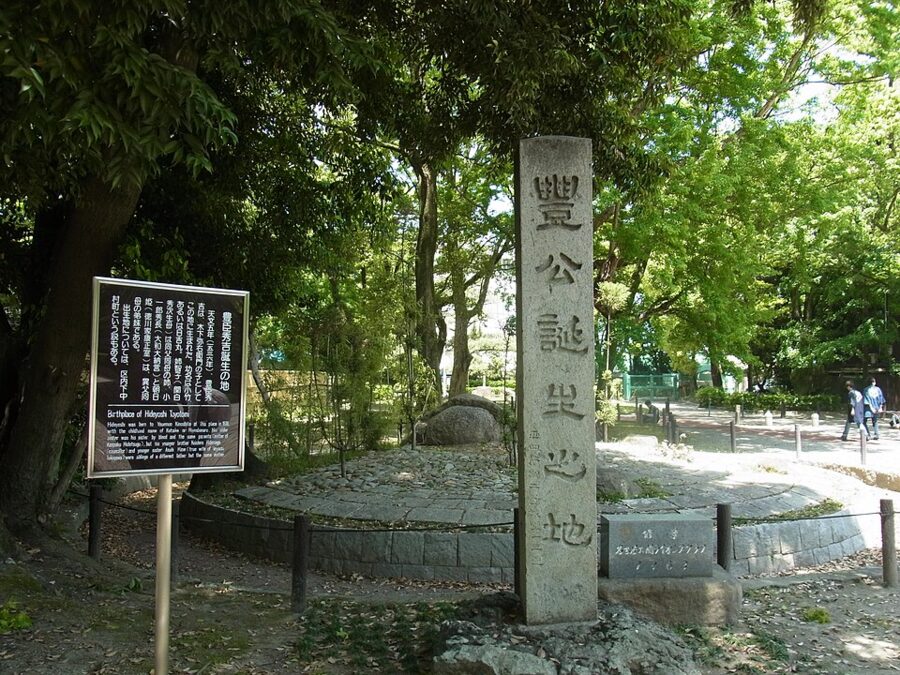
Toyotomi Hideyoshi came from much further down. An early Edo account, the Taiko Soseiki, places his birth at Nakamura, now Nakamura Ward just west of Nagoya Station, as the son of a foot soldier or farmer, and the year traditionally given is 1537. He rose through Nobunaga’s service and finished the unification after Nobunaga was killed in 1582. A stone in Nakamura Park marks the birthplace, which is as much as anyone can say for certain about it.

Tokugawa Ieyasu was born in Okazaki Castle in Mikawa on the 26th day of the 12th month of Tenbun 11, which falls on 31 January 1543. He spent much of his childhood as a hostage, first of the Oda and then of the Imagawa, and Okehazama freed him. He allied with Nobunaga in 1562, and in 1575 their combined army broke the Takeda cavalry at Nagashino, now Shinshiro in eastern Mikawa, from behind a wooden palisade lined with musketeers.
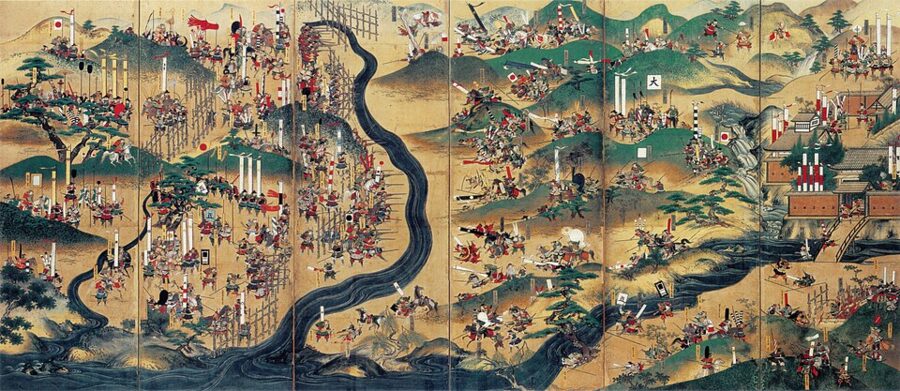
The one time Ieyasu and Hideyoshi fought each other was in Owari too, in the Komaki and Nagakute campaign of 1584, which ended in a negotiated peace. Sixteen years later Ieyasu won at Sekigahara, and in 1603 he became shogun. An Edo-period satirical verse sums up the three: Oda pounded the rice, Hashiba (Hideyoshi) kneaded the cake of the realm, and Tokugawa ate it without getting up.
The Owari Tokugawa
In 1609 Ieyasu ordered a new castle for his ninth son, Yoshinao, on a low terrace called Nagoya, and the old Owari capital at Kiyosu was abandoned. The move, the Kiyosu-goshi, took the whole town: more than 50,000 people, three shrines and about 110 temples moved to the new castle town between about 1612 and 1616. The Owari domain grew to 619,500 koku, the measure of rice a domain was assessed to produce, and its lords ranked first among the three senior Tokugawa branch houses, the gosanke.
From looms to cars
Owari grew cotton and wove it, and in the Meiji era its weaving trade produced Toyoda Sakichi. He was a carpenter’s son from Kosai, just over the border in Shizuoka, and in 1890 he invented a wooden hand loom that wove faster and more evenly than the ones in use. Power looms and automatic looms followed, and by the mid-1920s his Type G loom could change its own shuttle without stopping. In 1926 he founded Toyoda Automatic Loom Works in Kariya, between Nagoya and Okazaki.
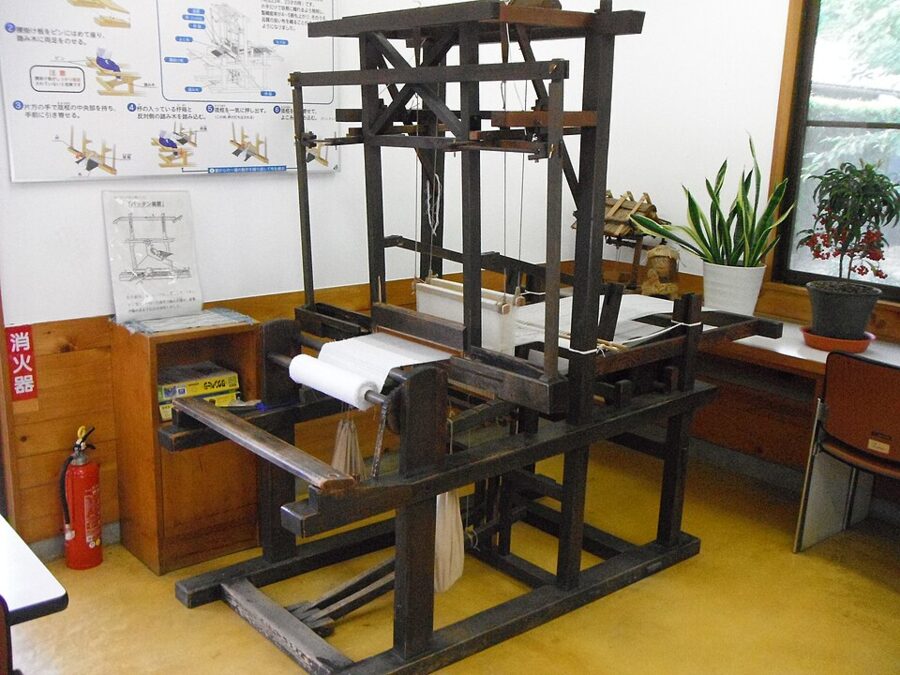

His son Kiichiro used the company’s money, including the sale of loom patent rights to Platt Brothers of Oldham, to build cars. The car department was spun off in 1937 as Toyota Motor Co. and moved to the farming town of Koromo in Mikawa, which renamed itself Toyota City in 1959. The parts suppliers settled around it, and together with the aircraft, ceramics and machine-tool makers already in Nagoya they make up the Chukyo industrial belt, the largest in Japan.
Nagoya
Nagoya (名古屋) has about 2.35 million people, which makes it Japan’s fourth city after Tokyo, Yokohama and Osaka, and it is the capital in all but name of the wider Chubu region. It is a grid laid out for the Kiyosu move, flattened by bombing in 1945 and rebuilt with avenues 100 metres wide that were meant as firebreaks. Other Japanese tease it for being dull. It is better described as a city that saves its interesting things for people who look.
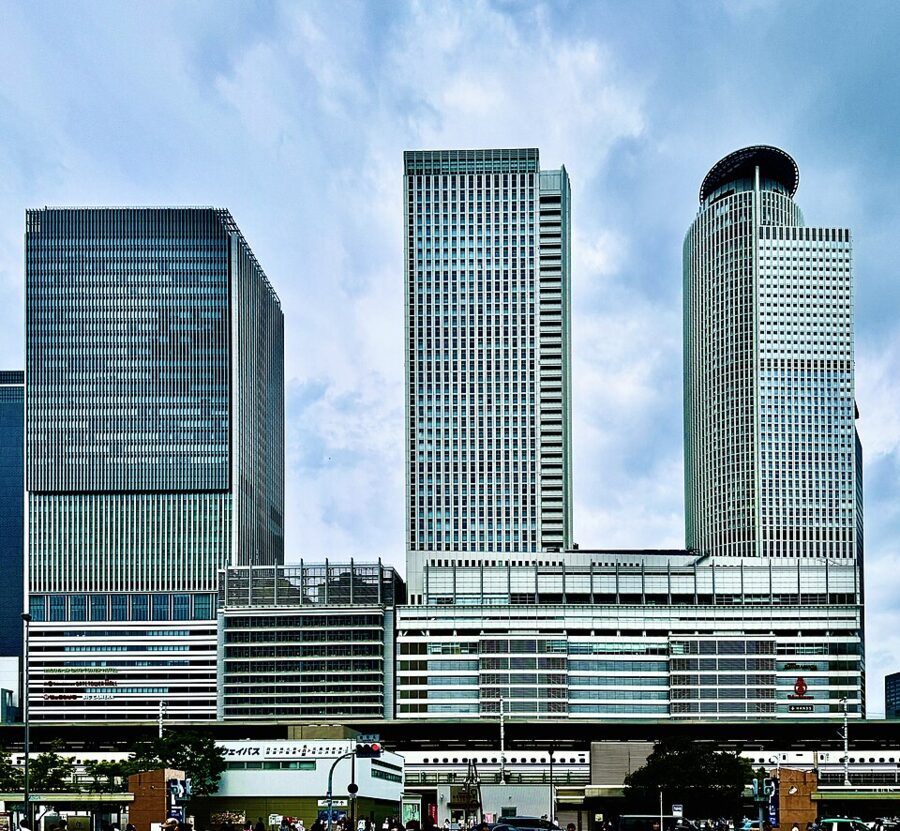
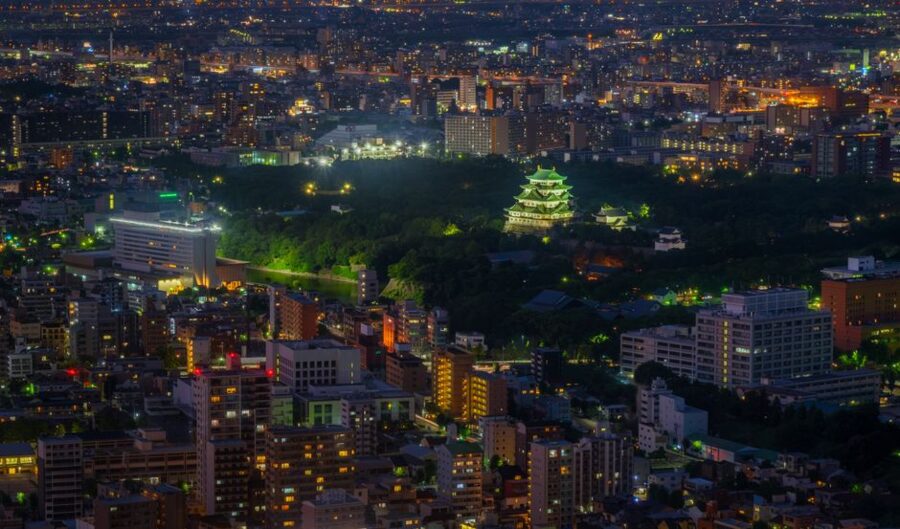
Nagoya Station and Sakae are the two centres, five minutes apart on the Higashiyama subway line, and the castle sits north of both.
Nagoya Castle and the keep nobody can enter
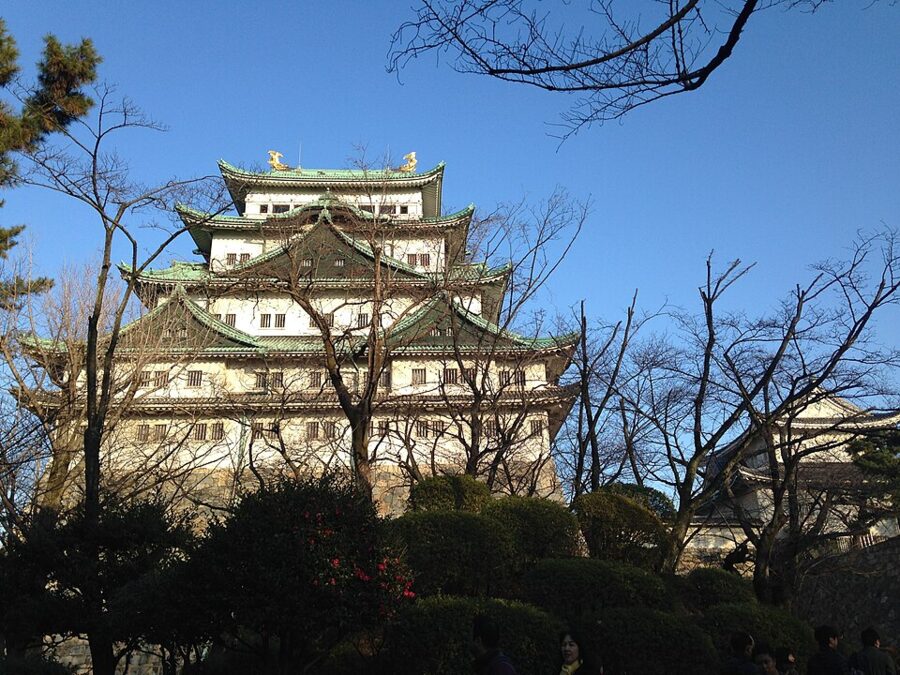
Nagoya Castle (名古屋城) was built from 1610 on Ieyasu’s orders, with the stone walls paid for by western lords whose loyalty he wanted to test and whose money he wanted to spend; Toyotomi Hideyori still held Osaka Castle at the time. The five-storey keep was finished in 1612, and in 1930 it and the Honmaru Palace became the first castle buildings designated National Treasures. Both burned in the air raid of 14 May 1945. The city rebuilt the keep in steel-reinforced concrete in 1959, largely from public donations, with new golden shachihoko, the tiger-headed fish set on the roof to ward off fire.
Here is the keep question. In 2009 the then mayor, Kawamura Takashi, proposed rebuilding the keep in wood from the surviving measured drawings, and on 7 May 2018 the concrete keep was closed because it does not meet earthquake standards. Since then it has run into the Agency for Cultural Affairs over the protected stone walls, a shortage of carpenters, timber costs and a bitter argument over whether a wooden keep must have a lift. In March 2023 the city gave fiscal 2032 as the earliest possible finish, and at the end of 2025 the present mayor said an access policy would be settled around February 2027.
So you walk round the keep, not up it. That is less of a loss than it sounds, because the best thing in the castle was always the palace below it.
The Honmaru Palace was finished in 1615 as the lord’s residence and was used after 1620 as lodgings for visiting shoguns, which is why its last rooms are so lavish. Rebuilding began in January 2009 from photographs, measured drawings and the 1,047 painted panels that had been evacuated in 1944, and the whole palace opened on 8 June 2018. The cypress is new, the copies of the paintings are new, and the craft is very good indeed.
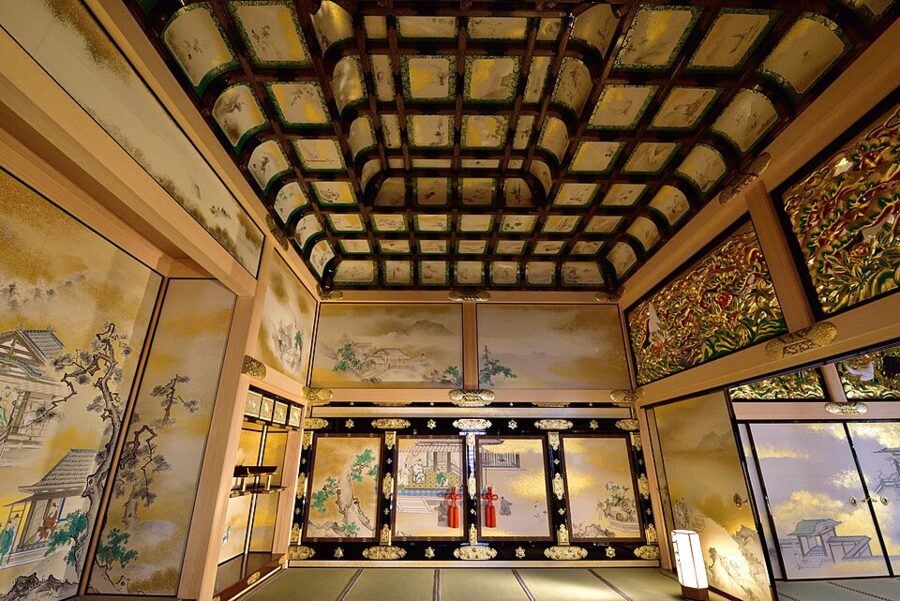

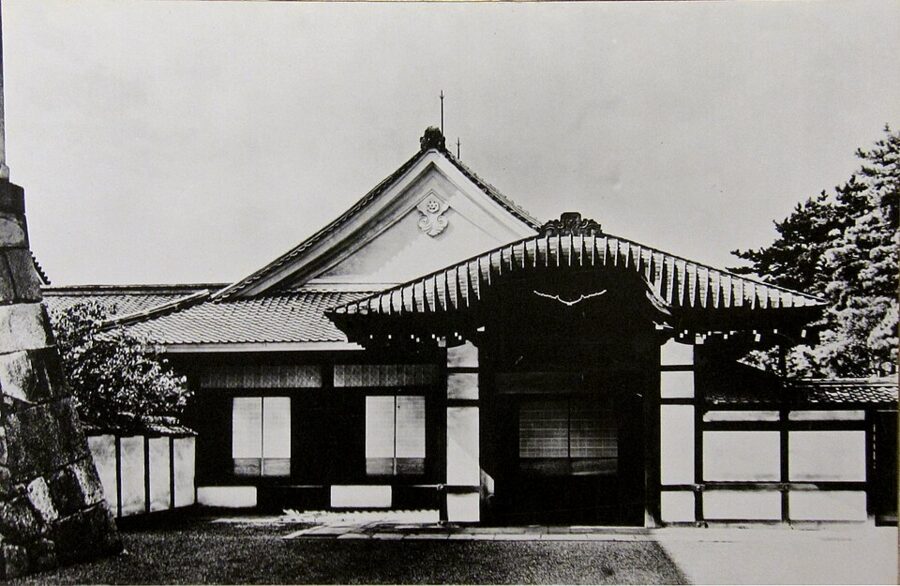
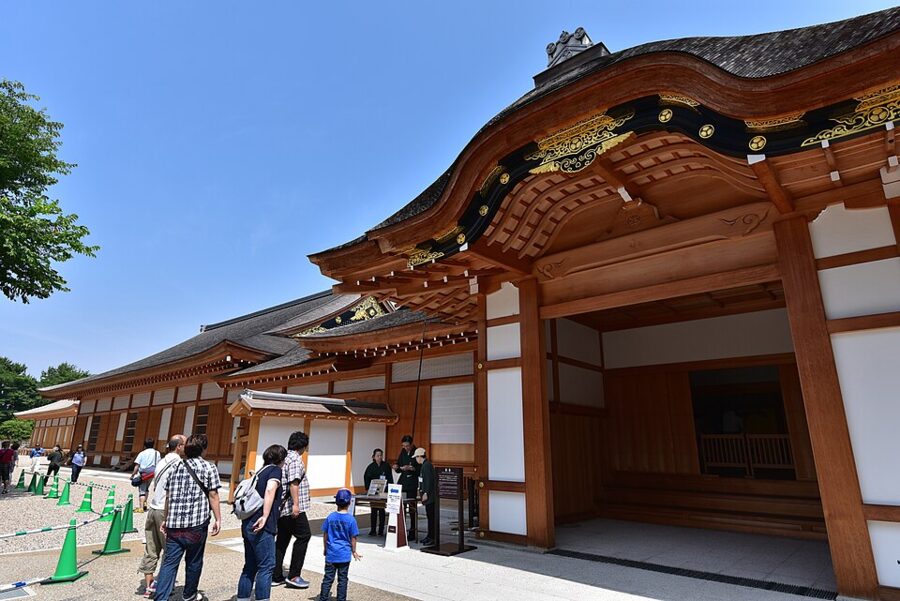

The castle opens 09:00–16:30 and adult admission rose to ¥1,000 on 1 October 2026, palace and treasure house included. Take the Meijo subway line to Nagoyajo Station, exit 7, five minutes on foot. A combined ticket with the Tokugawa-en garden costs ¥1,040 and can be used on a different day.
Atsuta Jingu
Atsuta Jingu (熱田神宮) stood on the shore of Ayuchi-gata when the poem was written. It holds the sacred sword Kusanagi, one of the three imperial regalia, which in legend Prince Yamato Takeru left here with his wife Miyazu-hime. Nobody is allowed to see it, and Japanese sources are frank that the sword has been stolen, lost and replaced at various points in its history. The shrine was rebuilt in 1893 in the plain shinmei style of Ise, burned in the air raids of 1945, and went up again in 1955 in timber handed on from Ise’s own periodic rebuilding.
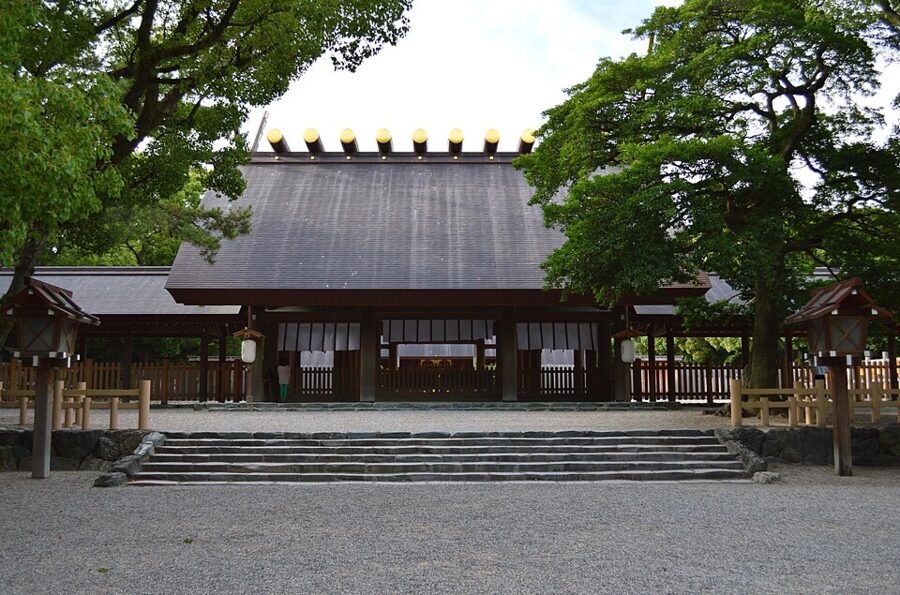
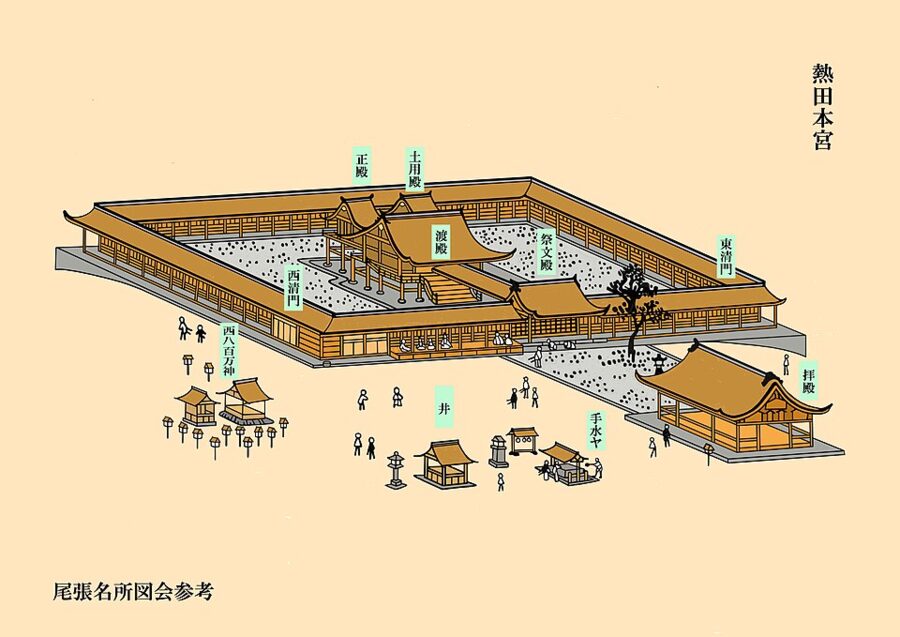
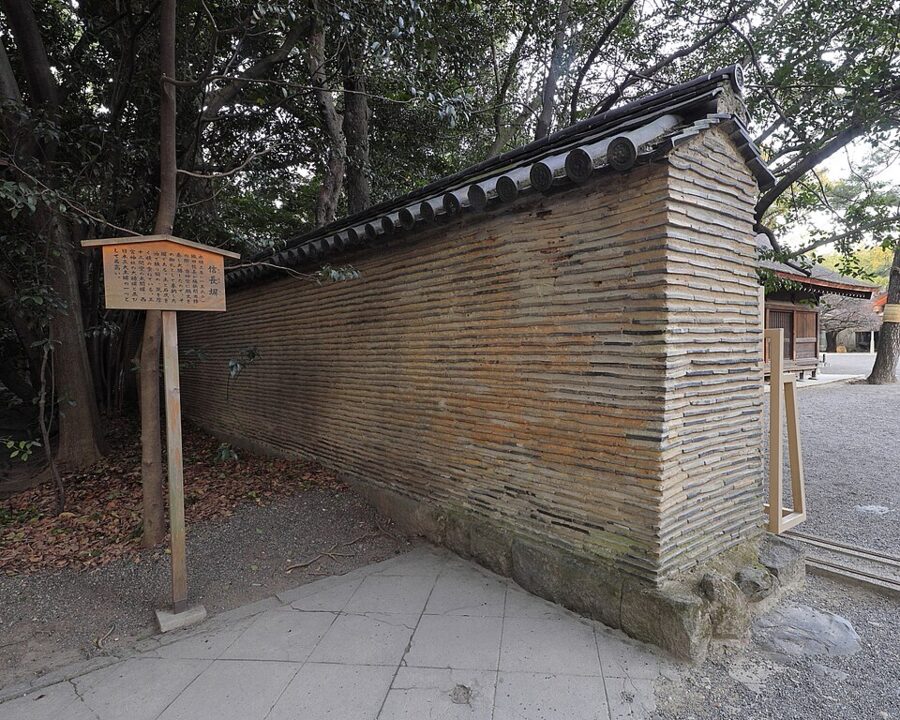
Nobunaga prayed here on his way to Okehazama in 1560 and, after winning, gave the shrine a wall. The Nobunaga-bei is still standing. In October 2021 the shrine opened the Kusanagi-kan, a museum of swords, beside its treasure hall.

Osu and Sakae
Osu Kannon was moved to Nagoya in 1612 from Osu, now part of Hashima in Gifu, on Ieyasu’s orders, bringing its name and its library with it. The library, the Shinpukuji Bunko, holds the oldest surviving manuscript of the Kojiki, Japan’s oldest chronicle, a National Treasure. The main hall burned in March 1945, though the statue of Kannon had been moved to a concrete storehouse and survived. What makes the temple worth the trip is the neighbourhood around it.
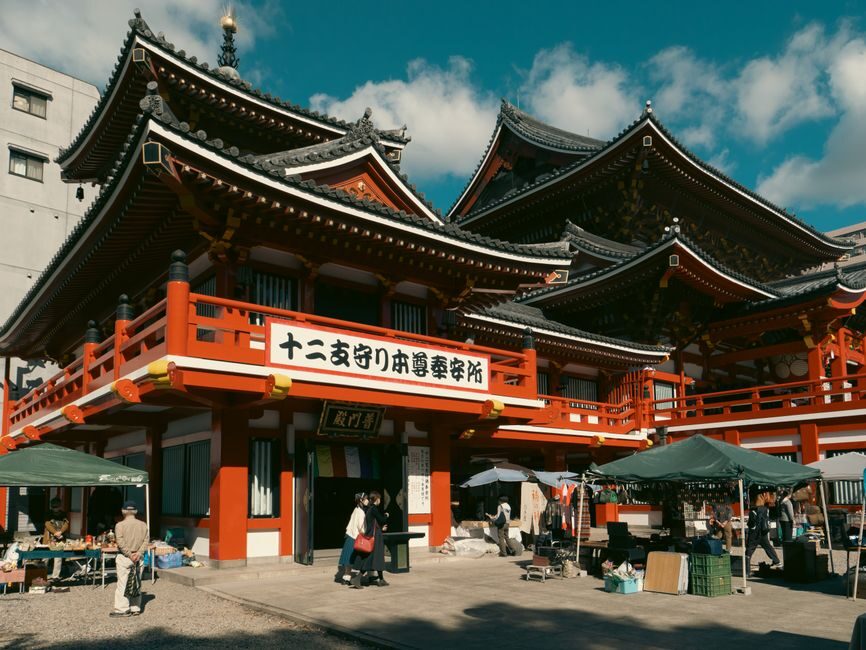
The Osu arcades are a grid of covered streets full of secondhand clothes, electronics, cheap food and small temples. It is the one part of central Nagoya that feels unplanned, and I would spend an afternoon here before one in a department store.
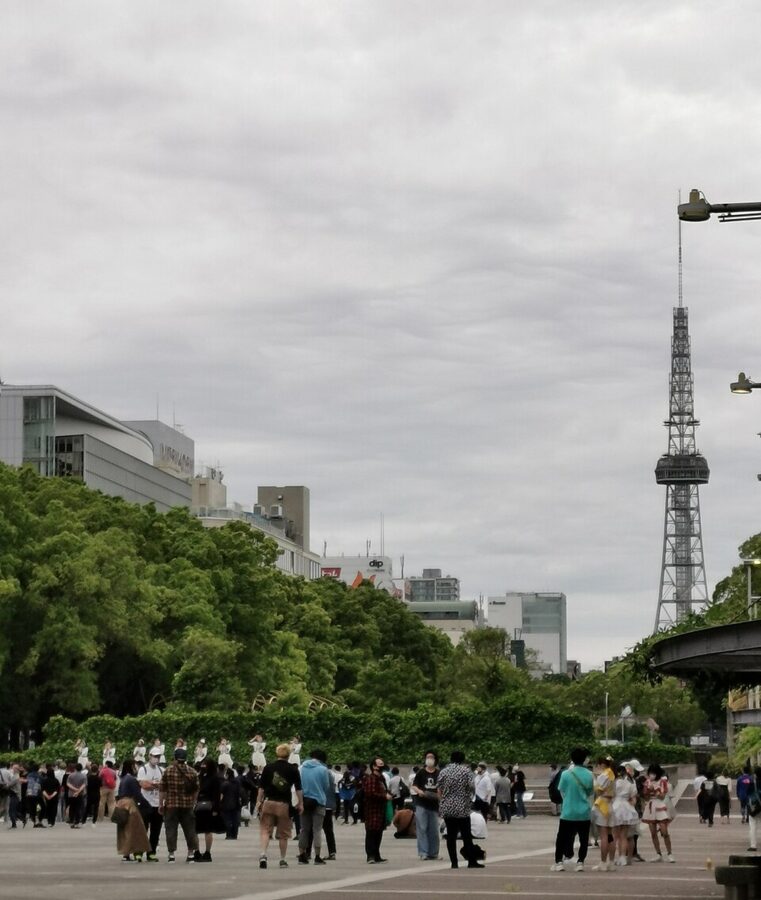
Sakae, a fifteen-minute walk north, is the shopping and office district on Hisaya Odori, one of the firebreak avenues. The tower in the middle was Japan’s first television tower when it opened in 1954, a 180-metre lattice carrying several broadcasters’ aerials at once. Now called the Chubu Electric Power MIRAI TOWER, it became in 2022 the first television tower made an Important Cultural Property.

The Tokugawa Art Museum
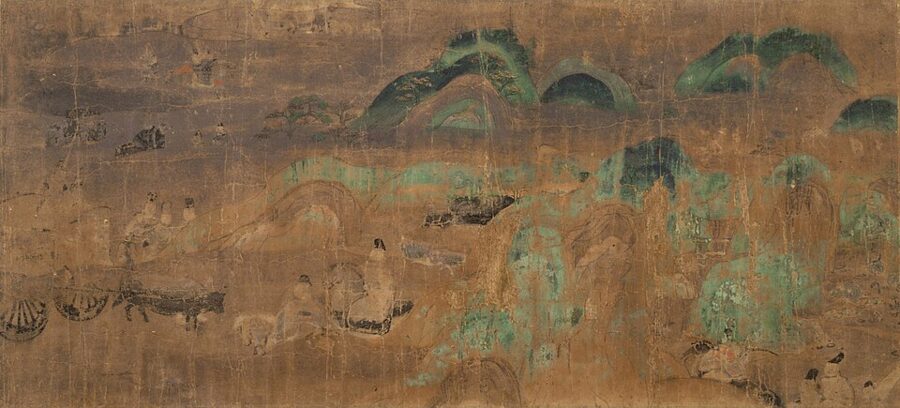
Tokugawa Yoshichika, the 19th head of the Owari house, put the family treasures into a foundation in 1931 and opened the museum in 1935, buying pieces that other noble families were selling at auction along the way. It holds about 10,000 objects, many inherited from Ieyasu himself, with nine National Treasures among them. The most famous is the 12th-century illustrated handscroll of The Tale of Genji, the oldest surviving narrative scroll painting in Japan. It is shown only in short special displays, so check the calendar before you plan around it.
The museum opens 10:00–17:00 and closes on Mondays (the next weekday after a holiday Monday). Admission is ¥2,000, and the Tokugawa-en garden next door is ¥150 more. The Me-guru sightseeing bus from Nagoya Station takes about 30 minutes, or take the JR Chuo line to Ozone and walk ten minutes from the south exit.
Trains, looms and cars
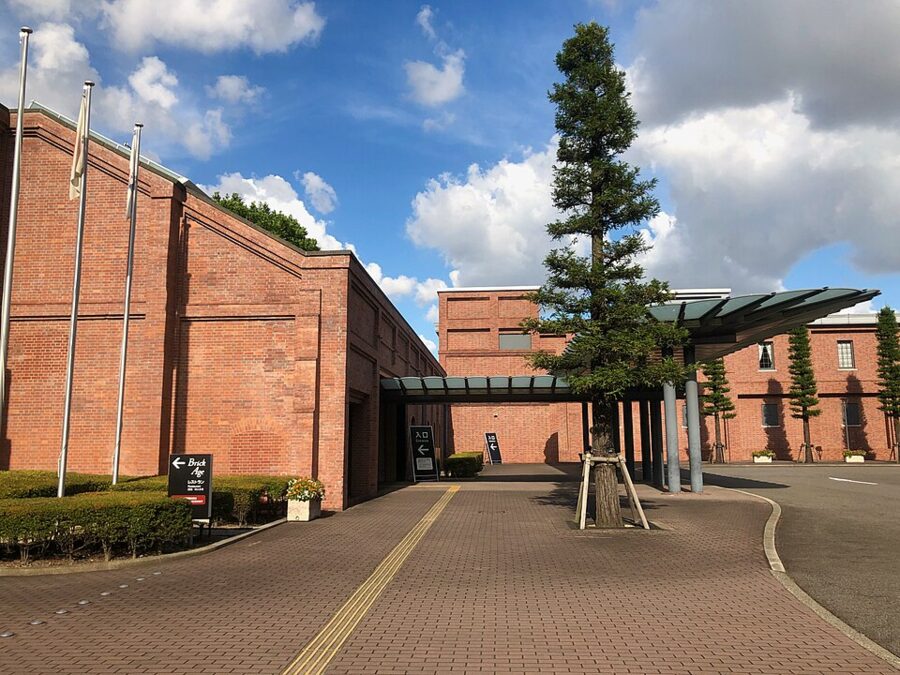
The Toyota Commemorative Museum of Industry and Technology fills the Taisho-era red-brick buildings of the Toyoda spinning and weaving mill at Sako, one stop from Meitetsu Nagoya. It opened on 11 June 1994, the centenary of Toyoda Kiichiro’s birth, and its strength is that the machines run: staff start up looms from the 1890s onwards and demonstrate spinning by hand and by machine. A second hall covers car production. It opens 09:30–17:00, closes on Mondays, and costs ¥1,000; Sako Station is three minutes away.

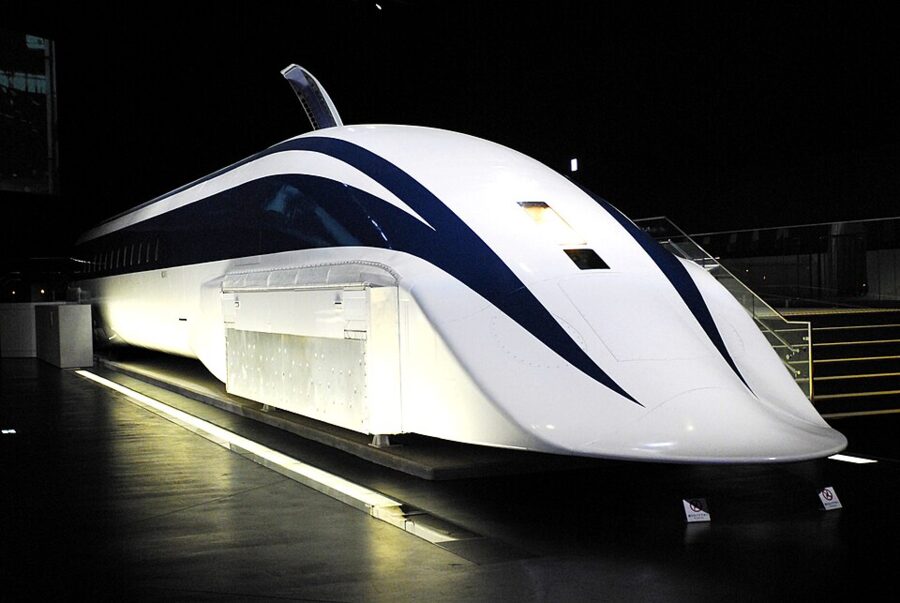
The SCMAGLEV and Railway Park, run by JR Central on the reclaimed port at Kinjo-futo, is the better museum for anyone who wants to understand the shinkansen. It shows 39 real cars, led by three speed-record holders: a C62 steam locomotive that reached 129 km/h on narrow gauge in 1954, the 955 test train that reached 443 km/h in 1996, and the MLX01 maglev car that reached 581 km/h in 2003. Take the Aonami Line from Nagoya Station to Kinjo-futo, 24 minutes. It opens 10:00–17:30, closes on Tuesdays outside holiday seasons, and costs ¥1,200.

Ghibli Park
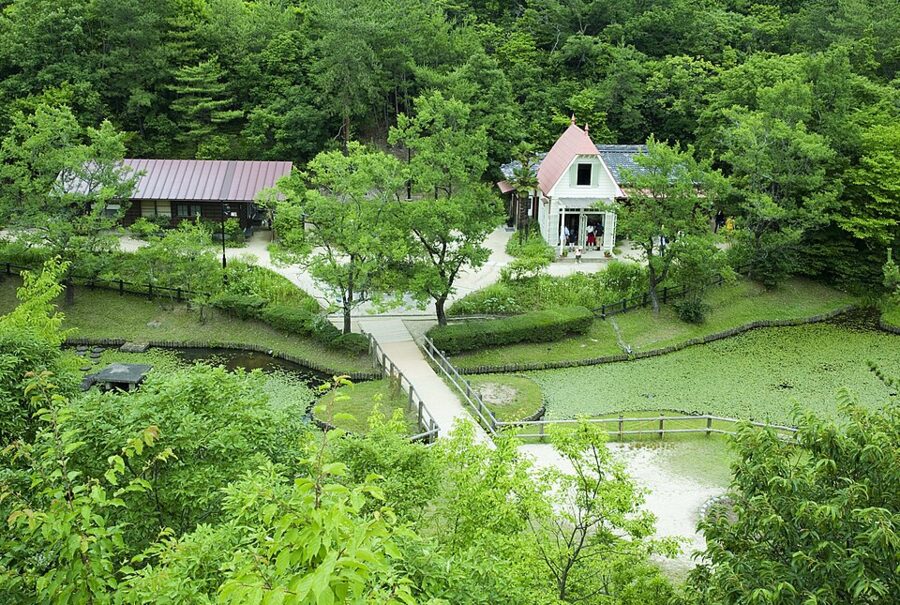
Ghibli Park is in the Expo 2005 Aichi Commemorative Park at Nagakute, east of Nagoya, on the site of the 2005 World Expo. Three areas opened on 1 November 2022, a fourth in November 2023 and the Valley of Witches on 16 March 2024. It is buildings and exhibitions from the Studio Ghibli films, not rides, spread across the old Expo grounds, so wear walking shoes.

Tickets are sold only in advance, from 14:00 on the 10th of the month two months before your visit. The O-sanpo Premium pass, covering all five areas and every building, costs ¥7,300 on weekdays and ¥7,800 at weekends and on holidays; the O-sanpo Standard pass covers three areas for ¥3,300 or ¥3,800. The park closes on Tuesdays. Take the Higashiyama subway line to Fujigaoka and the Linimo maglev to Ai-Chikyuhaku-Kinen-Koen, at the park gate.
Arimatsu
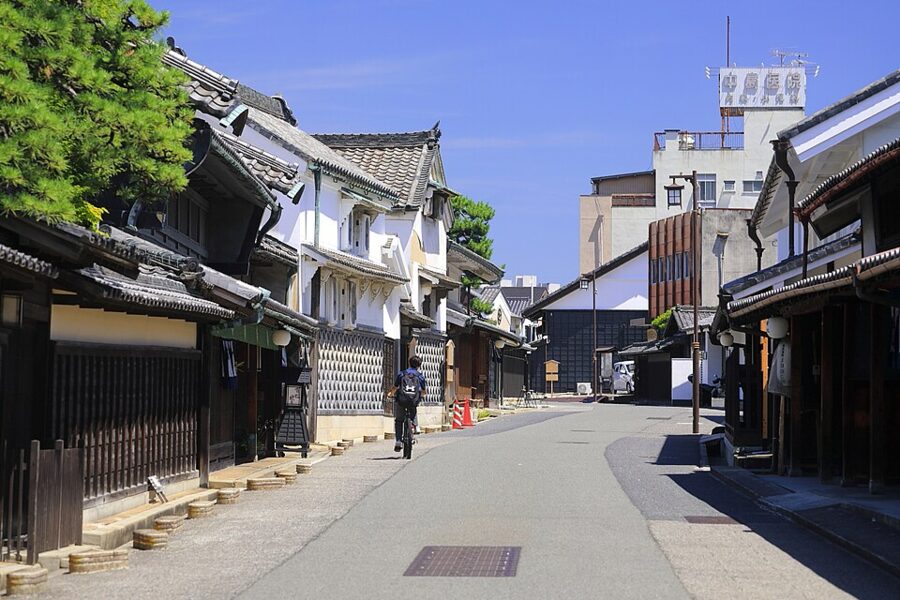
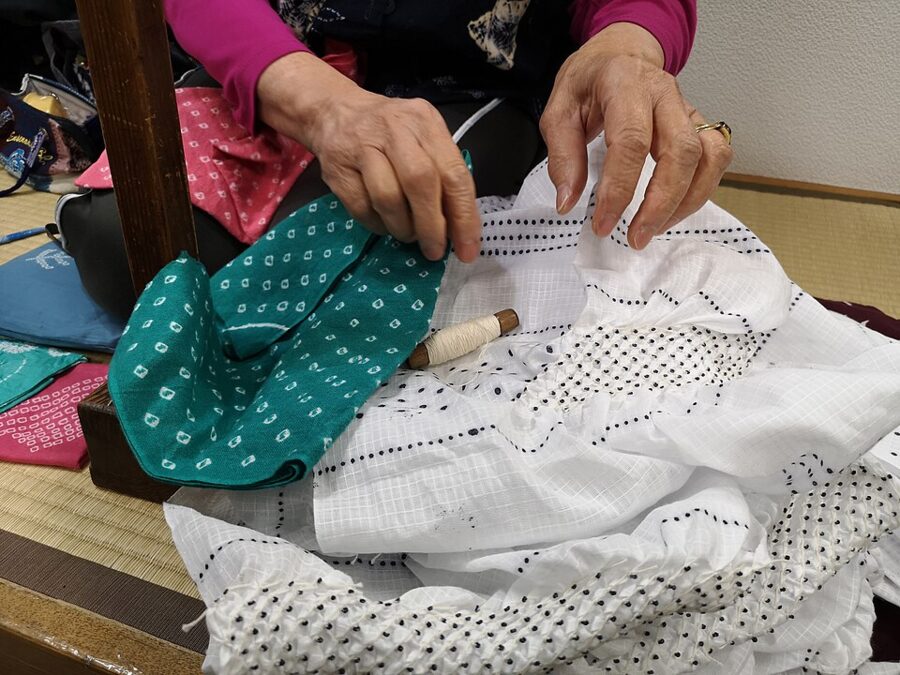
Arimatsu, in Nagoya’s Midori Ward, was founded in 1608 as a new village on the Tokaido, the coastal highway between Edo and Kyoto, close to the Okehazama battlefield. Its people lived by shibori, cotton tie-dyed after being bound in thousands of tiny knots, sold to travellers as souvenirs. The merchants’ houses along the old road are among the best-kept in the Nagoya area, protected by the city since 1984. Arimatsu Station on the Meitetsu Nagoya main line is under half an hour from Meitetsu Nagoya.


Inuyama
Inuyama Castle (犬山城) stands on a bluff above the Kiso River at the northern edge of Aichi, looking across into Gifu. Its keep is one of the twelve that survive from before the Meiji era, and one of five castle keeps that are National Treasures. Tradition dates the first fort to 1537, built by Nobunaga’s uncle, and the castle long called itself the oldest surviving keep in Japan. A tree-ring study begun for the city in 2019 found that the main timbers were felled in the three years from 1585, younger than the tradition but probably still among the oldest.
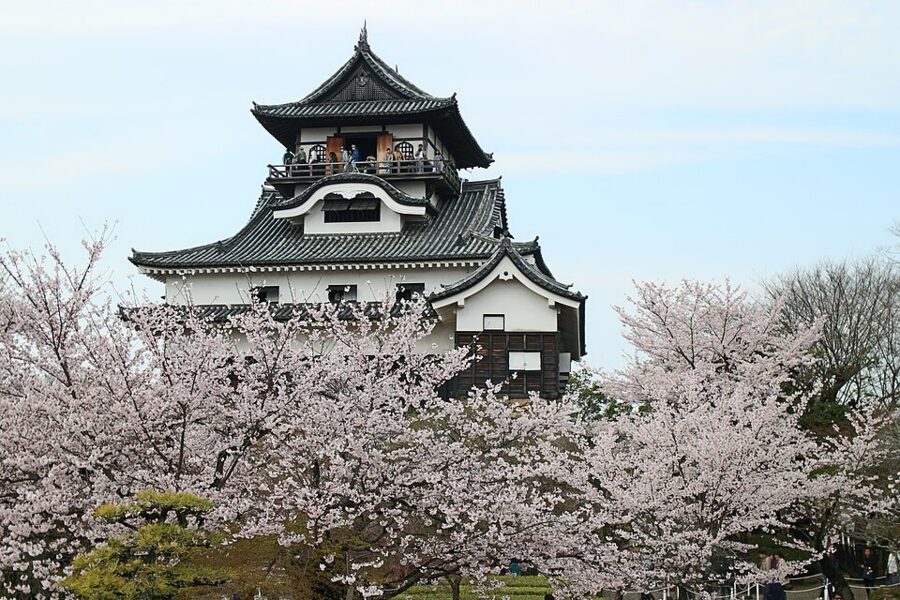

The castle’s other claim is ownership. The Naruse family, who held Inuyama for the Owari Tokugawa from 1617, were given it back by the prefecture in 1895 on condition that they repair it, and it stayed the private property of the head of the family until the end of March 2004, when a foundation took over. No other surviving keep stayed in private hands so late. It opens 09:00–17:00 and costs ¥1,000.
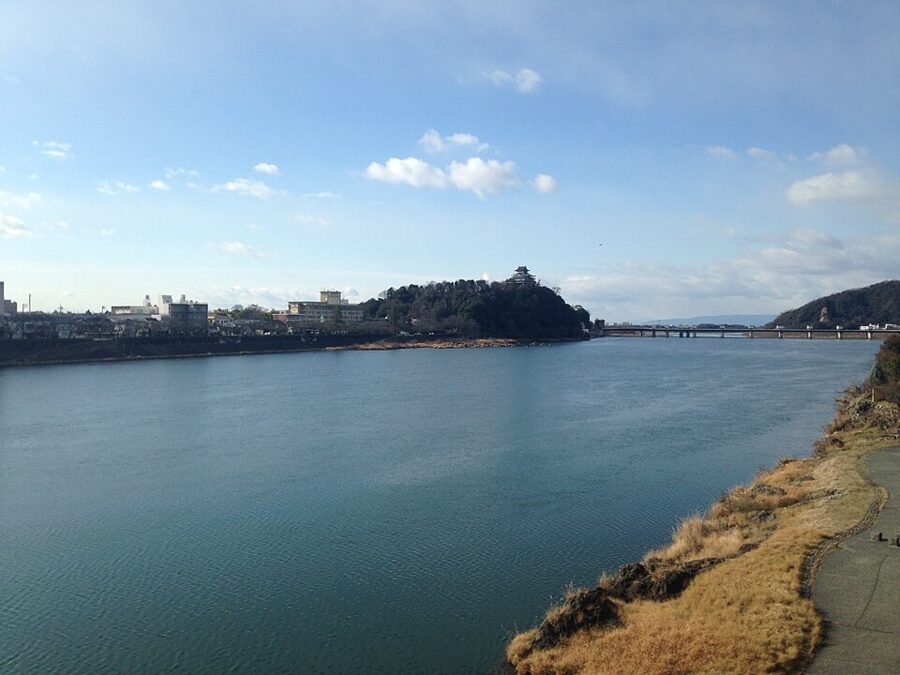

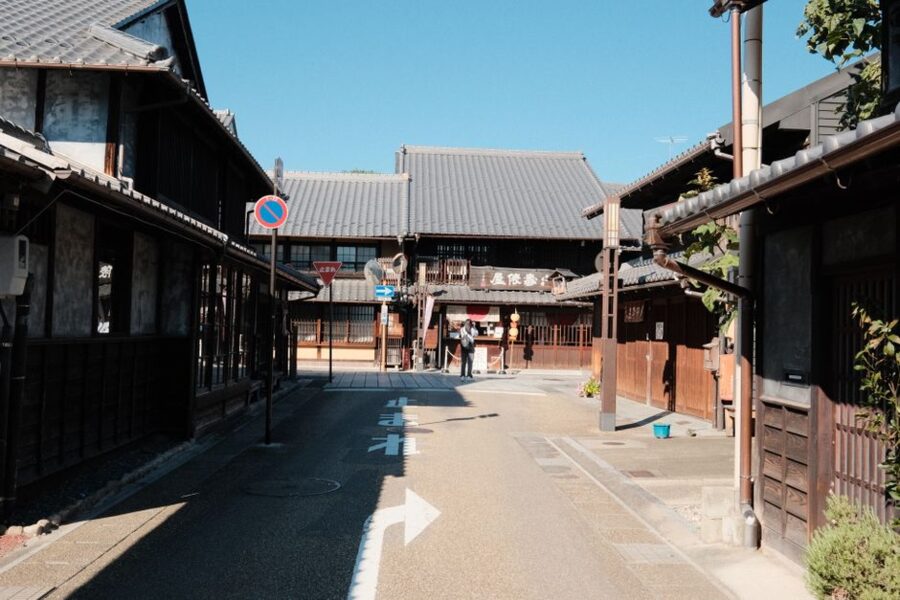
Meitetsu limited expresses from Meitetsu Nagoya reach Inuyama in about 27 minutes; the castle is a 15–20 minute walk from Inuyama Station, or a little less from Inuyama-yuen, one stop further, through the old castle town.
Cormorant fishing on the Kiso
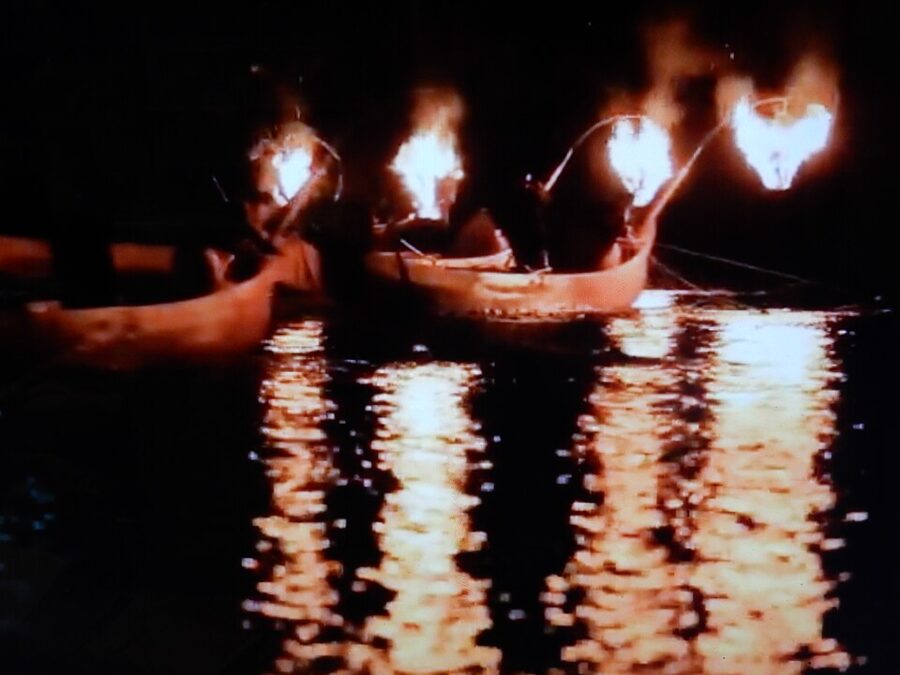
Ukai, cormorant fishing, runs on the Kiso at Inuyama from 1 June to 15 October. A fisherman in a straw skirt works about ten birds on leashes by the light of a fire basket hung over the bow, and the birds catch sweetfish, ayu, which a ring round the neck stops them swallowing. You watch from a roofed boat alongside, close enough to feel the heat. Inuyama added daytime trips in 2003, the first in Japan to do so; the 2026 prices were ¥3,500 for an evening boat without food and ¥6,000 for a daytime boat with lunch.

Urakuen and Meiji-mura
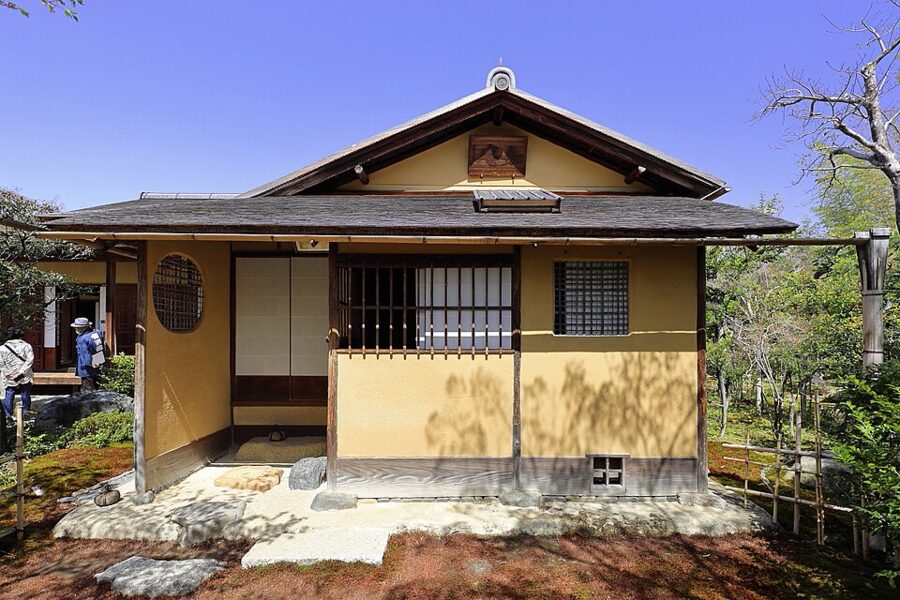
Below the castle, beside the site of the old Meitetsu Inuyama Hotel, the Urakuen garden holds the Joan, a tea house built in Kyoto in 1618 by Oda Urakusai, Nobunaga’s younger brother, who gave up soldiering for tea. It is one of three tea houses in Japan designated National Treasures, and Meitetsu bought it from the Mitsui family and moved it here in 1972. The interior opens only about once a month, but the garden is open daily.

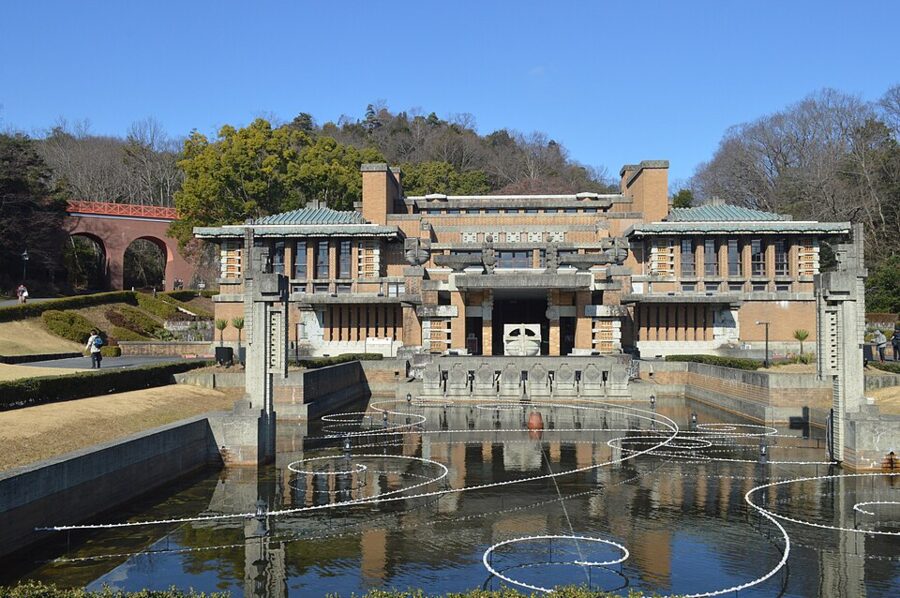
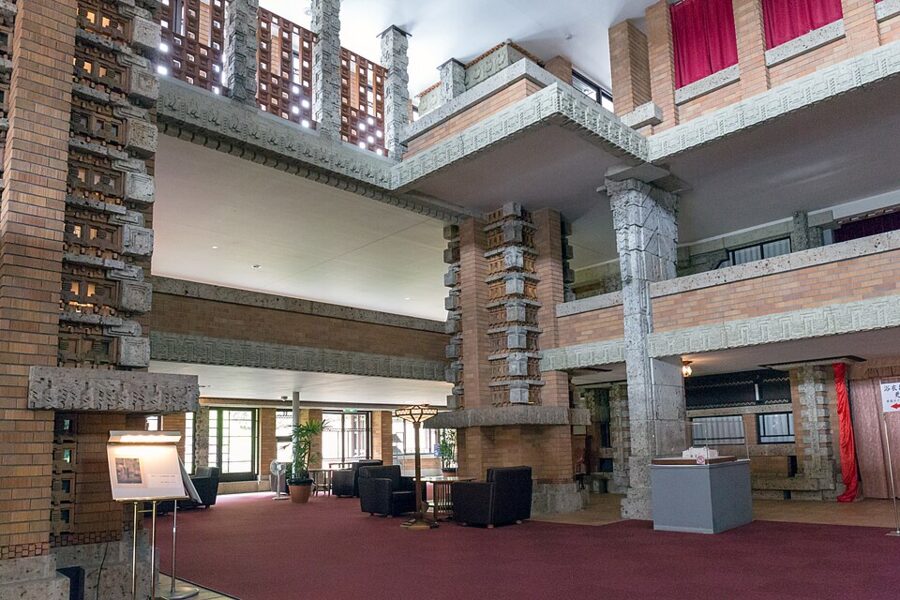
Museum Meiji-mura, by the Iruka reservoir east of Inuyama, opened on 18 March 1965. It was the idea of the architect Taniguchi Yoshiro and Tsuchikawa Motoo, the chairman of Meitetsu, old classmates who watched Meiji buildings being knocked down in the post-war boom. Fifteen buildings were moved there for the opening; there are now more than sixty, from a Kyoto church to the Tokyo house in which the novelists Mori Ogai and Natsume Soseki each lived for a time. Admission is ¥2,500, buses run from the east exit of Inuyama Station, and the grounds cover about a square kilometre of hillside, so give it most of a day.


The kilns: Seto and Tokoname
Aichi has two of the Six Ancient Kilns, the pottery centres that have worked continuously since the Middle Ages, made a Japan Heritage group in 2017. Both grew out of the Sanage kilns in the hills east of Nagoya, where potters made Japan’s first glazed stoneware in the Nara period. Then they parted ways: Seto made fine glazed tableware, Tokoname big unglazed jars and, later, pipes.
Seto
Seto (瀬戸) made so much of Japan’s pottery that setomono, “Seto things”, became the everyday word for ceramics in eastern Japan. Tradition credits a potter called Kato Shirozaemon Kagemasa with bringing glazing from Song China in the 13th century, though historians note that the kilns were glazing before his supposed lifetime and doubt he existed. The yellow Seto and black Seto that Momoyama tea masters prized were mostly made over the hills in Mino, where many Seto potters had moved, but they kept Seto’s name.
The Meitetsu Seto Line runs from Sakaemachi, under Sakae, to Owari-Seto in about half an hour. The Seto-gura Museum, five minutes from the station, has a rebuilt 20th-century workshop with clay-kneading machines that run, and the old Owari-Seto station building reconstructed inside. From there it is a short walk uphill to the Kamagaki no Komichi.
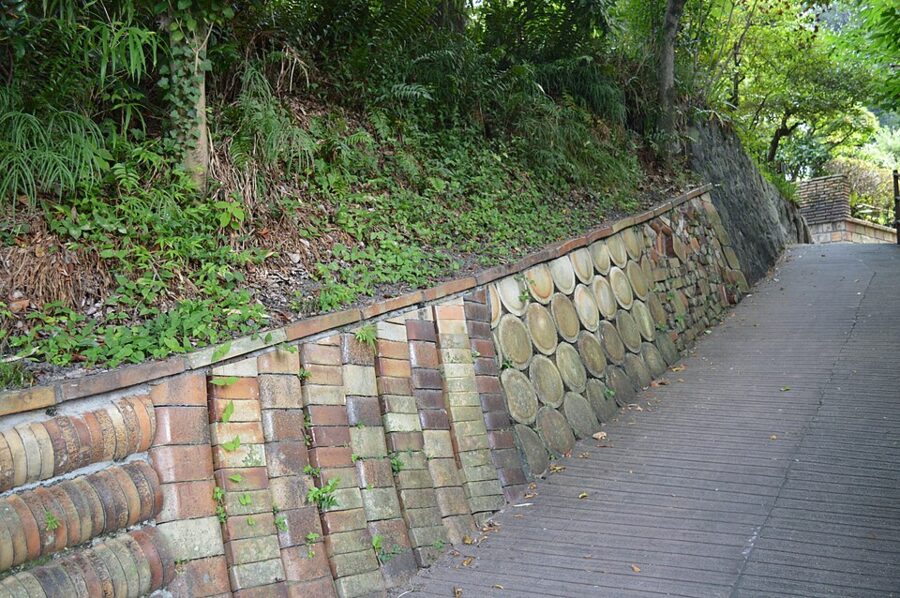

Tokoname
Tokoname (常滑), on the west coast of the Chita Peninsula, began in the 12th century with large jars, which were shipped along the Pacific coast and turn up in excavations from Kamakura to Hiraizumi in the far north. In the Meiji period it switched to clay drainage pipes in huge numbers. It is also Japan’s biggest maker of maneki-neko, the beckoning cats in shop windows.
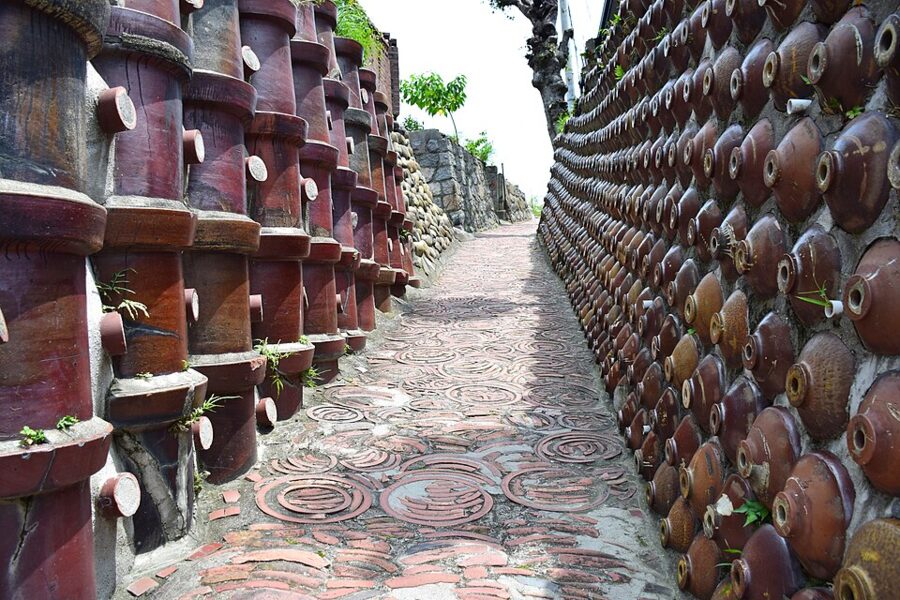

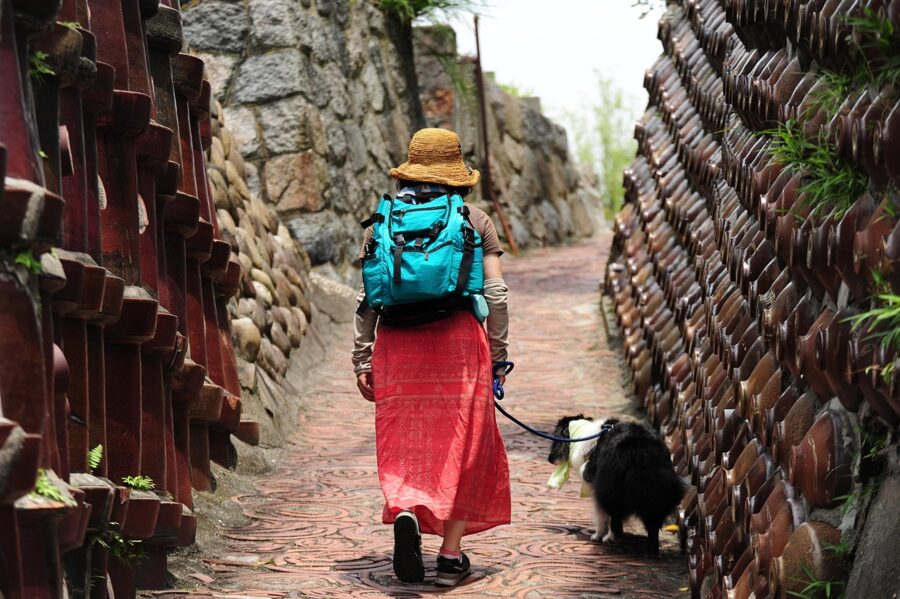
The Yakimono Sanpomichi, the pottery walk, grew up by itself from about 1972 in the hills of Sakae-machi, where narrow lanes kept the old kilns, brick chimneys and tarred wooden sheds from redevelopment. The short course is about 1.6 kilometres and takes an hour. Tokoname is about 30 minutes from Nagoya on the Meitetsu Tokoname Line and five from Centrair, so it fits the first or last afternoon of a trip.
Okazaki and Toyota
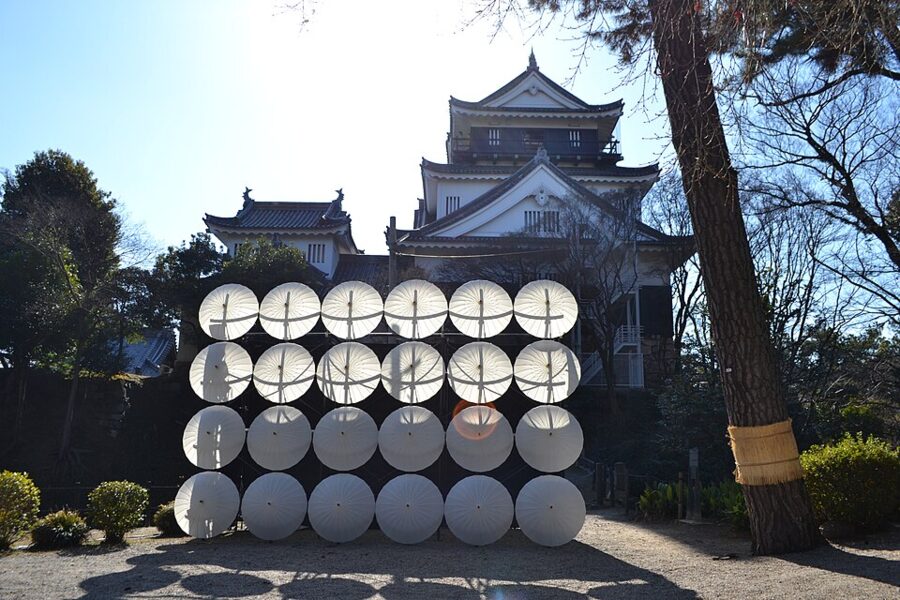
Okazaki (岡崎) is where Ieyasu was born and, in the city’s view, where everything started. The castle was rebuilt in concrete in 1959 and its displays renewed in January 2023 for the NHK historical drama about Ieyasu. It is a pleasant park on the Oto river around a modest building, open 09:00–17:00 for ¥300; walk 15 minutes from Higashi-Okazaki Station, about half an hour from Meitetsu Nagoya by limited express.
Hatcho miso
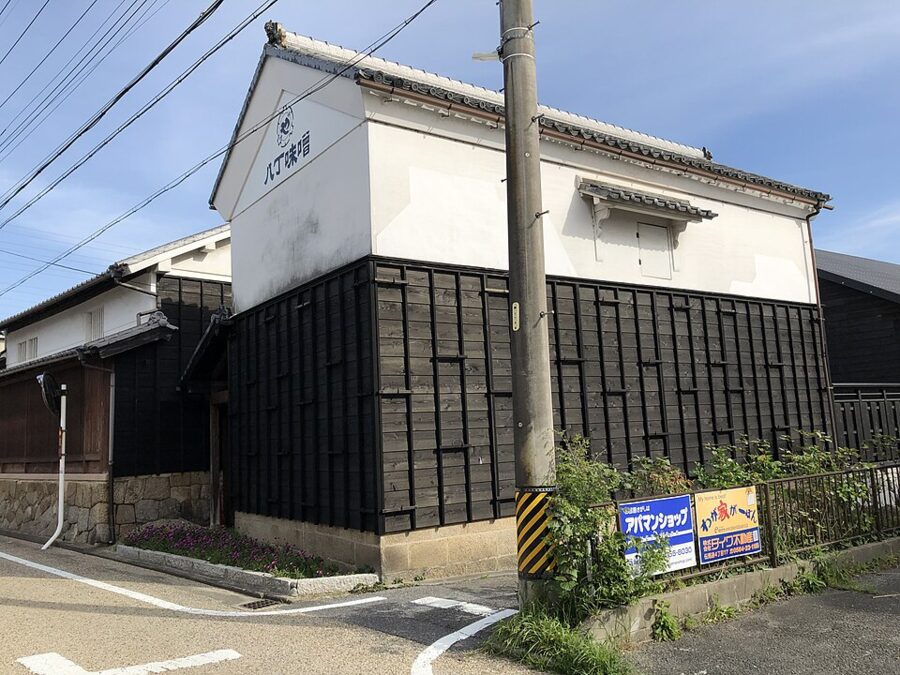
Okazaki’s real monument smells of soybeans. Hatcho miso, a dark miso of soybeans and salt only, is named after Hatcho village, which stood eight cho (about 870 metres) west of the castle. Two family firms still make it there, facing each other across the old Tokaido: Kakukyu, run by the Hayakawa family, and Maruya, by the Ota family. The miso goes into wooden vats about two metres tall, is pressed under about three tonnes of river stones stacked by hand, and is left for two summers and two winters.
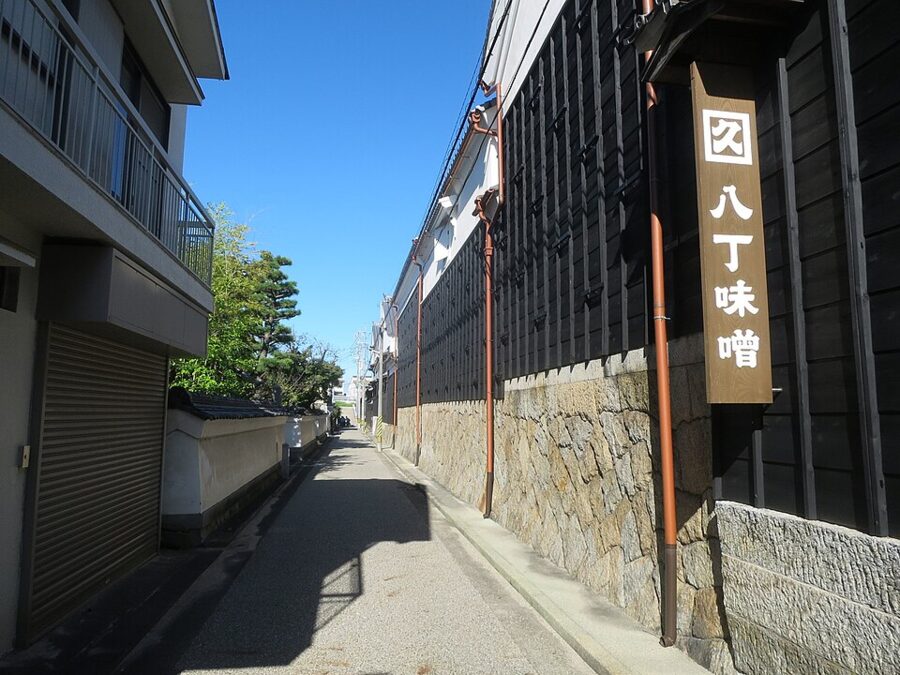
The name has been fought over. When Japan introduced protected geographical indications, the two Okazaki makers applied with Hatcho-cho as the production area, and the prefectural association of miso makers applied with the whole of Aichi. In December 2017 the ministry registered the association’s version, leaving the two firms that had made hatcho miso for centuries unable to use the GI mark. They were added as a producer group in January 2025.
Toyota City
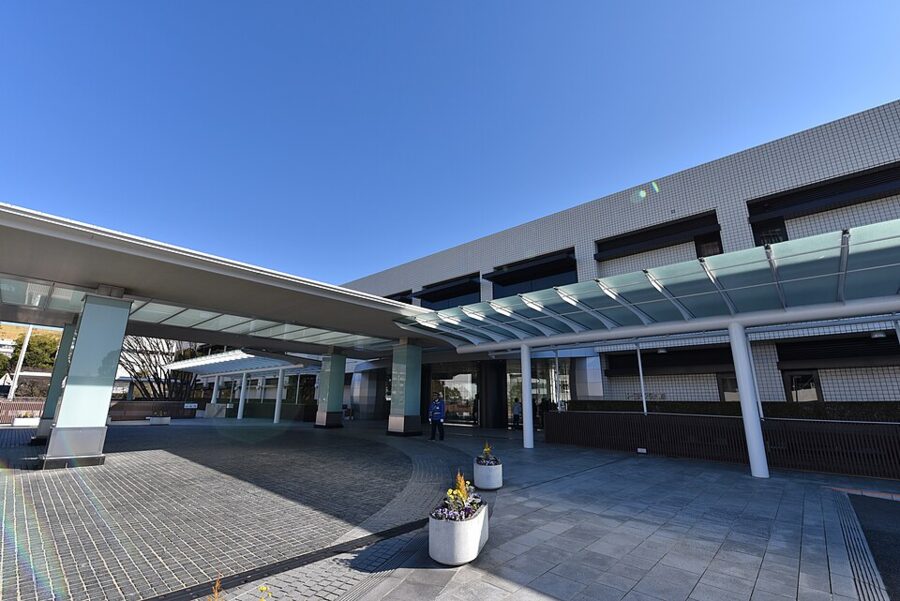
Toyota City (豊田市) is a company town in the full sense: in 2024 its factories shipped ¥20.5 trillion of goods, more than any other municipality in Japan. The Toyota Kaikan Museum, beside the head office, shows current cars, engines and robots, opens 09:30–17:00 Monday to Saturday and is free. Assembly-line tours have started here in the past; ask the Kaikan whether individual visitors can book one before you build a day around it.

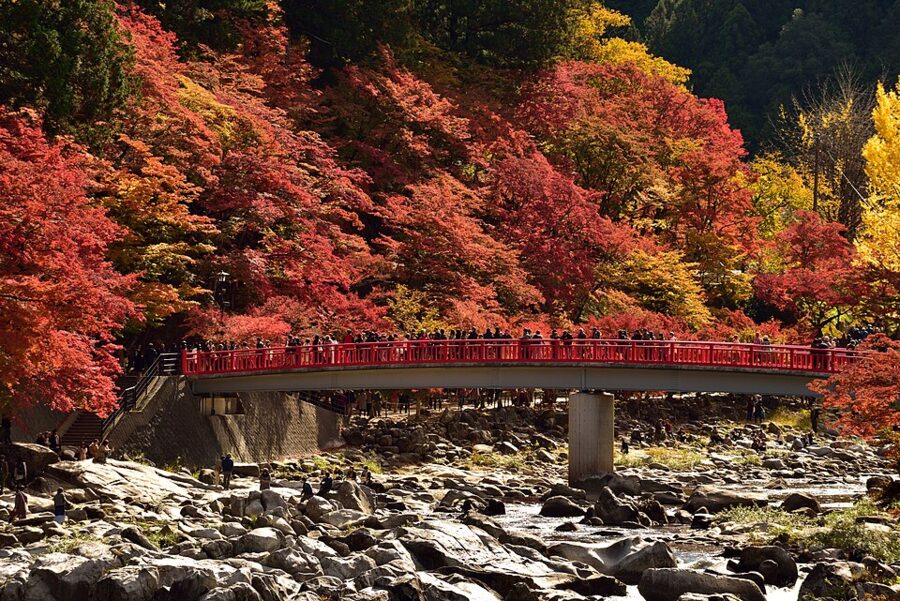
The same city includes the mountain town of Asuke, merged in 2005, and the gorge of Korankei. Its maples go back to 1634, when the priest of Kojakuji planted maples and cedars along the path to the temple. Mid- to late November is peak colour, when the road through Asuke jams solid at weekends. Buses run from Sanage Station on the Meitetsu Mikawa Line in about 40 minutes.

The peninsulas and the islands of Mikawa Bay
Two peninsulas enclose Mikawa Bay like a pair of tongs. The Chita Peninsula (知多半島) hangs south from Nagoya with Tokoname and Centrair on its western shore and Handa, a sake and vinegar town, on its eastern one. The Atsumi Peninsula (渥美半島) reaches west from Toyohashi to Cape Irago, nearly closing the mouth of Ise Bay.
Cape Irago and the Atsumi Peninsula
Atsumi grows flowers and vegetables on an industrial scale, much of it under glass; chrysanthemums grown under electric light so that they bloom out of season are a Tahara speciality. At the tip, Irago faces the Pacific on one side and Ise Bay on the other. In 1898 the young folklorist Yanagita Kunio found a coconut washed up here and told his friend Shimazaki Toson, who had not been there, and Toson turned it into the poem “Yashi no Mi” (The Coconut), later set to music and still widely sung.
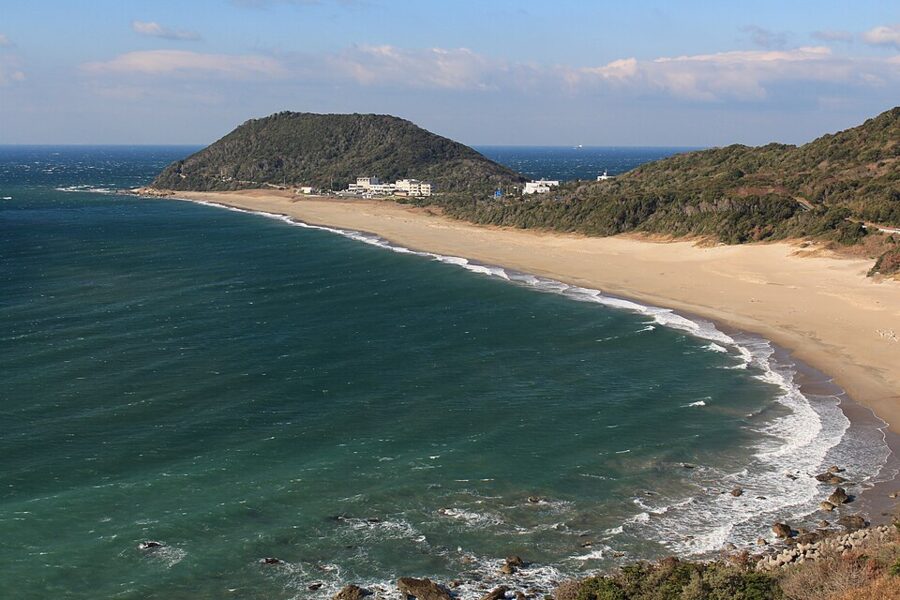

From Irago the Ise Bay Ferry crosses to Toba in Mie in about an hour, which makes a neat loop: Nagoya to Irago, across the bay, then Ise and back to Nagoya on Kintetsu. Without a car, take the Toyotetsu Atsumi Line from Shin-Toyohashi to Mikawa-Tahara and a bus to the cape.

The islands
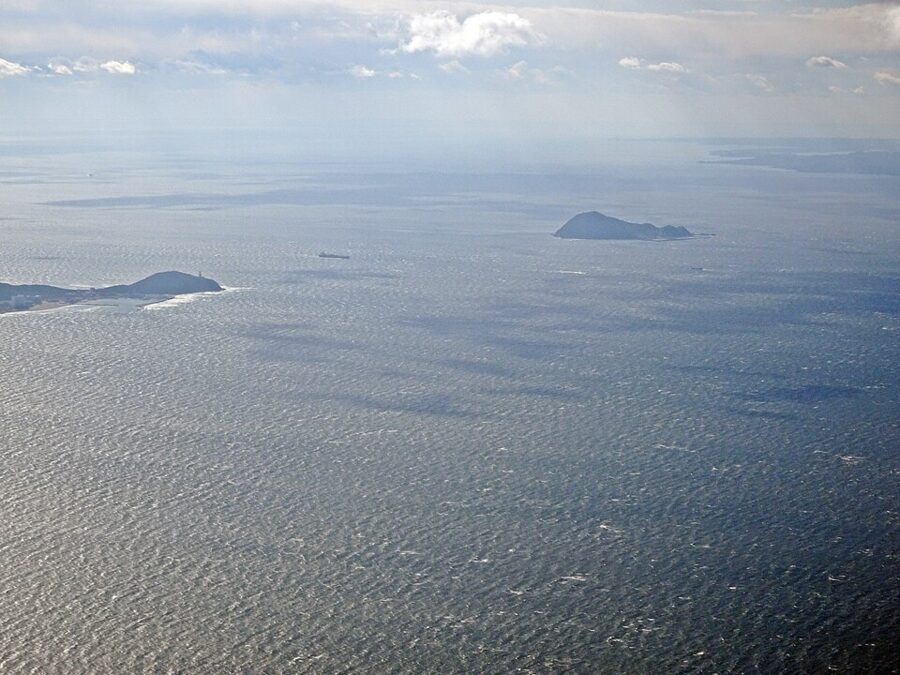
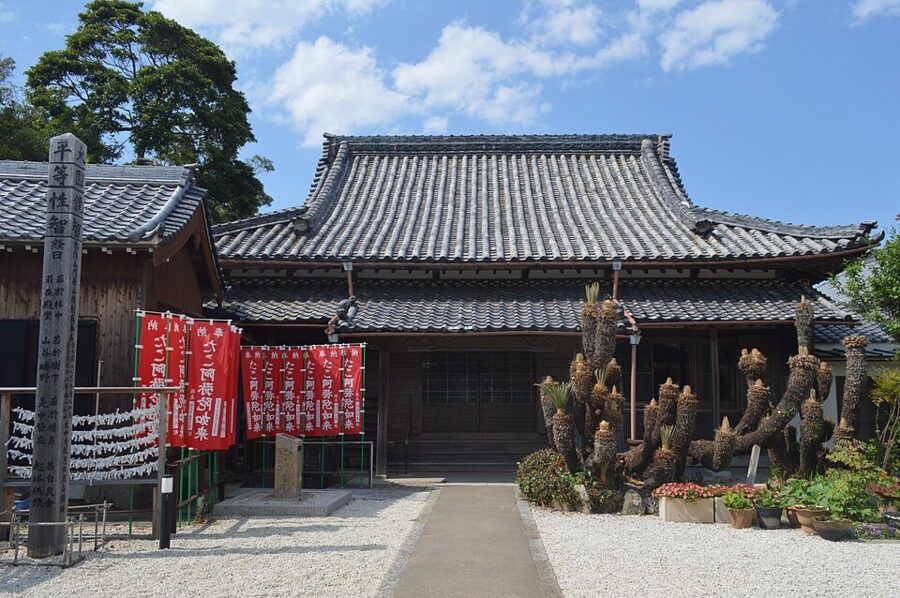
Three inhabited islands sit in the bay, each with its own trade. Himakajima, three kilometres east of the tip of Chita, sells itself on octopus in summer and blowfish, fugu, in winter. It covers only 0.77 square kilometres, and in 2000 it had the densest population of any Japanese island. Its temple, Anrakuji, keeps the “octopus Amida”, a Buddha that, in the island’s story, came up from the sea with an octopus clinging to it.

Shinojima, further out towards Irago, takes its link with Ise seriously: its two main shrines are rebuilt every twenty years with timber from the Ise shrines, the year after Ise itself is rebuilt. Saku-shima, the largest of the three at 1.81 square kilometres, is reached by boat from Isshiki in Nishio and had fewer than 200 people in 2020. Since 1996 it has brought in contemporary artists, and about 22 works are scattered among its lanes of tarred black wooden houses.
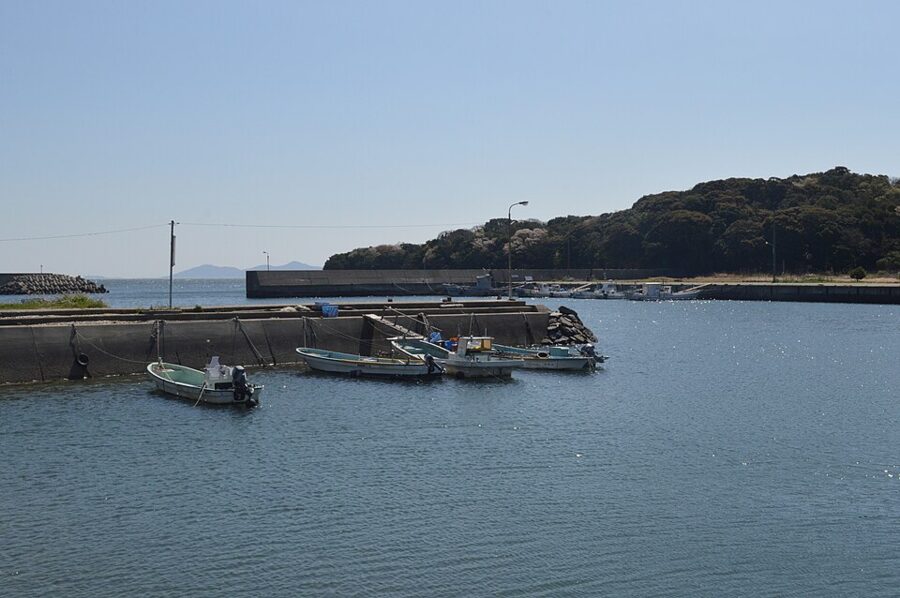

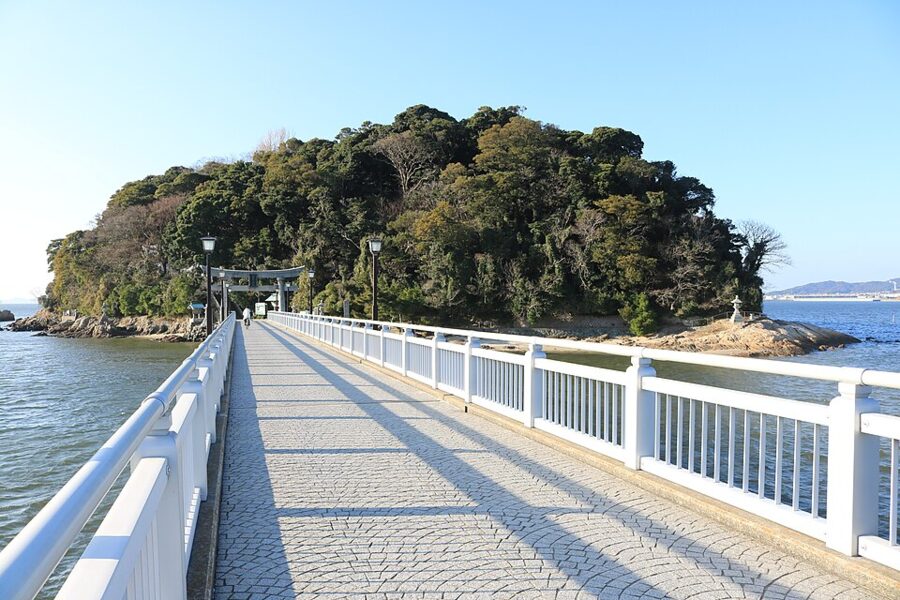
Takeshima, off Gamagori in eastern Mikawa, is a wooded rock of about 1.9 hectares some 400 metres offshore, tied to the land by a long footbridge and, at low tide, by sand. Its warm-climate plant community is a national natural monument.

Eating in Aichi
Nagoya’s cooking is sold as Nagoya-meshi, Nagoya food, and the rest of Japan finds it heavy, sweet and dark. Most of it leans on the red-brown bean miso of Okazaki or on soy sauces cooked down until sticky. It is the best reason to stay a night in the city.
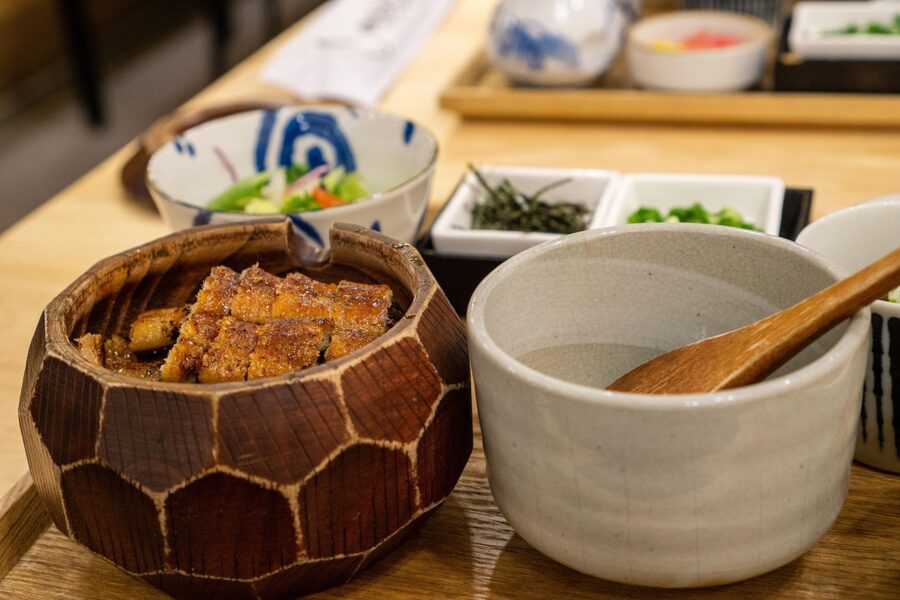
Hitsumabushi is grilled eel cut into strips on rice in a wooden tub, eaten in quarters: plain, then with spring onion, seaweed and wasabi, then with dashi broth poured over, then whichever way you liked best. Atsuta Horaiken, founded in 1873, dates its version to the Meiji era and registered the name, in hiragana, as a trademark in 1987. Another Nagoya restaurant says it served it first in the Taisho era, and one in Tsu in Mie claims it too. Atsuta Horaiken has its main shop near Atsuta Jingu and three others in the city.
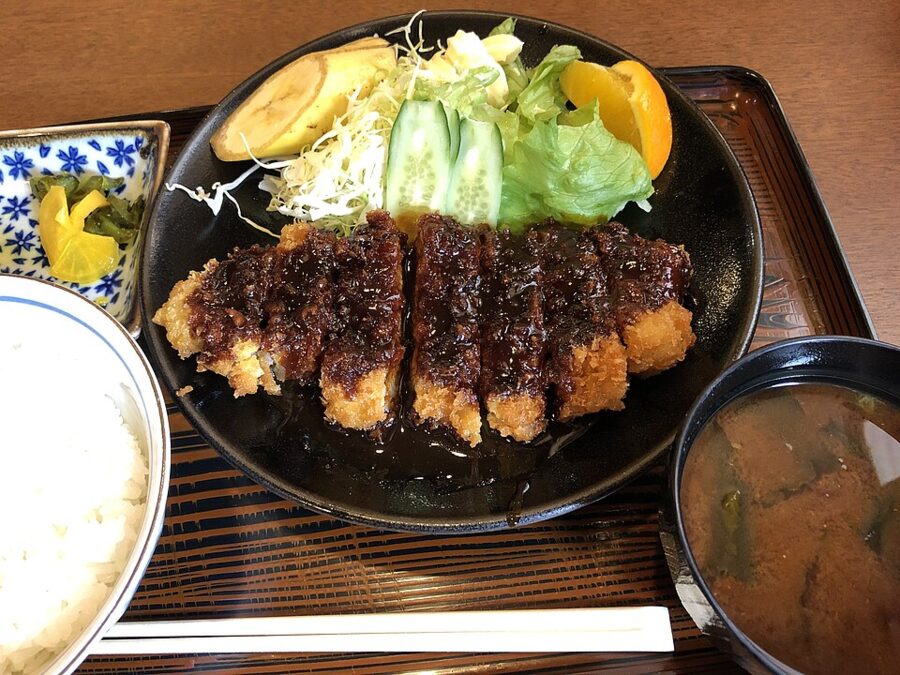
Miso katsu is a pork cutlet under a sweet hatcho miso sauce. Its origin is contested: a 1967 guidebook lists a Nagoya restaurant serving it, while a restaurant in Tsu is credited with putting the sauce on a plated cutlet in 1965. Yabaton, the best-known Nagoya chain, dates its sauce to 1947.
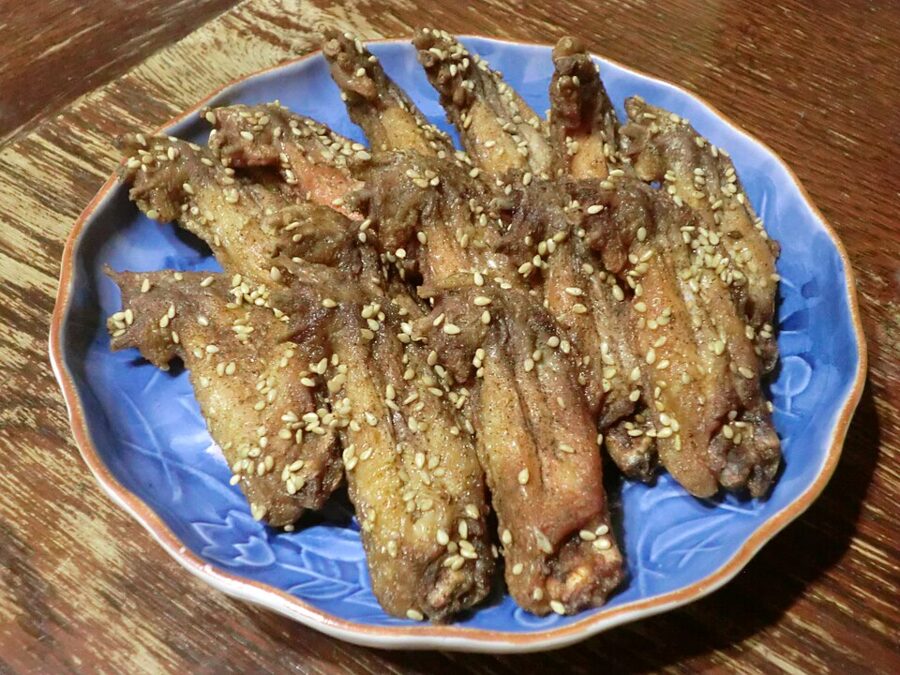
Tebasaki are deep-fried chicken wings brushed with sweet soy and finished with pepper and sesame, bar food eaten with beer and fingers. Kishimen are flat, wide wheat noodles in a light soy broth with dried bonito; Edo-period writers linked them to Imokawa in Mikawa, where flat noodles were a famous dish on the Tokaido. Eating a bowl standing up at the counters on the Nagoya Station platforms is a ritual for regular travellers.

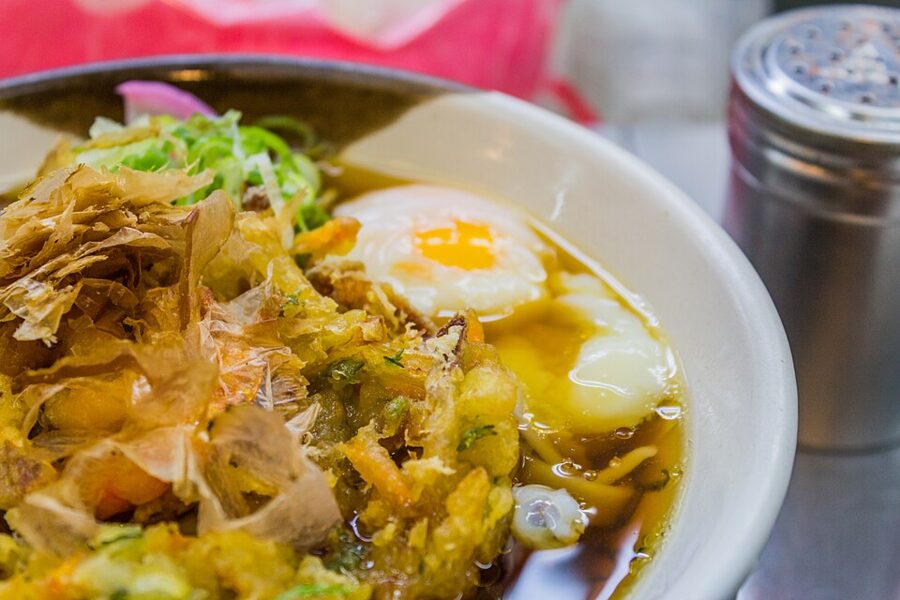

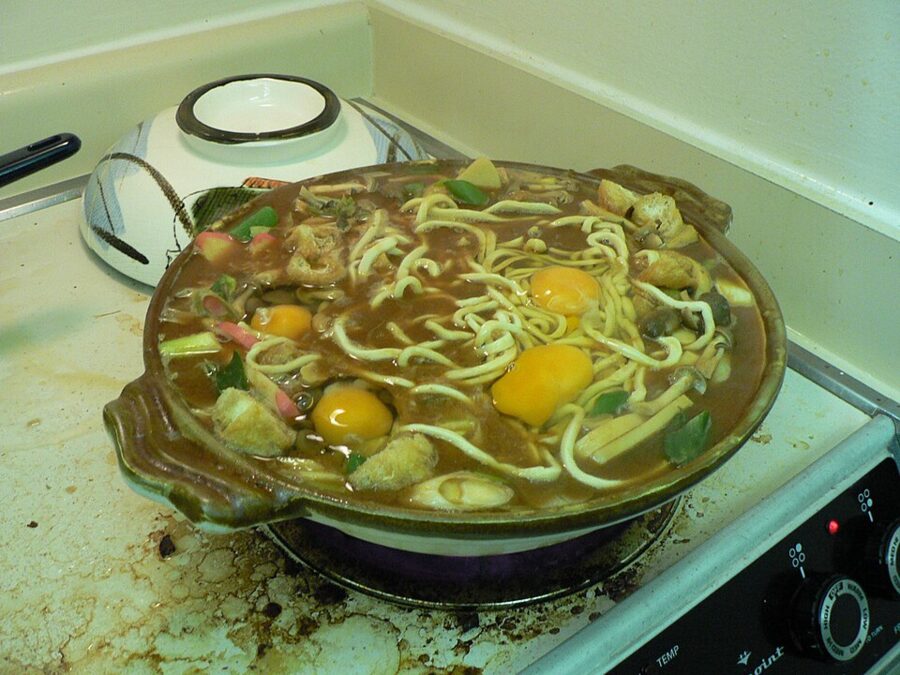
Miso nikomi udon is udon boiled in a clay pot of red miso broth, often with an egg and chicken. The noodles are made without salt so that they stay firm in the salty broth, and newcomers often think they are undercooked. Yamamotoya Sohonke, founded in 1925, is the old name, with branches around the city.

Then there is breakfast. Coffee shops across the Nagoya area serve a “morning”, moningu: a coffee ordered in the morning comes with free toast, a boiled egg and sometimes much more. One theory traces it to Ichinomiya around 1950, when owners added peanuts and eggs for textile merchants doing business over coffee; Toyohashi and towns elsewhere have rival claims. Komeda’s Coffee, founded in Nagoya in 1968, has taken the custom national, but a neighbourhood kissaten shows you the real thing.
Festivals and seasons
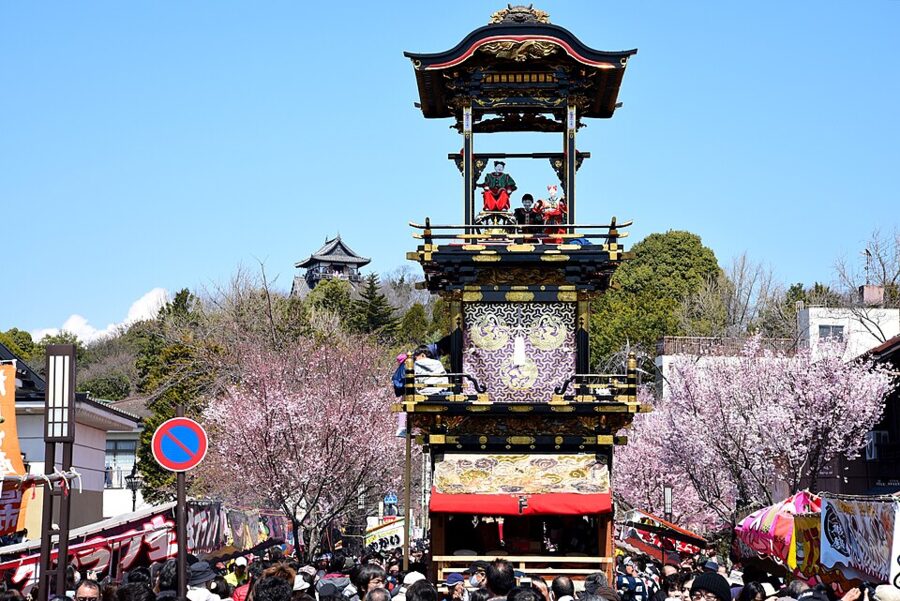
Aichi has five of the 33 float festivals that UNESCO listed together in 2016 as “Yama, Hoko, Yatai”, more than any other prefecture. The Inuyama Festival, on the first Saturday and Sunday of April, is the easiest to reach: thirteen three-tiered floats, written 車山 but read yama, with mechanical karakuri puppets on top, are pulled through the castle town and hung after dark with 365 lanterns apiece, one for each day of the year.

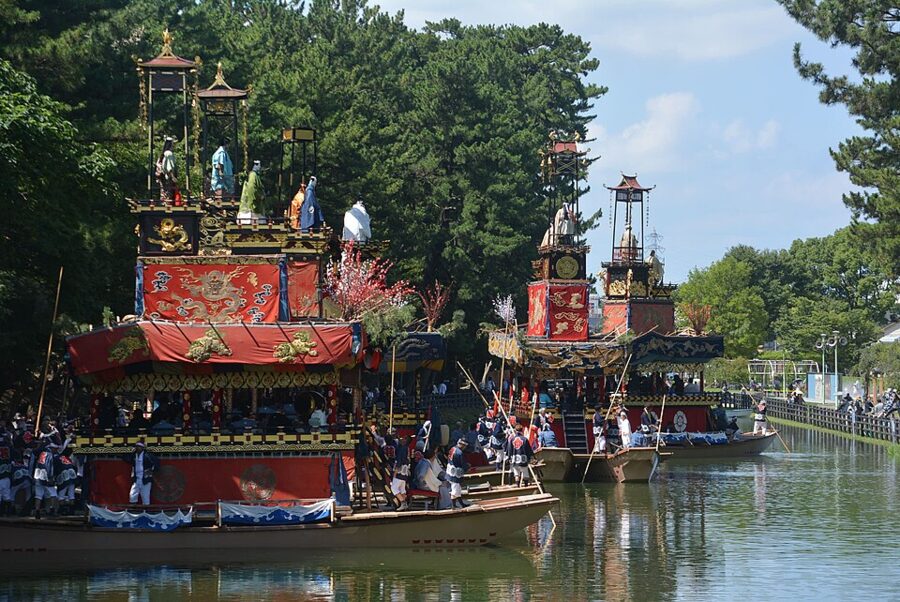
The other four are the Owari Tsushima Tenno Festival, with boats on the Tenno river; the Chiryu festival’s float puppetry; the Kamezaki Shiohi festival in Handa, where floats are pulled down onto the beach; and the Sunari festival in Kanie. Of the rest, the Konomiya Hadaka Matsuri in Inazawa is the one people talk about. On the 13th day of the first lunar month, in February or early March, thousands of men in loincloths crush in on the shrine to touch one chosen man, the shin-otoko, and pass their bad luck to him.

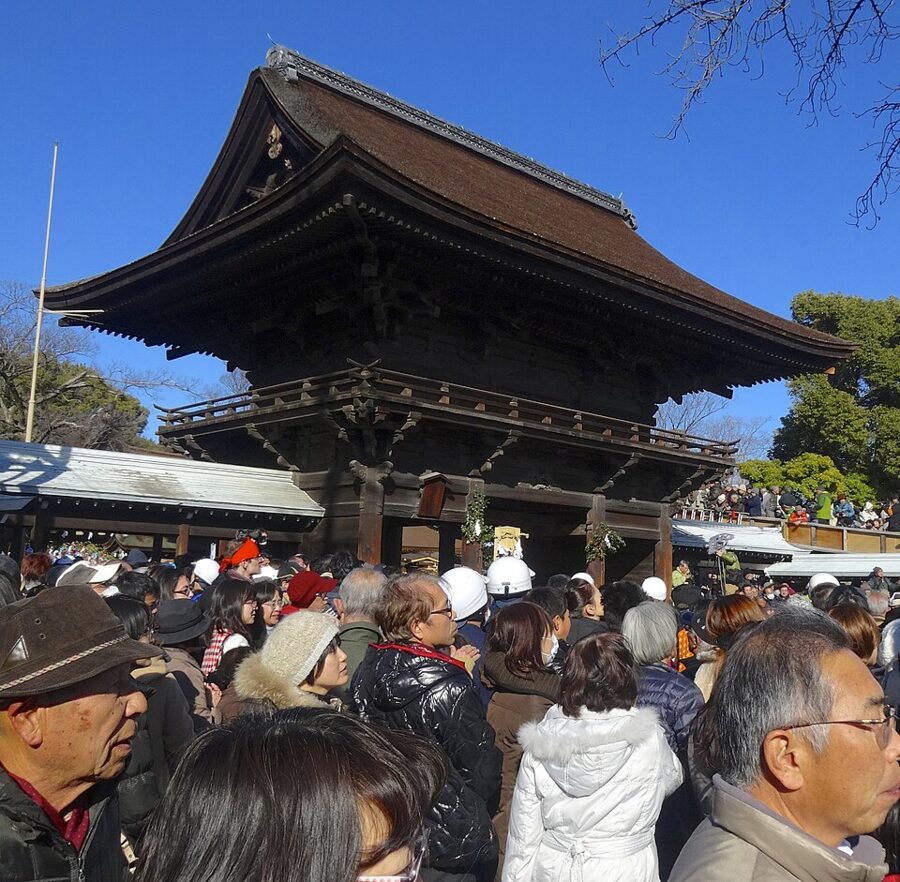

Nagoya’s own Nagoya Matsuri is a weekend in October with a parade of the three unifiers and their retinues; in 2026 it fell on 17 and 18 October.
Nagoya is hot and wet in summer and cold and dry in winter. The Japan Meteorological Agency’s averages for 1991–2020 give an August daily maximum of 33.2°C and a January mean of 4.8°C, and September is the wettest month, with about 230 mm of rain. I would come in April or November: cherry blossom at Inuyama and the castle in the first, maples at Korankei and Tokugawa-en in the second, and bearable temperatures in both.
Getting there and getting around
Nagoya is on the Tokaido Shinkansen. The fastest Nozomi trains take about 1 hour 35 minutes from Tokyo and cost ¥11,300 with a reserved seat (¥10,560 unreserved); from Shin-Osaka it is about 50 minutes and ¥6,680 reserved, and reserved Nozomi fares are due to rise in July 2027. Kyoto is about 35 minutes away by shinkansen, which makes Nagoya an easy day out from Kansai as well as a stop on the way.
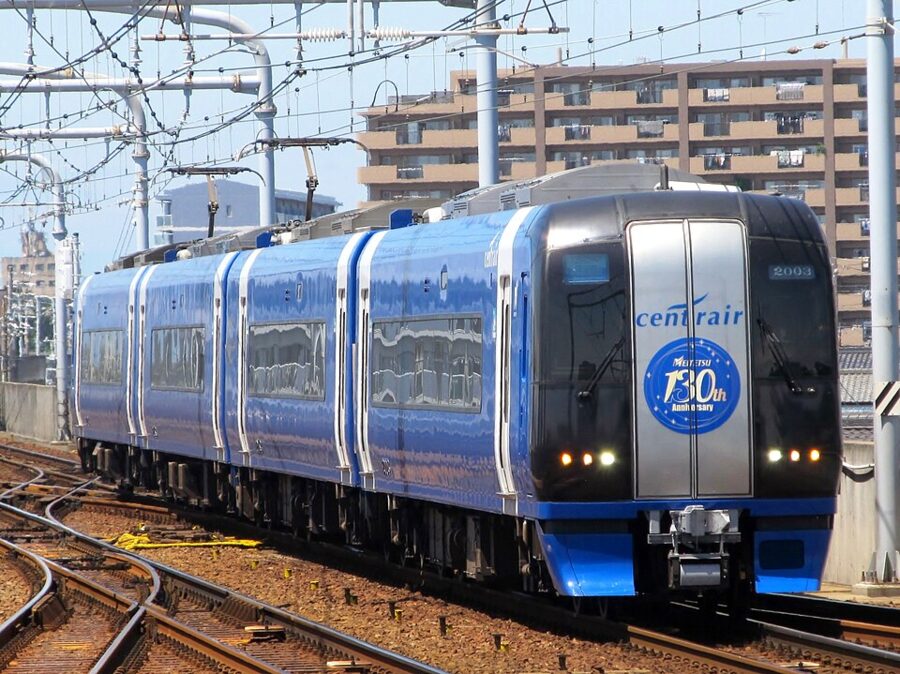

Chubu Centrair International Airport, opened in February 2005 on an artificial island off Tokoname, is the main airport. The Meitetsu mu-SKY reaches Meitetsu Nagoya in about 28 minutes for ¥890 plus the ¥450 mu-ticket. From abroad, Kansai has more routes, but Centrair is far easier to get out of.
Inside Aichi, Meitetsu matters more than JR. Its lines run north to Inuyama, east to Okazaki and Toyohashi, south to Tokoname, Centrair and the ferry ports of Chita, and through to Gifu. In Nagoya, the Donichi Eco Kippu gives a day of city subway and bus travel for ¥620 on Saturdays, Sundays, holidays and the 8th of each month. The Me-guru loop bus links Nagoya Station with the castle, the Tokugawa Art Museum and the Toyota museum.
The national Japan Rail Pass rose steeply in October 2023 and does not cover Meitetsu, so for a trip that is mostly Aichi it rarely pays.
Two days and four days
Two days. Day one: the castle and the Honmaru Palace in the morning, the Tokugawa Art Museum after lunch, Osu in the late afternoon, and miso nikomi or tebasaki for dinner. Day two: Meitetsu to Inuyama for the castle and the castle town, Urakuen if the Joan is open, and back to Nagoya for hitsumabushi; in summer, stay for the cormorant fishing instead.
Four days. Fit the Toyota museum, Atsuta Jingu and Arimatsu into the first two days. On day three, go east to Okazaki for the castle and a miso tour, then on to Toyota for the Kaikan, or to Korankei in November. On day four, go south to Tokoname for the pottery walk and an afternoon boat to Himakajima, flying home from Centrair, five minutes away.
Whichever plan you take, finish at Atsuta. The shrine that stood at the edge of Ayuchi-gata is now well inland, with rail yards, factories and a port between it and the water. Walk through the camphor trees to the worship hall, and you are standing about where Takechi no Kurohito would have heard the cranes.