

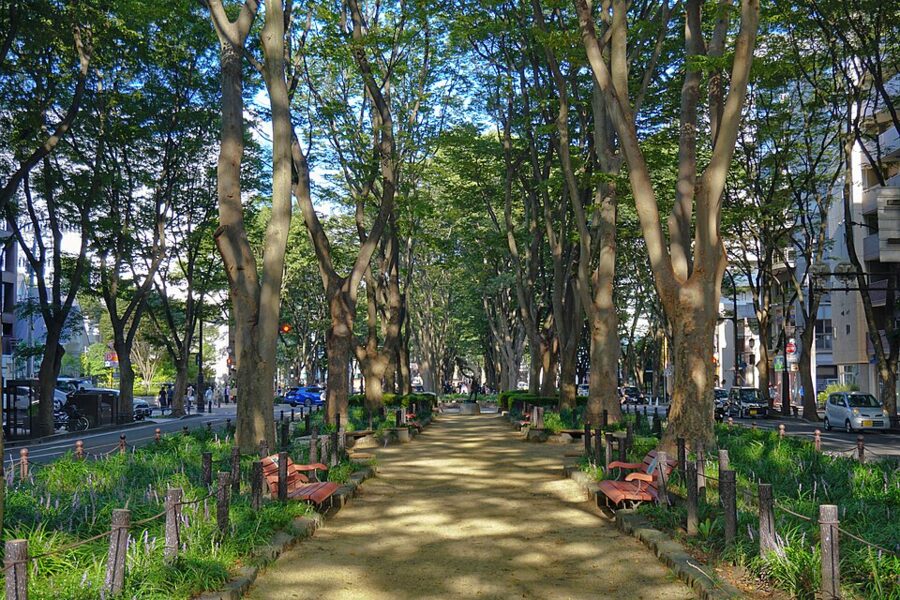

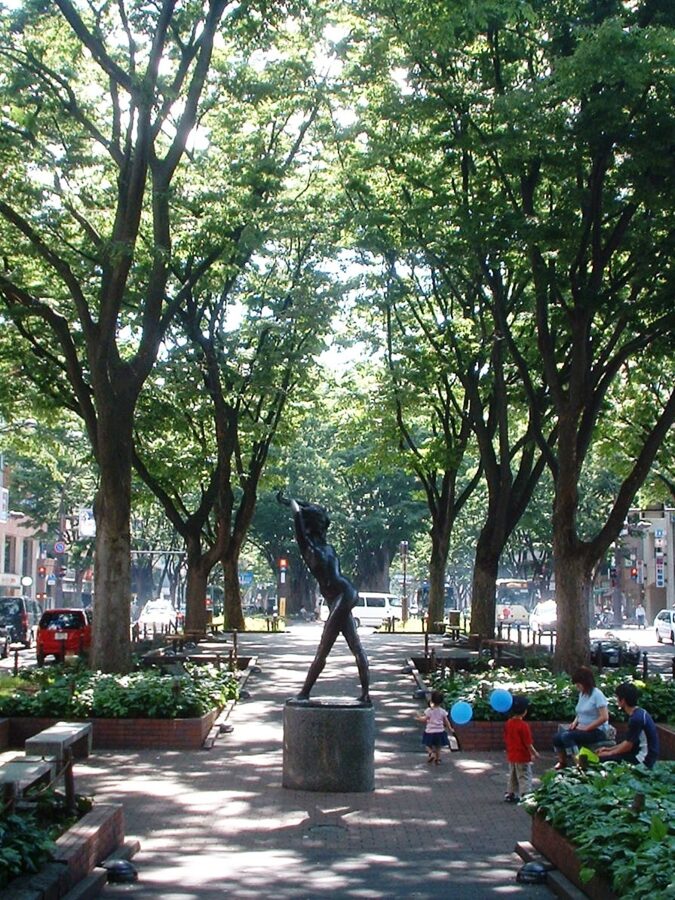
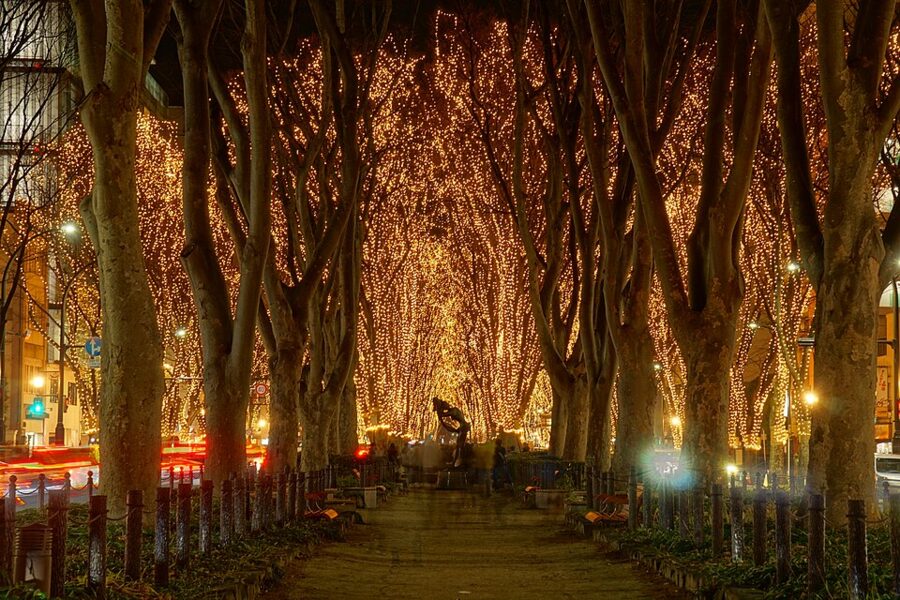
The zelkova trees down the middle of Jozenji-dori (定禅寺通) have grown tall enough to meet overhead, so in summer the walk from the subway to the Mediatheque is a green tunnel and in December the same branches carry the lights of the Pageant of Starlight. They were planted in 1958. Sendai (仙台) has called itself Mori no Miyako, the city of trees, since the early twentieth century, but the woods that earned the name were the estate groves around samurai houses, and they burned with the rest of the centre on the night of the American air raid of 10 July 1945.
So the green city is a rebuilt one, laid over a castle town that Date Masamune drew out on a river terrace in the winter of 1600 and 1601. It is the capital of Miyagi (宮城) Prefecture and the only city of a million people in Tohoku (東北), with about 1.09 million residents in 2026, and it is where most people coming north from Tokyo change trains, eat grilled beef tongue and keep going.
I’d stop for longer. The founder’s mausoleum and shrine are among the most ornate buildings in northern Japan, the August Tanabata turns the shopping arcades into a ceiling of paper, the coast half an hour east by subway and bus is where the 2011 tsunami came ashore, and Matsushima, Yamadera and two old hot-spring towns are all inside an hour.
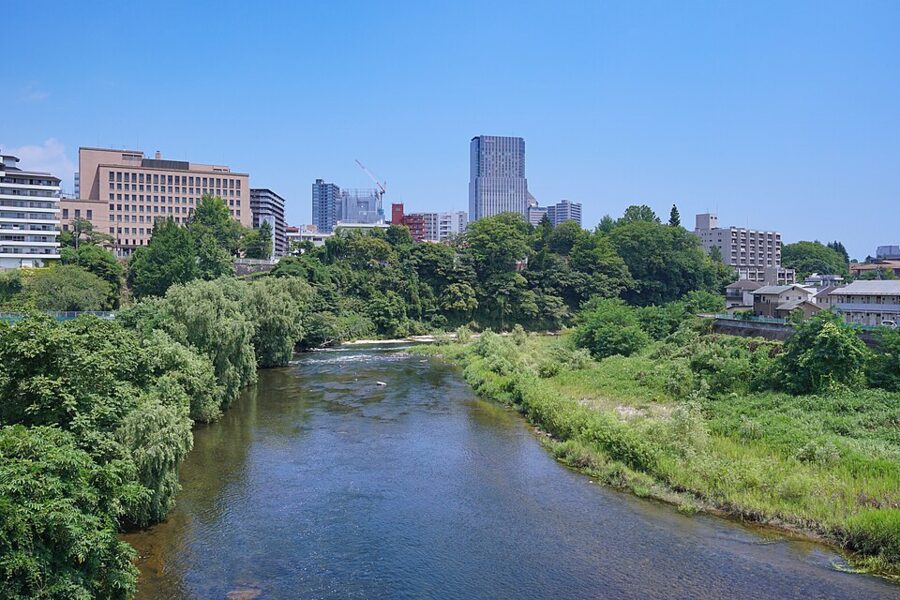


In this guide
Date Masamune and the founding of Sendai
Masamune was born in 1567 to the Date house, lords in what is now southern Yamagata (山形) and Fukushima (福島), and lost the sight of his right eye to smallpox as a child. He became head of the clan at seventeen, fought his way to control of most of southern Tohoku by 1589, and spent the next decade being cut back to size by Toyotomi Hideyoshi, who moved him north to Iwadeyama in 1591. The nickname dokuganryu, the one-eyed dragon, stuck; the black eyepatch is a later invention. No document from his lifetime shows him covering the eye, and his own wish was that portraits paint both eyes open.

After Sekigahara, with Tokugawa Ieyasu’s permission, he moved his seat to a hill called Sendai on the Hirose River. Sources put the start of the work at the twelfth month of Keicho 5, which is late January 1601 by the Western calendar, so you will see both 1600 and 1601 given as the founding year. The place had been written 千代, “a thousand generations”, after a hall of a thousand Buddhas said to have stood there; Masamune kept the sound and changed the characters to 仙臺, “hermit’s terrace”, from a Tang poem about an immortal’s palace. Two further theories trace the name to the Ainu language, as a word for a wide river or a river mouth, and neither is better supported than the thousand Buddhas.
The domain he built from Sendai was assessed at 620,000 koku of rice, the third largest in Japan. He dug canals, drained the Kitakami basin into rice land, and built a miso storehouse inside the castle walls, the origin usually given for the dark, salty Sendai miso still sold in the city. In 1613 he sent his retainer Hasekura Tsunenaga across the Pacific to Mexico and on to Madrid and Rome to open trade with Spain, an embassy that came home seven years later to find Christianity banned.
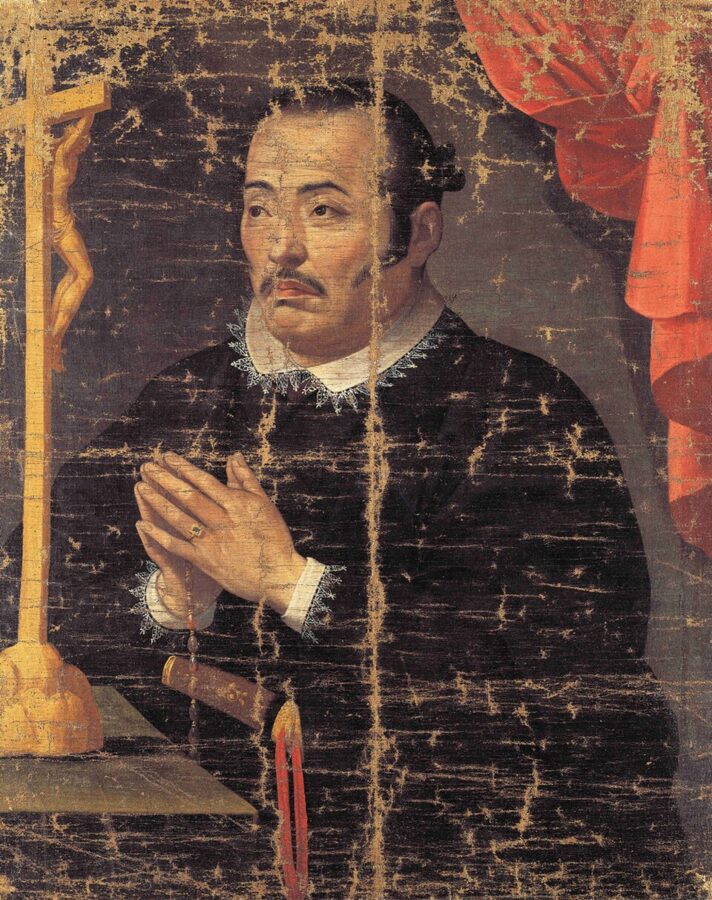
Masamune died in Edo in 1636, aged sixty-eight, and was carried home to the hill he had picked for his grave. His son Tadamune and grandson Tsunamune lie beside him, and the domain they ruled lasted until 1871.
The castle site on Aobayama
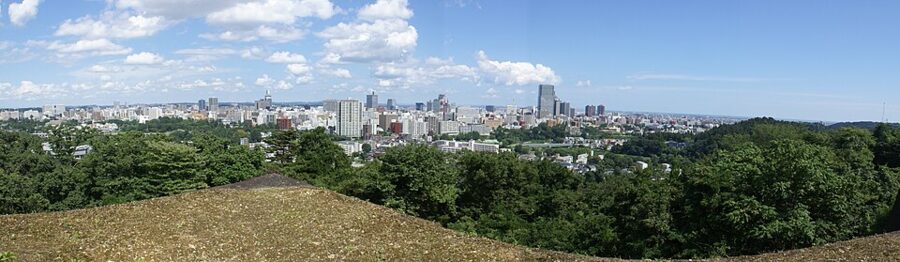
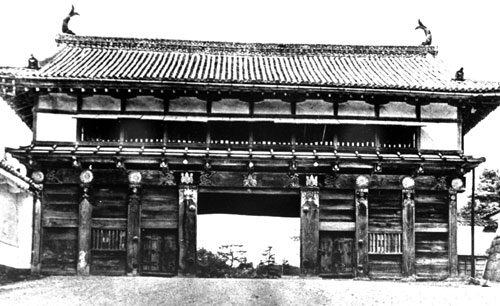
Sendai Castle (仙台城), also called Aoba Castle (青葉城), never had a keep. Masamune built it as a mountain stronghold on the edge of Aobayama, with the Hirose River gorge on the east and a ravine to the south, and the Spanish envoy Sebastian Vizcaino, who visited in 1611, called it one of the strongest in Japan. It was never attacked. Tadamune moved the household down to a flat second enclosure by the river in 1639, because the hilltop was a hard climb for daily business, and after 1871 the army took over the lower grounds.
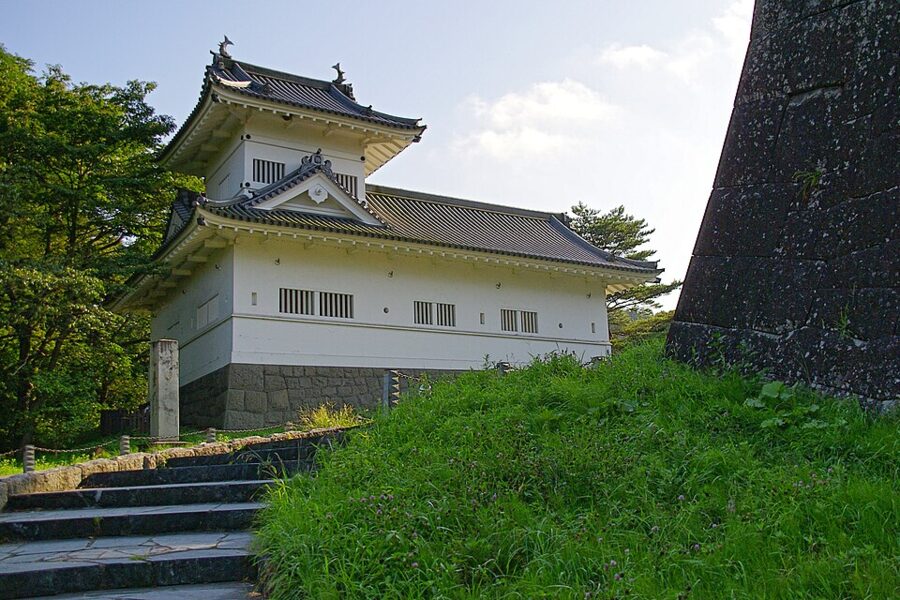
What you see now is stone. The great walls of the main enclosure were taken down and rebuilt between 1997 and 2004, and the excavation found two older walls inside the present one: Masamune’s own, of rough unshaped stones, and a second phase built after earthquakes brought the first down. The present face is cut, fitted stone in the Edo style. One corner tower, the Wakiyagura, was rebuilt in 1967 with money raised by residents, and it is the only building on the site.

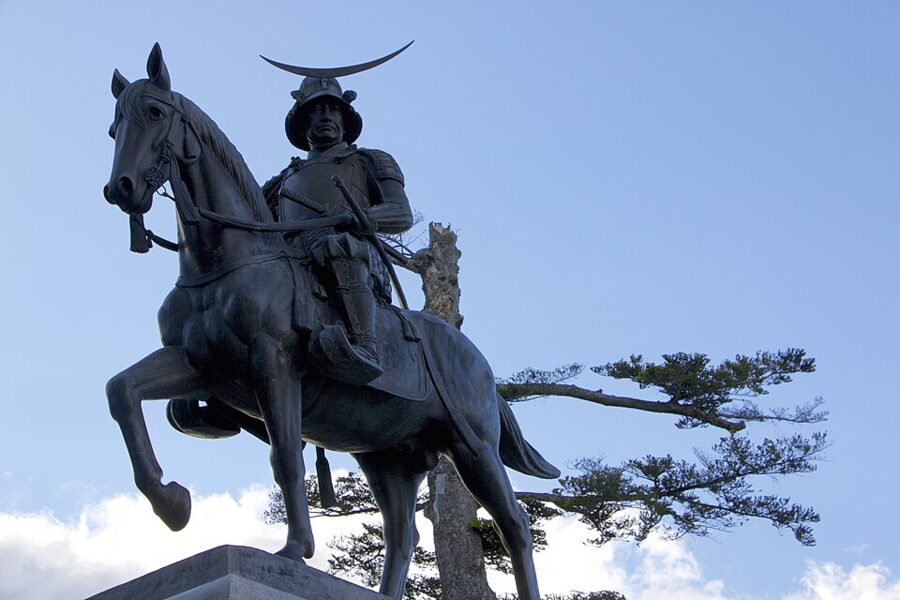
Up top are the equestrian statue of Masamune looking out over the city, the Gokoku Shrine to the war dead, a small commercial exhibition hall with a computer-graphics film of the castle, and the free Sendai Castle Kenbunkan guidance room (09:00–17:00 every day), which has a model of how the walls were built. The view is the reason to come. The lower enclosure is now the Kawauchi campus of Tohoku University, and the third enclosure holds the city museum.
Zuihoden
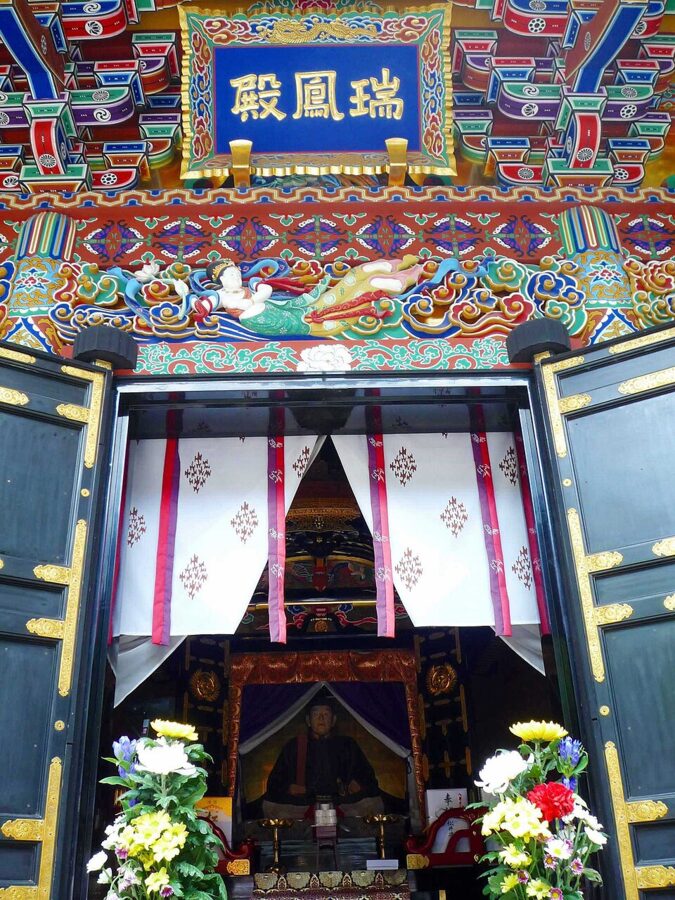
Masamune is said to have chosen his grave by hearing the first cuckoo of the year on Kyogamine, the hill across the river from the castle. Tadamune built the mausoleum there in 1637 and named it Zuihoden (瑞鳳殿); it faces west, towards the castle’s main enclosure, so the founder looks back at what he built. It was listed as a National Treasure in 1931 and burned in the same raid as the castle gate in 1945.
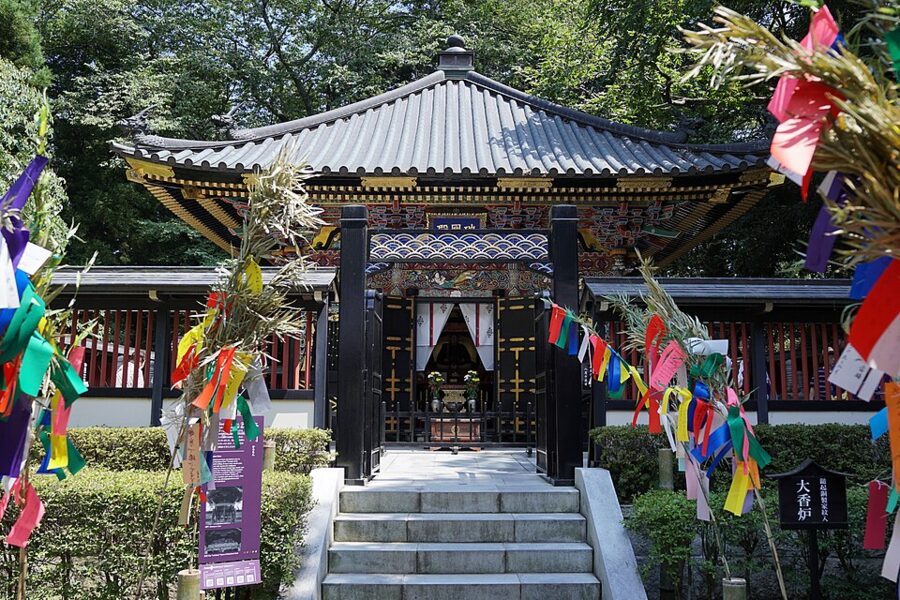

The rebuilding began with an excavation in 1974, which opened the burial chamber and found Masamune’s remains preserved in lime. He was 159.4 centimetres tall and blood type B, and a cast of the skull from the dig was used for a new forensic reconstruction of his face in 2021. The style is the same lavish Momoyama work you see on a bigger scale at the Tokugawa shrines in Nikko, here set among cedars at the top of a steep stone stair.
Zuihoden is open 09:00–16:50 from February to November and 09:00–16:20 in December and January (last entry 20 minutes before closing). Admission is ¥570, or ¥460 if you show a Loople day pass. The Loople stop is Zuihoden-mae, the fourth after Sendai Station, and the walk up is about seven minutes.
Osaki Hachimangu
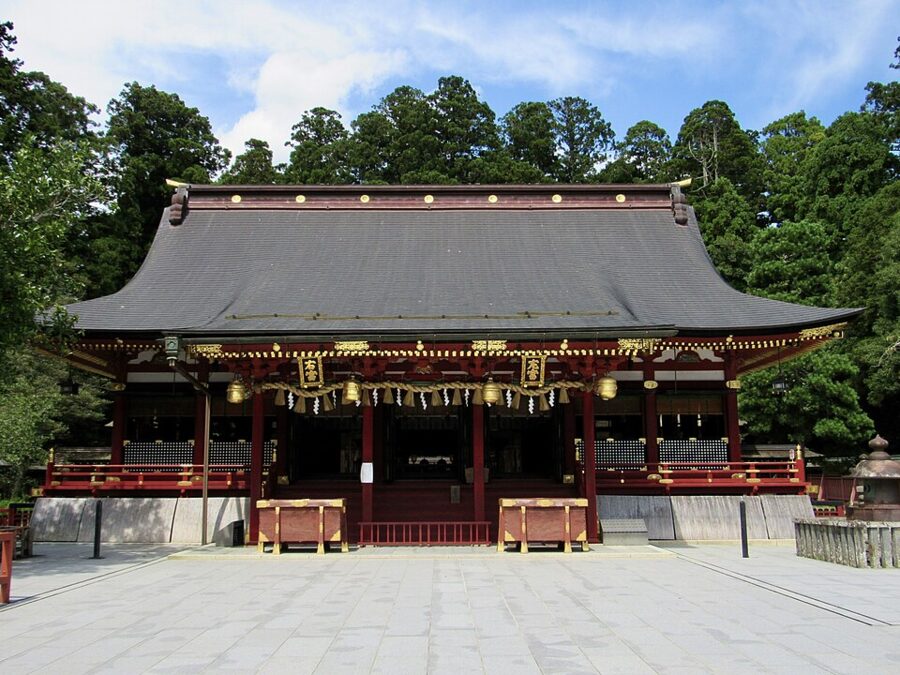
In 1604 Masamune began a shrine at the north-west corner of his town, the direction of the “heaven gate” in the geomancy of the day, to guard it. Osaki Hachimangu (大崎八幡宮) was finished in 1607, and the building is still the one he paid for. Its sanctuary, stone-floored linking room and worship hall, built as one, are the oldest surviving example of the gongen-zukuri plan in Japan, the plan later used at the Tokugawa mausoleums, and it was designated a National Treasure in 1952.
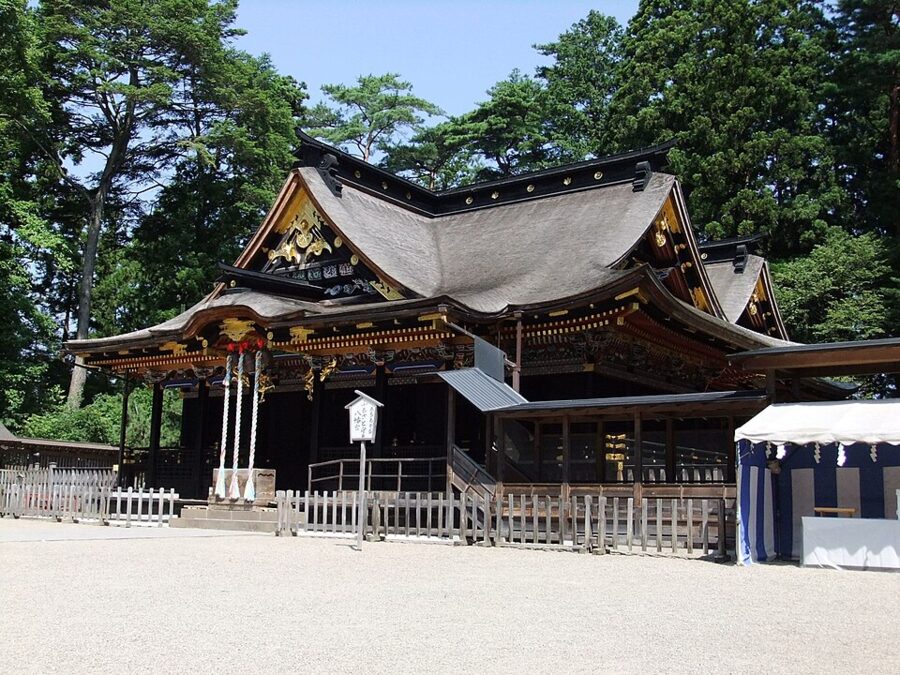

The grounds are free. Take a city bus from platform 10 or 15 at the Sendai Station west exit to Osaki Hachimangu-mae, or walk 15 minutes from Kunimi or Tohoku Fukushi-daimae on the JR Senzan Line.
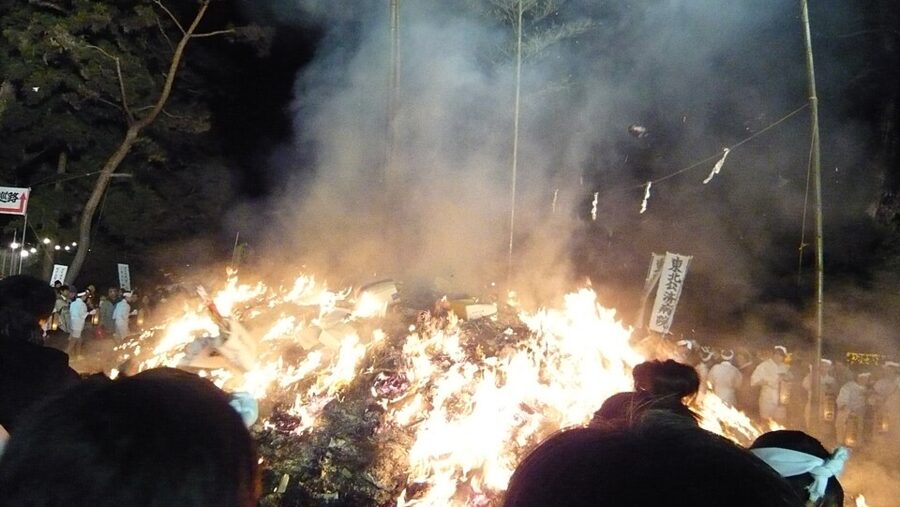
Come on the night of 14 January if you can. At the Matsutaki festival, which everyone calls Donto-sai, people bring their New Year decorations to burn on one great bonfire, and groups of men and women from local companies walk to the shrine dressed in white, with straw sandals, headbands and bells, each carrying a lantern and holding a slip of paper in their teeth so they cannot speak. Sendai treats it as the real end of the New Year holidays.

The city museum and Rinno-ji
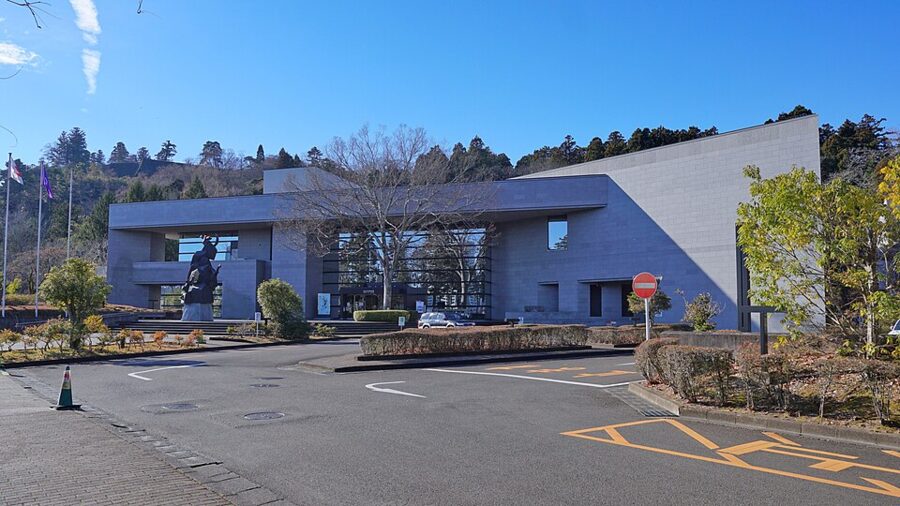
Sendai City Museum stands on the third enclosure of the castle and reopened in April 2024 after two and a half years of rebuilding. Its core is the collection the Date family gave the city, including Masamune’s black-lacquered armour with the crescent helmet, which is shown in rotation, and the Hasekura papers. It opens 09:00–16:45, is closed on Mondays, and charges ¥460 for the permanent galleries.

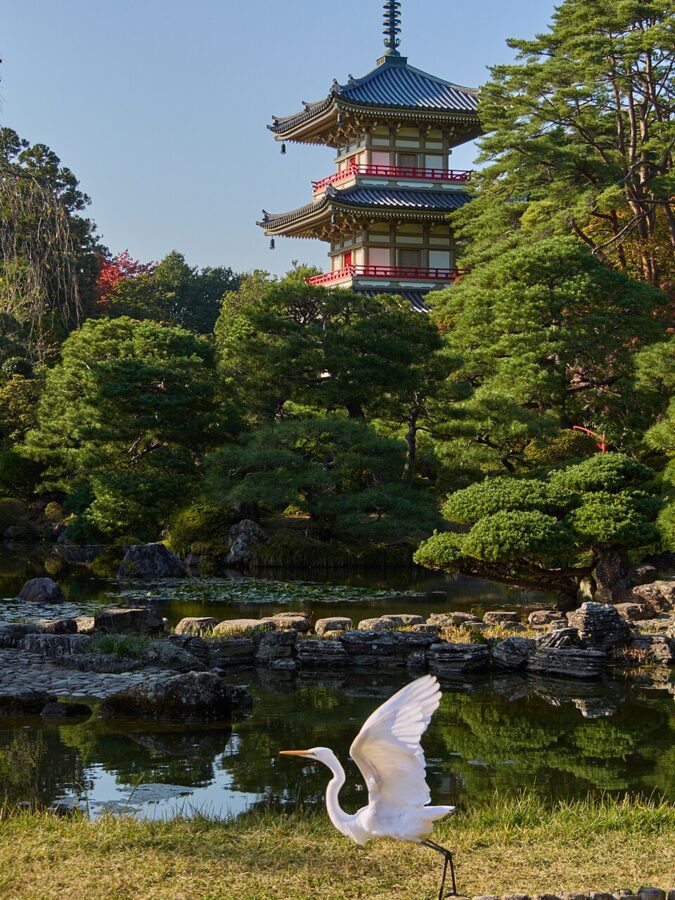
North of the centre, Rinno-ji was the Date family temple, founded in the fifteenth century and moved to Sendai with the clan; its pond garden is the quietest place in the city on a weekday morning.
The city: avenues, arcades and a building made of tubes
The raid of 10 July 1945, 123 bombers dropping incendiaries in the early hours, burned the centre of Sendai to the ground. The plan that replaced it kept Masamune’s grid but drove four broad avenues through it, and planted them with trees on purpose to bring back the name: Aoba-dori, Hirose-dori, Higashi-Nibancho-dori and Jozenji-dori. Two generations on, the zelkovas are the city’s most familiar sight, gold in early November and bare and sculptural in winter.
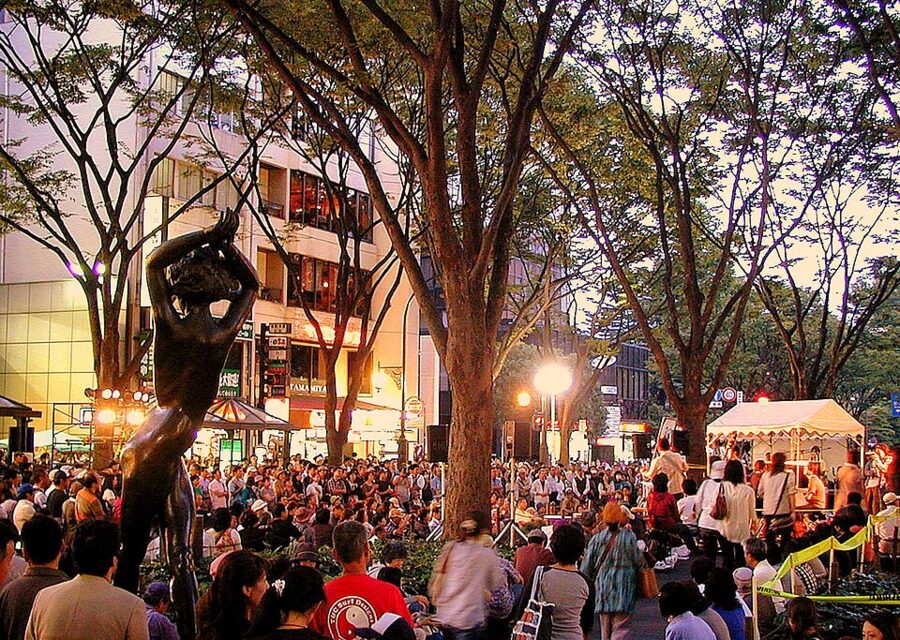
Jozenji-dori has had sculpture along its promenade since 1977. The best known is Emilio Greco’s bronze nude, Memories of Summer; in September the same strip becomes the stage for the Jozenji Street Jazz Festival, and in December for the lights.

The arcades and Kokubuncho
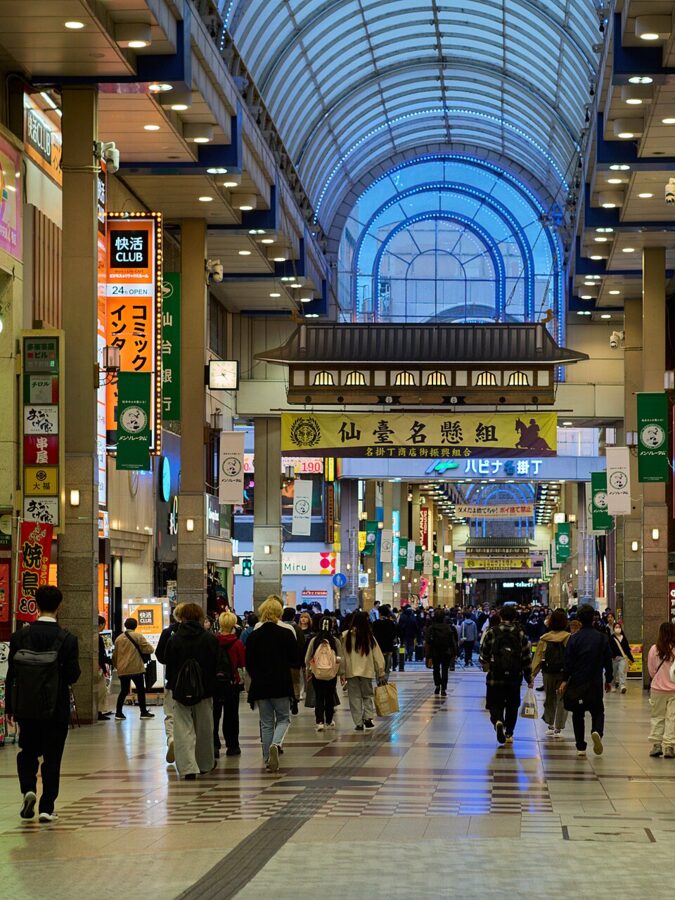
From Sendai Station you can walk west almost to Jozenji-dori without leaving cover. A chain of roofed shopping streets, Hapina Nakakecho, Clis Road, Marble Road Omachi, Sunmall Ichibancho and Ichibancho 4-chome, runs from the station’s west exit along the old merchant quarter, with department stores and chain shops at street level and tiny bars and restaurants up the side alleys. In August they carry the Tanabata decorations; in January, the city’s New Year sales open on the 2nd with queues.
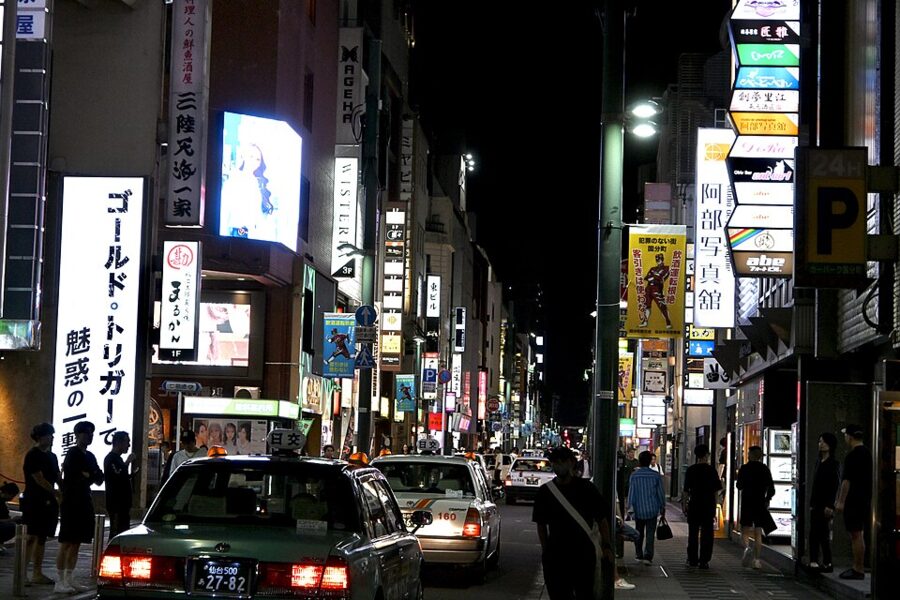
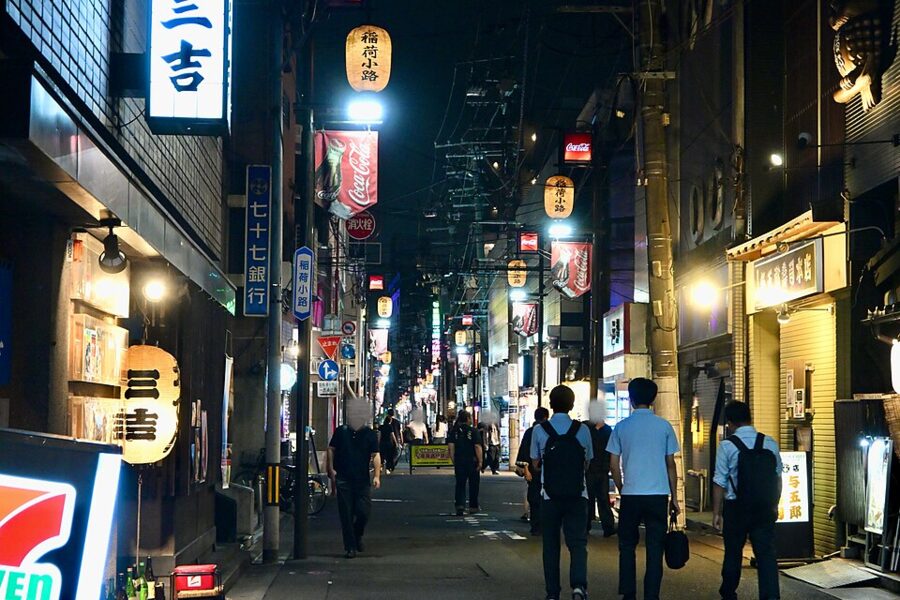
West of the arcades is Kokubuncho, the biggest drinking district in northern Japan: a few blocks of buildings with bars, clubs and izakaya stacked six and seven floors high. Inarikoji, the lane on its eastern edge, is where the first beef-tongue restaurant moved in 1952. The usual count is over 2,500 bars and restaurants, which sounds like an exaggeration until you read the signboards on a single building.

Sendai Mediatheque
On Jozenji-dori, the glass box of the Sendai Mediatheque was the result of a 1995 competition won by the architect Ito Toyo and opened in January 2001. There are no beams and no ordinary columns: six thin floor plates are threaded on thirteen lattice tubes of welded steel that twist slightly as they rise, like seaweed in a current, and carry the lifts, stairs, cables and daylight. The curved steel was made by a fabricator from Kesennuma, on the Miyagi coast.
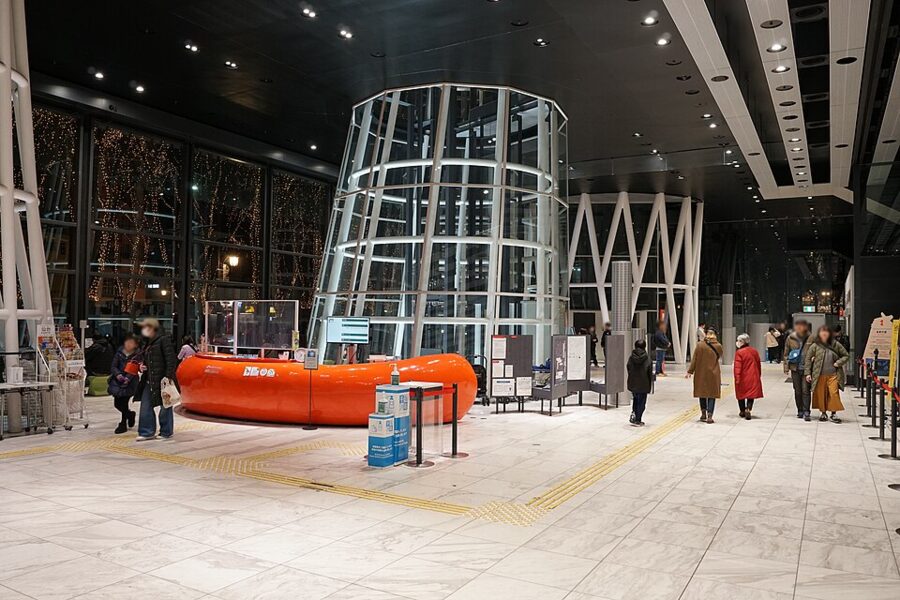

Inside are the city library, galleries and studios, free to enter, and from the upper floors you look straight into the zelkova canopy. The library floors close on Mondays.
Tohoku University
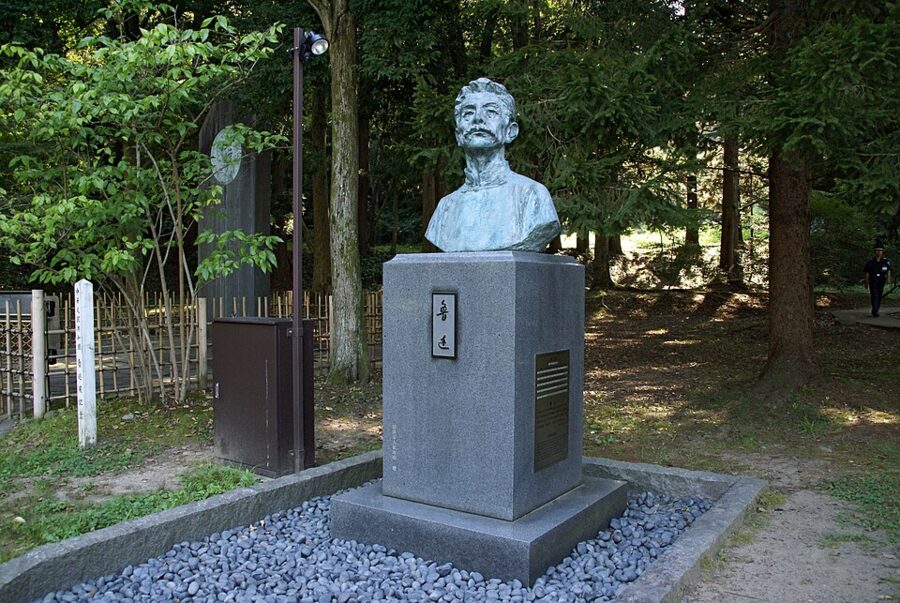
Sendai has called itself a city of learning since Tohoku Imperial University opened here in 1907, the third of Japan’s imperial universities. In 1913 it became the first to admit women, accepting three of the four who sat its entrance examination, and before that its medical school, then Sendai Medical College, taught the young Lu Xun from 1904 to 1906, a stay he later wrote about in his memoir of his anatomy teacher, Fujino Genkuro. Today its campuses at Katahira, Kawauchi and Aobayama draw students from across Asia and beyond, and the routes in are the same as for studying in Japan anywhere else.

Akiu Onsen and Sakunami Onsen
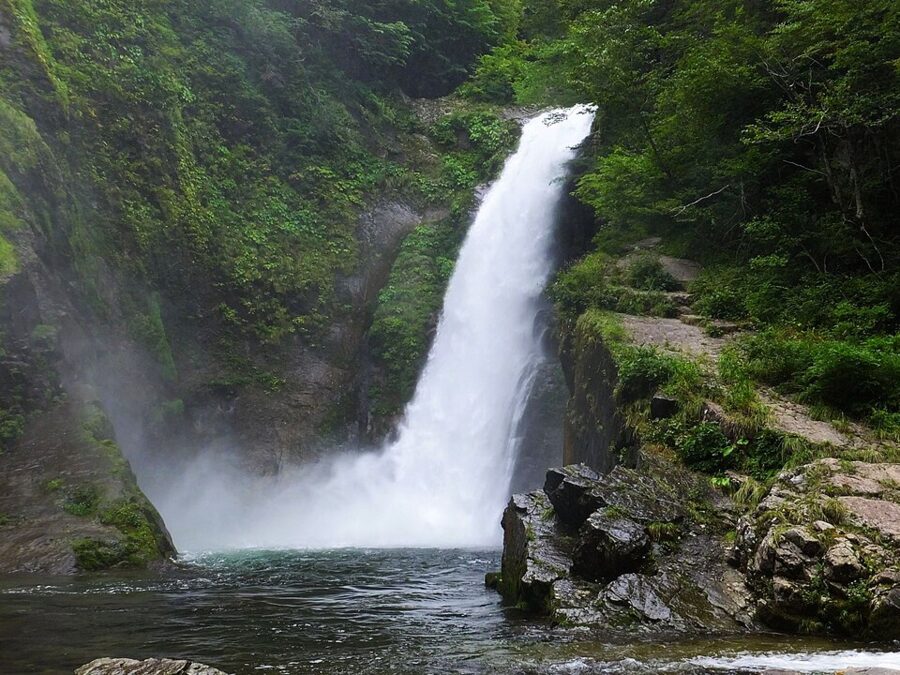
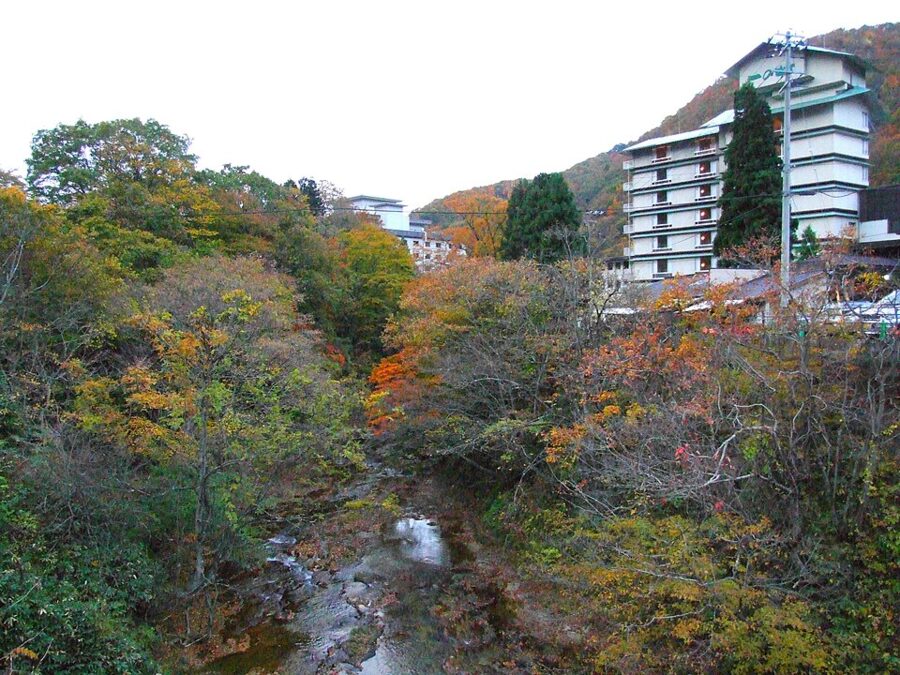
Two hot-spring towns lie inside the city limits. Akiu (秋保) Onsen, south-west in the valley of the Natori River, is one of the oldest in Japan: tradition says an emperor of the sixth century bathed here, and the court gave it the title of a royal bath, Natori no miyu. It now has about sixteen inns, a short gorge walk at Rairaikyo just below the main street, and the Akiu Otaki falls, 55 metres high, about 12 kilometres further upstream. A rapid Miyagi Kotsu bus from Sendai Station takes about 45 minutes.


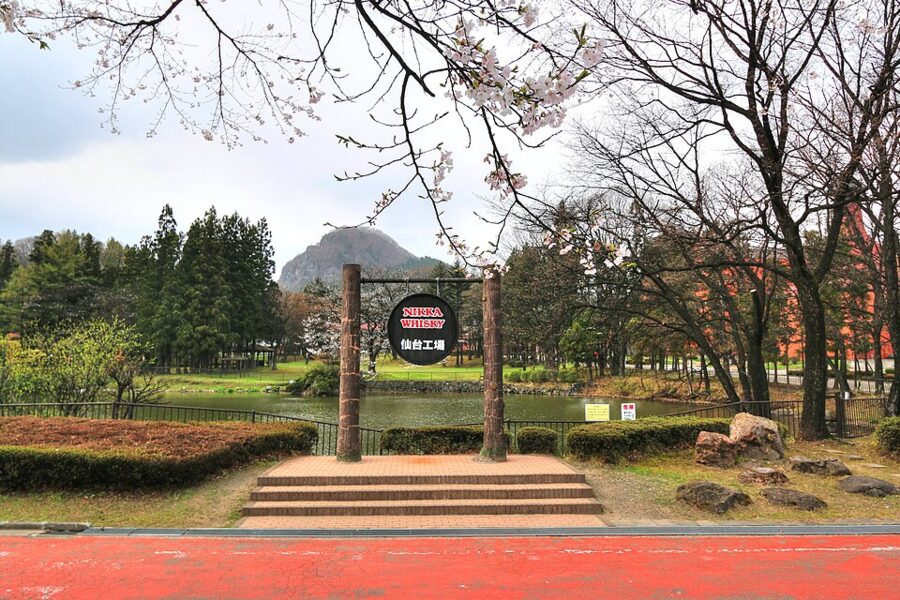
Sakunami (作並) Onsen is north-west, on the upper Hirose River along the old road to Yamagata, about 40 minutes from Sendai on the JR Senzan Line. The first inn opened in 1796, after its founder spent eight years building a road and baths with the domain’s permission, and the riverside open-air baths are still the point. Nikka’s Miyagikyo whisky distillery has stood nearby since 1969, on a site chosen for the meeting of two rivers and the mist it brings.

Tanabata, the Pageant of Starlight and the year’s other festivals
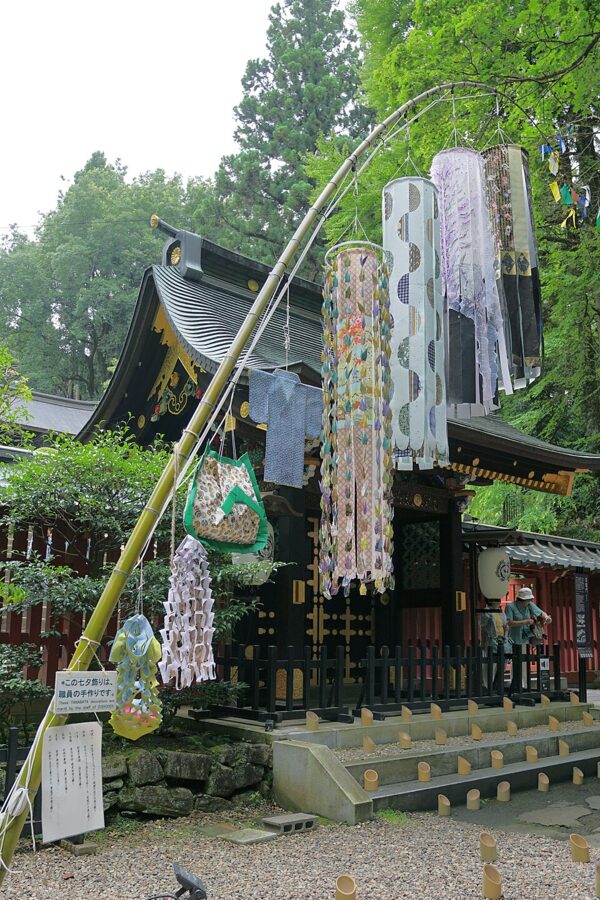
Elsewhere in Japan, Tanabata falls on 7 July. Sendai keeps it a month later, from 6 to 8 August, a compromise between the old lunar date and the modern calendar, and hangs it from the arcade roofs: tall bamboo poles, each topped with a paper ball and trailing streamers almost to the ground, made by the shops along each street and judged on the first morning. More than two million people come for the three days, and on the evening of 5 August the Sendai Tanabata Fireworks are let off over the Hirose River at Nishi-koen park.
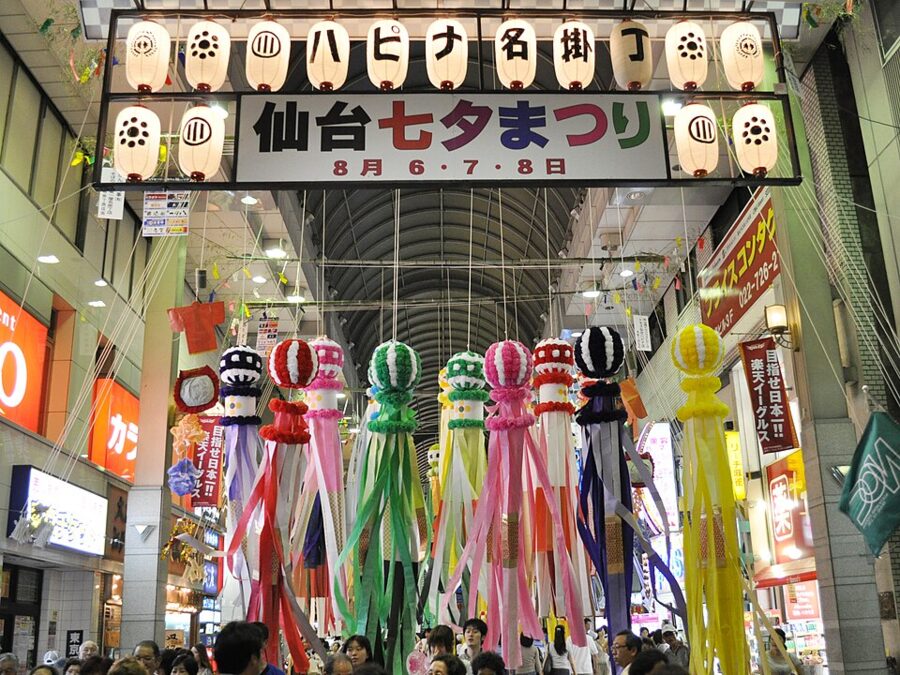
The festival is often said to go back to Masamune, who supposedly encouraged it, but there is no document to show it; what is recorded is that the domain held it on a grand scale in 1783, in the middle of the Tenmei famine, and that it had faded by the 1920s. Its revival was commercial. In 1926 the merchants of Omachi 5-chome all hung decorations for a summer sale and had them judged, and from 1928 the chamber of commerce ran a competition across the city. After the war, in 1946, it came back with 52 bamboo poles standing among the burned-out blocks, and the 2026 festival was counted as the eightieth since then.

The Pageant of Starlight began in 1986, when volunteers strung lights in the zelkovas to brighten the Sendai winter, and it is still run by a citizens’ committee and paid for largely by donations; some vending machines in the city give two yen from every drink to it. In 2026 it runs from 4 to 27 December on Jozenji-dori, between Mitsukoshi and the western end of the avenue, lit 18:00–21:00 Sunday to Thursday and 18:00–22:00 on Friday, Saturday and 24 December.

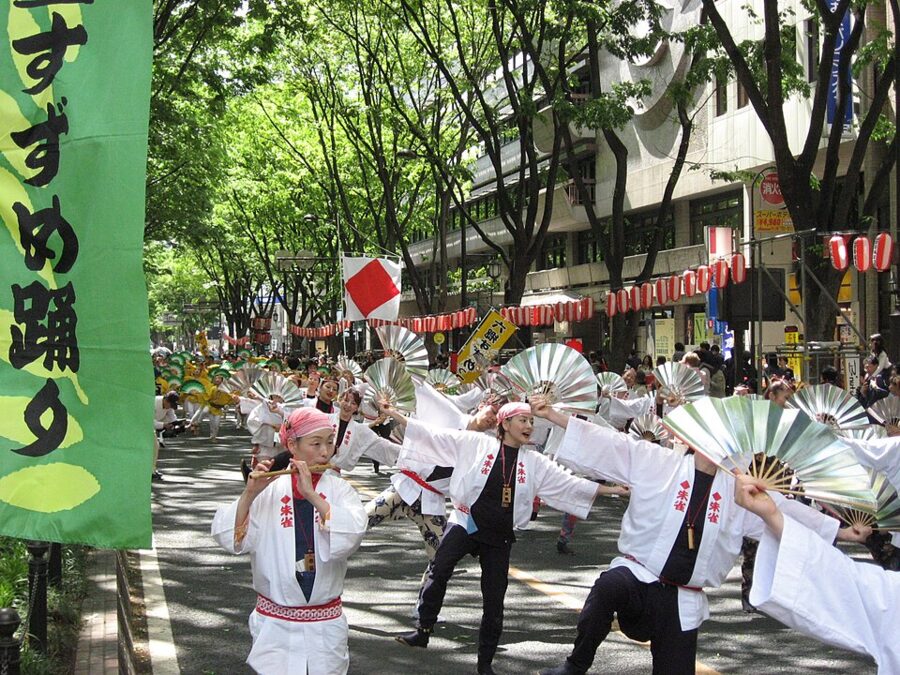
The rest of the calendar fills in around those two. In mid-May the Sendai Aoba Festival brings out the suzume odori, the sparrow dance; in September the Jozenji Street Jazz Festival puts several hundred amateur bands on street corners across the centre; and in October the Michinoku Yosakoi dance festival takes over the parks.

Arahama and the 2011 coast
Sendai is a coastal city, though nothing in the centre tells you so. The land runs flat for about ten kilometres east of the station to Sendai Bay, and on 11 March 2011, about an hour after the earthquake, the tsunami crossed almost all of it. In the city itself the shaking reached lower to upper 6 on the Japanese scale and more than 100,000 homes were damaged or destroyed, but most of the deaths were on the coast.
Arahama (荒浜) was a beach village of about 800 households and 2,100 people in the Wakabayashi ward, the place Sendai families went to swim in summer. The tsunami swept away every building and killed 186 of its residents. Most of the district has since been zoned as a hazard area where no one may live, and the families moved inland.
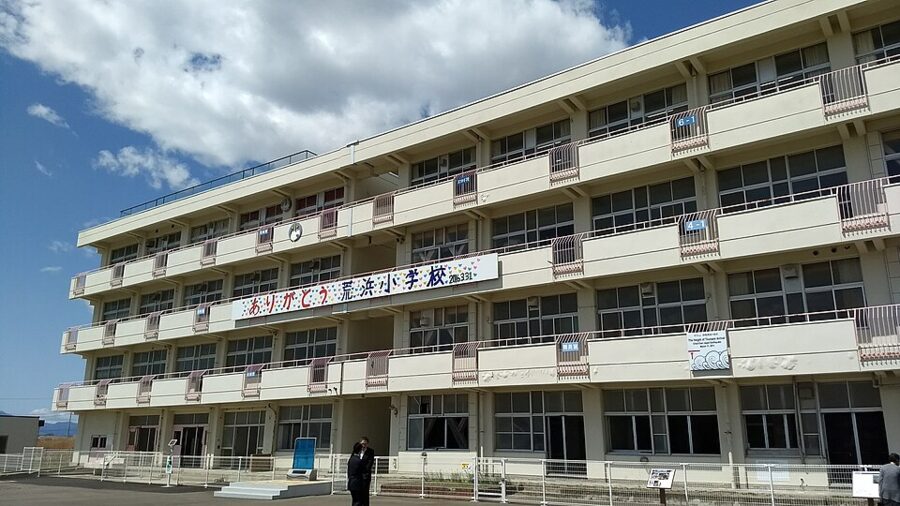

The elementary school has four storeys. On the afternoon of the earthquake 320 children, teachers and residents climbed to the fourth floor and the roof, and at 15:55 the tsunami flooded the building to the second floor and the land around it to the horizon. They were taken off by Self-Defence Force helicopters through the night and the following day. The school closed in 2016 and on 30 April 2017 reopened as a memorial, left as the water left it, with photographs, a 17-minute film of the day and the rooftop open to stand on.
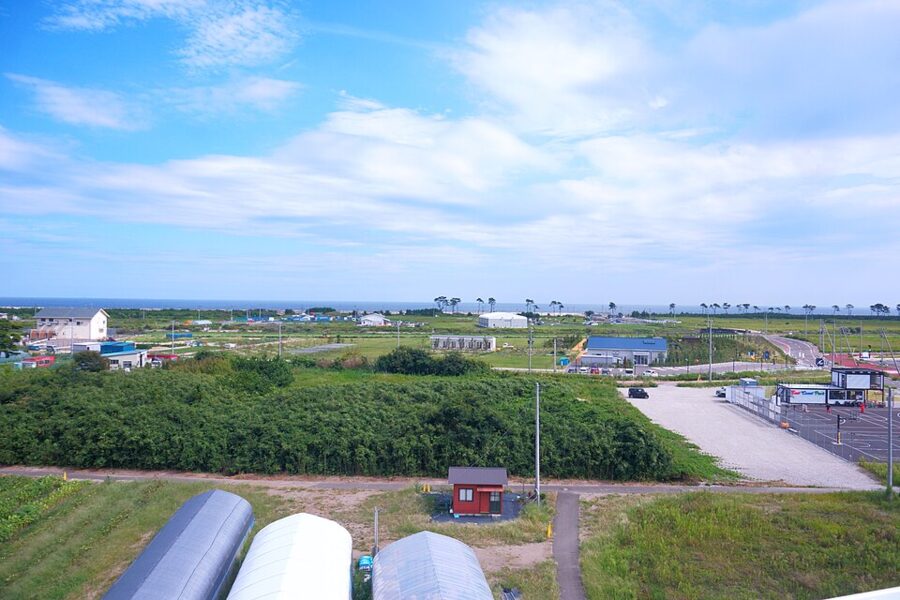

The school is open 09:30–16:00 from September to June and 09:30–17:00 in July and August, closed on Mondays, the fourth Thursday of the month and over New Year, and admission is free. Take the Tozai Line subway to its eastern end at Arai, 13 minutes from Sendai Station, then the city bus to the school, about 14 minutes. The city publishes the bus times with a suggested length of visit, so check the return bus before you set out.
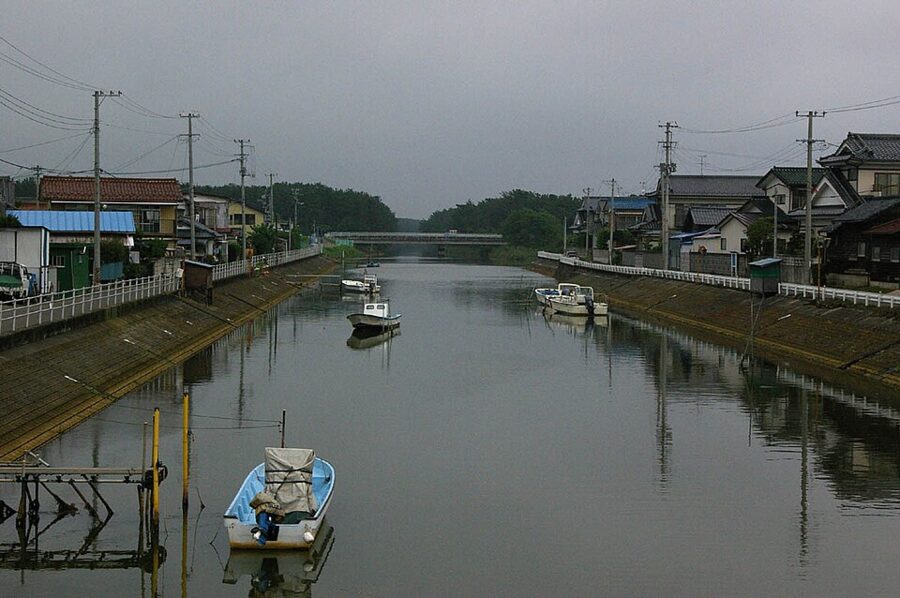
Two things on the ground explain how far the water came and where it stopped. The Teizan Canal, begun under Masamune and named after his Buddhist name, Teizan, runs parallel to the shore behind the village; the tsunami poured over it. A few kilometres inland, the Sendai-Tobu Road runs on an embankment several metres high, and on 11 March it acted as a levee and held back much of the water from the land behind it. People who reached it climbed its slopes to safety.
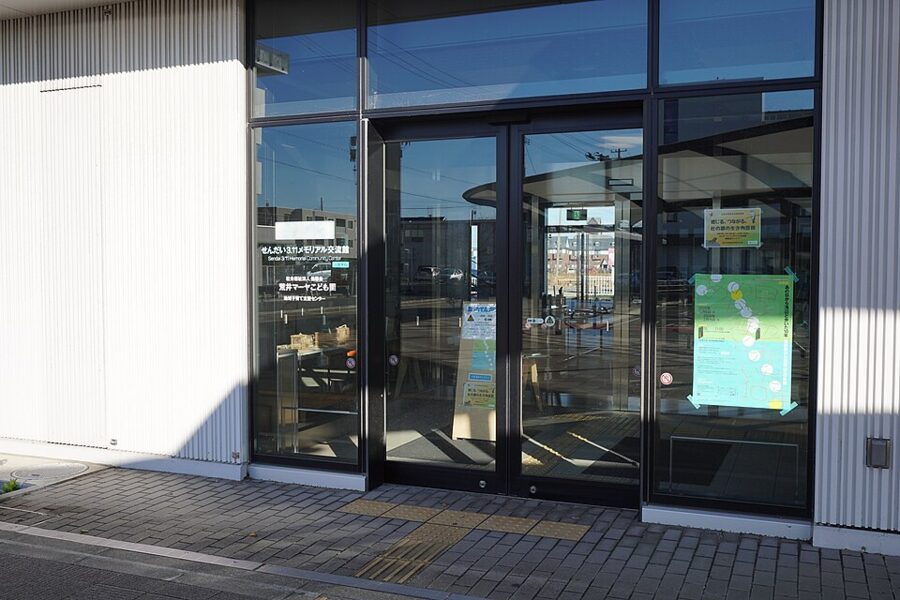
At Arai Station itself, the Sendai 3.11 Memorial Community Center, opened in February 2016, is the place to start. It has a relief map of the eastern coast, a permanent exhibition on the damage and the rebuilding, and a stair landing where visitors write what 11 March means to them on paper strips; in August those strips are hung as Tanabata decorations. It opens 10:00–17:00 and closes on Mondays.

What to eat in Sendai
Sendai’s own dish is gyutan, grilled beef tongue, and it is as young as the post-war avenues. A cook named Sano Keishiro, who had run a yakitori stall during the war, opened a place called Tasuke in 1948 and spent two years working out how to cook tongue; it went on the menu in 1950, salted, peppered and grilled over charcoal in thick slices. Some say the tongues came cheap because the occupying American soldiers ate so much beef. The shop moved to Inarikoji in 1952 and became the first restaurant to serve nothing else.
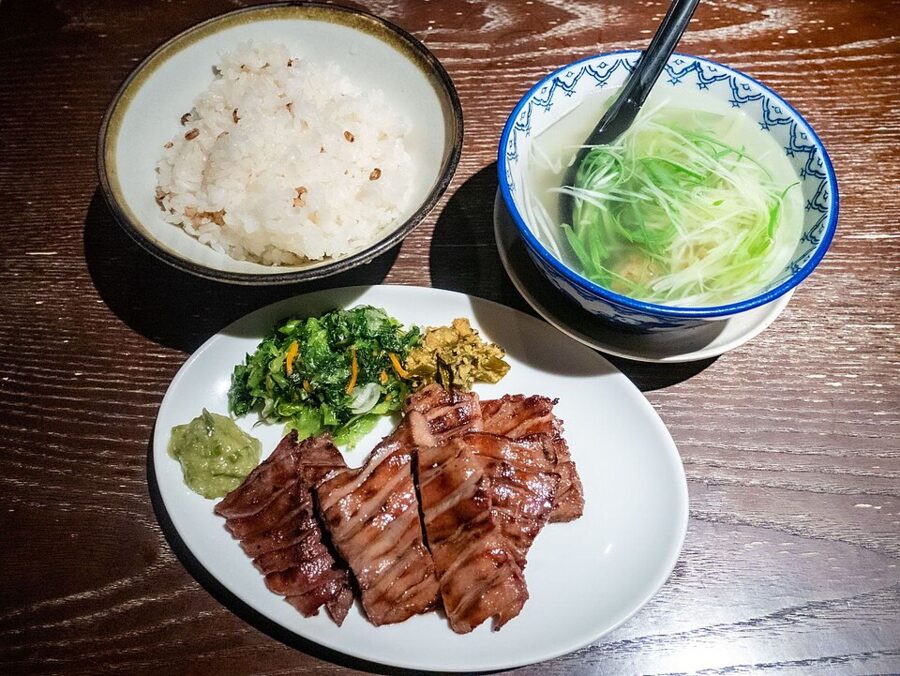

There are now more than a hundred tongue restaurants in the city, and almost none of their tongues are Japanese; most come from the United States, Australia and New Zealand, and when the United States stopped exporting beef during the BSE scare of 2003 several shops went under. Aji Tasuke on Ichibancho 4-chome, which calls itself the original, keeps to the old recipe and closes on Tuesdays. Ask for atsugiri, a thick cut, if you want the texture the city is proud of.

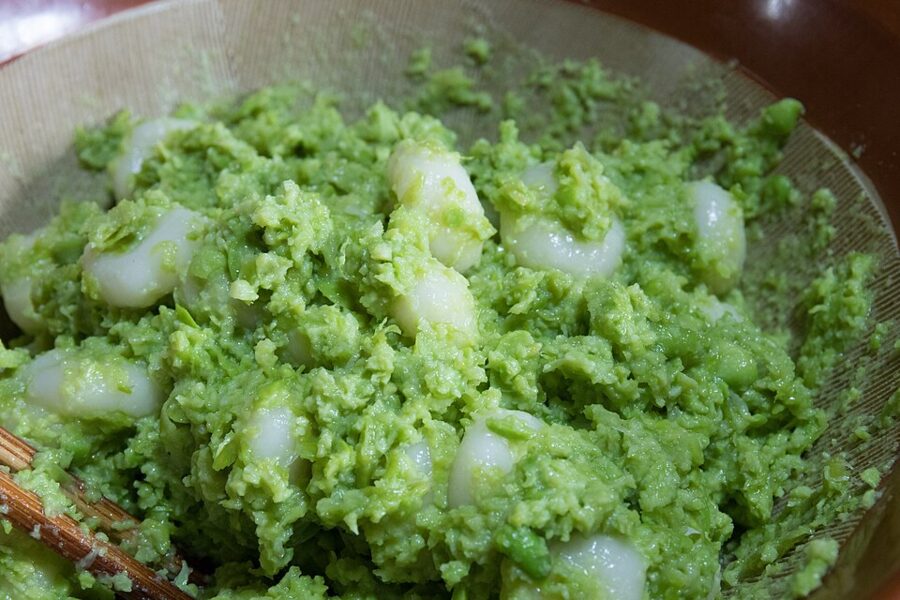
Zunda is the sweet that goes with it: young green soybeans boiled, crushed and sweetened into a coarse bright paste. It was a summer food from the late Edo period, made at the Bon festival as an offering when the beans were in season, and it was served to the Showa Emperor on his tour of Tohoku in 1947. You can now have it on mochi, in milkshakes and in ice cream at the station.

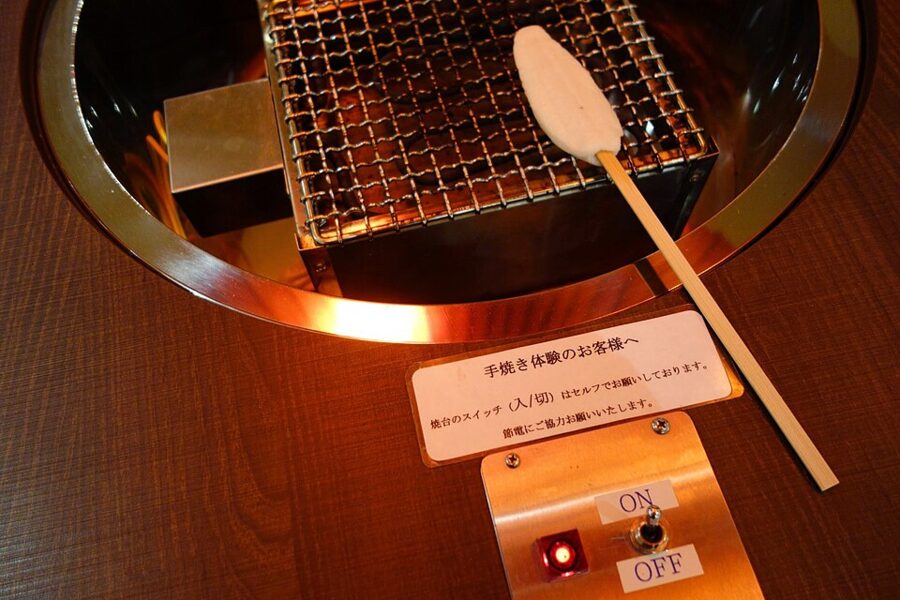
Sasa-kamaboko is a fish cake pressed into the shape of a bamboo leaf and grilled. It began with a glut of flounder along the coast in the early 1900s, when fishmongers with no way to keep the catch minced and baked it, and it got its name in 1935, when Abe Kamaboko-ten sold it as Sendai’s speciality and named it after the bamboo leaves on the Date crest. Kanezaki, founded in 1947, is the other big maker.
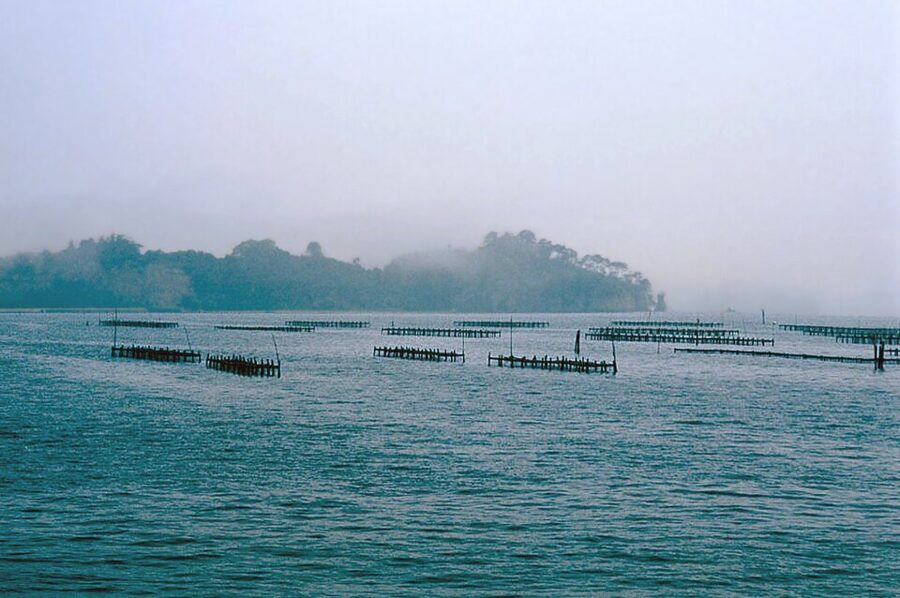
Two more for the list: hiyashi chuka, cold ramen with ham, egg and vegetables, is said to have started at Ryutei, a Chinese restaurant in Nishikicho that still serves it; and oysters, farmed on rafts in Matsushima Bay and along the Sanriku coast to the north. Miyagi and Hiroshima are the two names you will see on most Japanese oyster menus, and the season runs through the cold months.

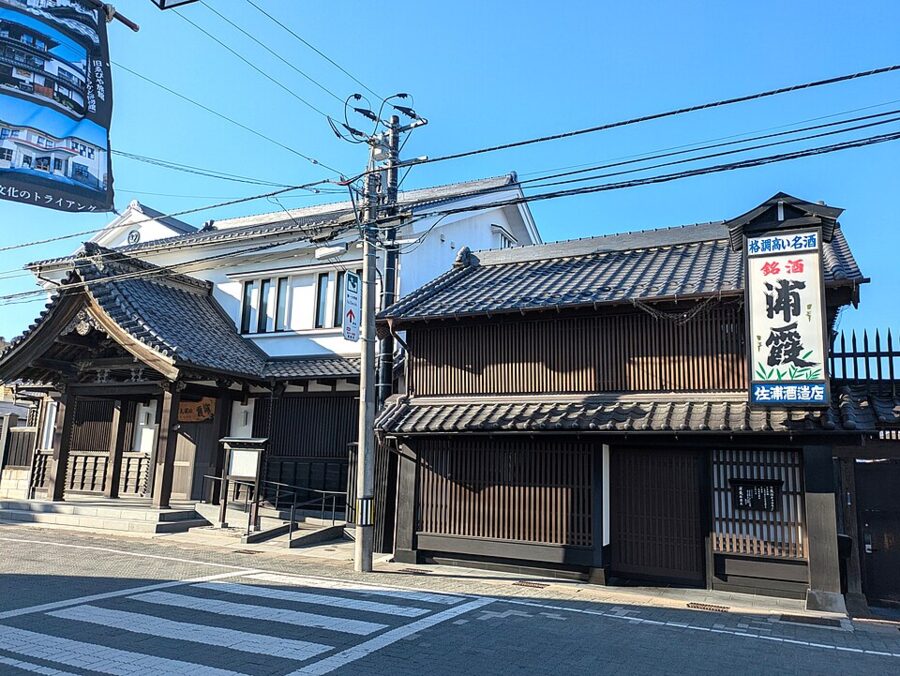
Miyagi brews sake to go with all of it, mostly clean and dry, made for seafood. The best-known name is Urakasumi, brewed in Shiogama since 1724 by the Saura family, who still make the sacred sake for Shiogama Jinja; their gallery next to the brewery opens 10:00–17:00 except Sundays and holidays.

Day trips from Sendai
Sendai is a good base because almost everything worth a day in southern Tohoku is a single train away. These are the ones I would choose; the rest of the region, from the Aomori ferries to the Dewa mountains, is better done as a journey than as day trips.
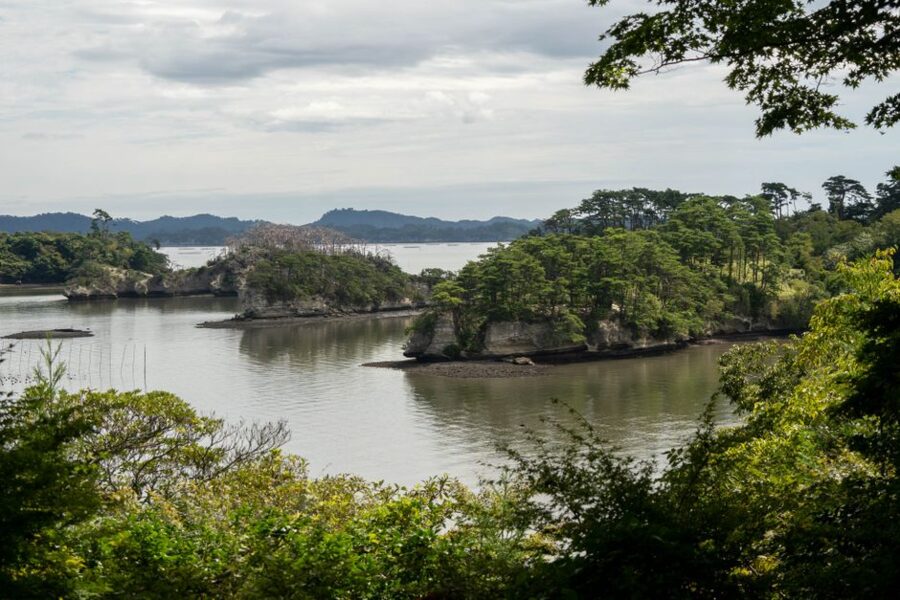
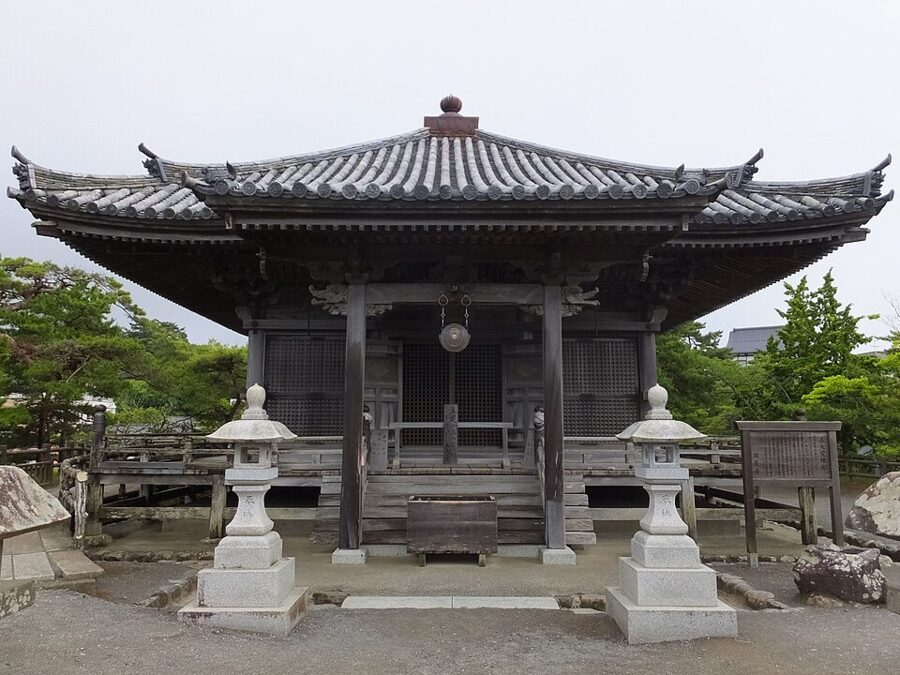
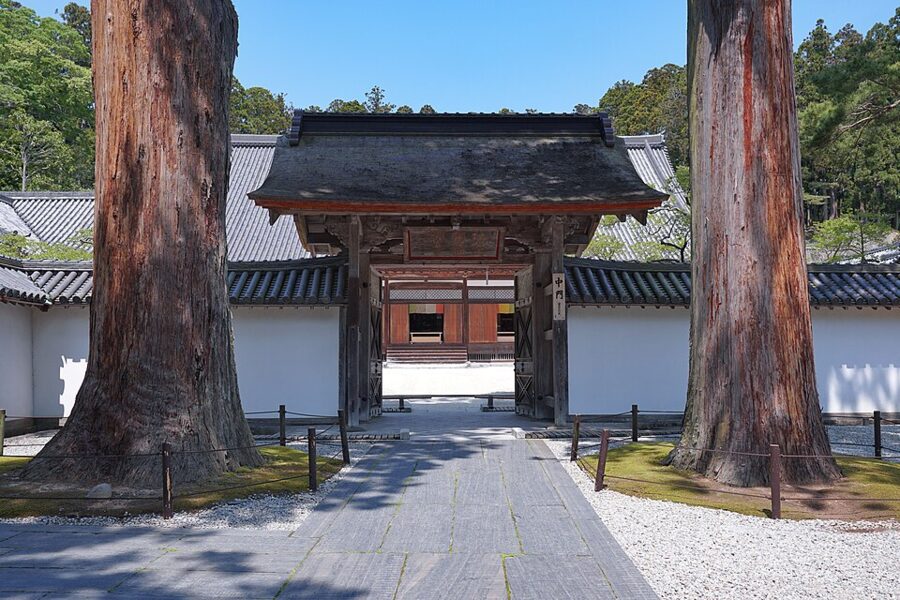
Matsushima (松島). About 40 minutes on the JR Senseki Line to Matsushima-Kaigan, a bay of about 260 pine-capped islands, with Zuiganji temple, rebuilt by Masamune between 1604 and 1609, and the little Godaido hall on its islet by the pier.


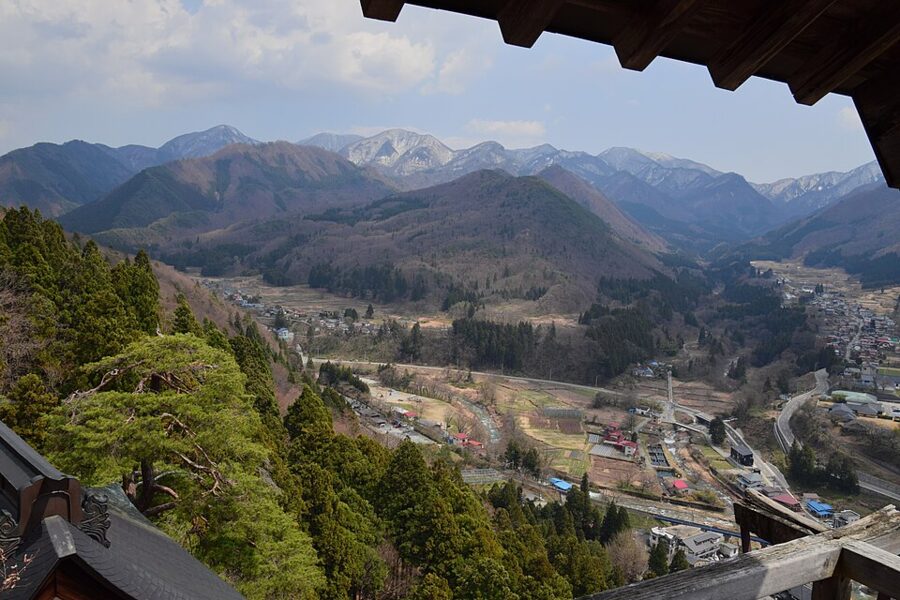
Yamadera (山寺). Just under an hour on the JR Senzan Line into Yamagata, Risshaku-ji, founded in 860, climbs a cliff by 1,015 stone steps; Basho wrote his poem about cicadas and silence here in 1689. Entry is ¥500.

Shiogama (塩竈). About half an hour on the Senseki Line to Hon-Shiogama, a fishing port with a big wholesale fish market and Shiogama Jinja, the first shrine of the old province of Mutsu, at the top of a long stone stair.

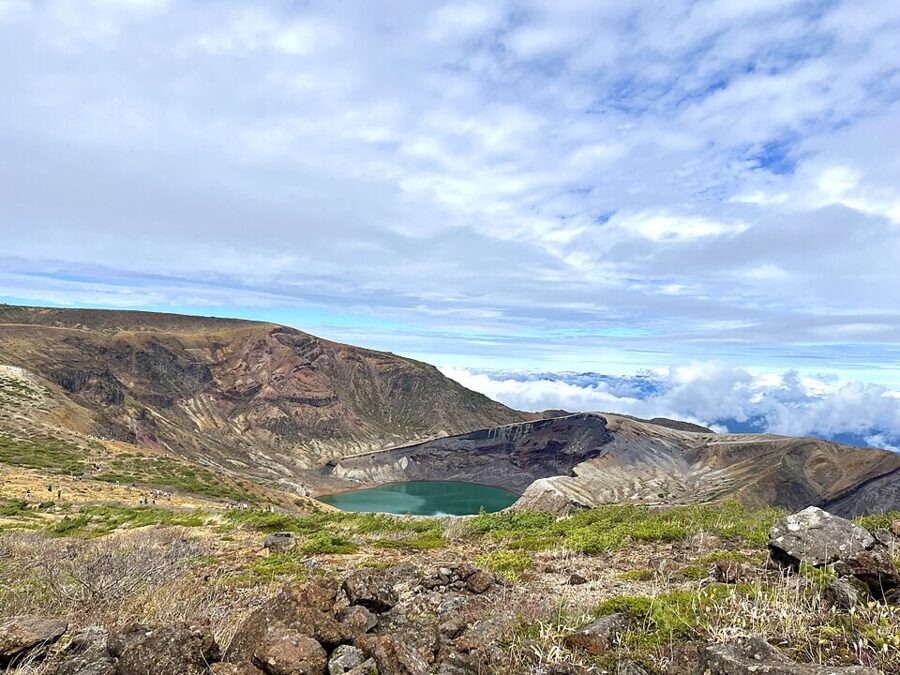
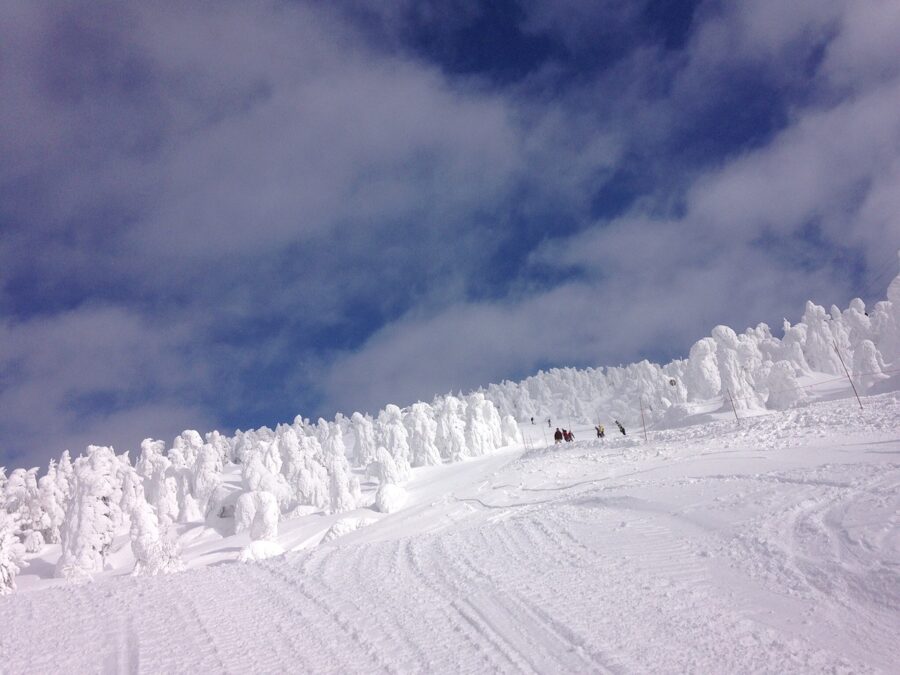
Zao (蔵王). A volcano on the Miyagi–Yamagata border whose crater lake, Okama, turns green, grey or turquoise with the light; the Zao Echo Line road across the range closes from early November to late April, and in November 2026 the volcano was at alert level 1, the lowest.
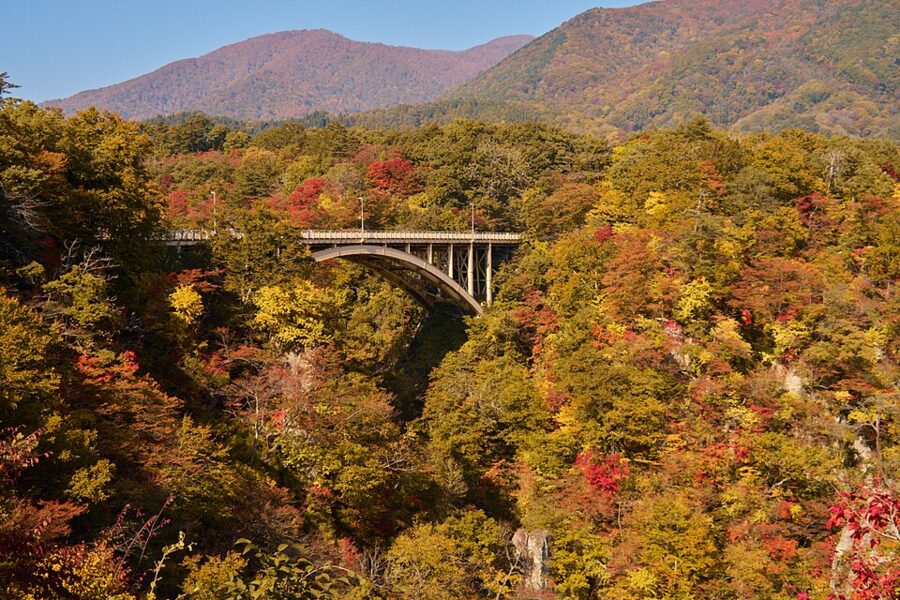
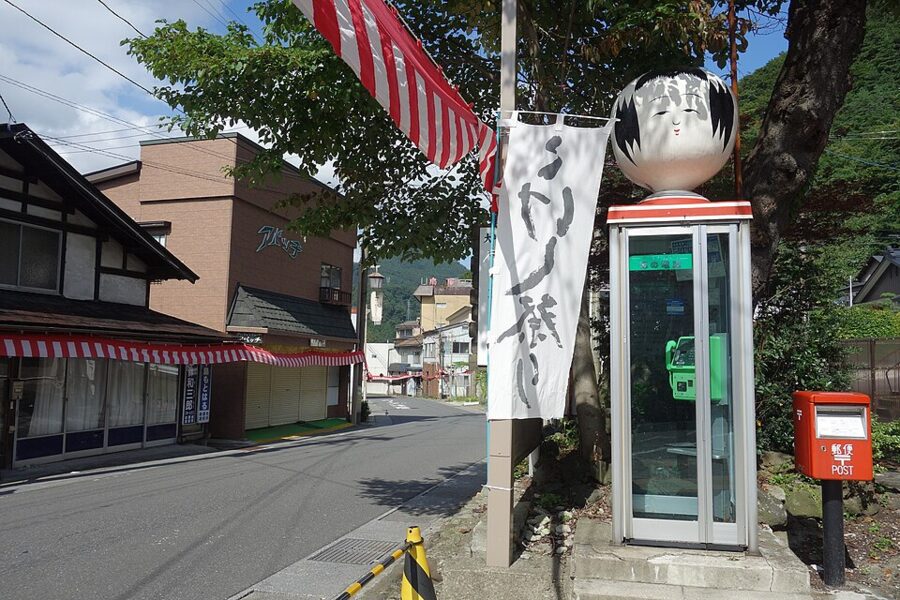
Naruko (鳴子). A hot-spring town about an hour north-west, by shinkansen to Furukawa and then the JR Rikuu East Line, known for its kokeshi dolls and for Naruko Gorge, which turns red in late October and early November.

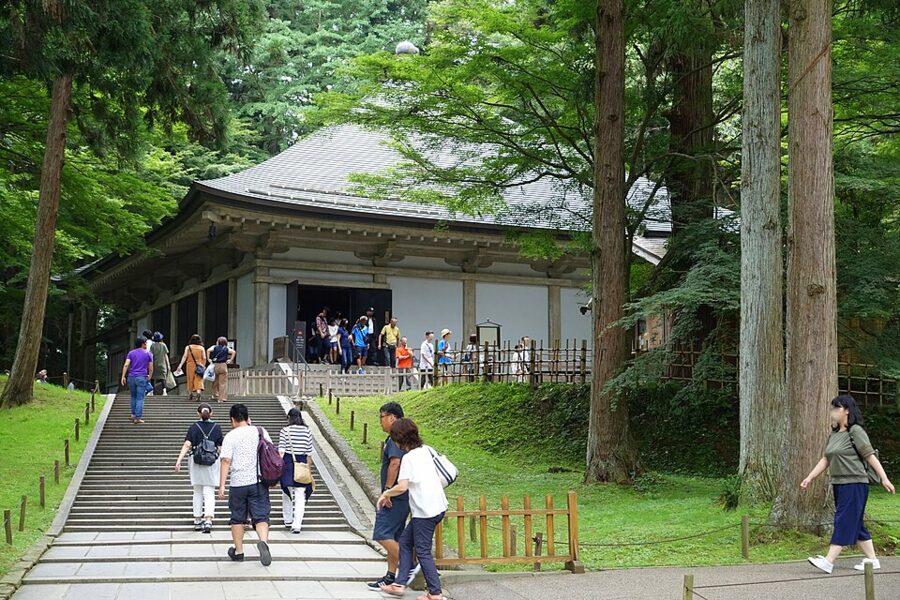
Hiraizumi (平泉). The best of the six, and the only one with a train change. Take a Yamabiko shinkansen 30 minutes to Ichinoseki, then 8 minutes on the JR Tohoku Line. Hiraizumi was the capital of the Northern Fujiwara in the twelfth century, and its temples and gardens became a UNESCO World Heritage site in 2011; the Konjikido at Chusonji, a small hall covered inside and out in gold leaf in 1124, is what everyone comes for.
Getting there and getting around
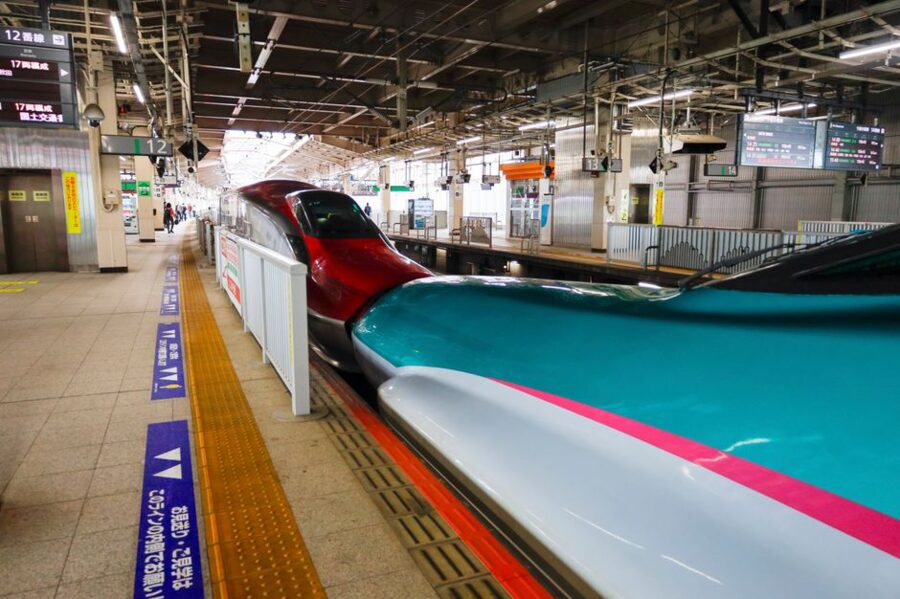
The Tohoku Shinkansen is the way in. The fastest Hayabusa trains reach Sendai from Tokyo in about 1 hour 30 minutes, for ¥11,630 in a reserved seat; Yamabiko trains stop more often and take up to two hours. The Japan Rail Pass covers every train on the line, but a return from Tokyo to Sendai alone costs less than half of a seven-day pass, so it pays only as part of a longer trip.
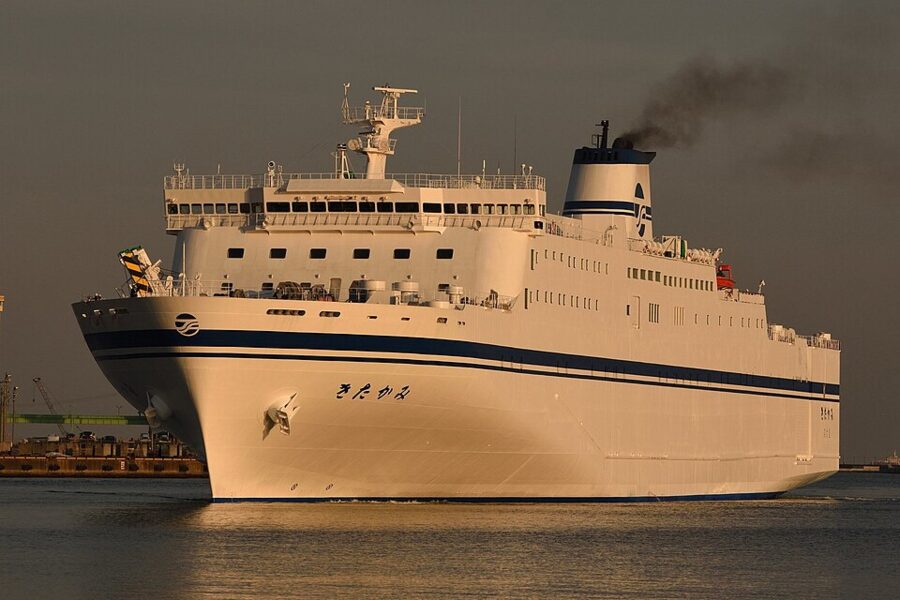
Sendai Airport is 17 to 25 minutes from Sendai Station on the airport access line (¥660), with domestic flights to Sapporo, Osaka, Fukuoka and Okinawa and a handful of routes to East Asia. Highway buses run to Tokyo, Niigata and the other Tohoku capitals, and the Taiheiyo Ferry sails overnight from Sendai port to Tomakomai in Hokkaido and to Nagoya.

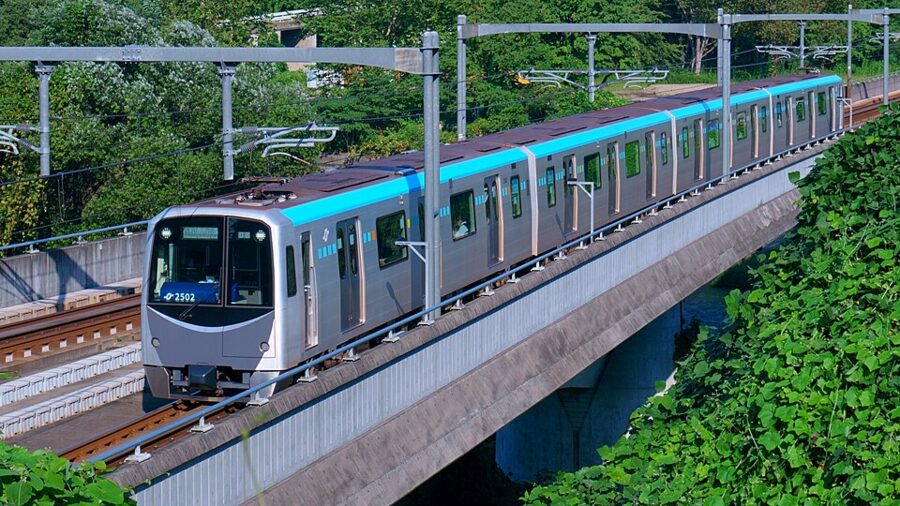
In town, the centre is walkable and the arcades keep you dry. The Namboku subway line (1987) runs north to south through Sendai Station; the Tozai Line (2015) runs west to east, from Yagiyama Zoological Park through the Aobayama campus and the castle district to Arai. Both take Suica and other IC cards.

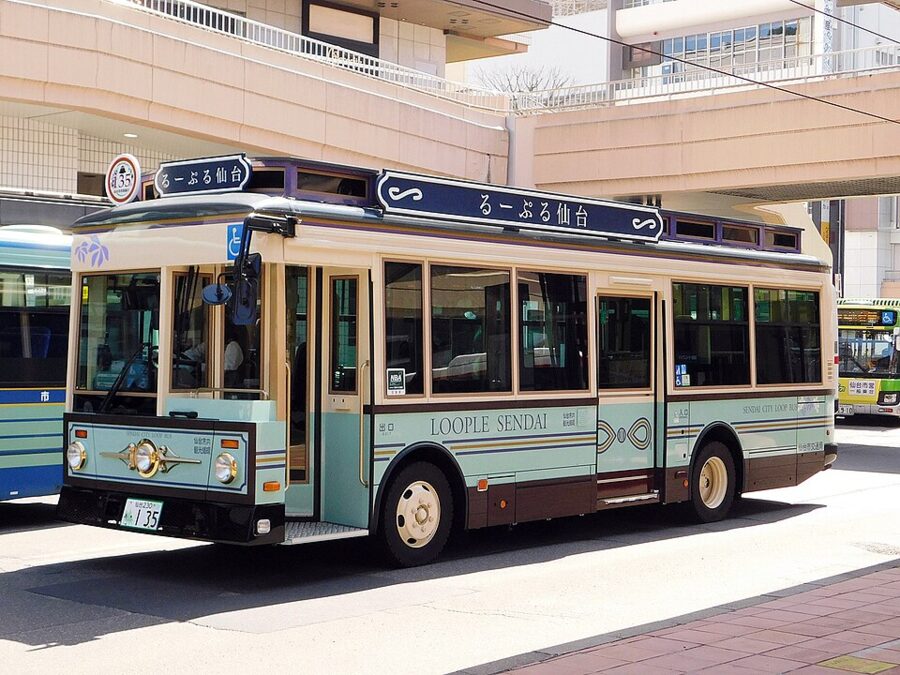
The Loople Sendai bus, painted to look like an old tram, runs one way from the west exit of Sendai Station round a loop that takes in Zuihoden, the castle site, the city museum, Osaki Hachimangu and Jozenji-dori, and is back in about an hour. The first bus leaves at 09:00 and the last at 16:00, every 20 minutes on weekdays and every 15 minutes at weekends, on holidays and throughout August. A single ride costs ¥300, a day pass ¥700, and a day pass that also covers the subway ¥1,000; the pass gets you discounts at Zuihoden, the museum and other stops.
Summer in Sendai is mild for Japan, with August highs averaging about 28°C, though the rainy season can run from June well into July. October is the most reliable month, dry and clear, and early November brings the zelkovas to gold. Spring arrives here a week or two after Tokyo, which is worth knowing if you are planning the best time to visit Japan around the cherry blossom.
Plans for one, two or three days
One day. Ride the Loople from Sendai Station at 09:00 and get off at Zuihoden for an hour, then take the next bus to the castle site and walk down through the museum. Catch the bus on to Osaki Hachimangu, and come back to the centre for late lunch and the walk along Jozenji-dori. Spend the evening in Kokubuncho with a tongue set meal.
Two days. Add a morning at Matsushima, catching an early train to beat the tour coaches; take the bay cruise or walk to Oshima and Fukuurajima, and come back by way of Shiogama for the shrine and a sushi lunch near the port. Or spend the second day on the coast: the memorial centre at Arai in the morning, the Arahama school by bus, and the afternoon back in town.
Three days. Give the third day to the mountains: Yamadera in the morning before the heat or the crowds, then back along the Senzan Line to Sakunami for a bath by the river on the way home. Or go north to Hiraizumi for the day, which is the trip I would choose if you have never seen the Konjikido. In August or December, shape the whole visit around Tanabata or the lights.
Whichever you choose, finish on Jozenji-dori. Walk it once in daylight and once after dark. The trees planted over the burned estate groves have done what the city hoped they would, and the old name, the city of trees, now belongs to them.