


In October 2023 the prefectural government in Sapporo counted 11,450 Ainu (アイヌ) people in 60 of its towns and cities. The report says, a few paragraphs on, that this is not how many Ainu there are. It is how many local offices could identify, and it leaves out anyone living elsewhere in Japan, anyone who declined and anyone who keeps their ancestry private. The 2017 survey had found 13,118, and nobody who wrote either report reads the drop as a shrinking people.
The Ainu are the indigenous people of Hokkaido (北海道), southern Sakhalin (樺太) and the Kuril Islands (千島列島), with an older presence in the far north of Honshu, and Japanese statute has called them indigenous only since 2019. Their language is among the most endangered on earth, yet it is on road signs across the island, because most of Hokkaido’s place names are Ainu words in Japanese spelling.

The history has some of the hardest chapters in modern Japan, and the culture is being taught, carved, sung and argued over now, mostly by Ainu people themselves.
In this guide
- Ainu Mosir: the people, the land and the name
- Scraped pots, iron pans and the Okhotsk people
- Trade, the Matsumae and two risings
- 1869 and after: colonisation and the Former Natives Act
- From the Nibutani Dam to the 2019 law
- A language with no relatives
- Kamuy, the iyomante and the house with a gods' window
- Yukar, appliqué and the five-string tonkori
- Where to learn about the Ainu in Hokkaido
- Visiting with care, eating ohaw, and a word on Golden Kamuy
Ainu Mosir: the people, the land and the name
Aynu means a human being, a person as distinct from a kamuy, a god or spirit, and it became the people’s name for themselves. In some communities the word was earned: someone who behaved badly was not aynu at all but wenpe, “a bad one”. The land they lived in was Ainu Mosir, the land of humans.
That land was large. Ainu lived across Hokkaido, the southern half of Sakhalin, the Kuril chain as far as the tip of Kamchatka, and the northern edge of Honshu on the Shimokita and Tsugaru peninsulas. They were never one state: groups such as the Menashikur of the east and the Sumunkur of the west had their own chiefs, river territories and feuds.
Nor were they isolated. Ainu traders took salmon, herring, kelp, furs and eagle feathers for arrows south to Honshu and came back with rice, sake, iron, lacquerware and cotton. Through Sakhalin they traded with the peoples of the lower Amur, and the Chinese silk brocade that reached Matsumae that way was sold in Edo as Ezo brocade. Chinese records of the Yuan dynasty describe fighting in Sakhalin with a people called the Kugi, generally taken to be the Ainu, which ended around 1308 with a tribute of furs.
Counting the Ainu today is harder than it sounds. Japan’s census does not ask about ethnicity, so the only regular figure is the Hokkaido survey run since 1972, which depends on municipalities knowing who is Ainu and on people agreeing to be counted. On the Russian side, officials told Vladimir Putin in 2018 that there were 105 Ainu in Kamchatka, after decades in which the Soviet state had recorded them as Japanese.
Tokyo recognises the Ainu as the only indigenous people of Japan. The United Nations committee on racial discrimination has said the same of the people of the former Ryukyu Kingdom, a view the government does not share.
Scraped pots, iron pans and the Okhotsk people
When rice farming spread through Honshu, it stopped at the Tsugaru Strait. Hokkaido kept hunting, fishing and gathering in what archaeologists call the Epi-Jomon culture, heir to the far older Jomon villages of the north whose shell mounds and stone circles are now on the World Heritage list.
From about the seventh century the island’s people took up iron tools, some millet farming and the Honshu-style clay oven, and smoothed their pots by scraping them with a wooden spatula. That scraping gives the Satsumon culture (擦文文化) its name, “scraped pattern”. Along the Okhotsk coast lived a different people altogether: the Okhotsk culture, which spread down from Sakhalin around the fifth century, hunted seals and whales, and kept rows of animal skulls in its large pit houses, the brown bear’s above all.
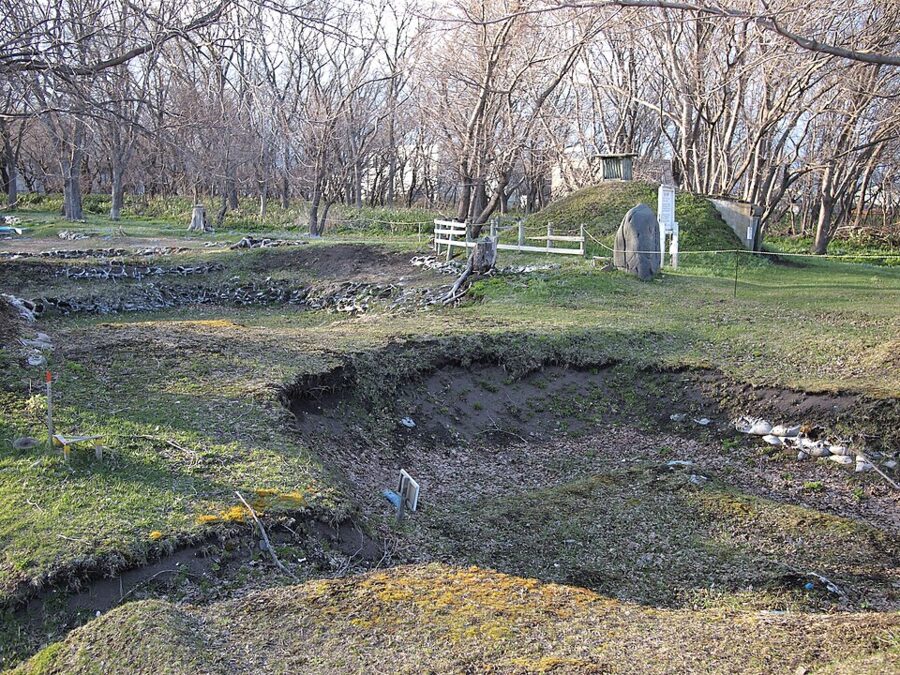
The two cultures blended in the east of the island, and between the eleventh and thirteenth centuries the Satsumon world changed into the one later observers called Ainu. Pottery went out, iron pots and lacquered bowls came in by trade, and pit houses gave way to the timber-framed chise on level ground. Bear reverence, which the Satsumon people do not show, looks like an Okhotsk inheritance.
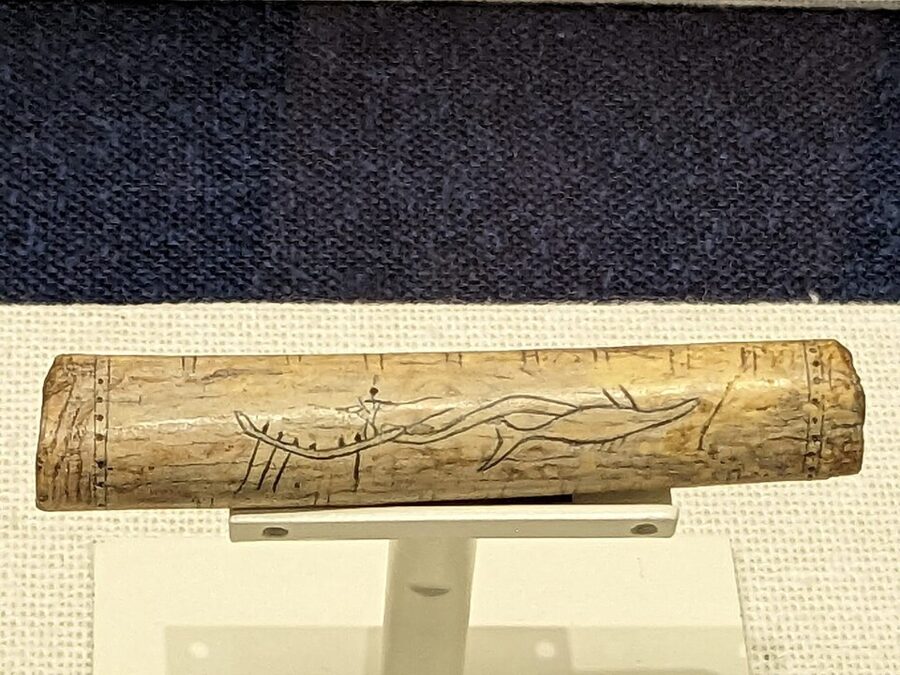
Period names can mislead, and the confusion has been put to political use. In 2025 the Anthropological Society of Nippon, the Japanese Archaeological Association and the Japanese Society of Cultural Anthropology issued a joint statement rejecting the idea that a change in a culture’s name means one population replaced another. The people who made Satsumon pots are the ancestors of the people who made Ainu ones.
Trade, the Matsumae and two risings
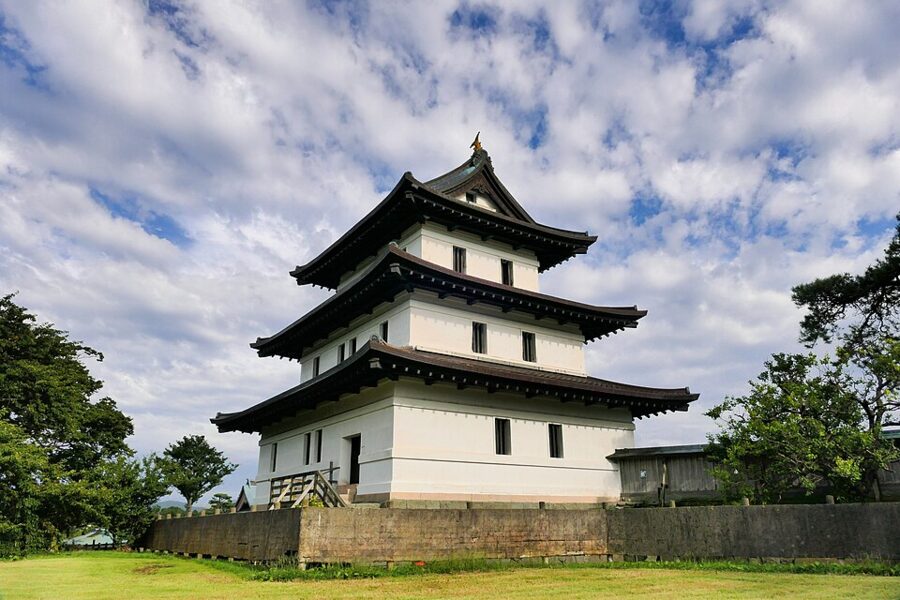
Japanese settlers, the wajin, were living on the southern tip of Hokkaido by the twelfth century, and in 1457 the chief Koshamain led a rising against their fortified posts. The account of his death comes from a chronicle written nearly two centuries later by the family that claimed to have killed him, the Kakizaki, who renamed themselves Matsumae. Read it with that in mind.
The Matsumae turned the trade into a monopoly. In 1604 Tokugawa Ieyasu gave them sole licence to deal with the Ainu, which mattered more than land in a domain where rice would not grow. By the eighteenth century merchants were paying the domain for the right to run whole stretches of coast, the basho, as commercial fisheries, and Ainu who had been trading partners became labour on someone else’s fishing grounds.
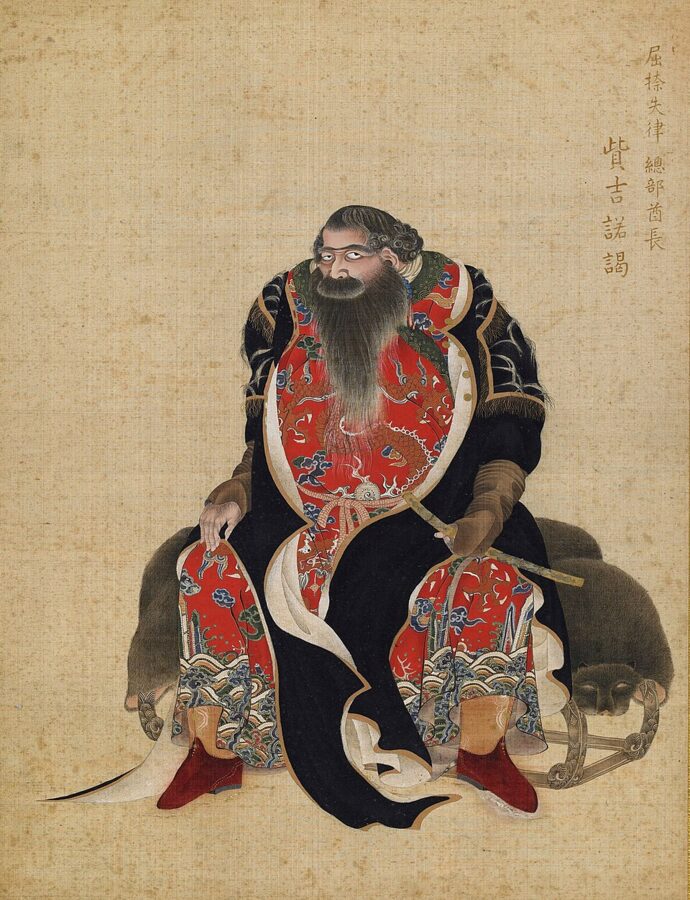
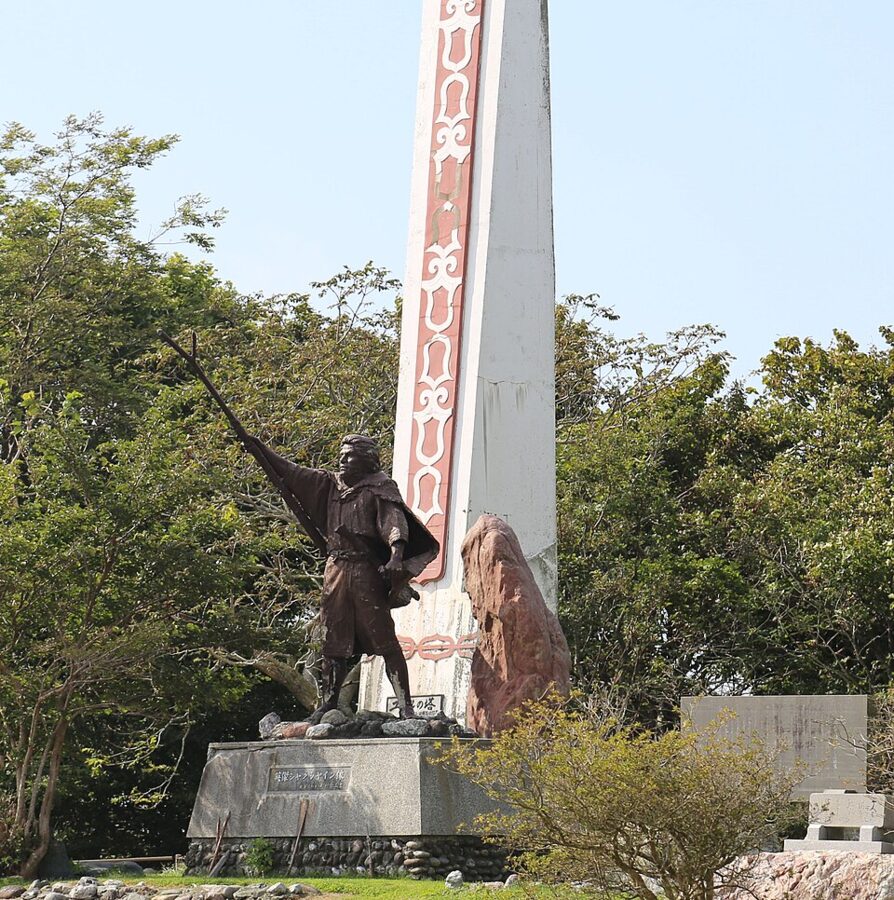
Shakushain was a chief of the Menashikur on the Shibuchari, the river now called the Shizunai. A feud with the Sumunkur over fishing rights turned in June 1669 into a rising against the Matsumae, after a rumour spread that an Ainu envoy to the domain had been poisoned. The Matsumae, with firearms, pushed him back to his fort, and late that year he came to their camp at Pipok, in present-day Niikappu, to make peace and was killed at the banquet held to seal it.

The second rising, in 1789, began on Kunashir and the Menashi coast opposite, where the merchant house of Hidaya ran the fisheries. Workers had gone short of food for the winter, and when a Kunashir elder died after drinking sake brought by a fishery manager, people believed he had been poisoned. Some 130 Ainu rose and killed 71 Japanese. Senior chiefs, Tsukinoe among them, talked the rebels into surrendering, and the Matsumae executed 37 men near today’s Nemuro.
Alarmed by Russian ships in the Kurils, the shogunate took eastern Ezo under direct rule in 1799 and began pressing Ainu to adopt Japanese names, hairstyles and dress. The pressure eased when it met resistance. It came back, harder, under the next government.
1869 and after: colonisation and the Former Natives Act
In 1869 the Meiji government renamed Ezo as Hokkaido and set up a Colonisation Commission, the Kaitakushi, to fill it with farmers from Honshu. Ainu land, forest and rivers became state property or settlers’ freehold, and regulations restricted the deer hunting and salmon fishing that families lived on. In 1871 the commission banned women’s lip tattoos, men’s earrings and the custom of burning a house after a death.
The borders moved the people too. When the 1875 Treaty of Saint Petersburg gave Sakhalin to Russia, some 841 Sakhalin Ainu were shipped to Hokkaido and then, against their wishes, inland to Tsuishikari near today’s Ebetsu, where cholera and smallpox in 1886 and 1887 killed around 300 of them. In 1884 the Orthodox Christian Ainu of the northern Kurils were moved to Shikotan, where the community dwindled away.
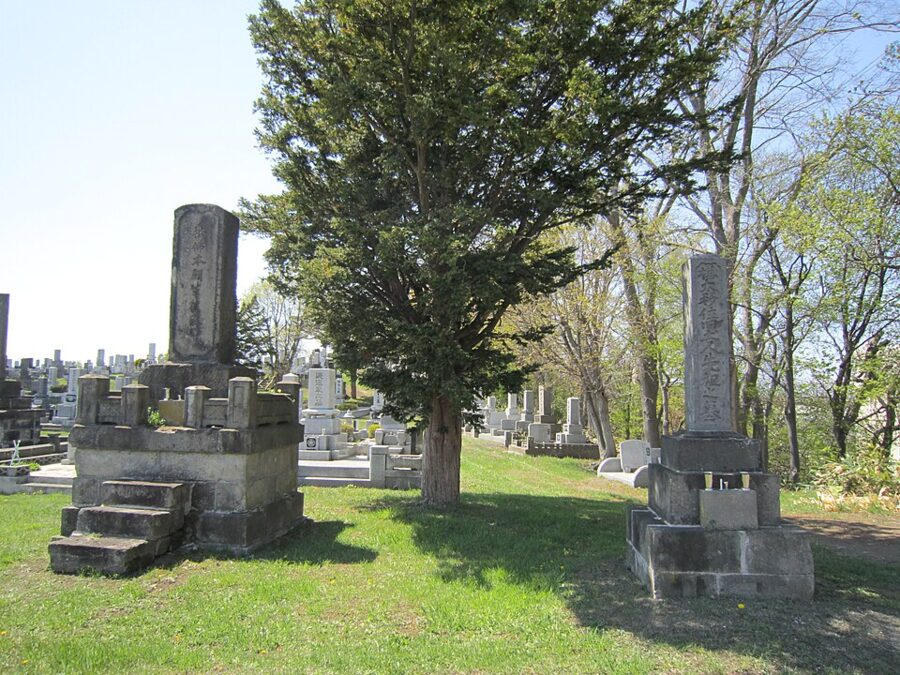

The Hokkaido Former Natives Protection Act of 1899 set the terms for the next century. It offered Ainu households plots of farmland that could not be sold without the governor’s consent, medical relief and schooling, and it called them kyudojin, “former natives”. Separate native schools taught in Japanese, the land was often poor, and many families could not make it pay. By most linguists’ reckoning, Ainu dropped out of everyday family life around 1900.
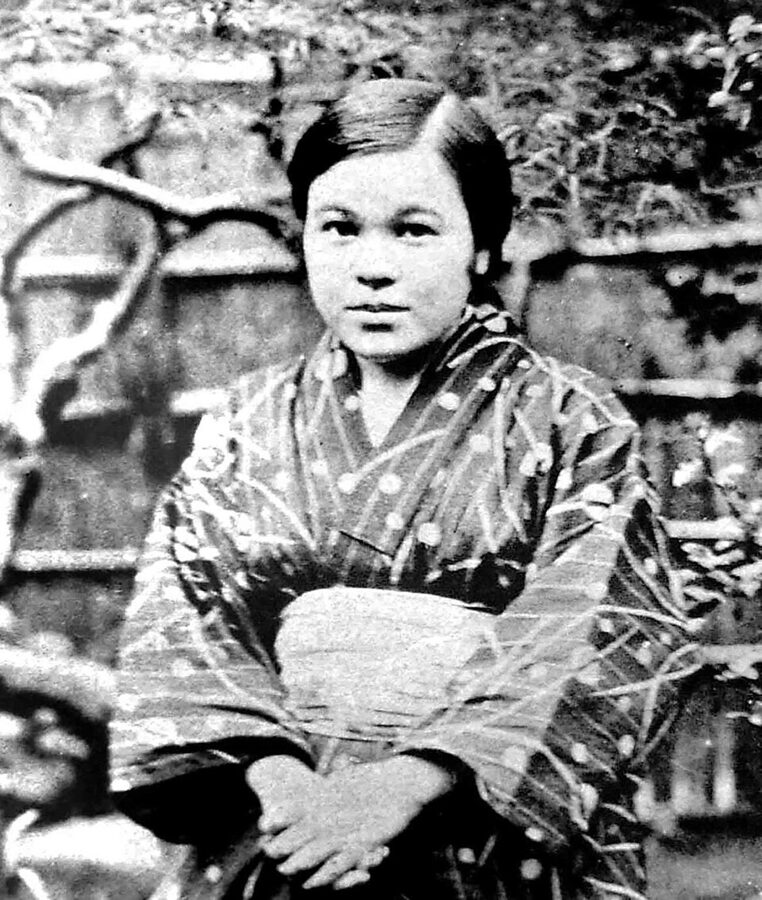
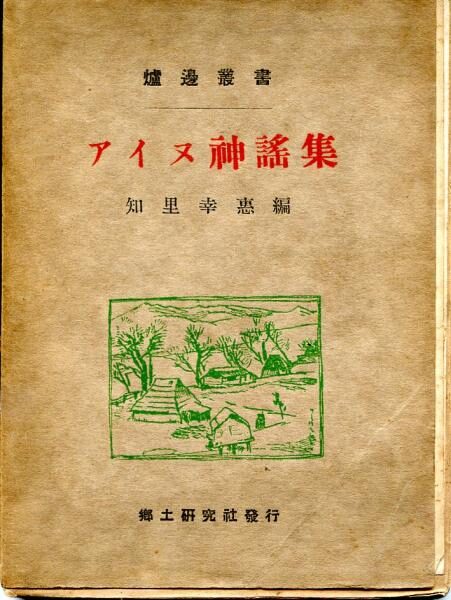
Chiri Yukie’s book appeared in 1923, and the memorial hall in Asahikawa prints her preface in full: it remembers the island as her ancestors’ free country and asks whether their language will vanish with the weak. Her brother Chiri Mashiho became the first Ainu professor at Hokkaido University. In 1930 Ainu leaders founded the Hokkaido Ainu Association, which from 1961 to 2009 called itself the Utari Association, using the Ainu word for “comrades” because the name Ainu had become a slur.
From the Nibutani Dam to the 2019 law
The modern turn came out of a river valley. In the 1970s the state planned a dam on the Saru River at Nibutani, in Biratori, a village where Ainu are still the majority. Two landowners, Kayano Shigeru and Kaizawa Tadashi, refused compensation for land that held ceremonial sites, had it compulsorily purchased in 1987, and took the Hokkaido expropriation committee to court.
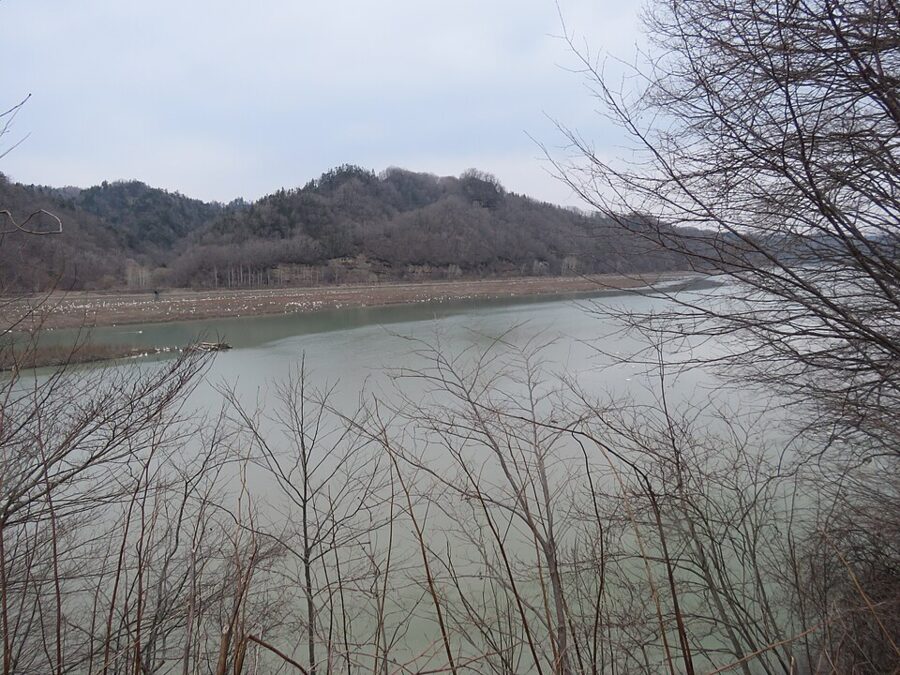

On 27 March 1997 the Sapporo District Court ruled that the expropriation had been unlawful, because the state had ignored the effect on Ainu culture, and that the Ainu were an indigenous people, the first time any organ of the Japanese state had said so. The dam, all but finished, was allowed to stay. Kayano had entered the House of Councillors in 1994 as its first Ainu member, and in May the Diet passed the Ainu Culture Promotion Act, which replaced the 1899 law on 1 July.
That act paid for language classes and craft training but said nothing about rights. After the United Nations adopted its Declaration on the Rights of Indigenous Peoples in 2007, both houses of the Diet asked the government on 6 June 2008, unanimously, to recognise the Ainu as indigenous, a month before Japan hosted the G8 summit at Lake Toya. The Ainu Promotion Act, passed in April 2019, is the first statute to use the word: it names the Ainu as the indigenous people of the north of the archipelago, Hokkaido in particular, and bans discrimination against them.
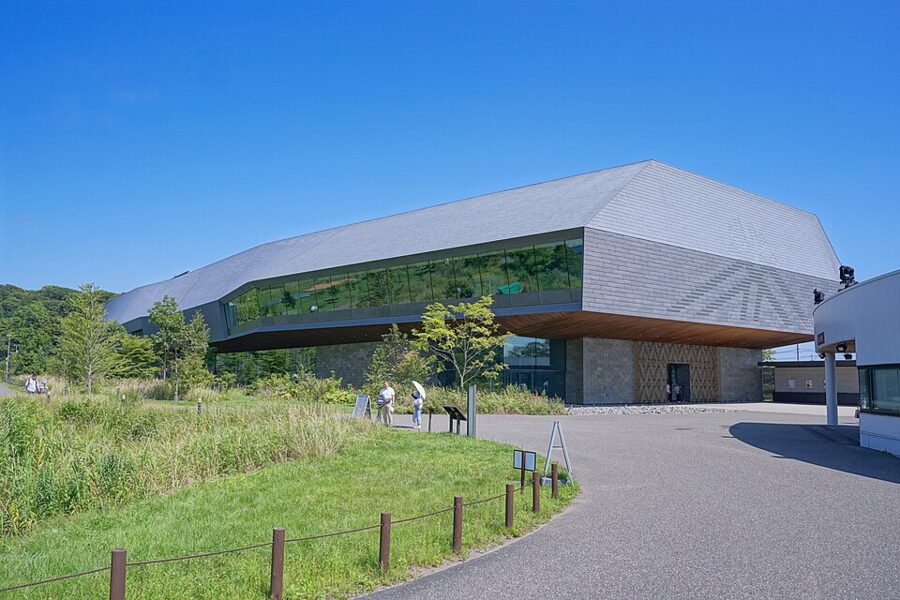

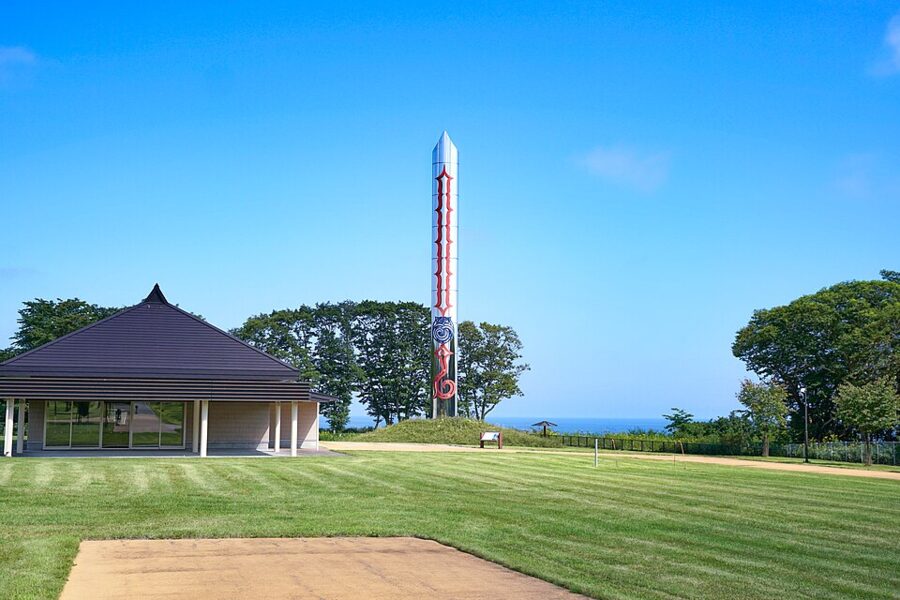
Part of Upopoy is a memorial most visitors never see. From the late nineteenth century researchers dug up Ainu graves for skulls and bones, and universities kept the remains for decades. Those that cannot yet be returned to descendants or local communities have been gathered since November 2019 in the Memorial Site on the hill above the park, where Ainu held their first rites for them that December.

None of this is settled. A Justice Ministry survey in 2016 found that 72 per cent of Ainu respondents believed discrimination against them existed, against 18 per cent of the general public. The 2023 Hokkaido survey found 24.7 per cent of Ainu school-leavers going on to university or junior college, against 51.5 per cent in the same municipalities. In 2025 the Hokkaido Ainu Association asked the government to give the law’s ban on discrimination some teeth.
A language with no relatives
Ainu is a language isolate: no relationship to Japanese or any other language has been shown. Verbs carry markers for subject and object, and nouns can be folded into the verb, so one Ainu word can do the work of a Japanese sentence. There was no traditional script, and modern Ainu writing uses katakana plus a set of small extra characters for consonants that end syllables, such as ㇰ, ㇱ, ㇷ゚ and ㇻ.
The Kuril dialect had no speakers left soon after the war, and the last known speaker of the Sakhalin dialect, Asai Take, died in 1994. In February 2009 UNESCO listed Ainu as critically endangered, the only language in Japan in that category, and a 2007 estimate put fluent native speakers at around ten. That is not the whole story.
STV Radio in Sapporo has broadcast a weekly Ainu course since 1998, following an earlier series taught by Kayano Shigeru from 1987. The Foundation for Ainu Culture runs classes and an annual speech contest, and in May 2025 the Shiraoi Ainu Association began training new speakers of the Shiraoi and Horobetsu dialects. The greeting irankarapte, roughly “let me touch your heart”, meets you at Upopoy, Nibutani and Akan.
The names on the map
Most of the Ainu a traveller meets is on the map. The names describe land plainly, with no interest in beauty and a great deal in water, safety and food. Pet and nay both mean river, and come out in Japanese as -betsu and -nai; o marks a river mouth; wen means bad, and at places such as Uenbetsu and Enbetsu nobody now remembers what the trouble was.
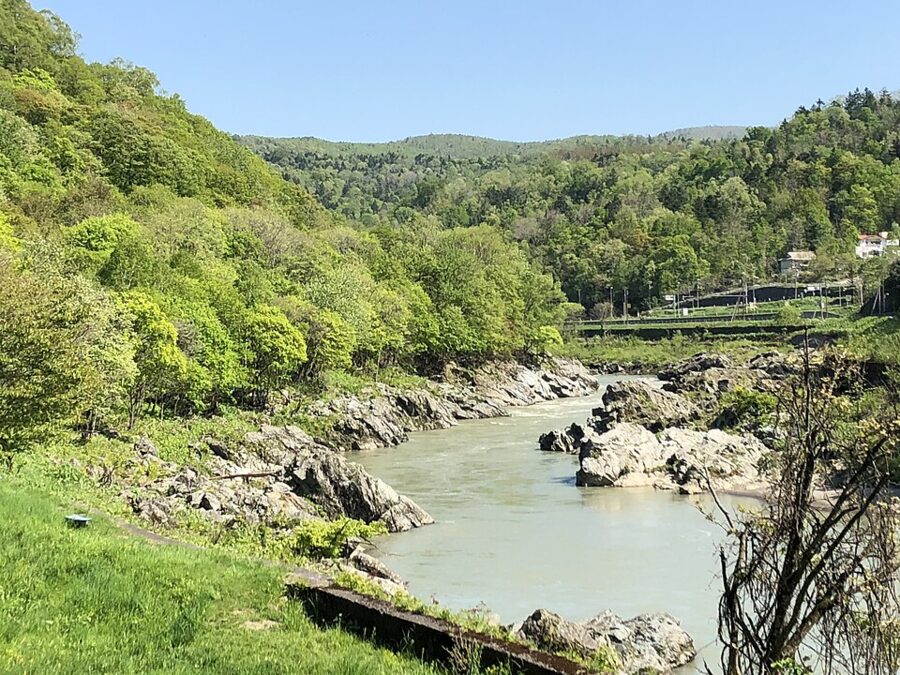

Sapporo is the classic disputed etymology. Matsuura Takeshiro, who mapped the island in the 1850s, read it as sat poro pet, “the dry, great river”; the place-name scholar Yamada Hidezo preferred sari poro pet, “the river with great reed beds”. Wakkanai is yam wakka nay, the stream of cold water, after the one brook on that shore with good drinking water. Shiraoi is siraw o i, the place with many horseflies, and Biratori is pira utur, between the cliffs.
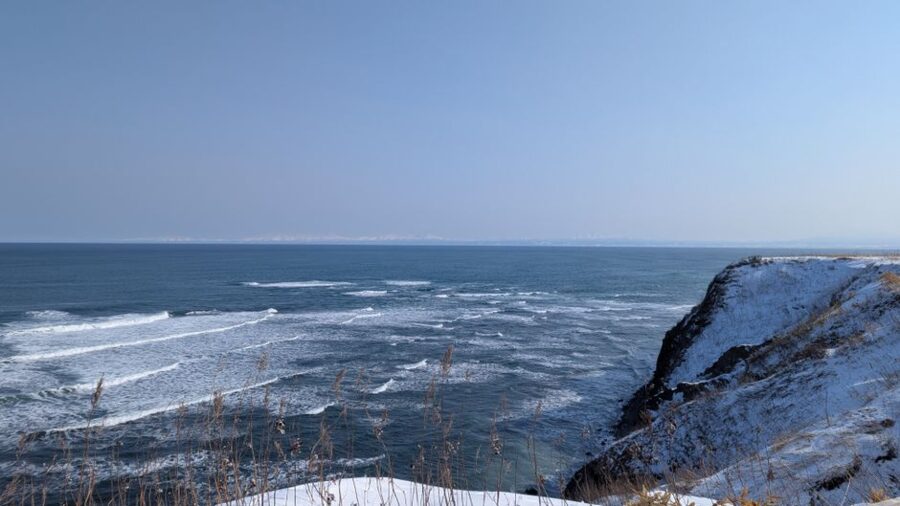
The names cross the Tsugaru Strait. In Tohoku (東北), -nai and -be names cluster in the mountains of Aomori (青森), Iwate (岩手) and Akita (秋田): Osarube in Ninohe, from o sar pet, the river with reeds at its mouth, or Horobe in Hachimantai, from poro pet, the big river. The linguist Kindaichi Kyosuke drew the southern limit of such names across all of Tohoku; Yamada, who walked the ground, drew it further north, from the Akita–Yamagata border to just north of Sendai.
Kamuy, the iyomante and the house with a gods’ window
In Ainu belief almost everything that matters to human life is, or holds, a kamuy: animals, plants, fire, water, wind, boats, tools and disease. The kamuy visit the human world in a form people can use. A bear is a mountain god who arrives wearing meat and fur as gifts, and a person who receives them well sends the god home with presents so it will want to come back.
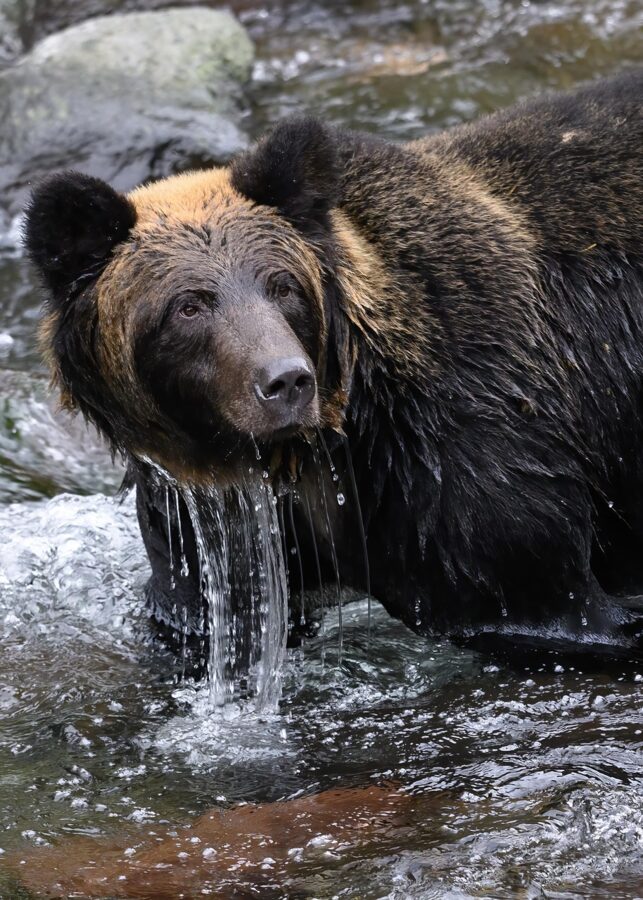
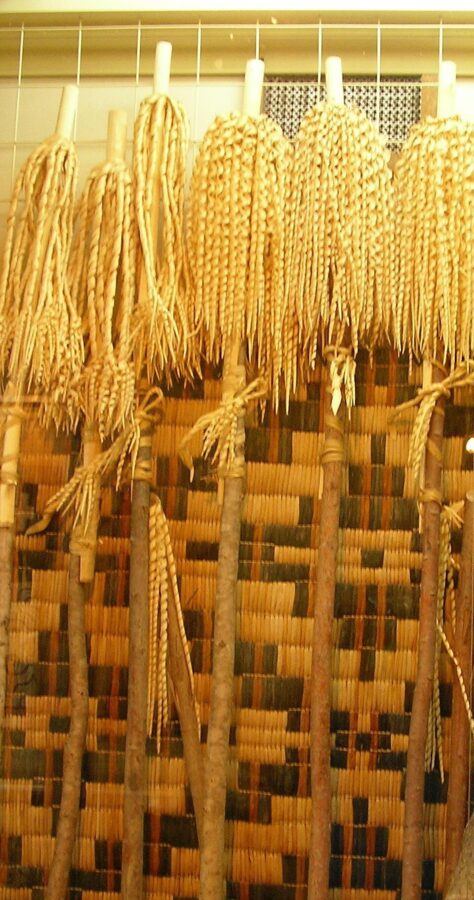
Every ceremony, a kamuynomi, begins with a prayer to Apefuchi Kamuy, the goddess of the hearth, because she lives with the family and can pass a message to the other gods. The offerings that carry the prayer are inau, sticks shaved from a single piece of wood until curls hang from them like hair. Inau have sexes, shown by the way the shavings are cut, and a kamuy is offered one of the other sex.
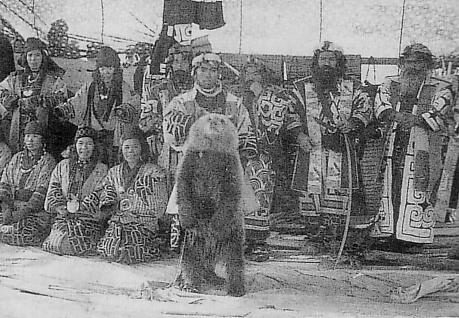
The best-known ceremony is the iyomante, “sending it off”. A bear cub taken in late winter was raised in the village, first in the house and then in a log cage, and after a year or two it was killed with great ceremony and its spirit sent back to the mountains loaded with dumplings, sake, inau and songs. In 1955 the governor of Hokkaido issued a notice calling the bear ceremony barbaric, which ended it in practice; the notice was withdrawn only in April 2007.
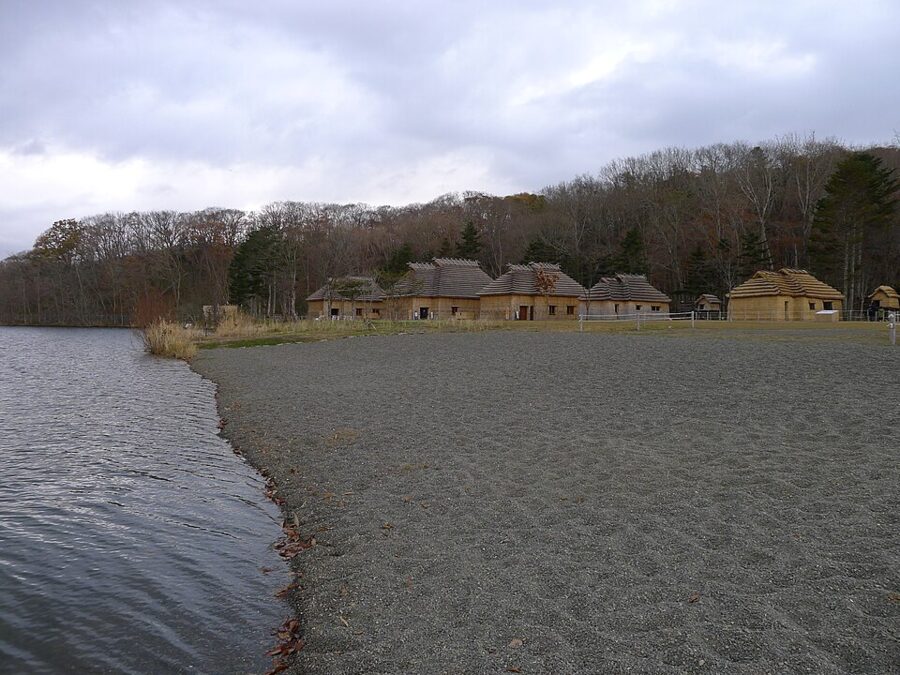
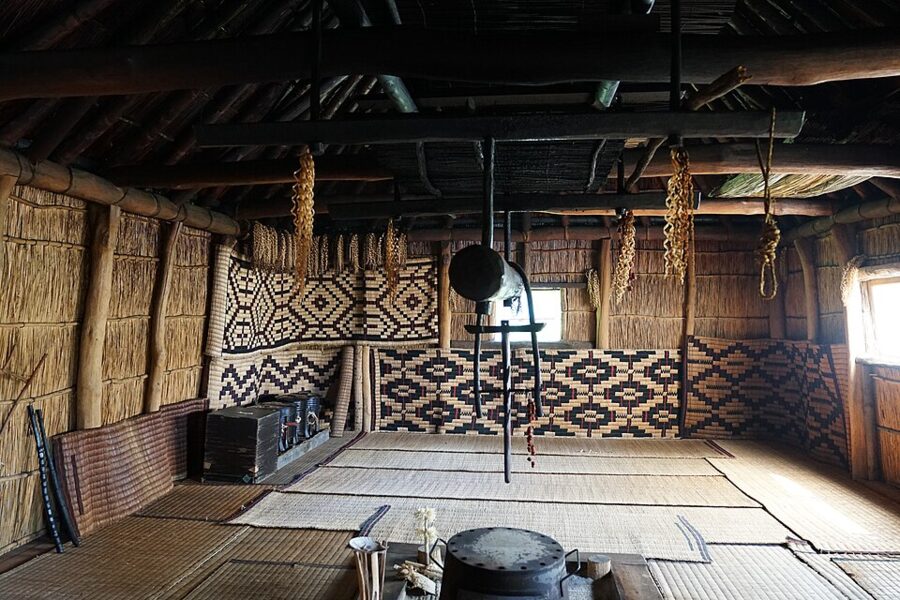
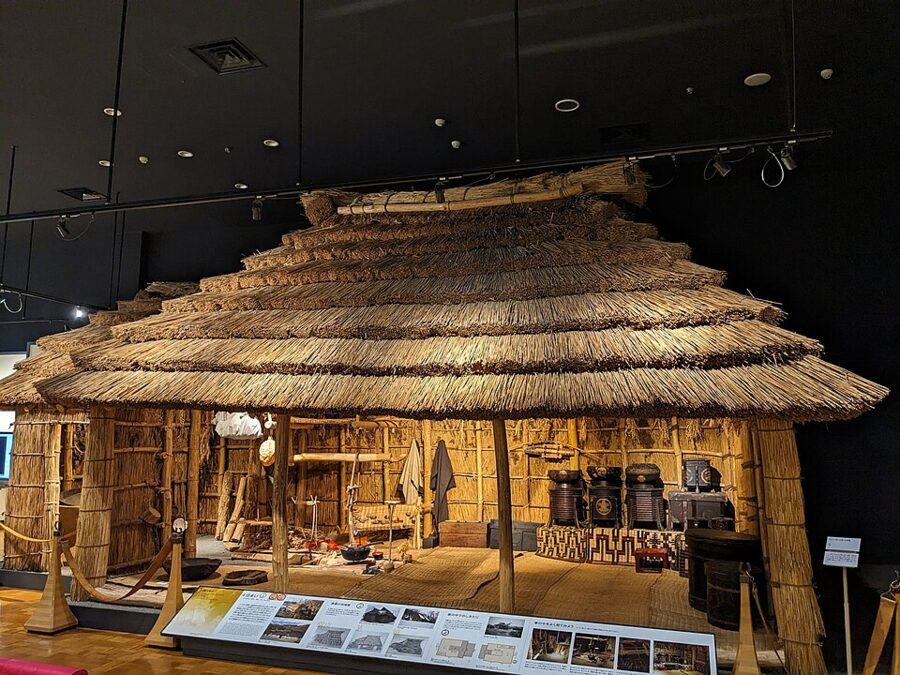
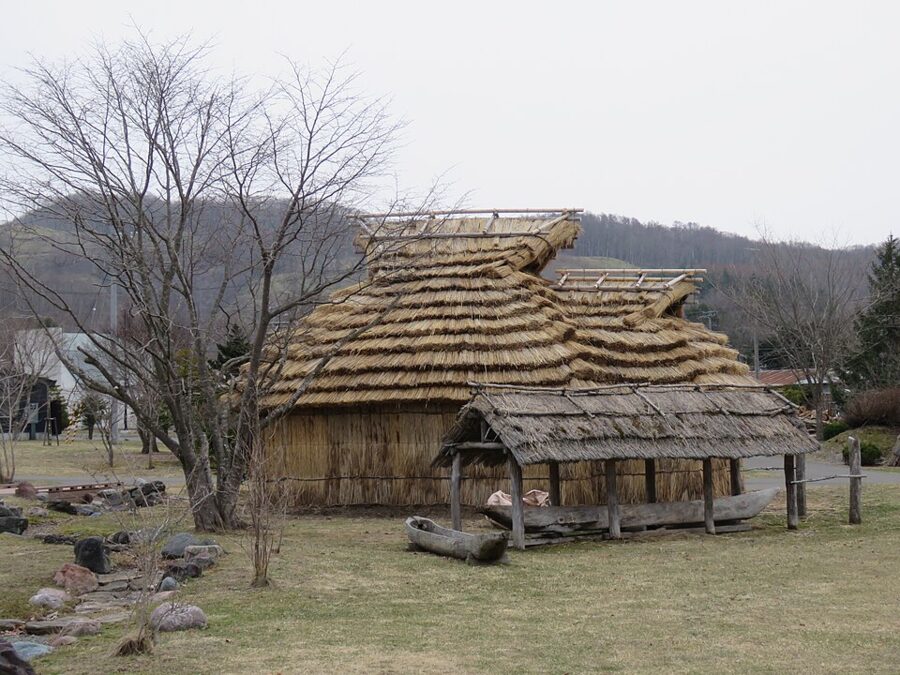
A chise is a single-room house with posts sunk straight into the ground and a hipped roof. The covering depended on what grew nearby: reed thatch in the Iburi country around Shiraoi, bamboo grass on the upper Ishikari and in Tokachi, bark in the east. At the far end, facing upstream or east, is the kamuy puyar, the gods’ window, through which only gods and ceremonial objects pass. Looking into someone’s house through it was an insult that could cost the offender compensation.

Yukar, appliqué and the five-string tonkori
Without writing, everything the Ainu knew of their past and their gods was carried in speech and song. Yukar are heroic epics, chanted over hours or several nights while the singer taps time with a stick, usually about a young hero whose name changes by region. Kamuy yukar are shorter songs in which a god tells its own story in the first person, with a refrain running through. Uepeker are prose tales, told rather than sung.
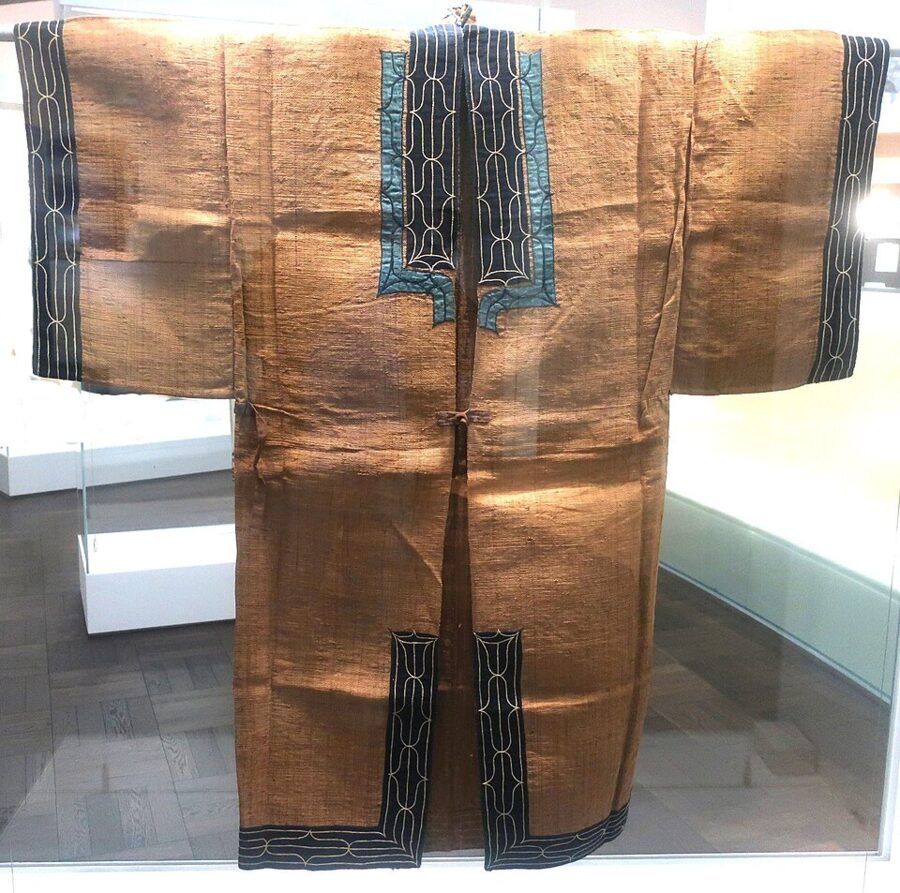
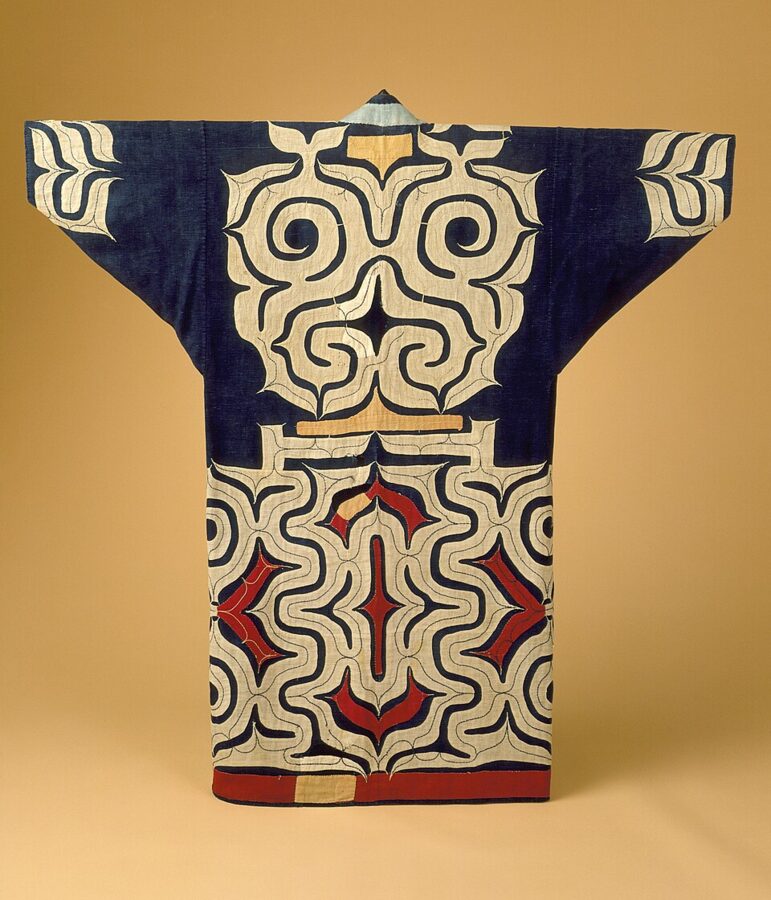
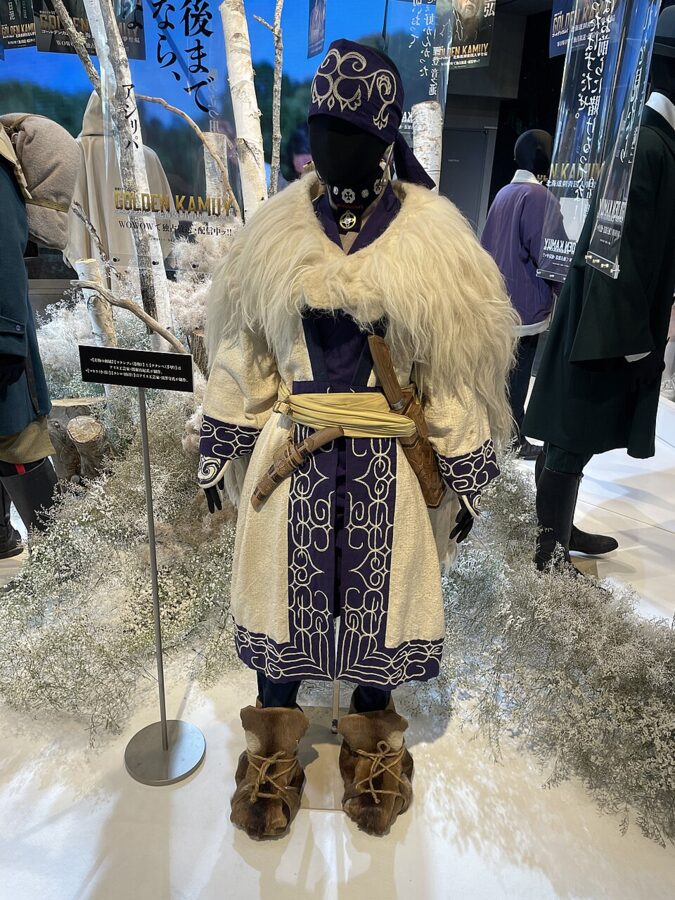
Ainu dress is the craft most people meet first. The everyday robe was attus, woven from elm or linden bark, and Sakhalin Ainu made cloth from nettle fibre. When cotton arrived by trade, women cut it into bands and appliqué sewn onto hems, cuffs and backs, and regional styles grew from that, among them the ruunpe with its strips of appliqué and the kaparamip with large white cut-outs. The patterns build on a few elements, the spiral moreu and the thorn ayus among them.
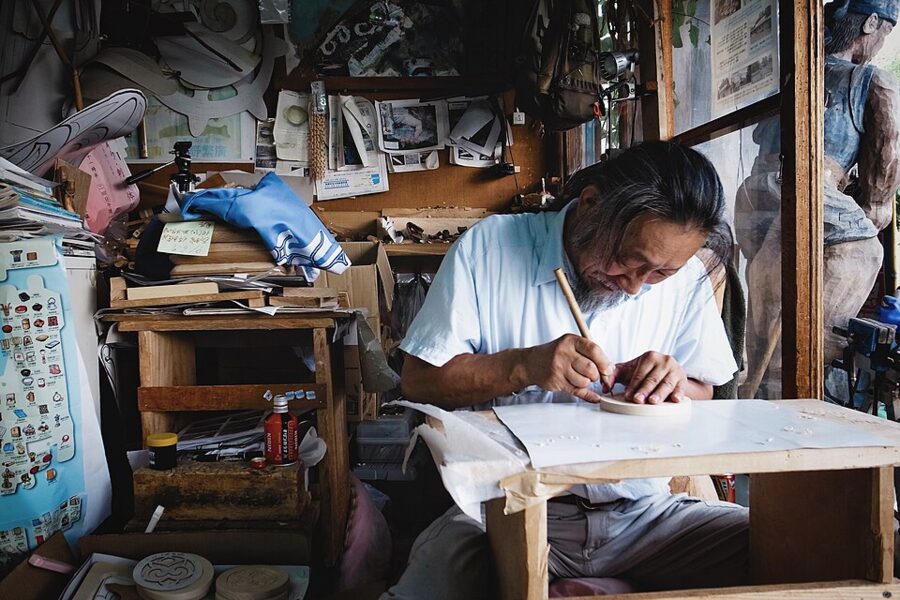

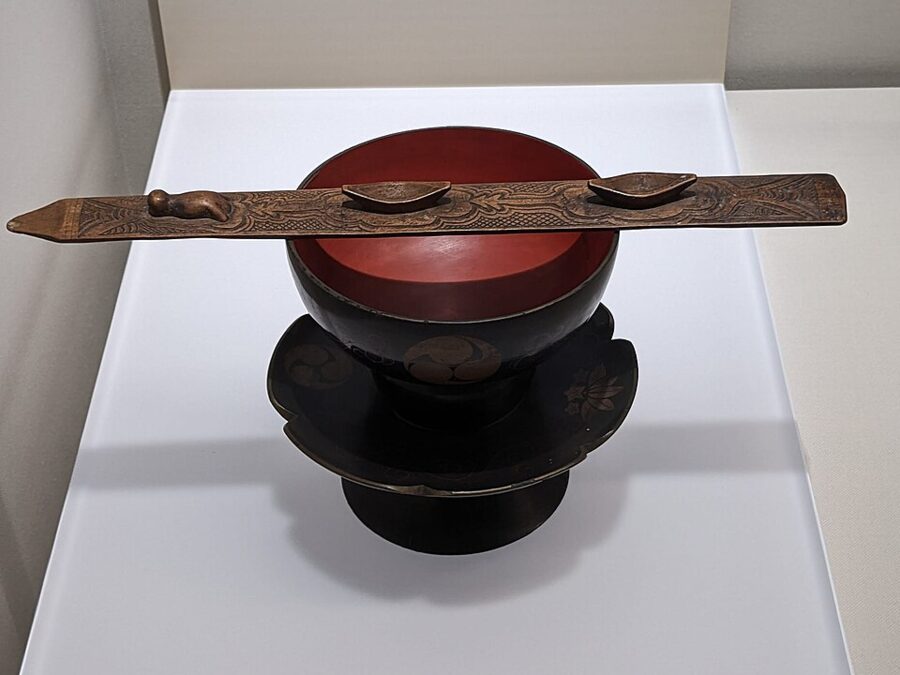
In 2013 Nibutani attus became the first craft from Hokkaido designated a national Traditional Craft, and the carved Nibutani ita carry the same designation. Men carved the makiri knife and its sheath, bowls and boats, and the ikupasuy used to lift drops of sake to the gods during a prayer. The carved bears sold across Hokkaido are a twentieth-century line of work, taken up partly because tourists wanted them, and the best, at Akan or in Asahikawa, are serious art.

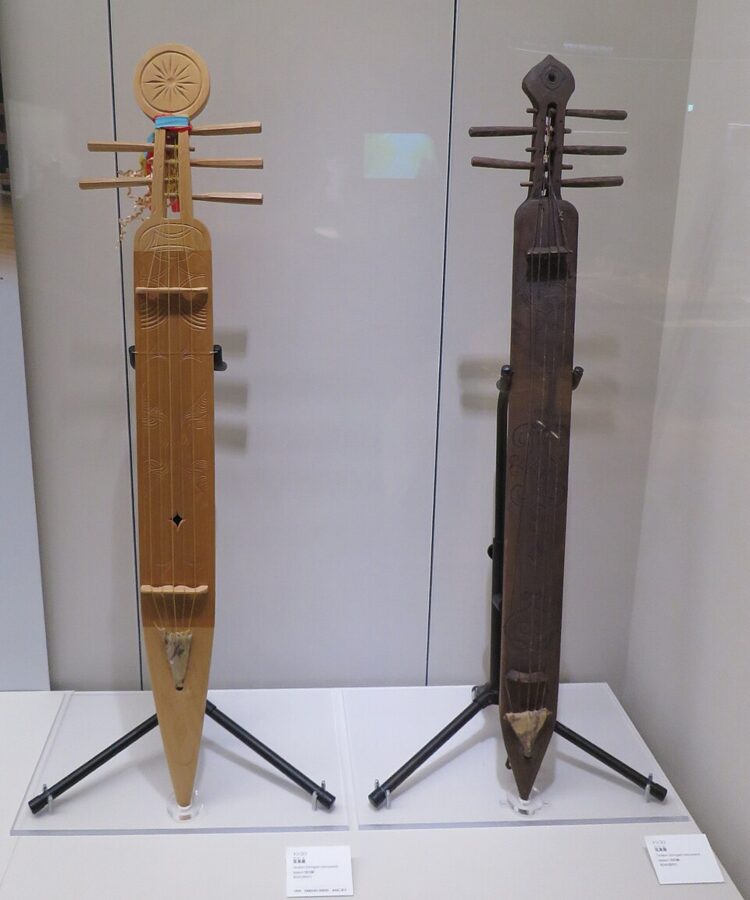

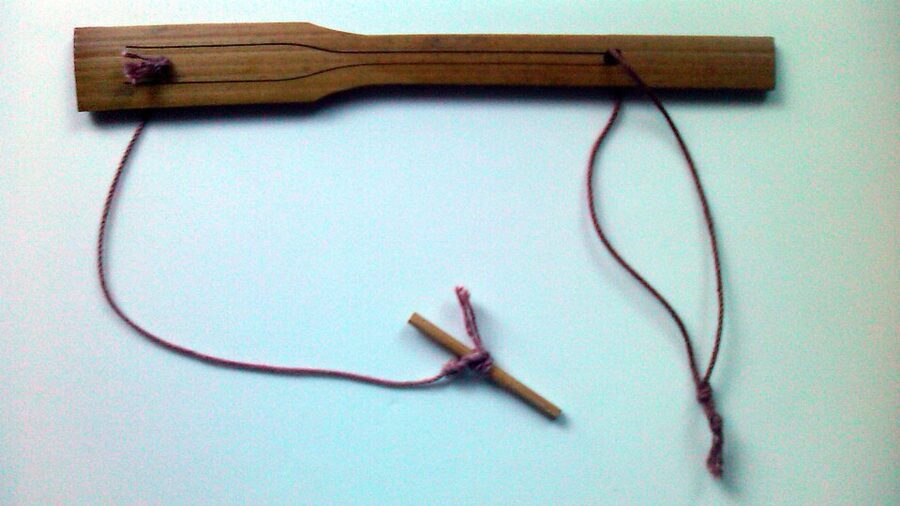
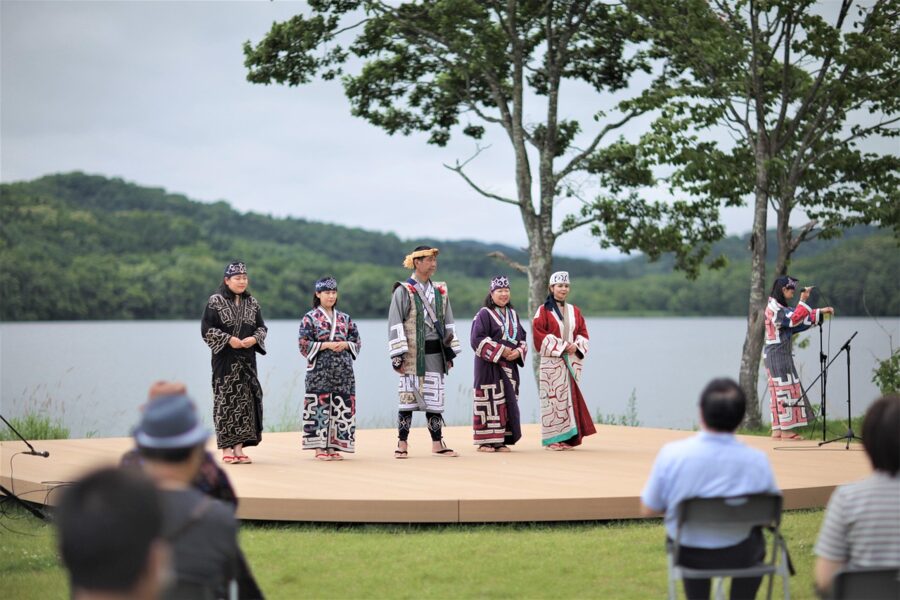
Songs, upopo, and dances, rimse, served ceremonies, gatherings and work alike, and some dances mimic cranes or the rowing of a boat. Ainu traditional dance has been an Important Intangible Folk Cultural Property since 1984 and on UNESCO’s intangible heritage list since 2009. The instruments you will hear are the mukkuri, a bamboo jaw harp sounded by tugging a cord, and the tonkori, whose playing tradition survived only in Sakhalin; the musician OKI has since taken it into dub and rock.
Where to learn about the Ainu in Hokkaido
If you have one day, go to Upopoy. If you have two, add Nibutani, which is smaller, older and run by the valley that fought for it. Akan suits the east of the island and the evenings, and Sapporo’s two museums fill a wet afternoon. Buses are sparse, so pick by where the rest of your trip already is.
Upopoy, Shiraoi
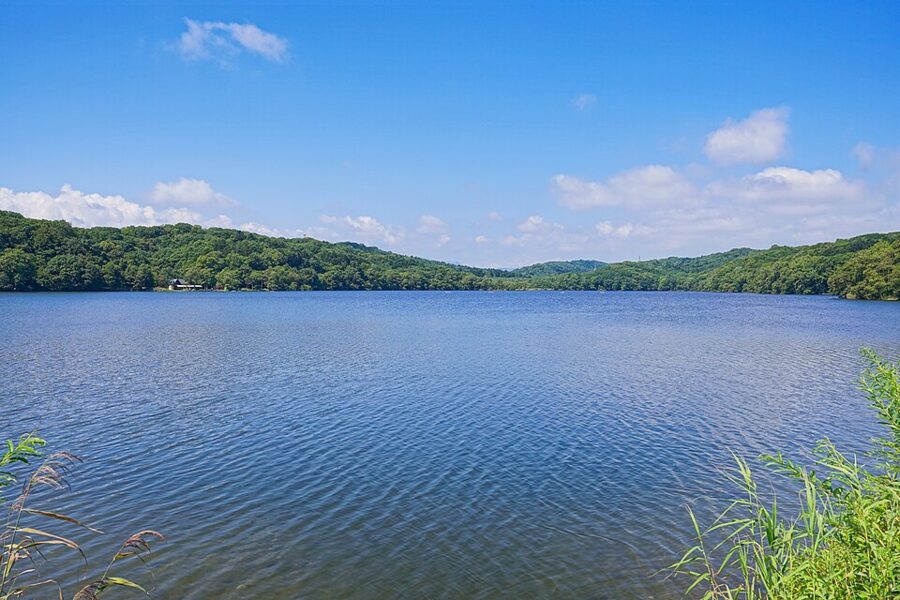
Upopoy (ウポポイ), “singing together”, sits on Lake Poroto in Shiraoi (白老), about an hour from Sapporo and forty minutes from New Chitose Airport. JR limited expresses on the Muroran line stop at Shiraoi, and Upopoy is a ten-minute walk, about 500 metres, from the station’s north exit. It combines the National Ainu Museum with a park of reconstructed houses, workshops and performance halls; allow at least half a day.
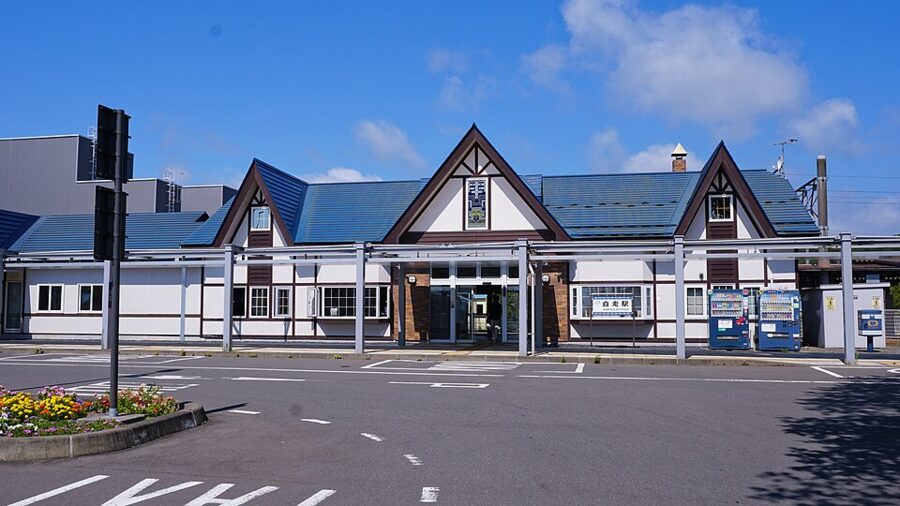


Admission is ¥1,200 for adults (¥1,000 bought online in advance, ¥600 after 14:00), ¥600 for high school students and free for younger children. It opens 09:00–18:00 between April and October and 09:00–17:00 in the other months, with last entry an hour before closing. It is closed on Mondays (the next weekday if Monday is a holiday), from 28 December to 4 January and from 27 February to 8 March 2027, and free every year on 3 November.
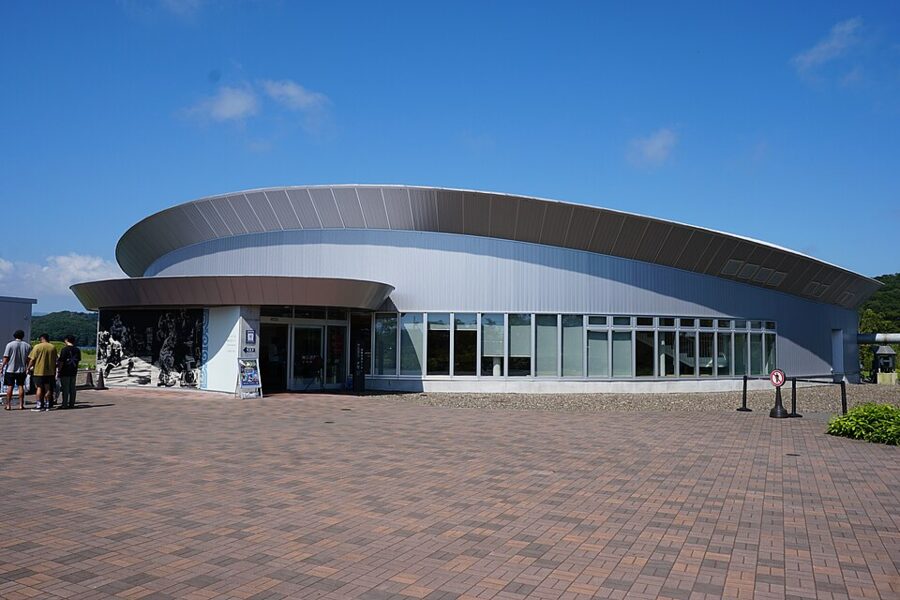

Start in the museum, whose permanent galleries run through six themes titled in the first person plural: language, universe, lives, history, work and exchange. Then follow the timetable. Short films run in the museum theatre through the day, the kotan has talks inside the chise, and in the Craft Studio you can watch carvers and embroiderers at work. A few programmes, such as the beginners’ mukkuri session and the archery, carry a small extra charge.
Nibutani, Biratori
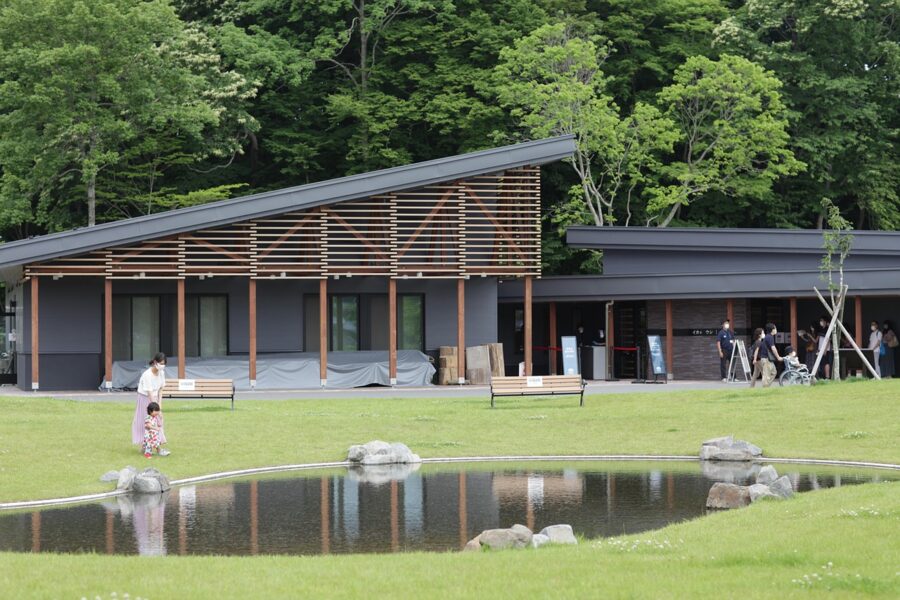
Nibutani (二風谷), in the Saru River valley in Biratori (平取), has the highest share of Ainu residents of anywhere in Hokkaido. The town-run Nibutani Ainu Culture Museum (二風谷アイヌ文化博物館) holds about 4,000 objects, including 919 pieces of the Saru valley collection designated an Important Tangible Folk Cultural Property, with reconstructed chise, a storehouse and a cub cage outside.

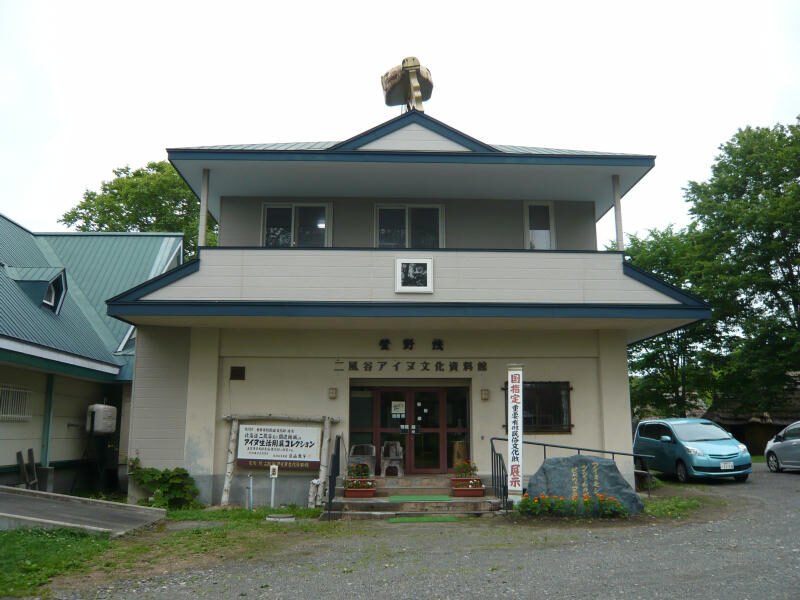
A short walk away, the Kayano Shigeru Nibutani Ainu Museum (萱野茂二風谷アイヌ資料館) shows Kayano’s own collection, begun around 1953 when it pained him to see his neighbours’ tools leaving the valley. The other 202 designated pieces are here, with about 600 objects from indigenous and minority peoples he met abroad, and his son Kayano Shiro runs it. It was built to show what an Ainu had collected himself, and it still feels like a family’s house of memory.
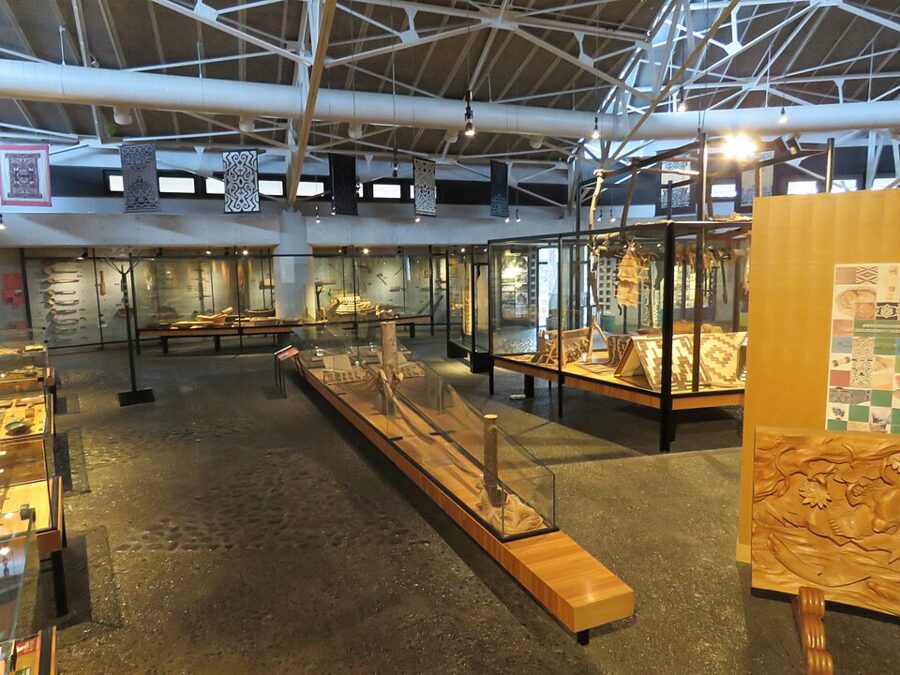

The Nibutani Ainu Culture Museum costs ¥400 and opens 09:00–16:30; between 16 November and 15 April it closes on Mondays, and it shuts from 30 December to 5 January. A joint ticket for both museums is ¥700. The Kayano museum closes for the winter from 16 November, though a visit can be arranged by contacting it in advance.

Trains go as far as Tomakomai, and from there a Donan Bus service runs up the valley through Tomikawa and Biratori to Nibutani; buses are few, so check the timetable first. By car it is about an hour from New Chitose Airport and about 1 hour 50 minutes from Sapporo.
Akan Ainu Kotan, Lake Akan
Akan Ainu Kotan (阿寒湖アイヌコタン) is a street of craft shops and homes at Akanko Onsen on Lake Akan, where about 120 people live. There was no permanent Ainu village here until tourism came; carvers arrived to sell to hot-spring guests, and in 1959 the Maeda Ippoen foundation, which owned the land, gave a corner of it for a settlement. Many shops are run by Ainu families and double as homes, and nobody charges you to walk in.
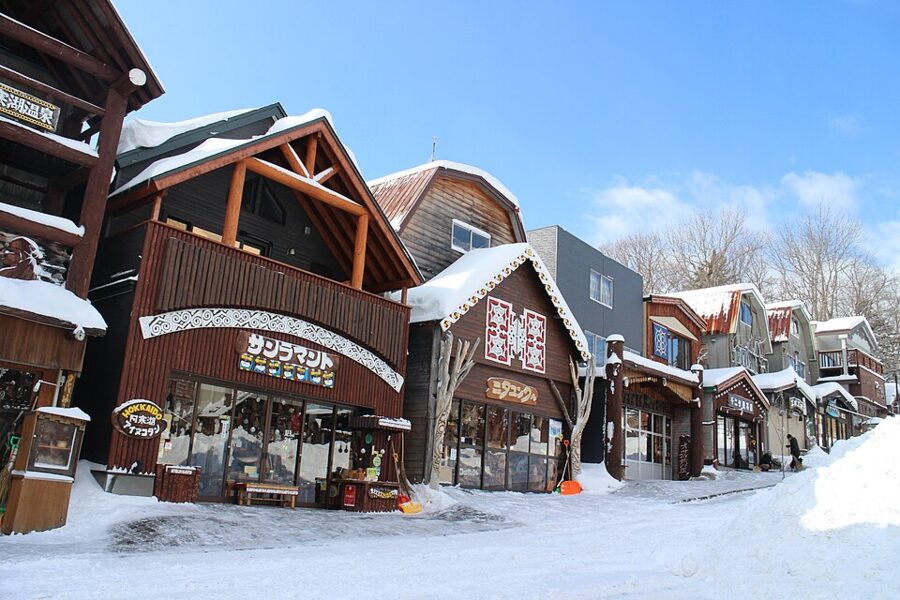

The Akan Lake Ainu Theatre Ikor stages traditional dance for ¥1,500 (elementary school children ¥700), thirty minutes, no booking needed. From November to April there is one show at 20:00, and from May to October also shows at 11:00 and 13:30. Lost Kamuy, which mixes the old dances with contemporary dance and projected digital art, plays at 21:00 daily for ¥2,200, and I would see the traditional programme first.
All shows are off from 20 to 23 January 2027 for the kotan’s own winter festival. Route buses take about 1 hour 45 minutes from JR Kushiro Station and about an hour from Kushiro Airport.
Sapporo: the Hokkaido Museum and Sapporo Pirka Kotan
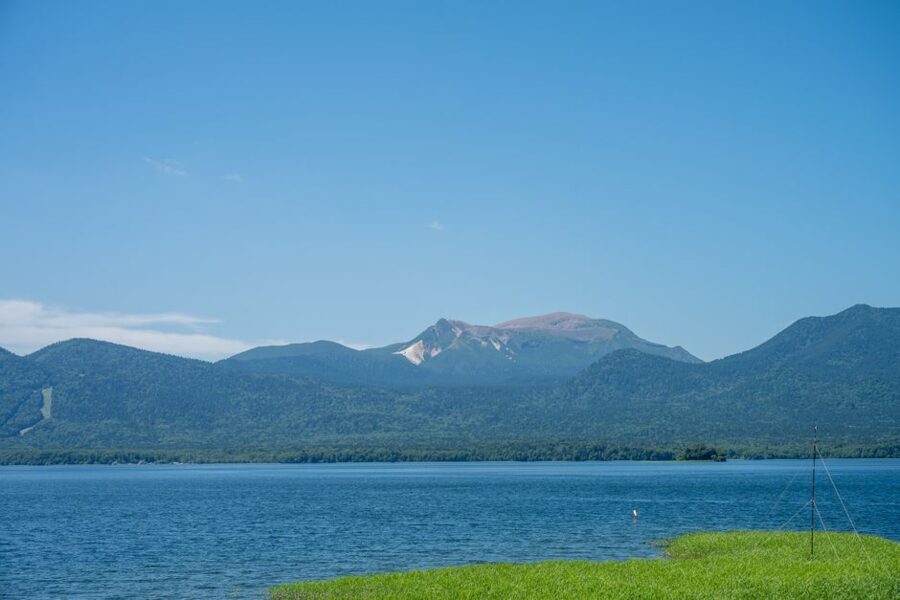
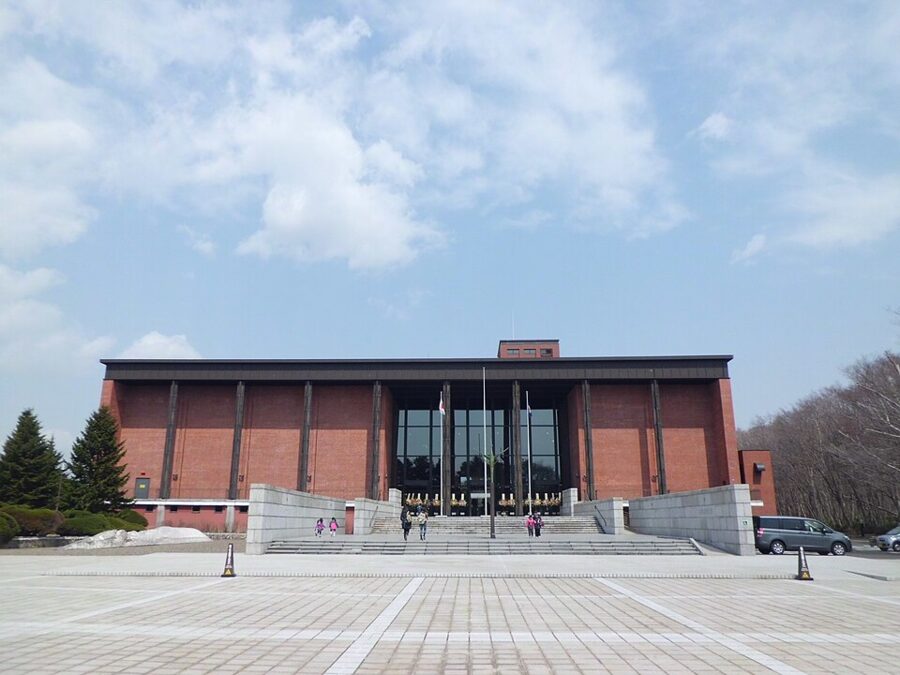
The Hokkaido Museum (北海道博物館) stands in the forest park at Nopporo on the eastern edge of Sapporo. Opened in 2015, it merged the old historical museum with the prefecture’s Ainu culture research centre, and its gallery “The World of Ainu Culture” is the best single overview in the city. Admission is ¥800; it opens 09:30–17:00 from May to September (16:30 in the other months) and closes on Mondays. JR Hokkaido Bus Shin 22 from the Shin-Sapporo Station bus terminal takes about fifteen minutes.

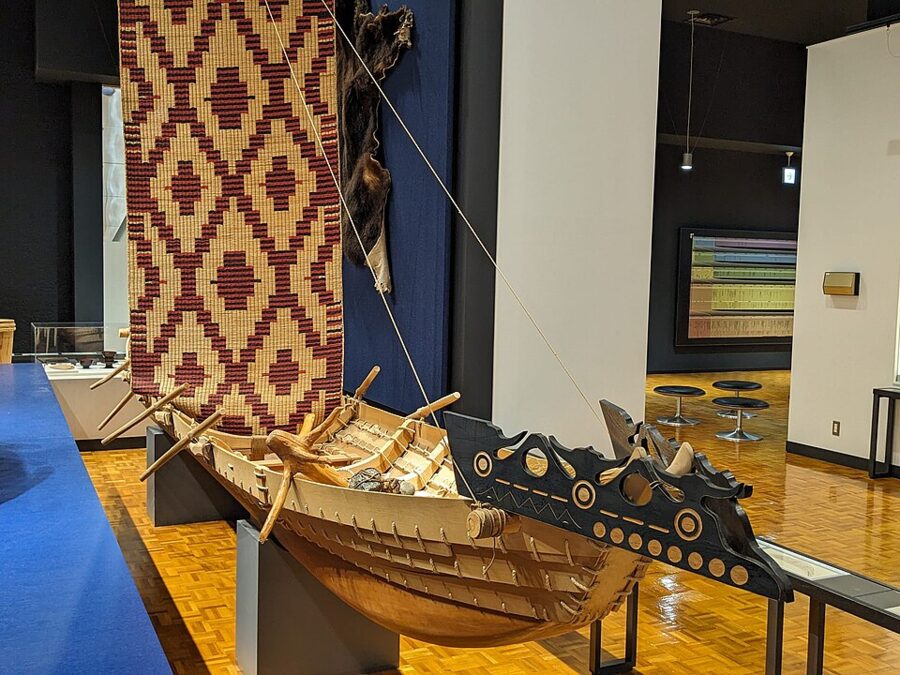
Sapporo Pirka Kotan (サッポロピㇼカコタン), “Sapporo’s beautiful village”, is the city’s Ainu culture centre at Koganeyu in Minami-ku, on the road to Jozankei Onsen. The building is free; the exhibition room, with about 300 objects made by the Sapporo Ainu Association that you are allowed to handle, costs ¥350. Outside are a chise, a storehouse, a replica sea-going boat and a cub cage. The exhibits open 09:00–17:00, and the centre closes on Mondays, public holidays and the last Tuesday of the month.
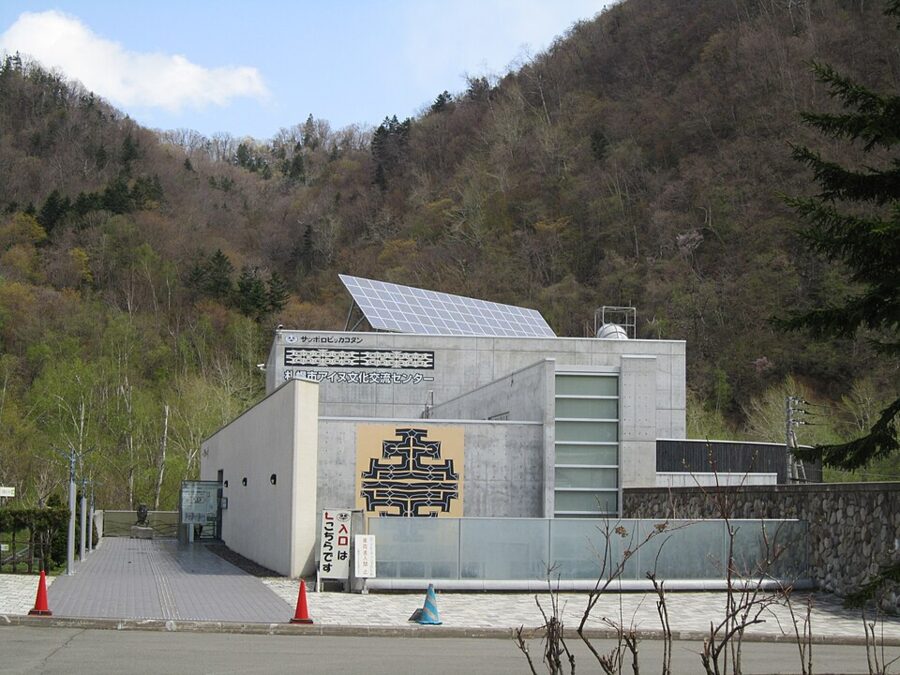

Jotetsu buses take about an hour from Sapporo Station, or about 30 minutes from Makomanai subway station, to the Koganeyu stop, five minutes’ walk away.
Asahikawa: the Kawamura Kaneto Ainu Memorial Hall
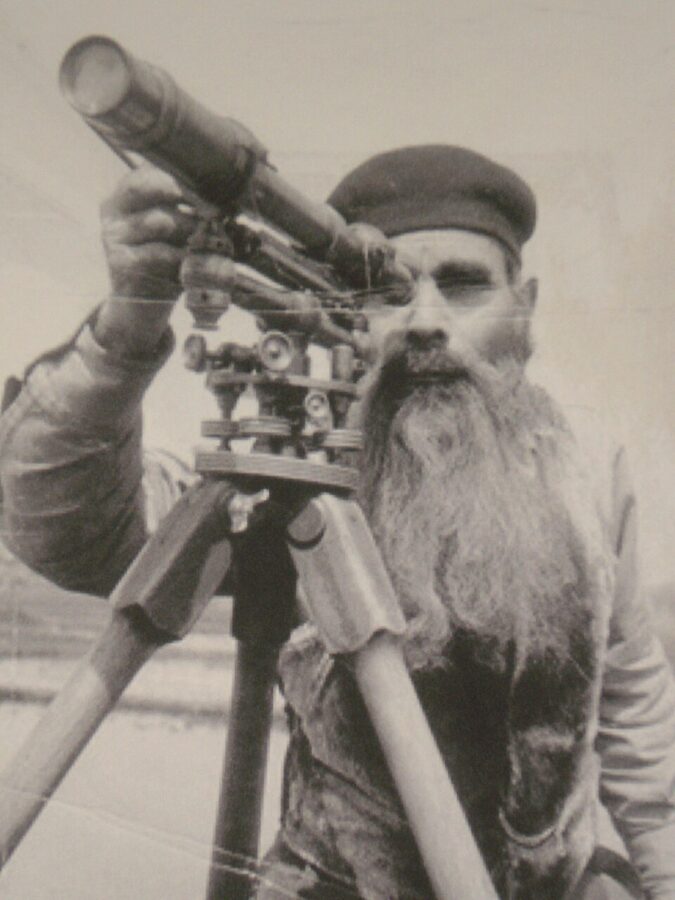
The Kawamura Kaneto Ainu Memorial Hall (川村カ子トアイヌ記念館) in Asahikawa (旭川) is the oldest Ainu museum in Japan. Kawamura Itakishiroma, chief of the Kamikawa Ainu, opened his home as a museum in 1916, in what was then the Chikabumi kotan, and his son Kaneto paid for its expansion from his wages as a railway surveyor. The family still runs it; a new two-storey building opened in July 2023, with traditional tools downstairs and contemporary Ainu work upstairs, including around 150 carved bears.
Admission is ¥800. The hall opens 09:00–17:00, daily from May to November and closed on Tuesdays from December to April; Asahikawa Denki Kido bus 24 stops outside, at Ainu Kinenkan-mae. The chise in the grounds is roofed in bamboo grass, rare in Hokkaido, and the director lights its hearth every day. In June the hall marks Chiri Yukie’s birthday, since she grew up in the same kotan.
Visiting with care, eating ohaw, and a word on Golden Kamuy
Upopoy asks visitors for uaynukor, respecting one another, and its staff include people with Ainu roots and people without. Do not ask anyone whether they are Ainu, or how much. Video is not allowed in the National Ainu Museum’s galleries and some objects may not be photographed; at Sapporo Pirka Kotan, whether you may film a performance depends on the performers, and live-streaming is banned.
The Ainu are not a vanished people, and “the last Ainu” belongs to old newspapers. Ceremonies such as the kamuynomi in Asahikawa or the boat ceremony at Nibutani are held for the kamuy and the community; if you are welcome, someone will show you where to stand. Money spent in Nibutani’s workshops or Akan’s shops goes to Ainu makers, which is more than can be said for the “Ainu-style” goods in airport kiosks.
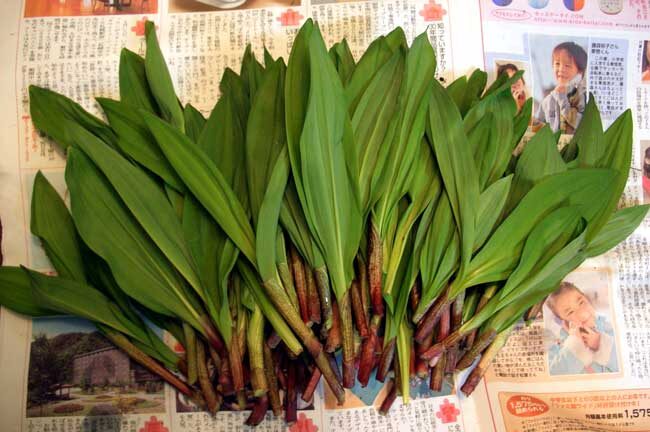
Ainu food was built on salmon, venison, wild plants and millet. Ohaw is a soup of fish, meat or vegetables seasoned with animal fat, salt, toasted kelp and dried pukusa, the wild garlic also hung at village entrances to keep epidemics out. Citatap, “the thing we chopped many times”, is minced raw fish or meat; sayo is a thin porridge, made in autumn with fresh salmon roe; and sito are dumplings.
You can eat ohaw at the restaurant inside Upopoy, and in the kotan at Akan, restaurants cook venison and mountain vegetables the Ainu way.
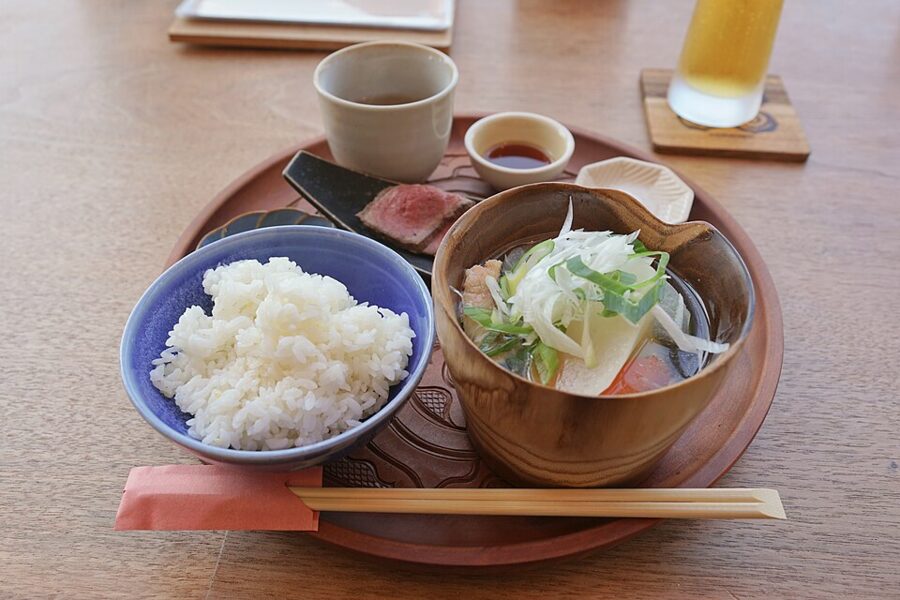

Many visitors now arrive by way of Golden Kamuy, Noda Satoru’s manga about a Russo-Japanese War veteran and an Ainu girl, Asirpa, hunting for hidden gold across Hokkaido and Sakhalin. It ran from 2014 to 2022, had sold more than 31 million copies by October 2026, and became an anime and, in 2024, a live-action film; the linguist Nakagawa Hiroshi advised on its Ainu language and culture. It has brought the museums a new audience and made citatap famous. It is still a story told mostly by others; the museums are where to hear it told the other way round.

The next Hokkaido survey will produce another number, lower or higher for reasons that have little to do with how many Ainu there are. A better count is in the Cultural Exchange Hall at Upopoy, when the first dancers of the day walk on and start to sing.