
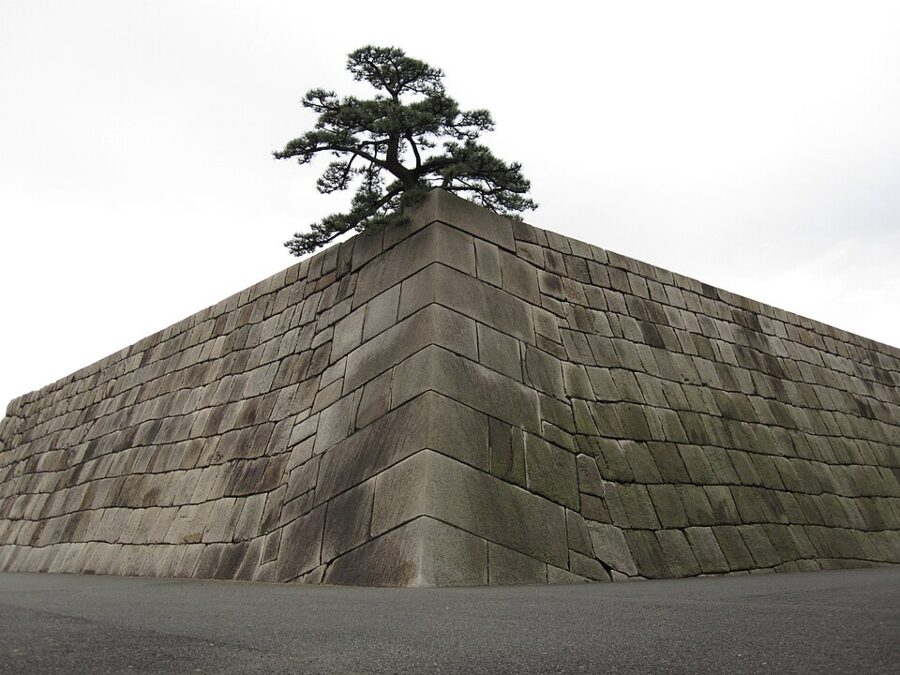

Walk up the ramp at the north end of the East Gardens of the Imperial Palace (皇居東御苑) and you come out on a platform of dressed granite, about eleven metres high, flat on top and empty. This is the base of the keep of Edo Castle (江戸城). The tower it was built to carry never went up.
In March 1657 a fire burned most of Edo and the castle keep with it. The stone base was rebuilt at once, but Hoshina Masayuki, the most senior figure in the shogun’s council, argued that a keep defended nothing and that the money belonged to the streets. The council agreed, and no keep has stood in the city since.
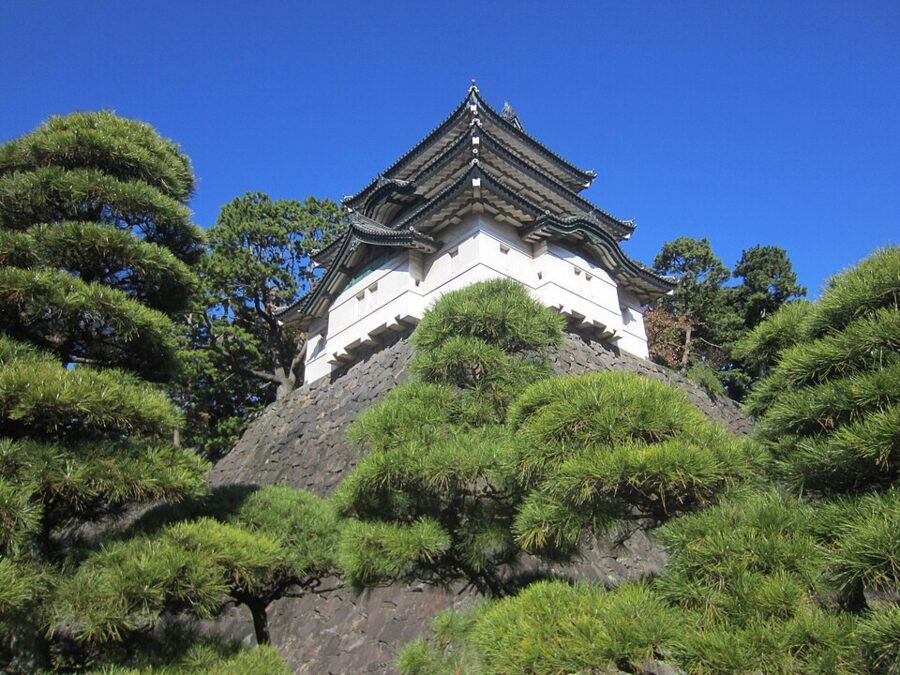

That decision, the city before the monument, is the clearest way I know into Tokyo (東京). The city burned in 1657, shook and burned in 1923 and was bombed flat in 1945, and each time it was rebuilt on the lines of what was there before; much of what you notice in a first week, the shape of the train lines or the few streets where wooden houses survive, is an answer to one of those years. About 14.29 million people lived in the metropolis in October 2026, by the metropolitan government’s monthly estimate.
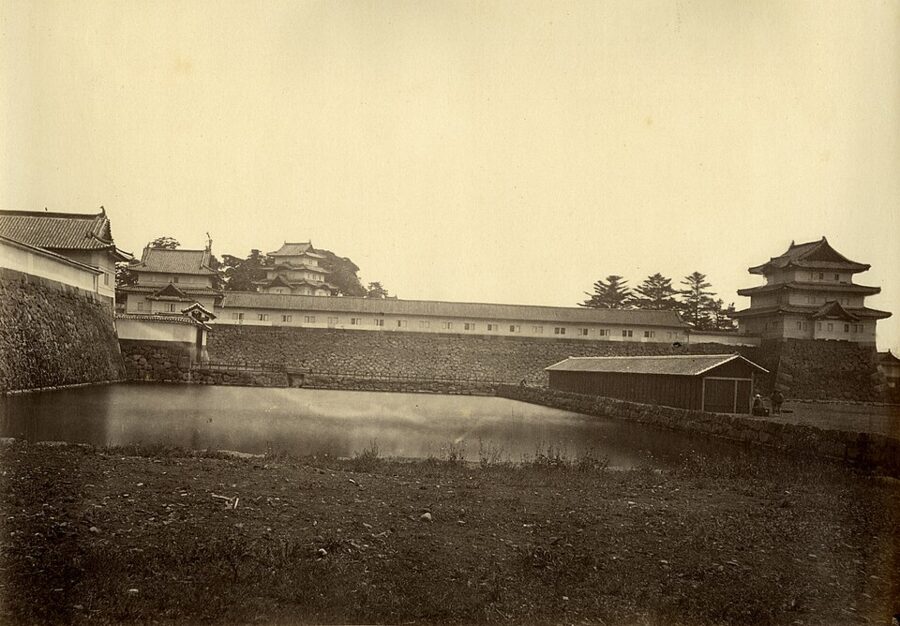
I’d begin a first visit there, at 09:00 on a Tuesday, Wednesday or Thursday, and leave Shibuya for the evening.
In this guide
Edo: a castle, an inlet and a plan
Ota Dokan’s castle on the bluff
The name came first. Edo (江戸) appears in the twelfth century as a small place-name at the mouth of the Hira River, and the usual reading of its two characters is “the entrance to the inlet”. Some scholars read the second character as “harbour” instead, and the sources leave it open.
The inlet was real. The Hibiya inlet ran north from the bay almost to the foot of the Kojimachi plateau, roughly where the palace plaza and Hibiya Park are now, with a sandy peninsula, the Edo-maejima, on its eastern side. In 1457 Ota Dokan, a retainer of the Ogigayatsu Uesugi, built a castle on the bluff above it, guarding the point where the roads and the rivers of the Kanto plain met the bay.
Dokan’s castle had three rings of moats and earthworks, with a small market town where the road crossed the Hira River. After his murder in 1486 it passed to the Hojo of Odawara and stayed a provincial stronghold for a century.
Ieyasu and the spiral
In the summer of 1590 Toyotomi Hideyoshi took Odawara, gave the Hojo lands to Tokugawa Ieyasu and, by most accounts, told him where to live. Ieyasu entered Edo on the first day of the eighth month. The traditional description, written later, has a run-down castle, about a hundred thatched houses and salt marsh to the east.
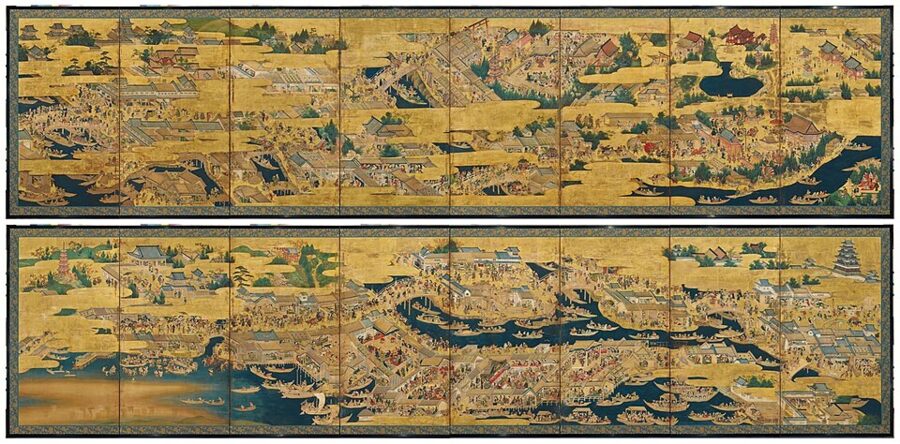
He became shogun in 1603, and the rebuilding turned into a national project. Under the system called tenka-bushin, works ordered on the whole realm, the lords of every domain were assigned a stretch of wall or moat and paid for it themselves, which also drained their treasuries. The Kanda hill was cut down and its earth used to fill the Hibiya inlet, and Nihonbashi was bridged for the first time the same year.
The moats were laid out as a spiral, turning clockwise from the castle outwards, with gates where the roads crossed them. You can still trace the outer ring on a subway map. Yotsuya, Ichigaya, Iidabashi and Akasaka-mitsuke are old gate positions (a mitsuke is a guarded gate on the moat), and the station at Toranomon is named for the Tiger Gate on the southern edge of the castle.
Daimyo mansions and alternate attendance
In 1635 the third shogun, Iemitsu, turned a habit into law. Under sankin-kotai, alternate attendance, every lord spent alternate years in Edo, and his wife and heir lived there permanently. Each domain kept one or more mansions in the city, with stables, barracks and gardens, and moved hundreds of retainers up and down the highways every year.
The effect on the city was enormous. One estimate has a quarter of Edo’s eighteenth-century population, about 250,000 people, in the city because of alternate attendance, and samurai of one kind or another made up about half of the whole. Men far outnumbered women, which goes some way to explaining the size of the pleasure quarters and the number of noodle stalls.
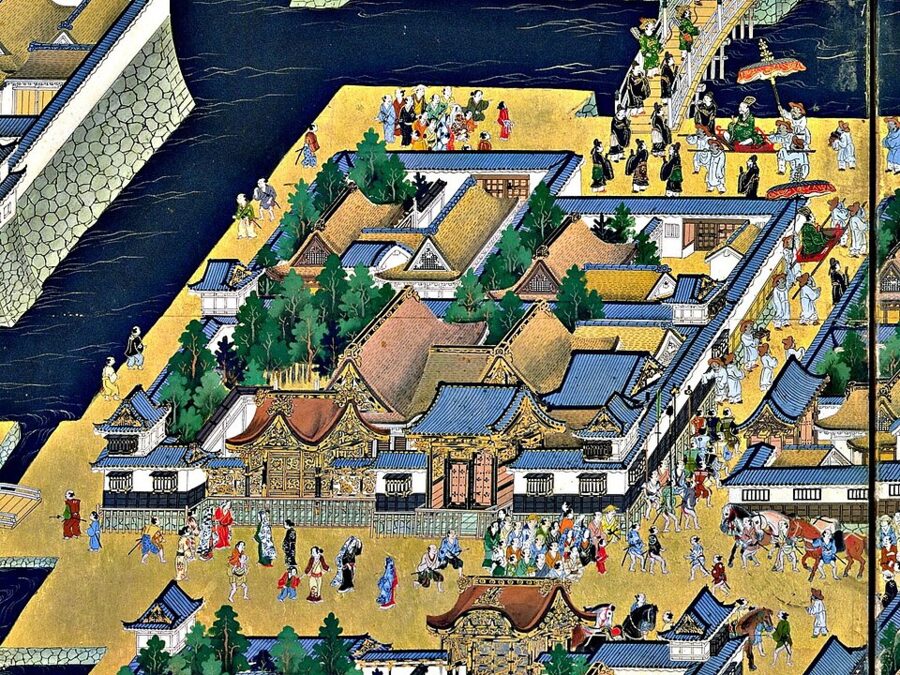
When the system ended, the mansion grounds were the largest blocks of land in the city, and most of modern Tokyo’s big institutions sit on one. The University of Tokyo’s Akamon is the gate of the Kaga mansion, and several of the gardens described below began as a lord’s private retreat.
Shitamachi and yamanote
Edo sat on two kinds of ground, and the city still divides along them. To the west and north rises the Musashino plateau, cut by small valleys; to the east lie the river flats and the land reclaimed from the bay. The higher ground became the yamanote (山の手), the hill side, where the shogun’s retainers and the lords’ mansions were placed, and the low ground became shitamachi (下町), the low town of merchants and craftsmen.
The “te” in yamanote means direction, as in the stage terms kamite and shimote, so the word means “towards the hills”. The JR Yamanote Line borrows it, although after 1923 the yamanote kept moving west until it reached Setagaya and Suginami.
The two halves spoke differently. The educated speech of the yamanote became the model for standard Japanese in the Meiji period, while shitamachi kept the quick, clipped speech of Edo’s tradesmen. The gap has narrowed since the war, but both still have a place in any account of Japanese dialects. Shitamachi was also where Edo’s workshops were, and several of Japan’s traditional crafts still carry the city’s old name, Edo kiriko cut glass among them.
The fire of 1657
The Great Fire of Meireki burned for three days from 2 March 1657 by the modern calendar. It took almost everything inside the outer moat, the keep, many of the lords’ mansions and most of the town. Death tolls in the records run from about 30,000 to 100,000, and no one has been able to settle the figure.
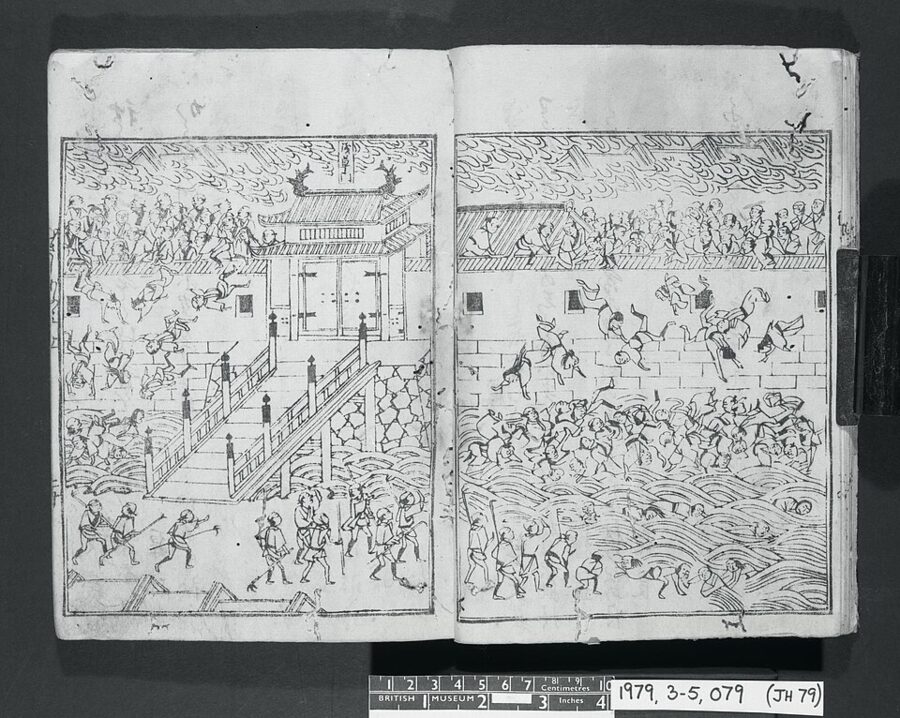
The shogunate used the fire to redraw the city. Lords’ mansions and temples were moved out of the castle area, the Sumida was bridged at Ryogoku so that people could escape eastwards, and the new districts of Honjo and Fukagawa grew across the river. The unclaimed dead were taken by boat to the east bank and buried at a temple founded for them, Eko-in, which still stands near Ryogoku Station.
Firebreaks were the other legacy: open spaces called hiyokechi and widened streets called hirokoji. Ueno Hirokoji, the name of a crossing and a subway station, is one of them. Fires kept coming anyway; Edo people called fires and fights “the flowers of Edo”, and the joke was grim.
A city of a million
By the early eighteenth century Edo held something like a million people, and it may have been the largest city in the world. London did not pass a million until about 1800, but estimates for Beijing in the same period are comparable, so the claim depends on whose figures you trust. The city ate rice shipped from every domain, drank sake brought by sea from the breweries around Osaka, and was fed fish from the bay in front of it, which is where the phrase Edo-mae, “in front of Edo”, comes from.
Tokyo: the eastern capital, broken and rebuilt
1868: Edo becomes Tokyo
Edo Castle was handed over to the new imperial government without a fight on 3 May 1868, after negotiations between Saigo Takamori and Katsu Kaishu. The last loyalists, the Shogitai, held out on Ueno hill and were shelled out of it that summer. On 3 September an imperial rescript renamed the city Tokyo, “eastern capital”.
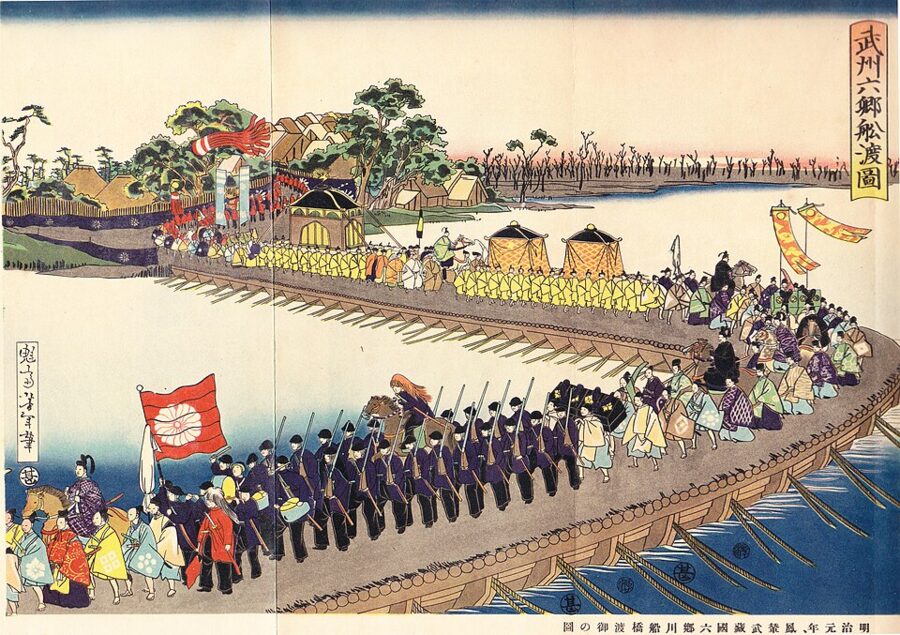
The young emperor travelled from Kyoto that autumn and moved into the castle, and on his second journey in 1869 the government came too. No document ever announced in so many words that the capital had moved, a point some people in Kyoto still raise with relish. The castle’s inner palace burned in 1873, and a new Meiji Palace was finished on the western enclosure in 1888.
Bricks, rails and Marunouchi
In February 1872 a fire spread from near the palace’s Wadakura gate and burned about 95 hectares of Ginza and Tsukiji. The government rebuilt Ginza as a fireproof street of two-storey brick houses with colonnades, designed by the Irish engineer Thomas Waters, and finished the scheme in 1877. Tokyo people were wary of them at first; a rumour went round that living behind brick would make you swell up and die, and many houses stood empty until newspapers and importers moved in.
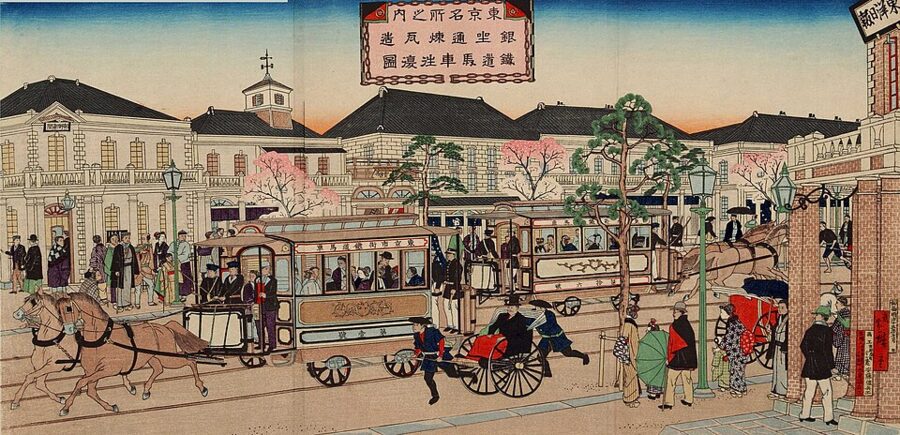
The railway to Yokohama opened from Shimbashi, at the south end of the new Ginza, in 1872, the year of the fire. Across the palace moat, the old mansion land of Marunouchi had become army barracks, and in 1890 the government sold it to Iwasaki Yanosuke of Mitsubishi for 1.5 million yen. Tokyo called the empty field Mitsubishi-ga-hara, “Mitsubishi’s moor”, until the red-brick offices that followed Josiah Conder’s Mitsubishi Ichigokan of 1894 earned the block the nickname Itcho London, “one block of London”.
Tokyo Station opened in 1914 on the eastern edge of Marunouchi, a red-brick building by Tatsuno Kingo on the site of three former mansions. Three years earlier the stone bridge that still stands at Nihonbashi had replaced the last wooden one.
1923
The Great Kanto earthquake struck just before noon on 1 September 1923, when charcoal stoves were lit for lunch and a strong wind was blowing. The fires lasted three days. Nihonbashi, Kyobashi, Asakusa, Honjo, Fukagawa and Kanda burned almost entirely, the brick streets of Ginza with them; the city’s worst single loss, at the army clothing depot in Honjo, is part of the wider story of the earthquake across Kanto.
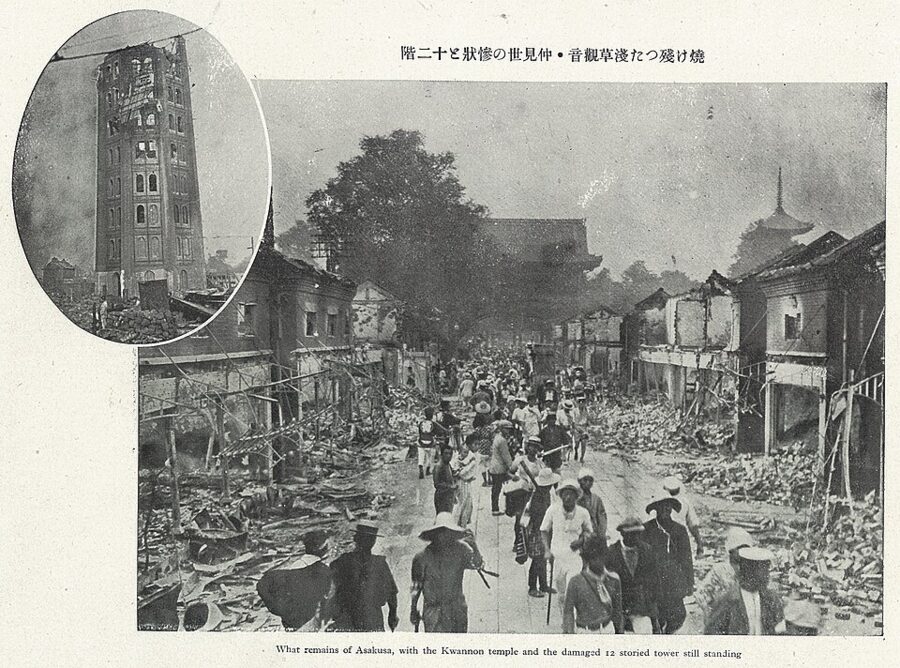
The rebuilding was run by Goto Shinpei and his Imperial Capital Reconstruction office, and its plan is still the skeleton of central Tokyo. Showa-dori, Yasukuni-dori and the street along the inner moat were laid out then; the whole burned area was re-parcelled with roads at least four metres wide, water mains and gas. The project built three large parks, Sumida, Hamacho and Kinshi, more than fifty small ones beside new concrete primary schools, and a new set of steel bridges over the Sumida, each of a different design.
People also moved. Families burned out of shitamachi settled in the villages west of the Yamanote Line, and the stations where the private railways met it, Shinjuku, Shibuya and Ikebukuro, began to grow into the centres they are now.
10 March 1945
Tokyo was raided more than a hundred times between November 1944 and August 1945. The worst came just after midnight on 10 March 1945, when 279 of the 325 B-29s that took off reached the city and dropped incendiaries on Fukagawa, Honjo, Asakusa and Nihonbashi, the same districts that had burned in 1923. More than a million people lost their homes that night; the dead are given as about 95,000 or, in one official count, 83,793, and the true number is not known.
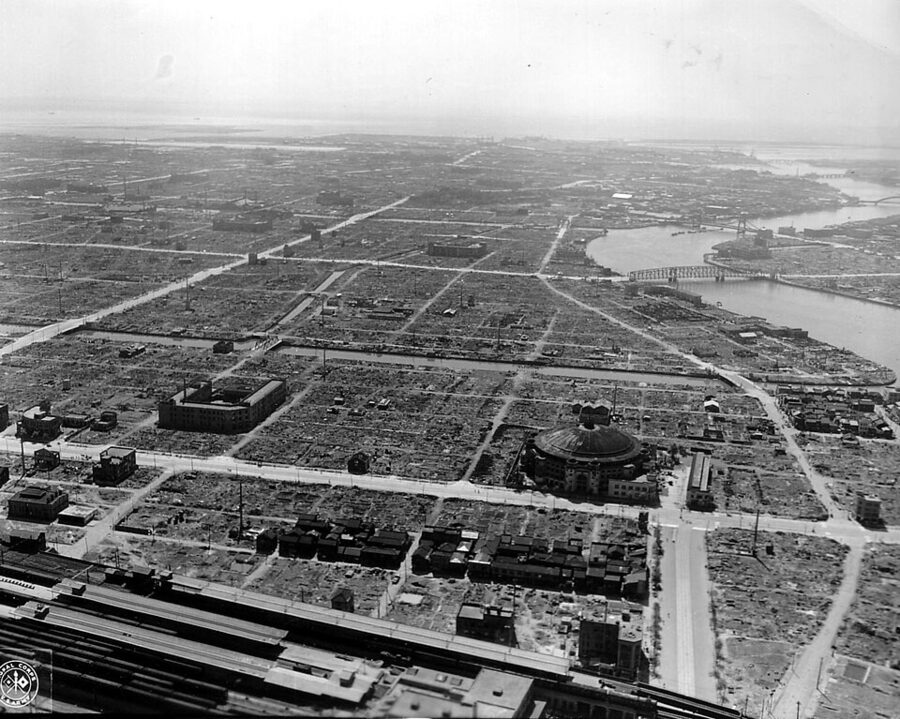
The raids of April and May burned the yamanote too. Senso-ji’s main hall was lost on 10 March, the main hall of Meiji Jingu in April, and the roof of Tokyo Station on 25 May. The Center of the Tokyo Raids and War Damage, a small private museum in Kitasuna, Koto, collects the accounts of the March night.
1964, the expressway and the shift west
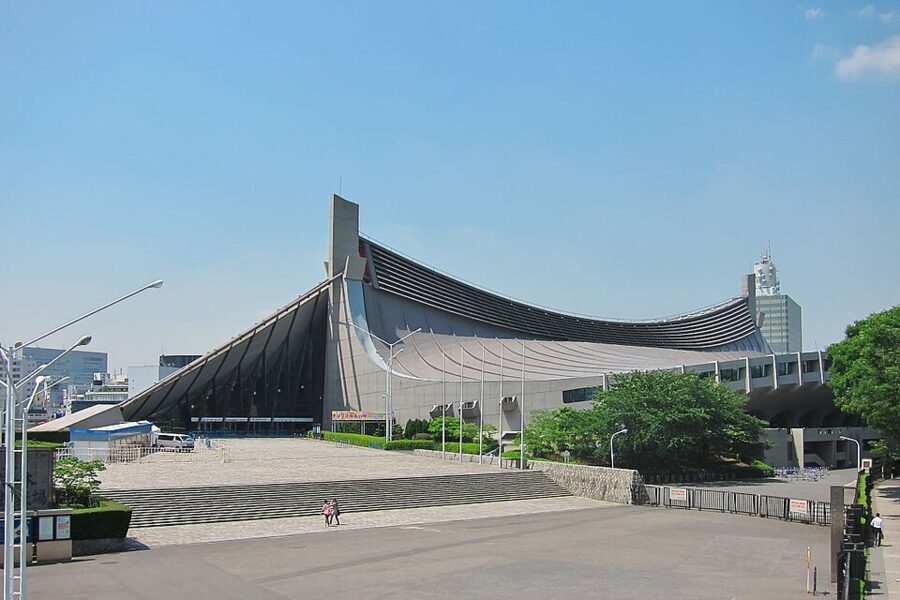
The postwar rebuilding was quicker and rougher than Goto’s, and the 1964 Olympics set its deadline. The Tokaido Shinkansen opened on 1 October 1964, nine days before the games. The first Shuto Expressway routes went up over the old canals and rivers because the land beneath them was public and nobody had to be moved, which is how the stone bridge at Nihonbashi came to have a motorway over it in 1963.

Shinjuku’s west side was a water purification plant until 1965. Its site became Tokyo’s first skyscraper district, starting with the Keio Plaza Hotel in 1971, and in April 1991, at the top of the bubble economy, the metropolitan government moved there from Marunouchi into Tange’s twin-towered building, 243 metres tall. Critics called it the Tax Tower.
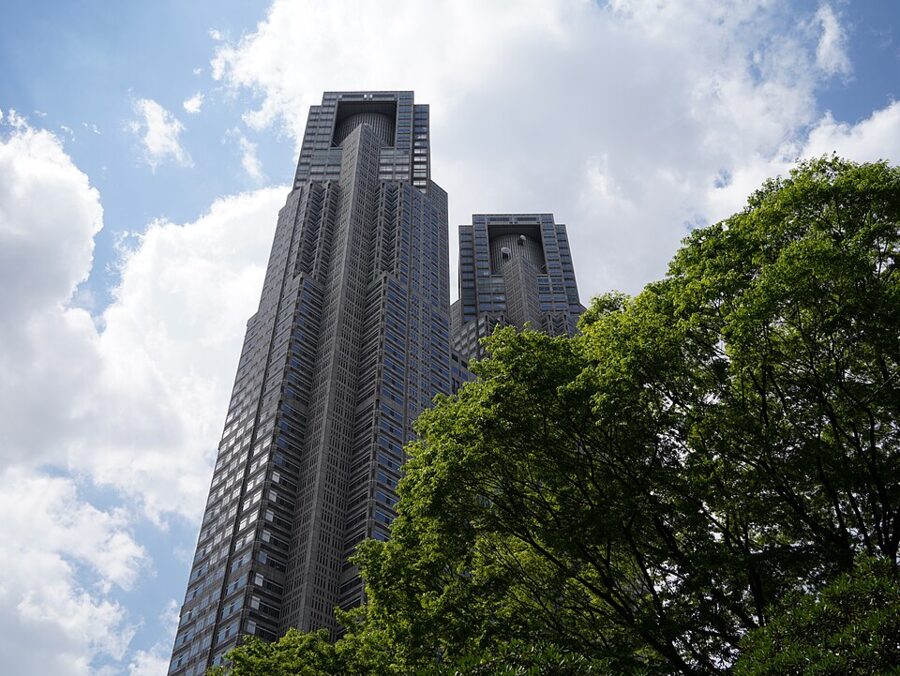

The circle is closing at Nihonbashi. Work to put the expressway underground there began in earnest in April 2025; traffic is due to switch to the tunnel in the 2035 financial year and the viaduct over the river to come down by 2040.
Reading the districts
Marunouchi and the Imperial Palace
The East Gardens of the Imperial Palace are the old Honmaru, Ninomaru and Sannomaru of Edo Castle, open to the public since 1968. Entry is free through the Ote-mon, Hirakawa-mon or Kitahanebashi-mon gates, with a bag check. The gardens close on Mondays and Fridays; from November to the end of February they open 09:00–16:00, with summer hours to 18:00.
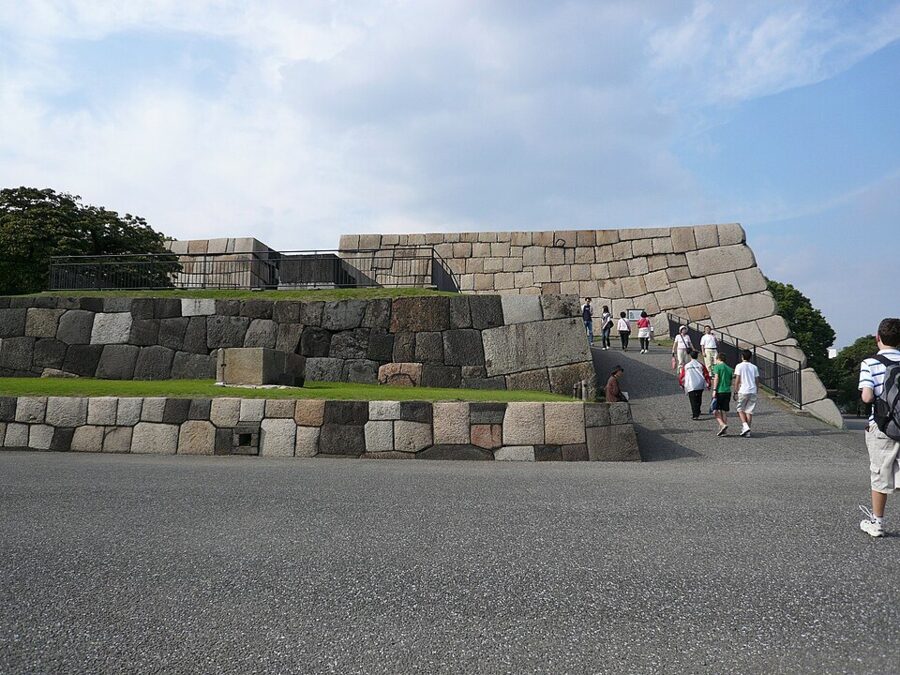

Walk in by Ote-mon, past the guardhouses, up the Shiomizaka slope to the lawn of the Honmaru, and finish on the keep base. You see the stonework of the lords’ tenka-bushin at close range, and on some blocks you can still pick out the marks that each domain’s gangs cut to claim their work.
The inner palace is closed except on the Imperial Palace grounds tour, a walk of about 2.2 km that takes an hour, morning and afternoon, Tuesday to Saturday, except on national holidays and days of court events. Book online from the first day of the month before, or take a numbered ticket at the Kikyo-mon gate on the day.
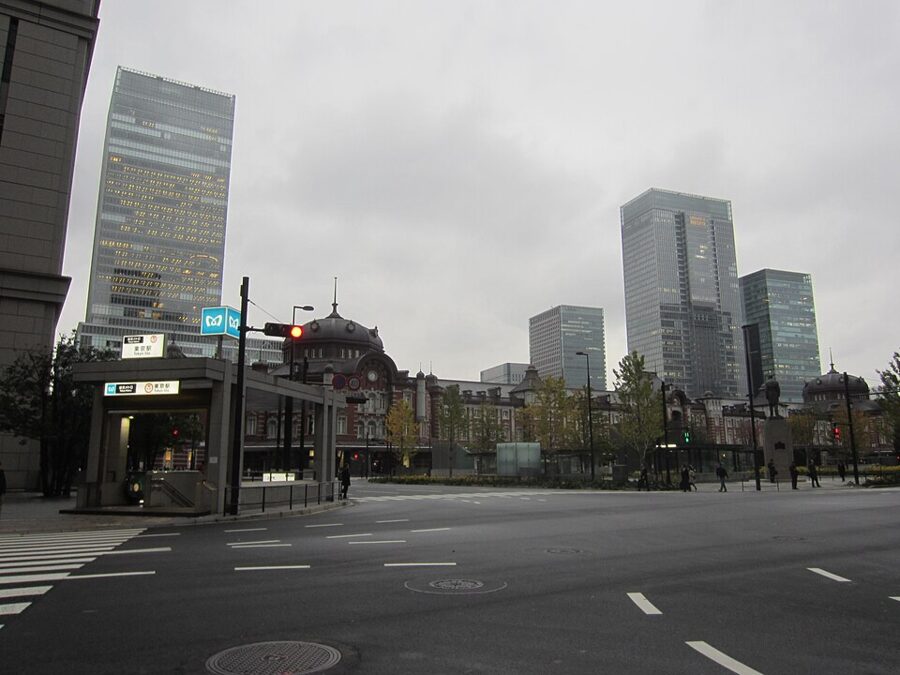

The station faces the palace along Gyoko-dori, the processional avenue laid out for the emperor. The Tokyo Station Hotel, inside the station building since 1915, reopened with the restoration in 2012, and some of its windows look down into the domed halls.
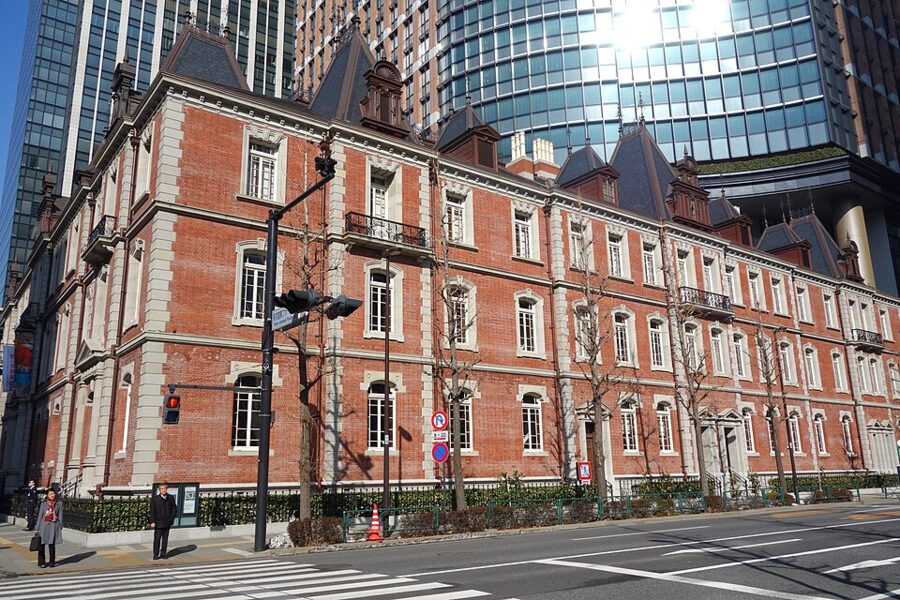
The Mitsubishi Ichigokan Museum runs changing exhibitions, mostly European art of the nineteenth century, in the rebuilt office, and its cafe occupies the old banking hall.
Nihonbashi and Ginza
Nihonbashi (日本橋) was the commercial heart of Edo and the point from which the five great roads were measured. The present twin-arch bridge, granite with bronze lamps, was completed in 1911 and is an Important Cultural Property. In the middle of the roadway a plate marks the origin of Japan’s national roads, and a replica of it sits on the north-west corner where you can see it without stepping into traffic.
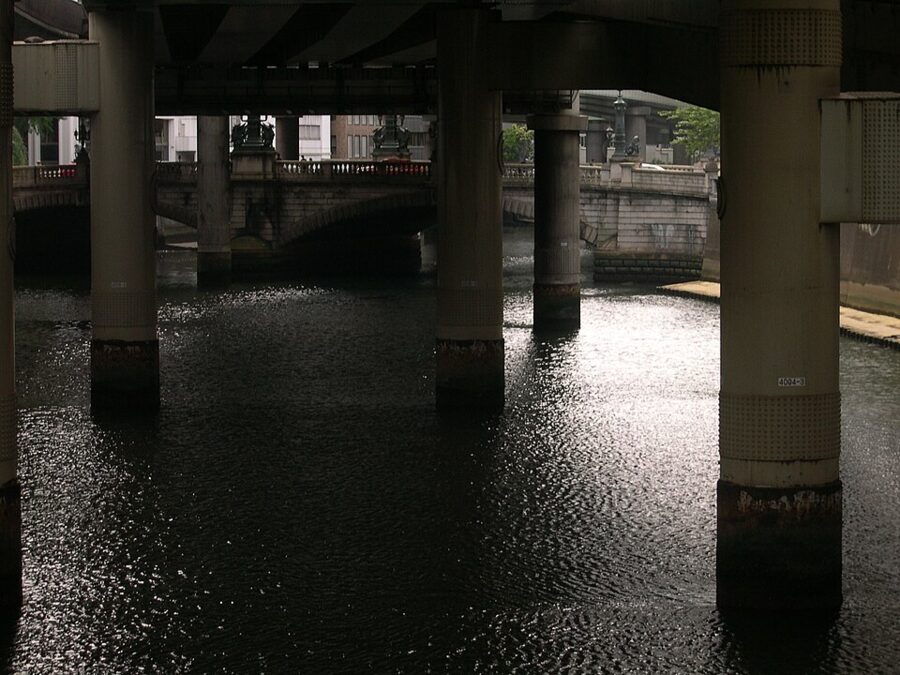

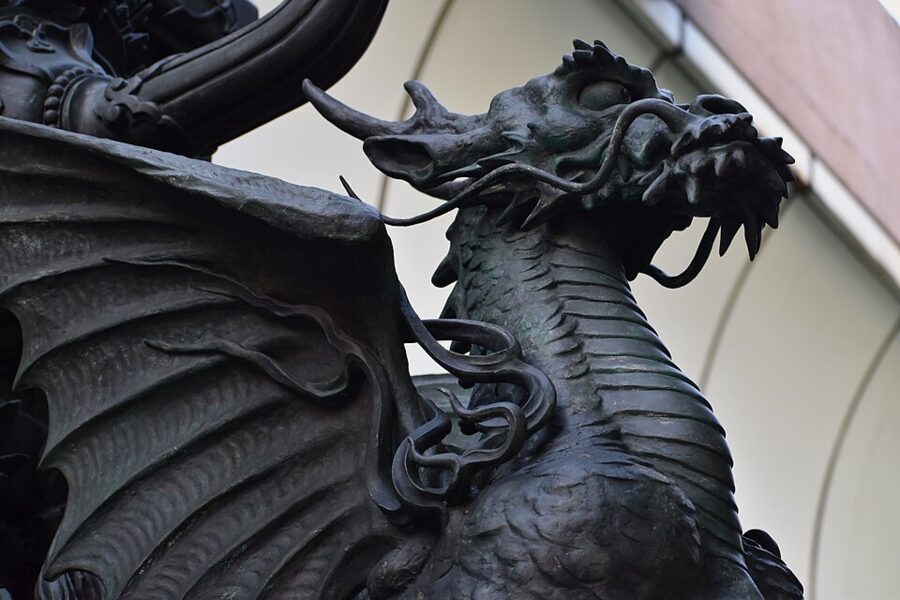

The fish market stood on the north bank by the bridge from the early Edo period until the 1923 earthquake, and the moneylenders, drapers and wholesalers clustered around it. The Bank of Japan stands on the site of the shogunate’s gold mint, and the street names, Kodenmacho for the post-horse station, Bakurocho for the horse dealers, still describe Edo trades.
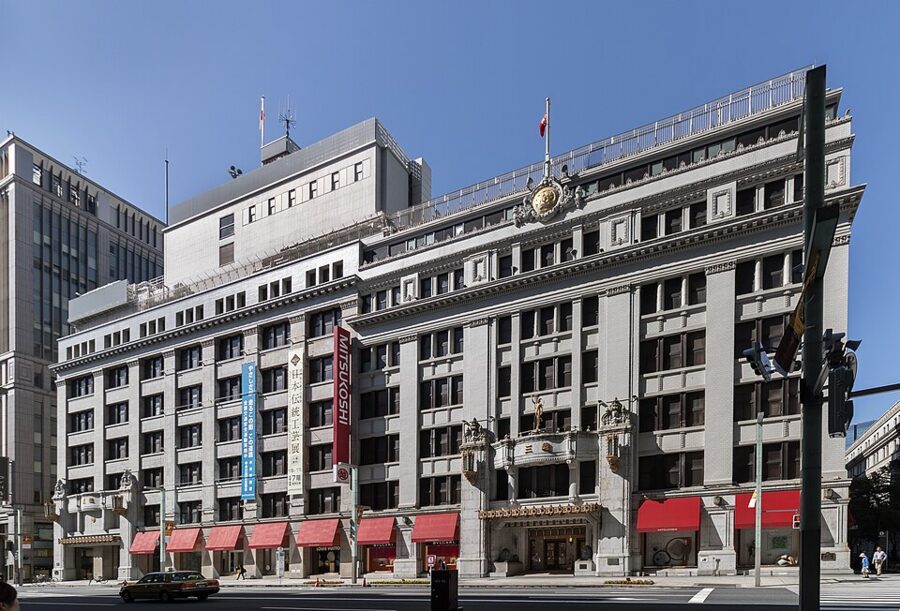
The Mitsukoshi Nihonbashi main store has traded on its corner since the Edo period, and its main building of 1914 is an Important Cultural Property. Its basement food hall, open 10:00–19:30, is the place to see a depachika, a department-store food basement, at its grandest.

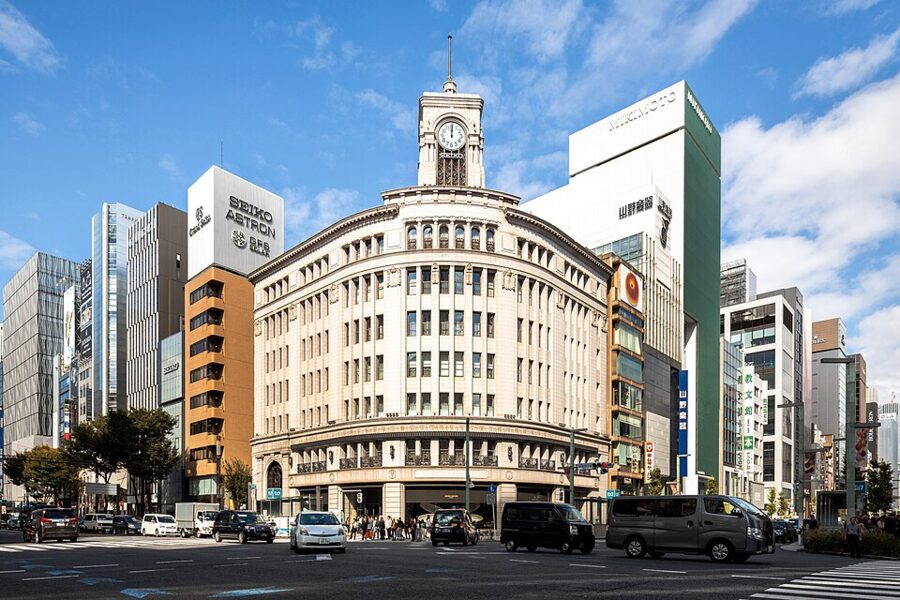
Ginza (銀座) takes its name from the shogunate’s silver mint, which moved here in 1612. After the brick town was finished in 1877 it became the street where new things arrived first, gas lamps and department stores among them, and the evening stroll there had its own name, Ginbura.

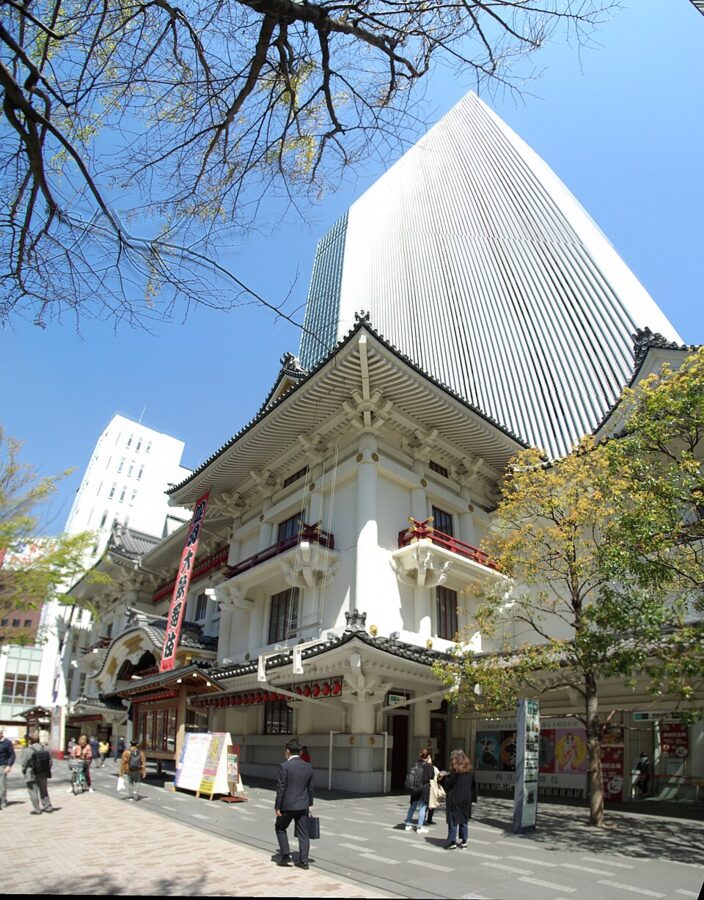
Kabuki-za, the main theatre for kabuki, faces Harumi-dori on the Higashi-Ginza side. If a full programme is more than you want, the theatre sells single-act seats on the top floor on the day.
Asakusa, Ueno and Yanaka
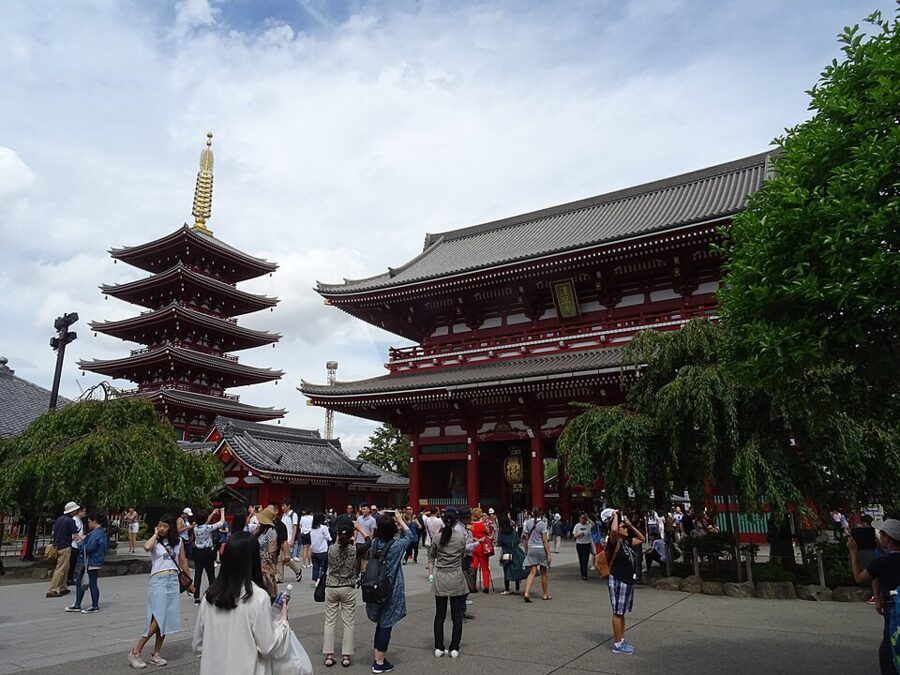
Asakusa (浅草) is the oldest part of the city. Senso-ji (浅草寺) dates its founding to 628, when two fishermen netted a small statue of Kannon in the Sumida; in 645 a monk built a hall for it and hid the image, and it has not been shown since. The temple puts its own count at 30 million visitors a year.
Almost everything you see there is a rebuilding. The main hall, built by the third shogun Iemitsu, burned on 10 March 1945 and was rebuilt in concrete in 1958; the five-storey pagoda followed in 1973; the Hozomon gate in 1964; and the Kaminarimon, burned in 1865, waited 95 years for its present form. The site and the street plan are what is old.

Ueno hill was Kan’ei-ji (寛永寺), founded in 1625 by the monk Tenkai on the shogun’s behalf to guard the castle’s north-east, the unlucky direction. It took the mountain name Toeizan, “the Hiei of the east”, after the temple that guards Kyoto’s north-east, and six of the fifteen Tokugawa shoguns are buried there. Most of it burned in the battle of 1868, and in 1873 the hilltop was made one of Japan’s first public parks.
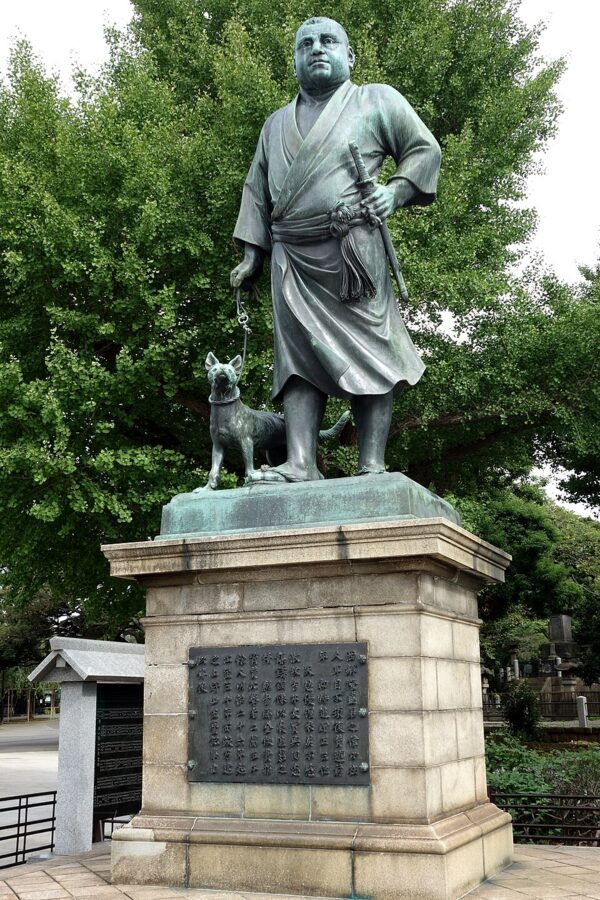
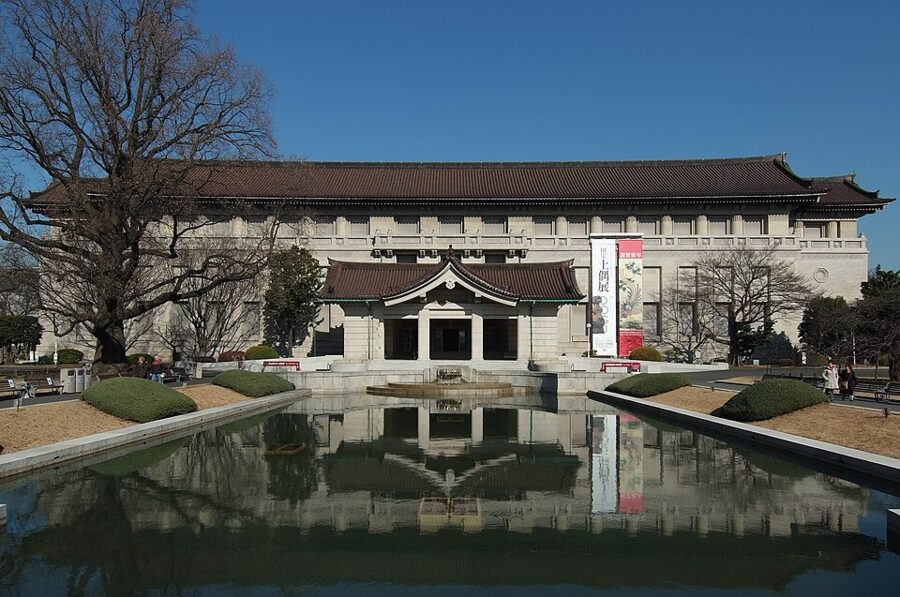
The Tokyo National Museum now stands where Kan’ei-ji’s main temple quarters were, and the pagoda, the Toshogu shrine and the Kiyomizu Kannon-do survive among the park’s museums.
Yanaka (谷中), a twenty-minute walk north-west of the museum, is what much of shitamachi looked like before the fires. It was spared serious damage in 1923 and in 1945, and its temples, moved out from the centre after the fires of the seventeenth century, still line the lanes with wooden houses between them.
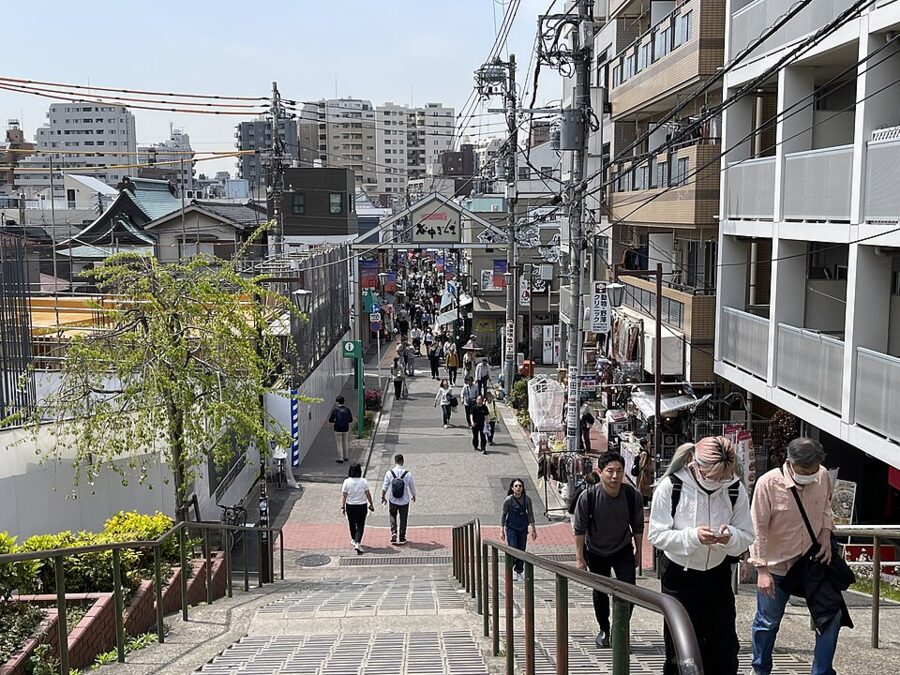

Yanaka Ginza is a short shopping street of small shops, delicatessens and rice-cracker makers between Nippori Station and the Yomise-dori. The area around it, Yanaka, Nezu and Sendagi, is often called Yanesen, and it rewards a slow morning.
Shinjuku, Shibuya and Harajuku
Shinjuku (新宿) means “new post town”. Naito-Shinjuku was a station on the Koshu road, founded at the end of the seventeenth century on land of the Naito family, where the Shinjuku Gyoen garden is now. When the railway arrived in 1885 the townspeople kept it away, so the station went up at the edge of the fields in Tsunohazu village, and the city grew towards it after 1923.
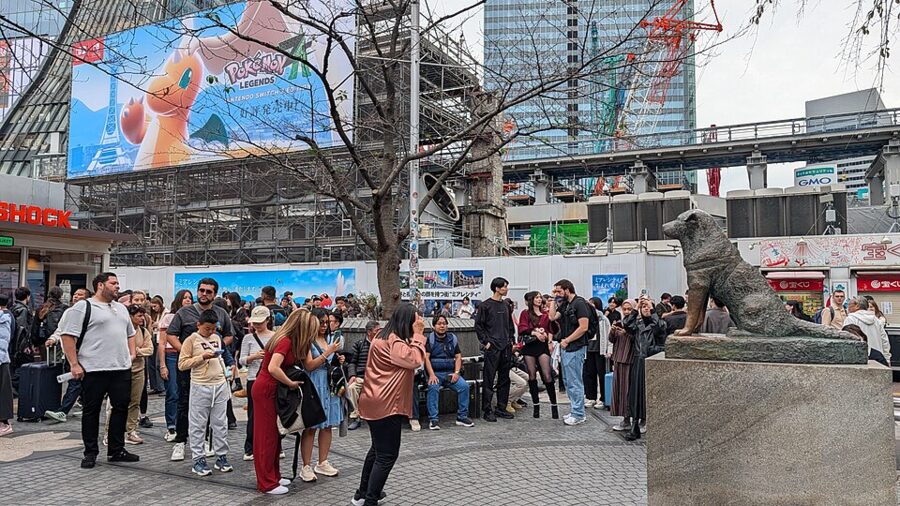
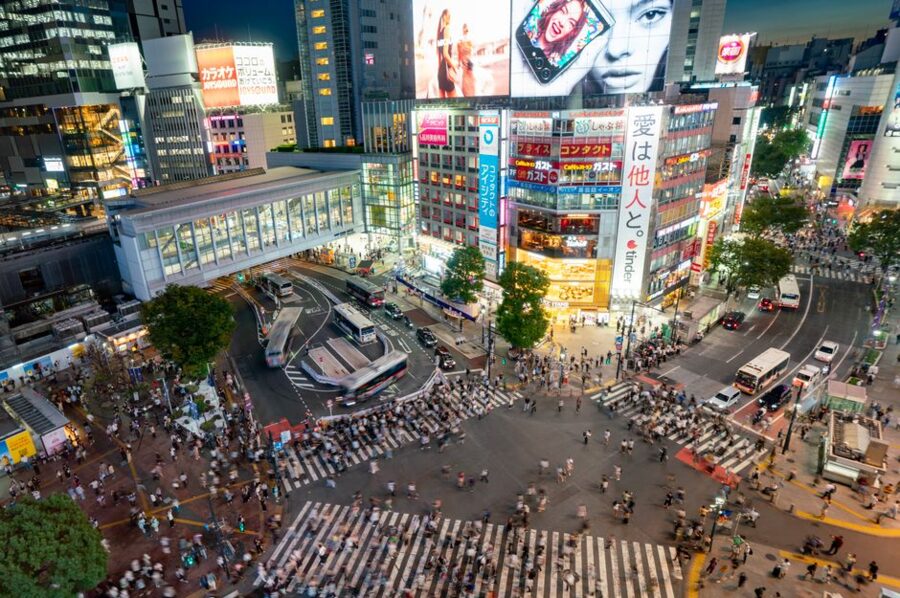
Shibuya (渋谷) was also a quiet suburban station when it opened in 1885. The private railways made it a terminal, and the earthquake of 1923 sent people west to the new suburbs along its lines. The statue of the dog Hachiko, who waited at the station for his dead master for years until his own death in 1935, is the meeting point at the Hachiko exit.

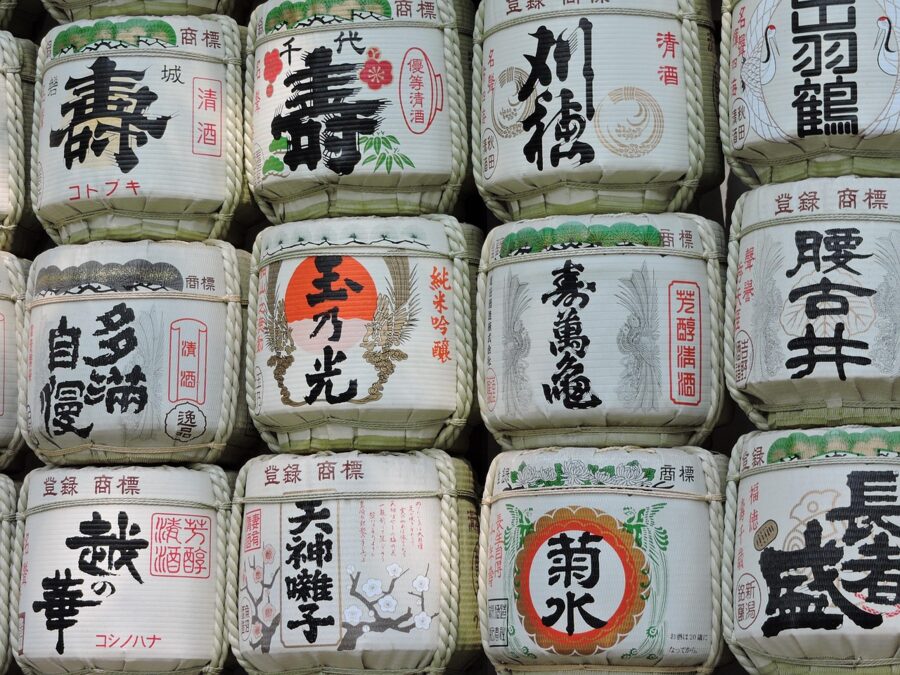
Harajuku is the station for Meiji Jingu (明治神宮), the shrine to the Emperor Meiji and Empress Shoken founded on 1 November 1920. The land was open field, and the forest, now about 70 hectares, was planted from scratch: young people’s associations from all over Japan did the work, and some 100,000 trees were donated from every prefecture and from abroad.
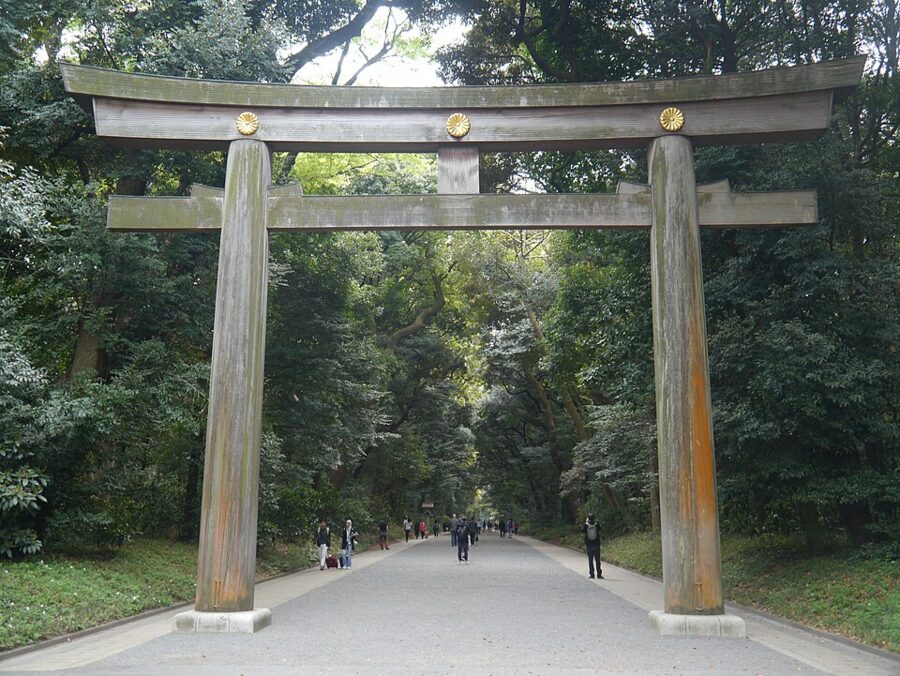

The shrine’s main hall burned on 14 April 1945 and was rebuilt in 1958. I’d go at 07:00 in summer or soon after the gates open in winter, when the gravel paths are being raked and the light comes down through the canopy, and walk out by the south gate into Harajuku as the shops open.
Roppongi and Azabu
Roppongi and Azabu were a soldiers’ town before they were a nightlife district. The 1st and 3rd Infantry Regiments had their barracks here, and men of both took part in the attempted coup of 26 February 1936. After 1945 the barracks went to the occupation forces, and the bars, restaurants and import shops that served them made Roppongi the most international corner of the city.
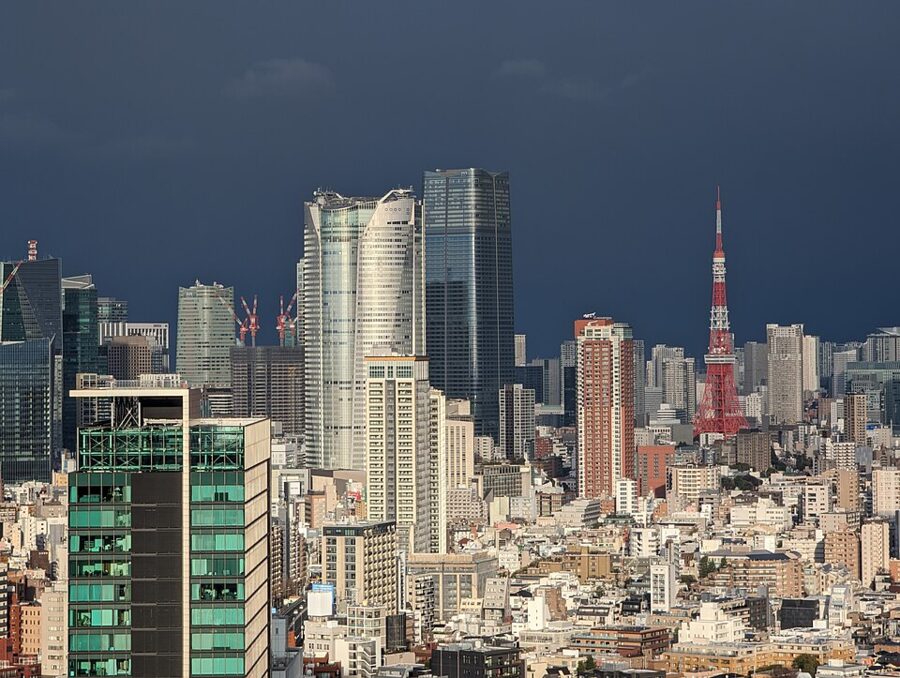
Roppongi Hills, about twenty years in the assembling, opened in April 2003 and turned the district towards offices and galleries. Azabu, down the hill, is quieter: embassies, temples and the shopping street of Azabu-Juban.
The bay: Odaiba, Tsukiji and Toyosu
Odaiba (お台場) is named after cannon. When Commodore Perry’s squadron arrived in 1853, the shogunate ordered Egawa Hidetatsu to build a line of Western-style gun batteries, daiba, across the approach to Edo. Work went on day and night for about eight months, and some of them were finished before Perry returned in 1854.
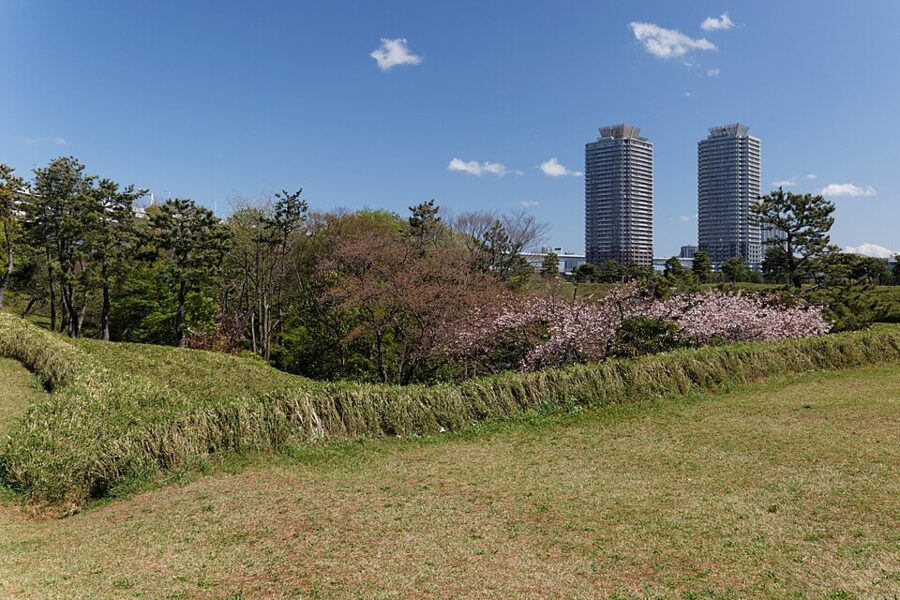

The rest of Odaiba is twentieth-century landfill. The city planned a new waterfront business district on it in the boom years, cancelled the World City Expo planned for it in 1995, and opened the Yurikamome driverless line from Shimbashi the same November. Today it is a weekend place of shopping malls and a beach you should not swim from.
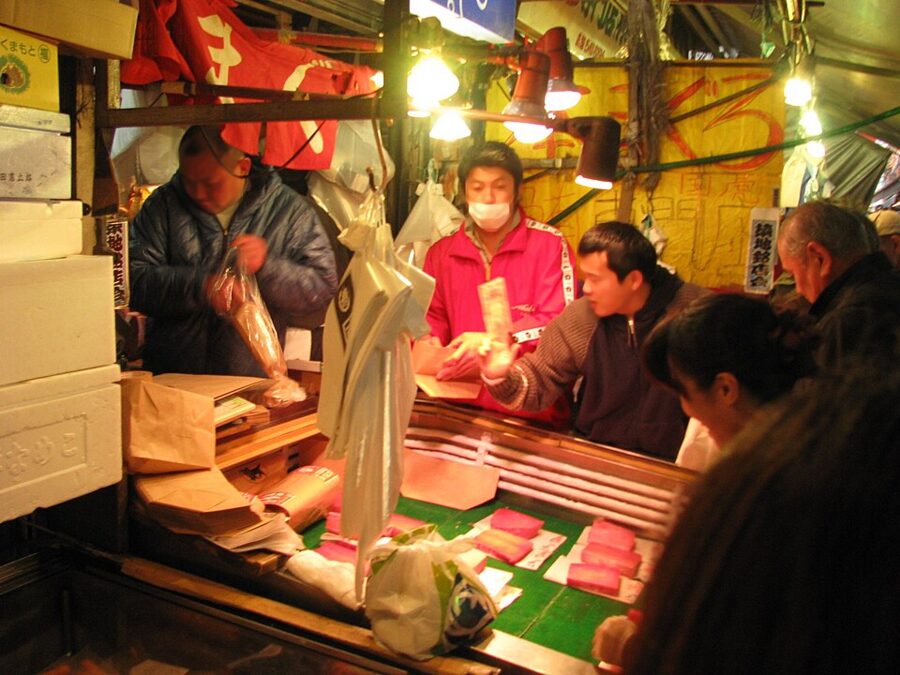
Tsukiji (築地) means “built land”, and the district stands on ground reclaimed after the 1657 fire. The fish market moved here from Nihonbashi after the 1923 earthquake, opened officially in 1935, and closed on 6 October 2018. The Tsukiji Outer Market, the streets of shops and counters that grew around it, stayed, and it keeps the wholesale market’s calendar, so many shops close on market holidays.

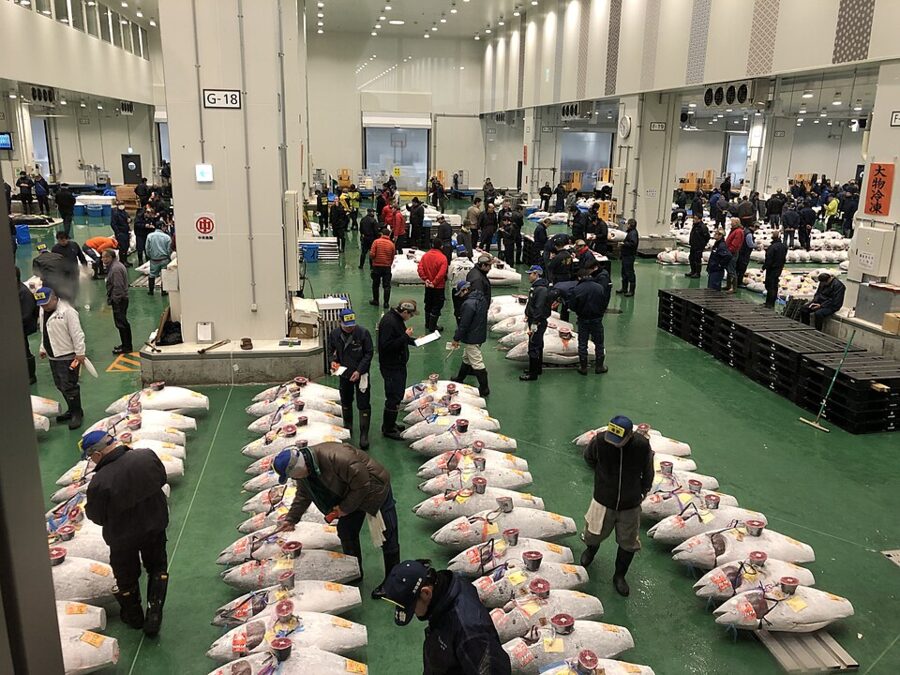
Toyosu Market opened on 11 October 2018 across the water in Koto. Its public viewing areas are open 05:00–17:00, and from the gallery over the tuna floor you can watch the auction between 05:30 and 06:30 with the live sound of the bidding piped through.

Museums and gardens
The Tokyo National Museum (東京国立博物館) in Ueno is the oldest museum in Japan and holds the largest collection of Japanese art. The collection galleries cost ¥1,000 and open 09:30–17:00, to 20:00 on Fridays and Saturdays, and close on Mondays. Give the Honkan, the main building, at least half a day; the Gallery of Horyu-ji Treasures behind it is quiet and very good.

The Edo-Tokyo Museum (江戸東京博物館), in its raised building beside Ryogoku Station, reopened on 31 March 2026 after four years of renovation. The permanent galleries cover the four hundred years since Ieyasu with a timber reconstruction of the Nihonbashi bridge, scale models of mansions and streets, and the rebuilding after 1923 and 1945.
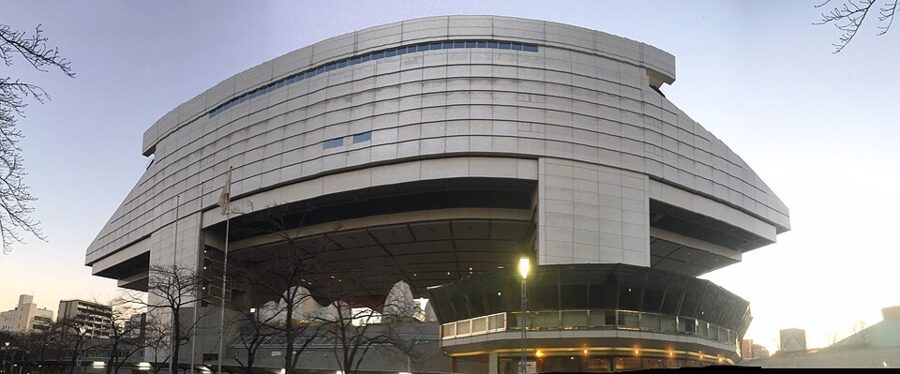

Admission to the permanent exhibition is ¥800, and the museum opens 09:30–17:30, to 19:30 on Saturdays, and closes on Mondays.
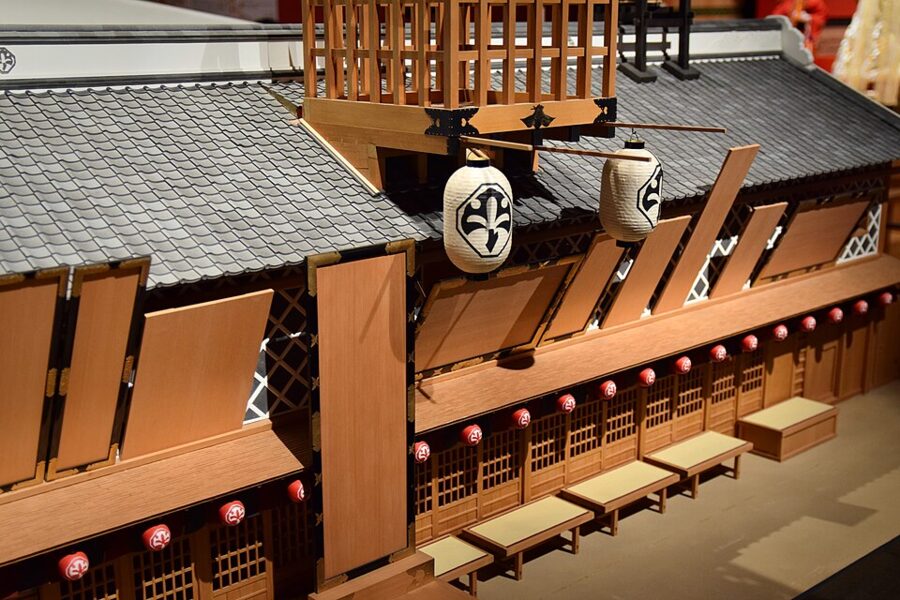

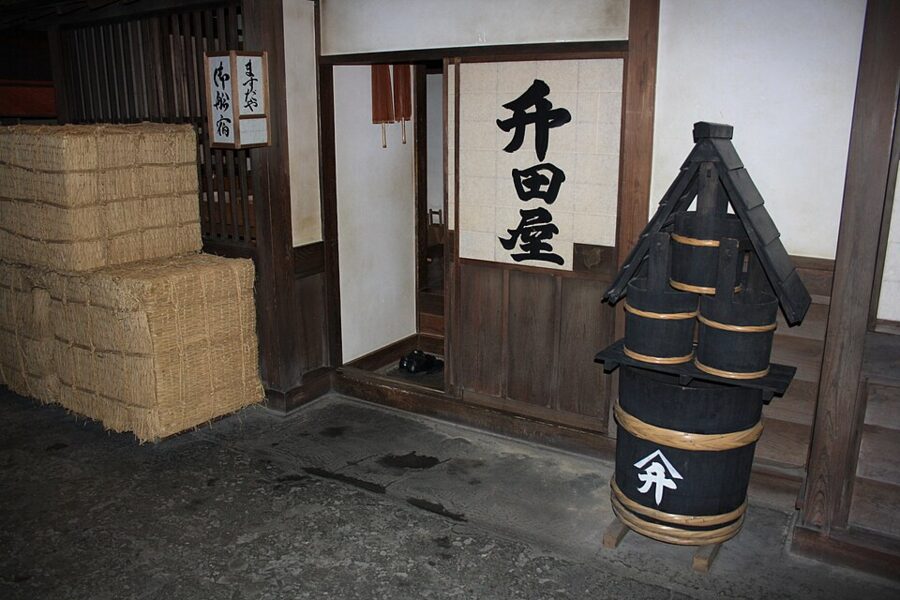
For the low town at full size, the Fukagawa Edo Museum near Kiyosumi-shirakawa rebuilds a street of Fukagawa as it was in the late Edo period, with tenements, a rice shop and a boatman’s wharf, and puts on rakugo storytelling in its small theatre.

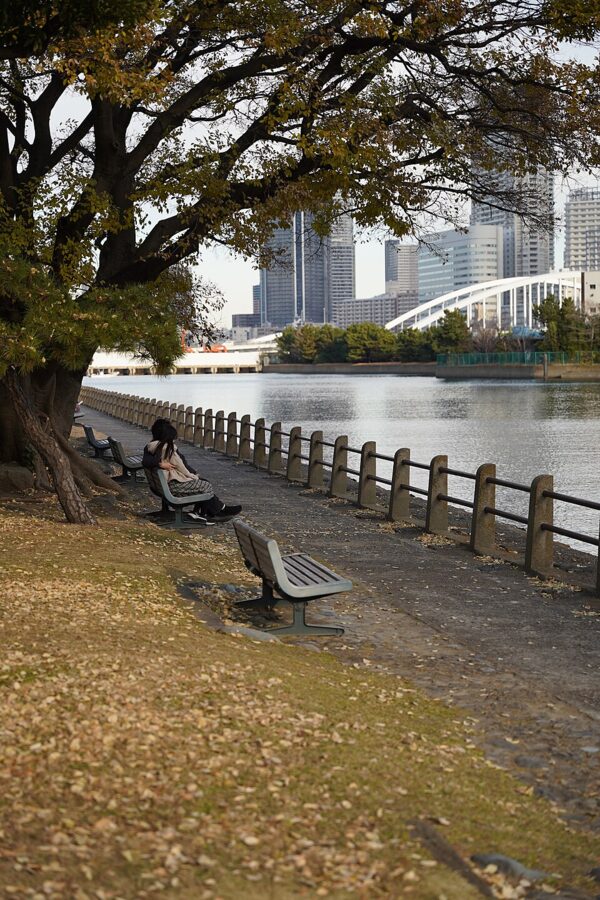
Of the gardens, Hama-rikyu (浜離宮) is the one that explains the bay. It began in 1654 as the seaside villa of Matsudaira Tsunashige, brother of the fourth shogun, and became shogunal property when his son became the sixth. The pond still fills and empties with the tide through a sluice from the sea, and the remains of two duck-hunting blinds stand among the reeds. Entry is ¥300, 09:00–17:00.

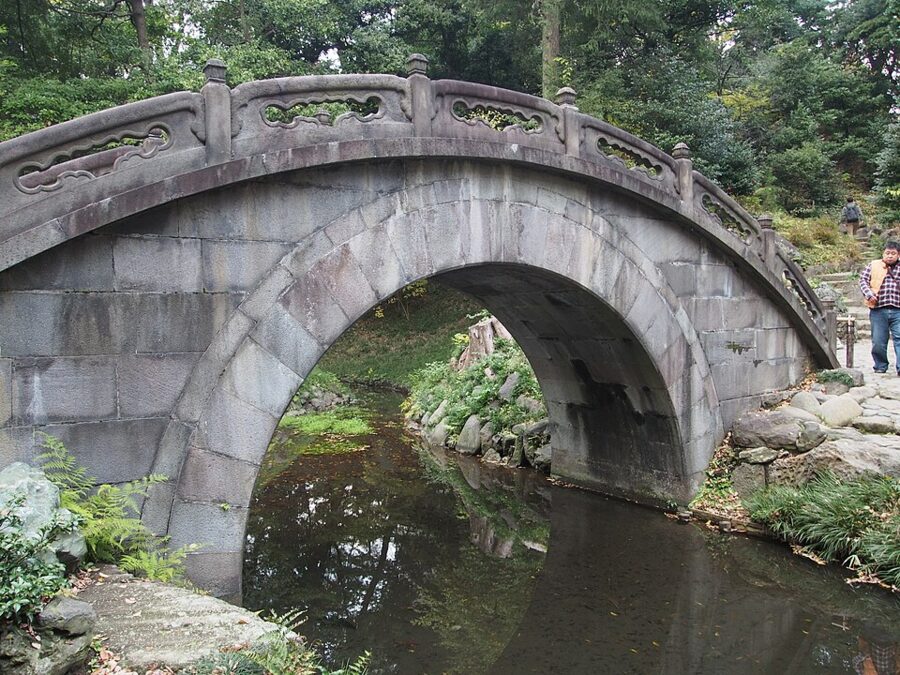
Koishikawa Korakuen, near Iidabashi, is the garden of the Mito branch of the Tokugawa, begun in 1629 by Tokugawa Yorifusa and finished by his son Mitsukuni. Mitsukuni brought in Chinese ideas through the Ming scholar Zhu Shunshui, which is why there is a miniature West Lake and a round stone Full Moon Bridge. Entry is ¥300, 09:00–17:00.

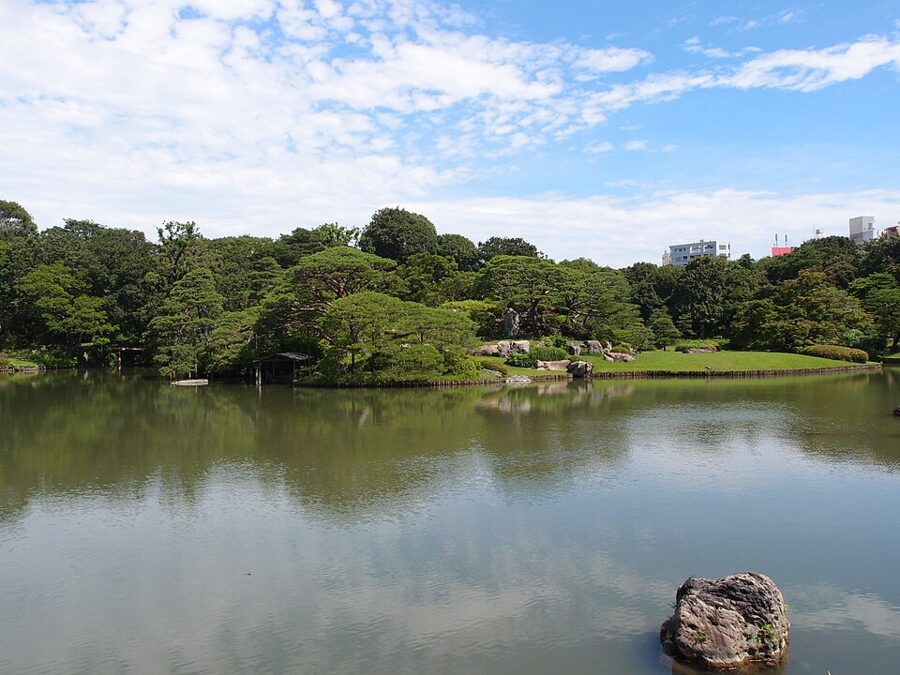
Rikugien, near Komagome, was made in 1702 by Yanagisawa Yoshiyasu, the closest adviser of the shogun Tsunayoshi, with its views named after scenes in classical waka poems. Iwasaki Yataro of Mitsubishi bought it in the Meiji period, and his family gave it to the city in 1938.

Getting around
The Yamanote Line and the subway
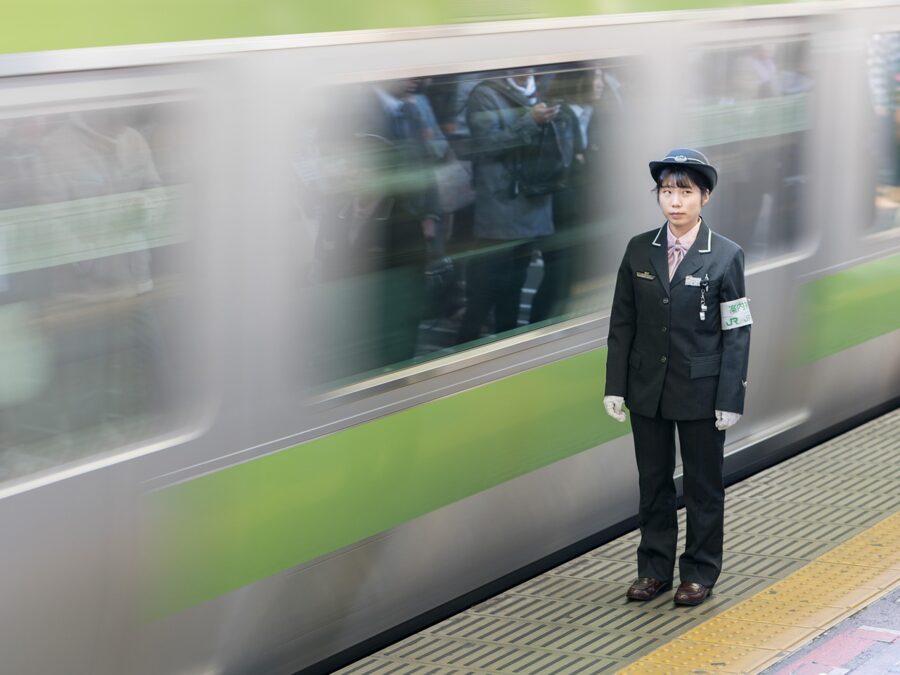
The JR Yamanote Line is a loop of 30 stations, about an hour all the way round, and most of the districts above sit on it or close to it. Inside and across the loop run two subway companies: Tokyo Metro, with nine lines, and the city’s own Toei, with four. Each line has a letter and a colour, and each station a number, so Ginza on the Ginza Line is G09.
The two subway systems charge separately, and a trip that changes from one to the other costs more than one that stays on a single company’s lines. Tokyo Metro’s single fares run from ¥180 to ¥330 by distance. Tokyo’s oldest line is the Ginza Line, opened between Ueno and Asakusa in 1927, the first subway in Asia.
Suica, PASMO and the passes
Get an IC card on day one and stop thinking about fares. A Suica from JR East or a PASMO from the private railways works on every train, subway and bus in the city and in most convenience stores. A new card includes a ¥500 deposit, refunded when you return it, and you top up with cash at any ticket machine, to a maximum balance of ¥20,000.
The Welcome Suica is a version for short-term visitors, valid for 28 days and with no deposit to recover; there is also a phone app, Welcome Suica Mobile, and a long-term card valid for up to six months.
The one pass worth doing the sums for inside the city is the Tokyo Subway Ticket, which covers both subway companies for 24, 48 or 72 hours at ¥1,000, ¥1,500 or ¥2,000. It is sold to overseas visitors and to Japanese visitors who live outside Tokyo and the surrounding prefectures. On a museum day with four or five subway rides it pays for itself; on a day spent walking Yanaka it does not.
The national Japan Rail Pass is not worth starting in Tokyo unless you are leaving on a long shinkansen journey the same day.
From the airports
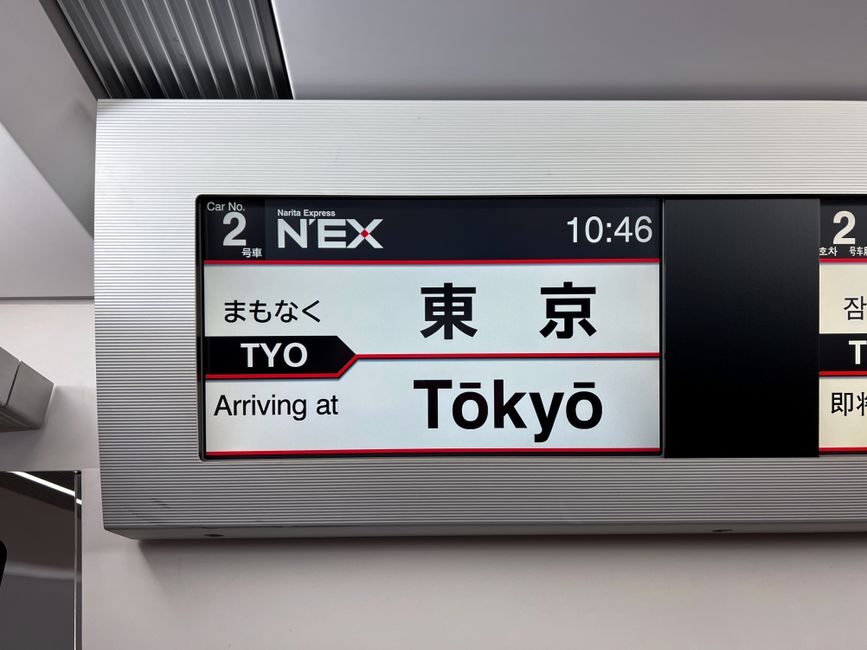
Narita is in Chiba, about 60 km out. The Keisei Skyliner reaches Nippori in as little as 36 minutes and Keisei Ueno in 41, which makes Ueno and Asakusa the easiest places to stay after a Narita arrival. JR’s Narita Express takes 53 minutes at best to Tokyo Station and runs on to Shinjuku and Shibuya; the round-trip ticket for overseas visitors costs ¥5,200 and is valid for 14 days.
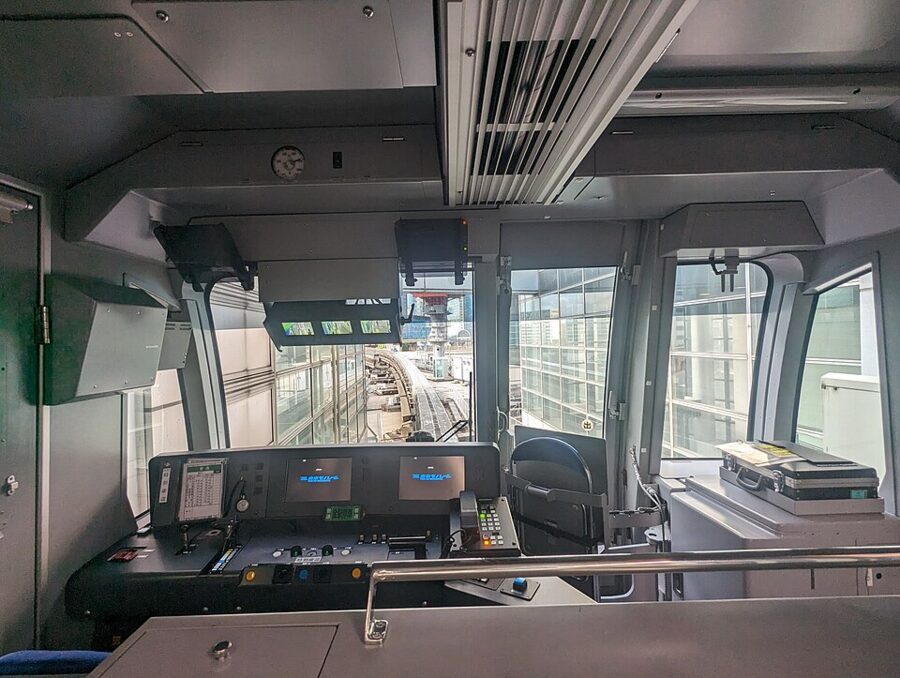
Haneda, on the bay south of the centre, is much closer. The Keikyu line runs from the terminals to Shinagawa, with through trains onto the Toei Asakusa Line for Nihonbashi and Asakusa, and the Tokyo Monorail runs to Hamamatsucho on the Yamanote Line. From Haneda I’d stay near Shinagawa or Hamamatsucho and not think twice.
Where to stay
Choose a base by the airport you use and the trips you plan, not by the reputation of a neighbourhood; central Tokyo is safe at night, and almost every hotel is near a station.
Ueno and Asakusa are the best value in the centre, with the Skyliner, the Tobu line for Nikko, and shitamachi on your doorstep in the morning. Tokyo Station and Nihonbashi suit short stays and early shinkansen; rooms cost more and the streets are dead on Sunday.
Shinjuku has the most hotels at every price, the Odakyu line for Hakone and the highway bus terminal, and is noisy until late. Ginza is central and quiet at night; Shibuya is younger and dearer.
For a long stay, a term at a language school or a year of study in Japan, look at Yanaka, Sendagi or the stations of the Chuo Line west of Shinjuku. Rents drop and the streets turn into neighbourhoods with bathhouses and shopping streets.
Eating the way Edo did
Edo was a city of single men in a hurry, and its classic food was fast food. Sushi, tempura and soba were all sold from stalls, and the three still define Tokyo cooking better than any fashionable restaurant.
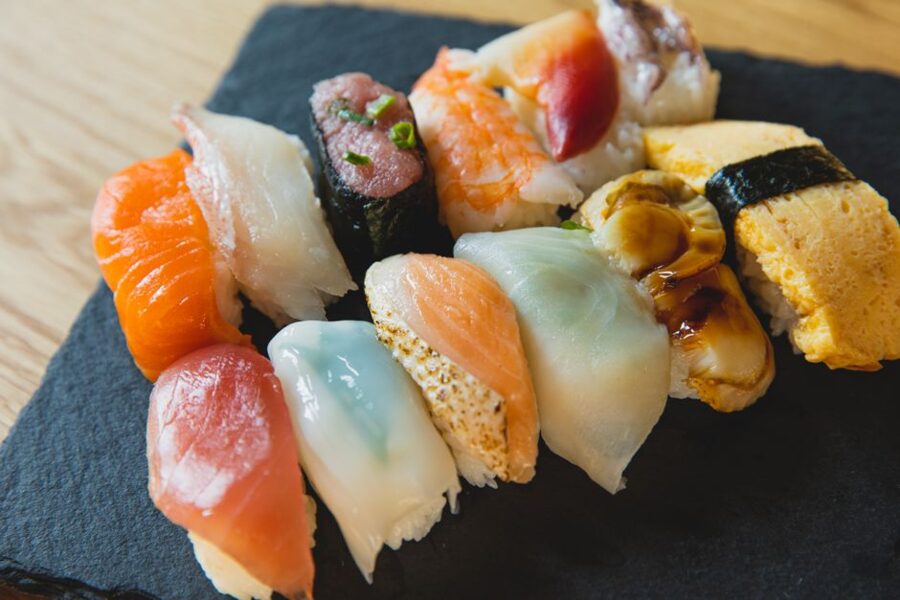
Edo-mae sushi, “in front of Edo”, was made with fish from the bay. The hand-pressed nigiri, a slice of fish on a mouthful of vinegared rice, became a street snack in the early nineteenth century; Hanaya Yohei usually gets the credit, though the story is hard to prove. The fish was salted, vinegared, simmered or marinated in soy because there was no ice, and good Tokyo counters still serve cured and simmered pieces alongside raw ones.
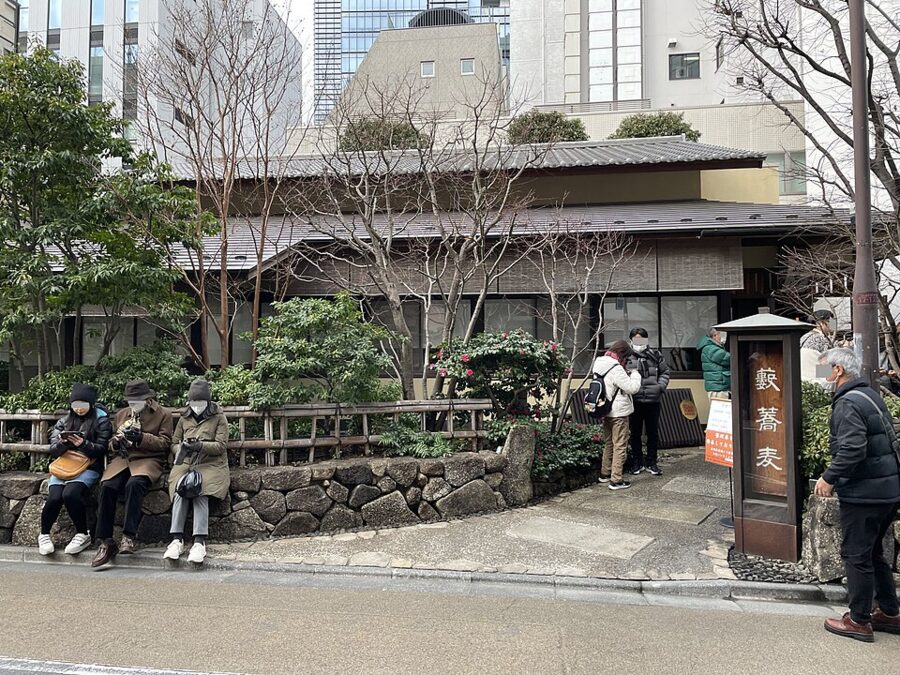
Soba was the noodle of Edo, made with buckwheat and served cold on bamboo trays with a sharp dipping sauce. Kanda Yabu Soba in Kanda Awajicho traces its line to the end of the Edo period and reopened in 2014 after a fire; it opens 11:30, takes last orders at 20:00 and closes on Wednesdays. Order the seiro, the plain cold noodles, and dip only the ends, as Edo people did.
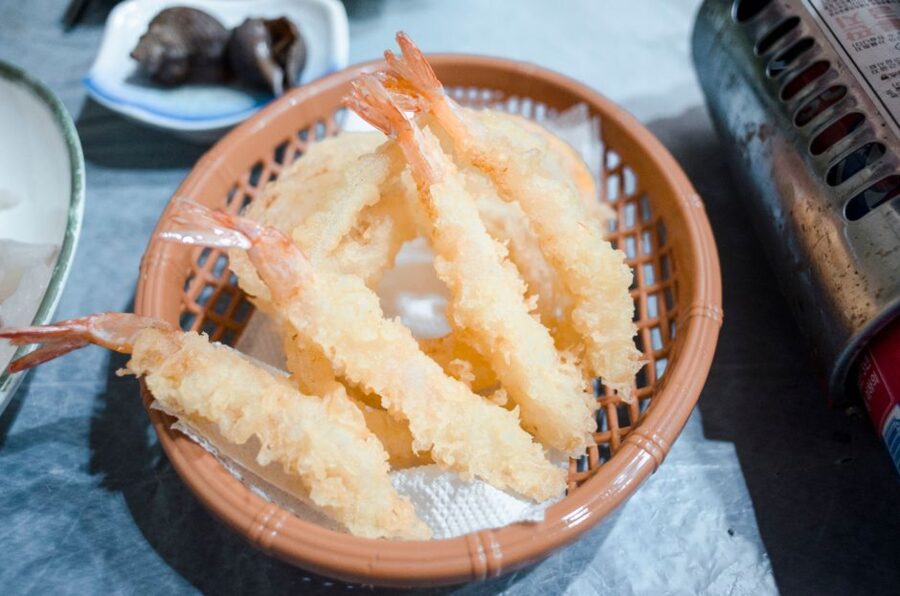
Tempura, seafood and vegetables fried in a light batter, was also a stall food, cooked outdoors because of the fire risk. The cheapest way in is tendon, tempura on a bowl of rice with sauce, at lunchtime. Monjayaki, a runny batter fried on a griddle at the table, is the Tsukishima speciality, and the place to eat it is the main street there, a short walk from Tsukishima subway station.
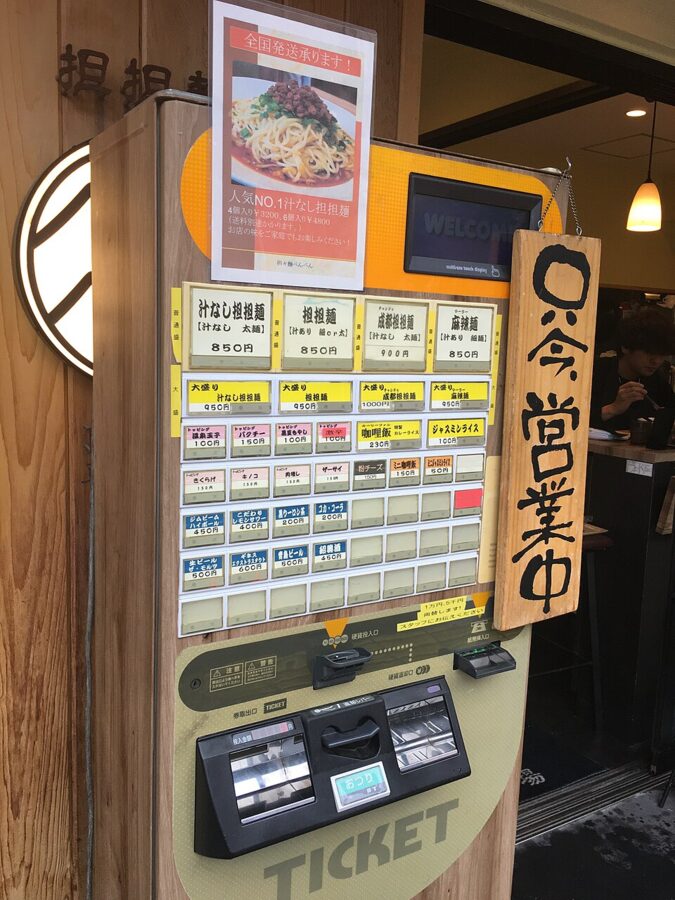
Tokyo is cheaper to eat in than its reputation. Noodle and set-meal shops sell from a ticket machine at the door, and lunch sets everywhere cost far less than the same food at dinner. The depachika have the best takeaway in the city, and in the last hour before closing many counters mark their prepared food down.

When to go
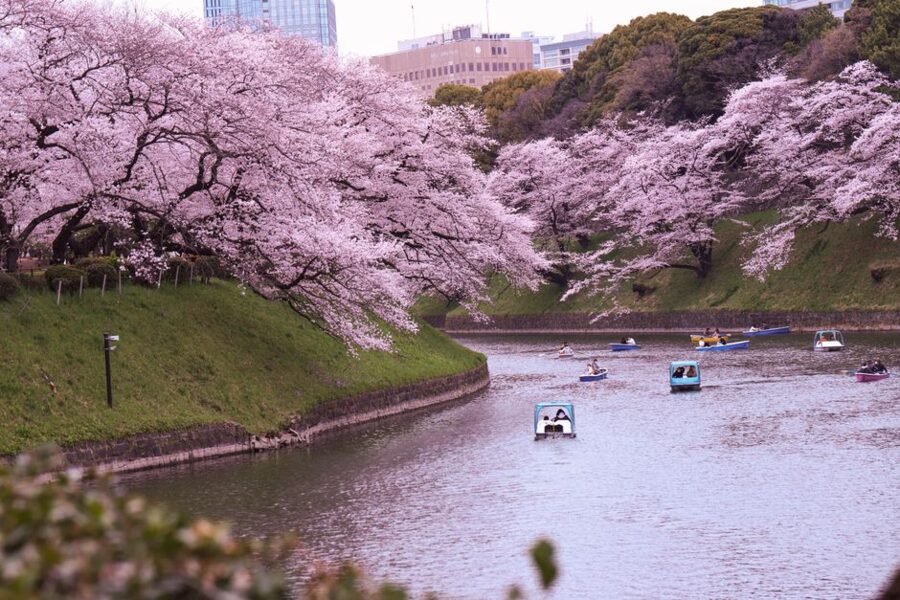
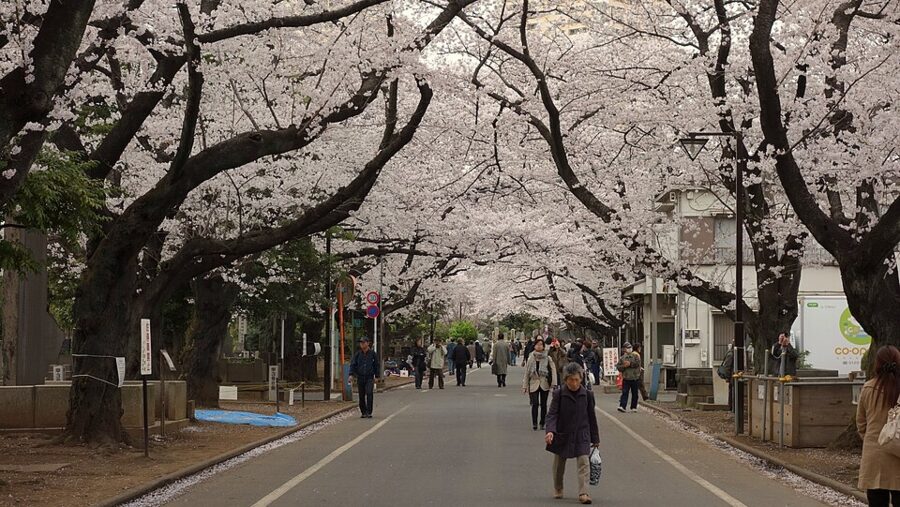
Tokyo’s cherry trees usually flower in late March, a few days ahead of most of Honshu. Ueno Park is the famous place and the most crowded; Chidorigafuchi on the palace moat and the main avenue of Yanaka Cemetery are better. If Tokyo is one stop on a longer trip, the best time to visit Japan depends as much on the other places as on this one.
Summer is hot and humid. By the Japan Meteorological Agency’s 1991–2020 normals the average daily maximum in August is 31.3°C and the average minimum 23.5°C. Plan days around museums and go out early and late.
September and October are the wettest months, with 224.9 mm and 234.8 mm of rain on average, because typhoons and the autumn rain front pass over the region then. A typhoon day usually means one day indoors; trains stop in advance and restart quickly.

Late October to early December is my choice: dry, mild, with the ginkgos turning yellow along the avenues in late November and the gardens at their best. Winter, with an average January maximum of 9.8°C, brings the clearest air of the year, and on many mornings you can see Mount Fuji from the tall buildings.
Day trips
Tokyo is the hub for all of Kanto, and the railways that fan out from its terminals make day trips easy.
Kamakura, the seat of the first warrior government, is about an hour by the JR Yokosuka Line from Tokyo Station. Hakone is about 80 minutes from Shinjuku on the Odakyu Romancecar, with a ¥1,200 limited-express ticket on top of the fare. Nikko, where Ieyasu is enshrined, is about two hours from Asakusa by Tobu.
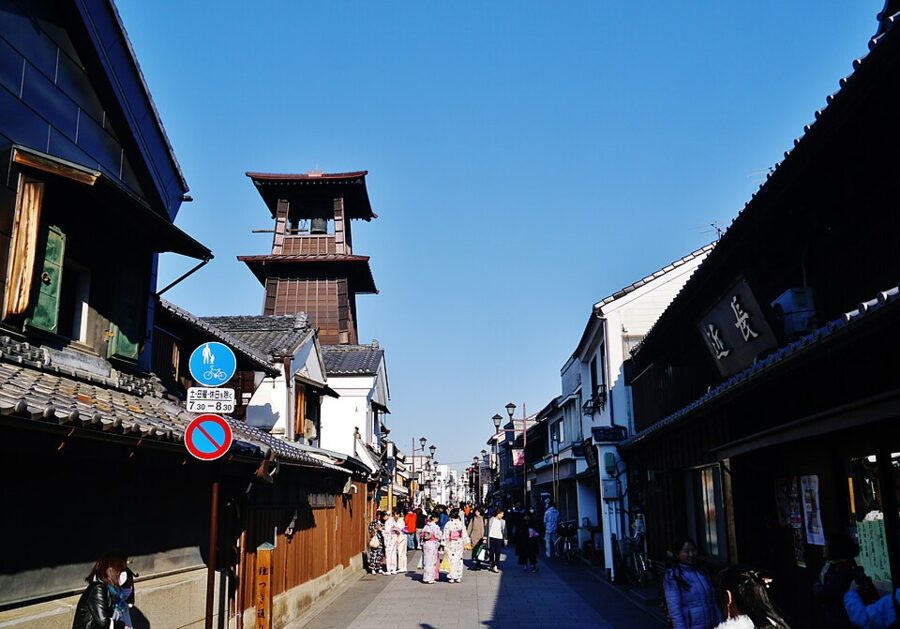
Kawagoe, a castle and merchant town that called itself “little Edo”, is about 30 minutes from central Tokyo and keeps the clay-walled storehouses that Tokyo lost. For Mount Fuji, JR and Fujikyu run direct trains through to Kawaguchiko every day.

Tokyo also runs a long way out to sea. Izu Oshima is a night ferry or a jetfoil from Takeshiba pier, and the Ogasawara Islands are a day away by the only ship, and both are as much part of the metropolis as Shinjuku.
Three to five days
Day one, the castle and the merchant city. The East Gardens at opening time, Marunouchi at lunch, Nihonbashi in the afternoon and Ginza at dusk, when the lights go on at the 4-chome crossing.
Day two, the low town. Senso-ji before 08:00, the river boat from Asakusa down the Sumida to Hama-rikyu (Tokyo Cruise boats only let you off at the garden, not on), then the Tokyo National Museum in the afternoon and a walk through Yanaka at sunset.
Day three, the west. Meiji Jingu early, Harajuku as the shops open, Shibuya for lunch, and the free deck of the metropolitan government building in Shinjuku before dark.
Day four, the bay and the east bank. Toyosu for the 05:30 auction if you can face it, breakfast in the Tsukiji Outer Market, then the two Edo museums in Ryogoku and Fukagawa.
Day five is a day trip: Kamakura if you want temples, Hakone if you want a hot spring, Kawagoe if you want to see what Tokyo’s merchant streets looked like before 1923.
Whichever days you choose, start the first morning on top of that granite platform in the East Gardens. You know now why it is empty: the money went into the streets you are about to spend a week in. Be at Ote-mon at 09:00, and remember that the gates stay shut on Mondays and Fridays.