
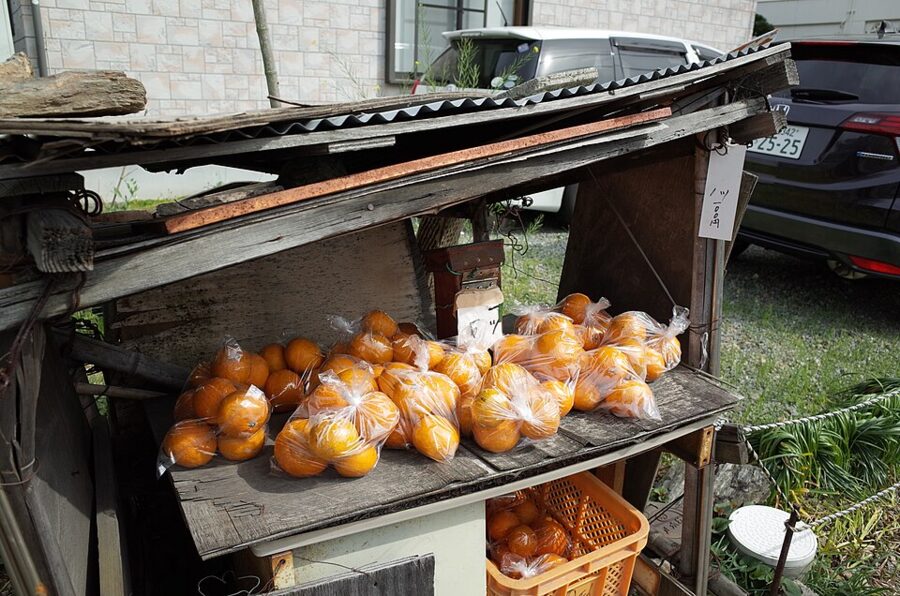

Near Kimiidera (紀三井寺), the hillside temple in Wakayama City, a stand of weathered planks sells bags of mandarins with nobody minding it. A card hangs from the roof: 1ツ 100円, one for ¥100, and a small wooden box waits for the coins. That katakana ツ, standing in for the word “bag” without ever saying it, is how Japanese counts.
Japanese never puts a number straight onto a noun. It adds a counter, or josushi (助数詞, “helper number word”), a short suffix that says what sort of thing is being counted: ippon for one long thing, ichimai for one flat thing, hitori for one person. About twenty counters cover shops, restaurants, stations and hotels, and when the right one escapes you, the native numbers hitotsu, futatsu, mittsu (the -tsu series) or the counter -ko will carry almost any object up to ten.
The table gives the twenty-one I would learn first, with the readings from one to ten. Romanisation here drops the long-vowel marks (kyu for きゅう, ju for じゅう), so check the kana beside each counter; the readings in bold are the ones that break the pattern. Where two are given, the first is the one you will hear most.
| Counter | Counts | 1 | 2 | 3 | 4 | 5 | 6 | 7 | 8 | 9 | 10 |
|---|---|---|---|---|---|---|---|---|---|---|---|
| -tsu つ | things in general, up to ten | hitotsu | futatsu | mittsu | yottsu | itsutsu | muttsu | nanatsu | yattsu | kokonotsu | to |
| -ko 個 こ | small or roundish objects | ikko | niko | sanko | yonko | goko | rokko | nanako | hakko | kyuko | jukko |
| -nin 人 にん | people | hitori | futari | sannin | yonin | gonin | rokunin | shichinin, nananin | hachinin | kyunin | junin |
| -mei 名 めい | people (formal) | ichimei | nimei | sanmei | yonmei | gomei | rokumei | nanamei | hachimei | kyumei | jumei |
| -hon 本 ほん | long, thin things; bottles | ippon | nihon | sanbon | yonhon | gohon | roppon | nanahon | happon | kyuhon | juppon |
| -mai 枚 まい | flat things; tickets | ichimai | nimai | sanmai | yonmai | gomai | rokumai | nanamai | hachimai | kyumai | jumai |
| -hai 杯 はい | cups, glasses, bowls | ippai | nihai | sanbai | yonhai | gohai | roppai | nanahai | happai | kyuhai | juppai |
| -hiki 匹 ひき | small animals, fish, insects | ippiki | nihiki | sanbiki | yonhiki | gohiki | roppiki | nanahiki | happiki | kyuhiki | juppiki |
| -to 頭 とう | large animals | itto | nito | santo | yonto | goto | rokuto | nanato | hatto | kyuto | jutto |
| -wa 羽 わ | birds | ichiwa | niwa | sanba, sanwa | yonwa | gowa | roppa, rokuwa | nanawa | happa, hachiwa | kyuwa | juppa, juwa |
| -dai 台 だい | machines, vehicles | ichidai | nidai | sandai | yondai | godai | rokudai | nanadai | hachidai | kyudai | judai |
| -satsu 冊 さつ | books, notebooks | issatsu | nisatsu | sansatsu | yonsatsu | gosatsu | rokusatsu | nanasatsu | hassatsu | kyusatsu | jussatsu |
| -chaku 着 ちゃく | suits, dresses, coats | itchaku | nichaku | sanchaku | yonchaku | gochaku | rokuchaku | nanachaku | hatchaku | kyuchaku | jutchaku |
| -soku 足 そく | pairs of shoes or socks | issoku | nisoku | sanzoku | yonsoku | gosoku | rokusoku | nanasoku | hassoku | kyusoku | jussoku |
| -ken 軒 けん | houses, shops | ikken | niken | sangen | yonken | goken | rokken | nanaken | hakken | kyuken | jukken |
| -kai 回 かい | times, occasions | ikkai | nikai | sankai | yonkai | gokai | rokkai | nanakai | hakkai | kyukai | jukkai |
| -kai 階 かい | floors of a building | ikkai | nikai | sangai, sankai | yonkai | gokai | rokkai | nanakai | hakkai, hachikai | kyukai | jukkai |
| -haku 泊 はく | nights’ stay | ippaku | nihaku | sanpaku | yonhaku | gohaku | roppaku | nanahaku | happaku | kyuhaku | juppaku |
| -fun 分 ふん | minutes | ippun | nifun | sanpun | yonpun | gofun | roppun | nanafun | happun, hachifun | kyufun | juppun |
| -ka 日 か | days of the month | tsuitachi | futsuka | mikka | yokka | itsuka | muika | nanoka | yoka | kokonoka | toka |
| -en 円 えん | yen | ichien | nien | san’en | yoen | goen | rokuen | nanaen | hachien | kyuen | juen |
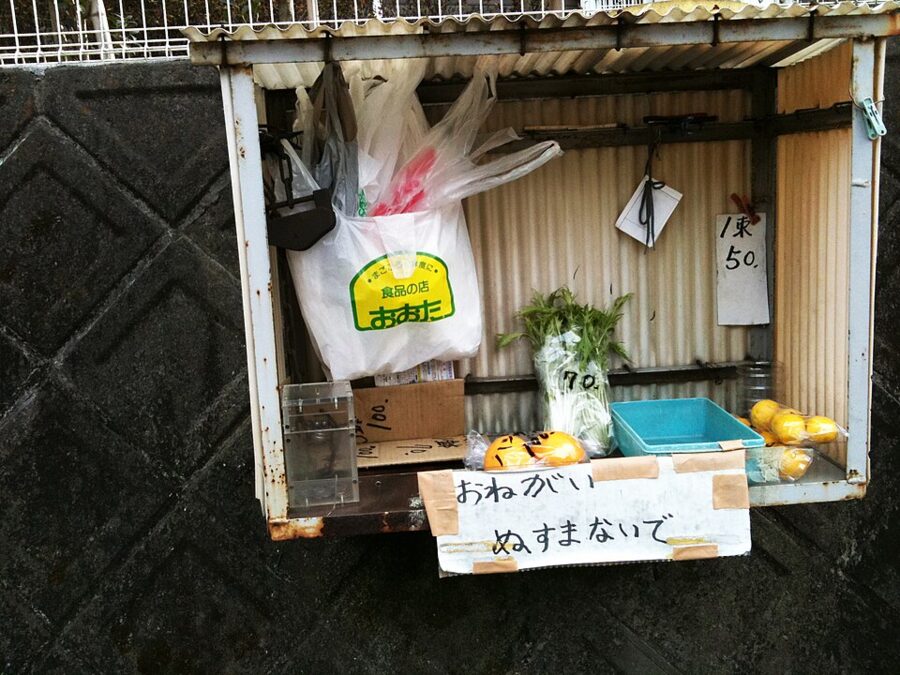

Every counter question takes the same shape: nan (“what”) plus the counter, so nanbon, nanmai, nannin, nanko. The -tsu series asks with ikutsu, and prices with ikura. Learn those question words alongside the counters and half of every shop exchange is already done.


In this guide
How a counter works in a sentence
Japanese nouns have no plural. Inu is a dog or dogs, kippu a ticket or tickets, and the counter carries the number on the noun’s behalf. English does the same with nouns it cannot count directly: three sheets of paper, two slices of bread, four head of cattle. Japanese simply does it for nearly everything, which is why the dictionaries of counting list several hundred, with about 500 the figure usually quoted.
The number and the counter fuse into a single word, and that word can sit in two places. Before the noun it needs no: sanbon no pen, “three pens”, naming a set. After the noun and its particle it floats free, right before the verb: pen o sanbon kudasai, “three pens, please”. The floating order is the everyday one, and the one to use when buying or ordering anything.
The two orders are not interchangeable. Japanese grammarians like the pair kusatta mikan o sanko suteta and kusatta sanko no mikan o suteta. The first says you threw out three rotten mandarins, perhaps from a box of many rotten ones; the second says there were three rotten mandarins and you threw them out. Ask for sanko no mikan o kudasai in a shop and it sounds stiff, because the number belongs to the act of taking, not to the fruit.
Two sets of numbers
Japanese has two number systems. The Sino-Japanese set came from Chinese: ichi, ni, san, shi or yon, go, roku, shichi or nana, hachi, kyu or ku, ju. The native set is older and shorter: hito, futa, mi, yo, itsu, mu, nana, ya, kokono, to, and in modern speech most of it survives only up to about four.
The rule of thumb is that Chinese-derived counters take Chinese-derived numbers (sanmai, sansatsu) and native counters take native numbers. Plates of food counted with sara run hitosara, futasara, misara, and then the native numbers give out: six plates is rokusara, never musara. There are crossovers both ways. Wa for birds is a native word that takes Chinese numbers, while ban, nights, is Chinese but goes hitoban, futaban.
Counters borrowed from English mostly take the Chinese set, and sometimes English numbers for small amounts: a set of something is ichi-setto or wan-setto. The word josushi itself seems to have been modelled on “auxiliary numeral”, the term Basil Hall Chamberlain used in his Handbook of Colloquial Japanese in the Meiji era.
The -tsu numbers and the -ko fallback
The native numbers with -tsu attached count almost any object you can point at: hitotsu, futatsu, mittsu, yottsu, itsutsu, muttsu, nanatsu, yattsu, kokonotsu, and then to for ten, with no -tsu at all. That is where the series stops. Eleven apples are juikko, or simply juichi, said with a shrug.
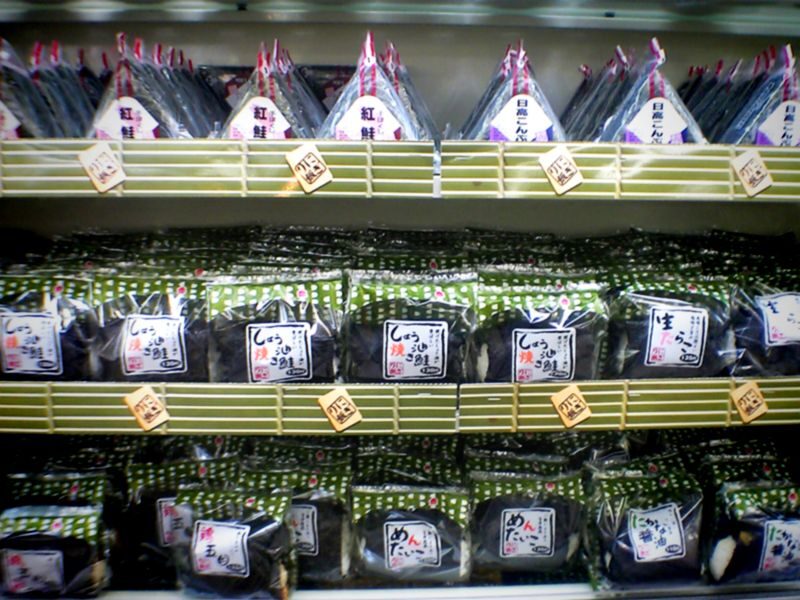
Within its range, -tsu is the safest thing in the language. Kore o futatsu kudasai (“two of these, please”) works for onigiri, cakes, bento, tickets at a festival stall and beers at a bar. It also counts the abstract: hitotsu shitsumon ga arimasu, “I have one question”. Small children give their age in it, and ikutsu asks a child’s age as well as how many.

It has two limits. It never counts people or animals, which need -nin, -hiki and the rest, and it runs out at ten. For more than ten small objects, or anything with a price per piece, switch to -ko (個): ikko, niko, sanko, yonko, up to jukko and beyond. Where a counter does not come to mind, -ko is the one native speakers reach for too.
Its spread is recorded. In the Agency for Cultural Affairs’ survey of Japanese usage for 2003, 50.8 per cent of people said they use ikko ue, “one -ko older”, for someone a year or a school year above them, the first time a majority had. Iida Asako, whose Kazoekata no Jiten (数え方の辞典, Shogakukan) is the best-known dictionary of counting, notes that pagers went from -dai, the counter for machines, to -tsu and -ko in newspaper reports around 1998, once newer gadgets made them feel like trinkets.
If I had to keep three counters and lose the rest, I would keep -tsu for anything I can point at, -ko for anything past ten, and -nin for people, because no fallback covers people.
Why three is sanbon: the sound changes
The counters are not hard to name. What trips learners is that the number and the counter change each other’s sounds where they meet. The changes look random at first and are mostly regular, with a few stubborn exceptions that you simply learn as words.
Doubled consonants on 1, 6, 8 and 10
When a counter begins with k, s, t or h, the numbers that end in a short vowel (ichi, roku, hachi, ju) clip into a small っ and double the next consonant. Ichi plus kai becomes ikkai; ichi plus satsu becomes issatsu; hachi plus chaku becomes hatchaku. Six only doubles before k and h, so six books stay rokusatsu while six times are rokkai.
Eight is the loose one. Happon and hachihon, hakkai and hachikai are both in dictionaries, and you hear both. Ten has its own wrinkle: the older reading is jippon, jikkai, while most younger speakers say juppon, jukkai. The 2010 revision of the government’s list of everyday kanji added ジュッ as an accepted reading of 十, and NHK accepts it on air, so either is safe.

When h turns into p or b
Counters that begin with h (-hon, -hiki, -hai, -haku, -fun) change most. After a doubled consonant the h hardens to p: ippon, roppon, happon, juppon; ippiki; ippai; ippaku; ippun. After the n of san, and of nan in questions, it softens to b in -hon, -hiki and -hai: sanbon, sanbiki, sanbai, and nanbon, “how many?” But -fun and -haku go to p after n instead: sanpun, yonpun, sanpaku.
No single rule covers every h counter, and the dictionaries say as much. Three times is sankai but the third floor is sangai; three cups are sanbai, while three defeats are sanpai; four bottles are yonhon but four shots are yonpatsu. Learn the h counters cell by cell, and only for 1, 3, 6, 8 and 10, because every other cell is regular.
A handful of counters starting with k or s also voice after san: three houses are sangen, three pairs of shoes sanzoku, the third floor sangai, and “which floor?” is nangai. This is the same voicing, rendaku (連濁), that turns hana into ikebana and toki into tokidoki.
Four, seven and nine
Four, seven and nine each have two readings, and with most counters you use yon, nana and kyu: yonhon, nanamai, kyuhai. A few set phrases keep the others, and they are worth learning as words: April, July and September are shigatsu, shichigatsu, kugatsu; four, seven and nine o’clock are yoji, shichiji, kuji. Four people are yonin, four years yonen, and four yen yoen, each with a bare yo.
The usual explanation for avoiding shi and shichi when counting is that they are easy to mishear (shichi and ichi sound alike down a phone line) and that shi is also the word for death, 死. Whatever the reason, counting aloud with yon and nana will never be wrong except in those fixed phrases.
People and dates
People keep two native forms: one person is hitori, two are futari, and from three it is -nin: sannin, yonin, gonin. Seven is shichinin or nananin, nine kyunin or kunin. Hitori is also the everyday word for “alone”, so hitori desu at a restaurant door means both “one” and “just me”.
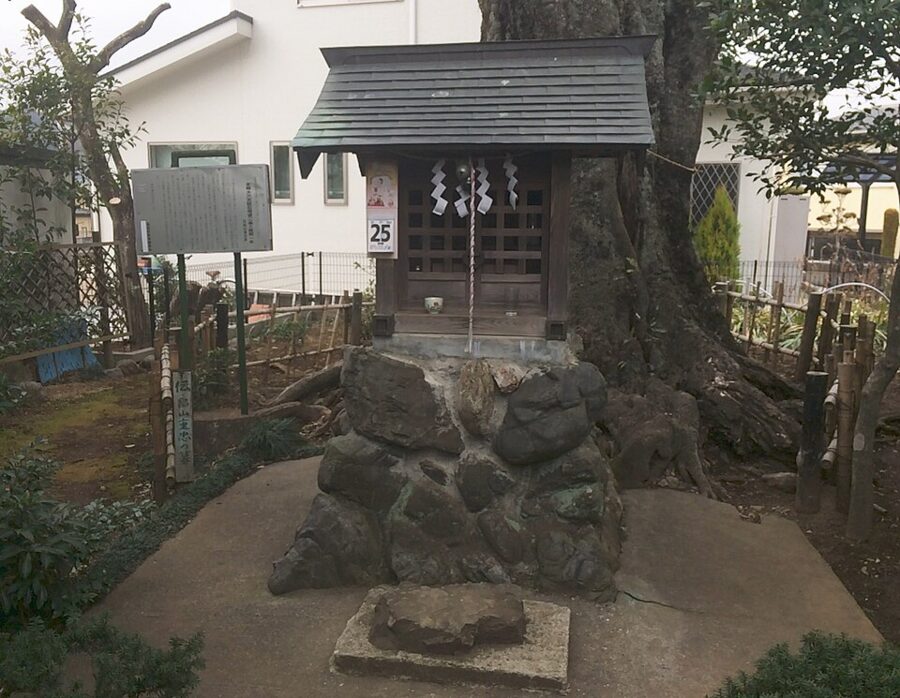

The days of the month are the oddest table in the language, and the most used. The first is tsuitachi, from tsukitachi, the month’s rising, and then come futsuka, mikka, yokka, itsuka, muika, nanoka, yoka, kokonoka, toka: native numbers plus ka, “day”. From the 11th the dates turn regular (juichinichi), except the 14th, juyokka, the 20th, hatsuka, and the 24th, nijuyokka.
The same words count days as well as naming them, so futsuka is both “the 2nd” and “two days”. Only the first splits: the date is tsuitachi but one day’s length is ichinichi. Dictionaries list both, and a hotel clerk will understand either if you hold up a finger.
Counters by situation
Most of the counters you need are tied to a handful of places, and each place uses a small, predictable set. Learn them by setting and they stick far better than they do from a list.
Shopping and the convenience store
Onigiri, cakes, mandarins and eggs are -ko or -tsu. Bottles of tea and cans of beer are -hon, and so are bananas, pens and umbrellas. Flat things are -mai: sheets of paper, postcards, slices of ham, a plastic bag (fukuro wa ichimai de ii desu, “one bag will do”) and, at the till, banknotes. At a greengrocer, pre-measured piles are counted by the heap, hitoyama, and bags by hitofukuro.
Money has its own counter, -en, which behaves except at four: yoen, not yon’en. Bigger sums run on the units man (ten thousand) and sen (thousand), and sound changes reach those too: three thousand is sanzen, eight thousand hassen, three hundred sanbyaku, six hundred roppyaku.
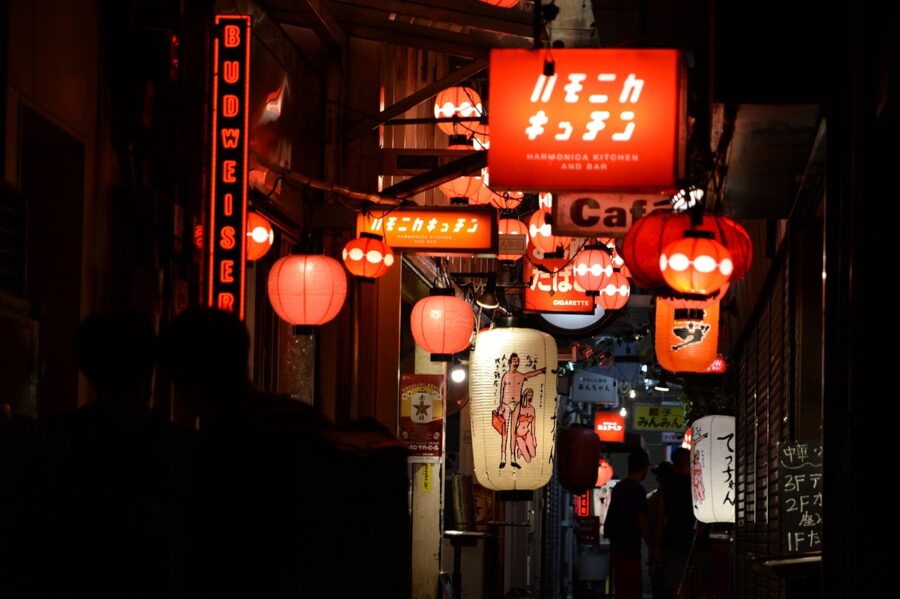
Restaurants and izakaya
The counters start at the door, where staff ask nanmei-sama desu ka, “how many in your party”, using the formal -mei with the honorific -sama. You answer in plain -nin, or with fingers: futari desu, sannin desu. Booking by phone, nimei de is fine too; what you never do is add the -sama to your own party.
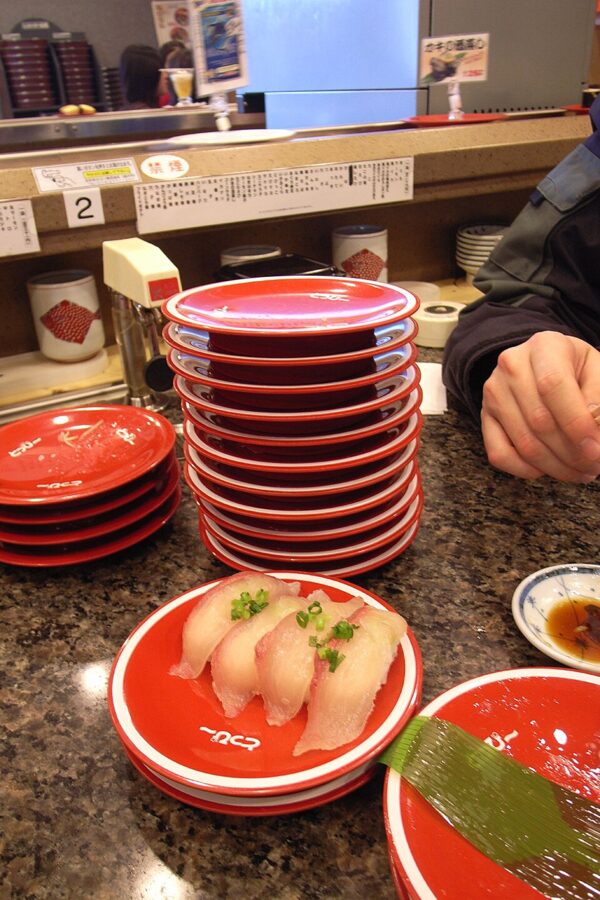
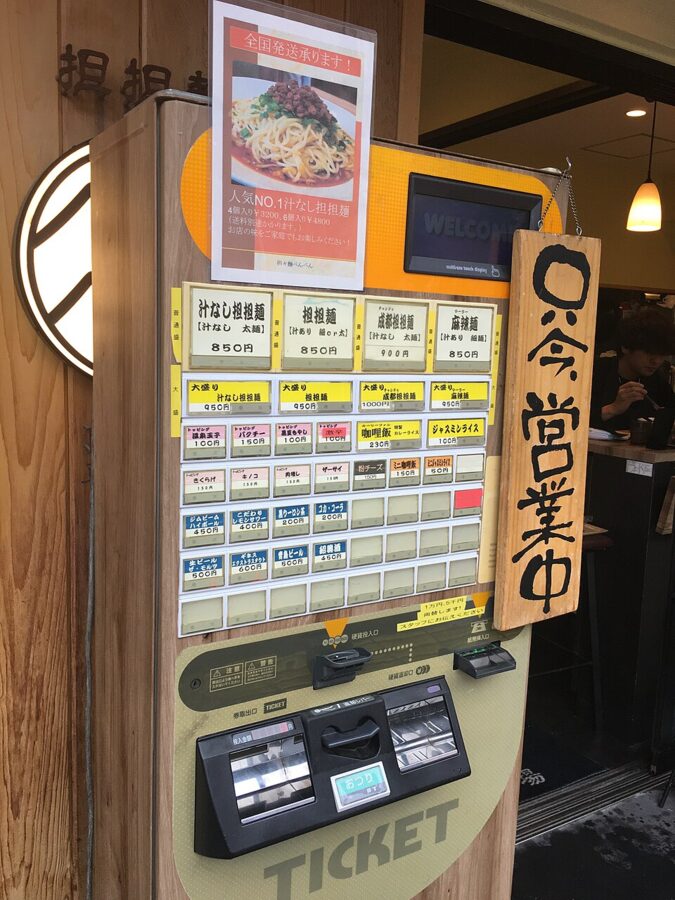
Ordering, -tsu covers most of the menu: nama futatsu, two draught beers, kore to kore o hitotsu zutsu, one each of these two. Bottled beer is ippon, a glass or bowl of anything is -hai (ippai, nihai), and portions are -ninmae, “person’s share”: gyoza o nininmae is two portions, not two dumplings. A plate is both ichimai as an object and hitosara as a serving.
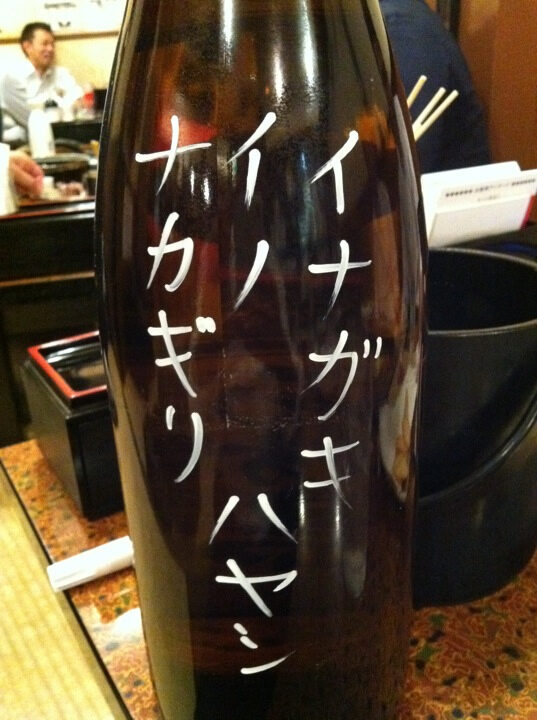

Rice by the bowl is -hai or -zen, so a second helping is okawari or mo ippai. At a ramen counter you may hear the kitchen call ramen itcho! for your one bowl: -cho (丁) is the counter for blocks of tofu, used here, Iida explains, purely to put some swagger into the order.
For sake, the old measures still hold. A go (合) is about 180 millilitres, the usual size of a carafe, and the big bottle on the shelf is an isshobin, one sho or ten go. In Osaka and much of western Japan you will also hear nanbo for “how much” or “how many”, one of the dialect words covered in the guide to Japanese dialects.
Trains and hotels
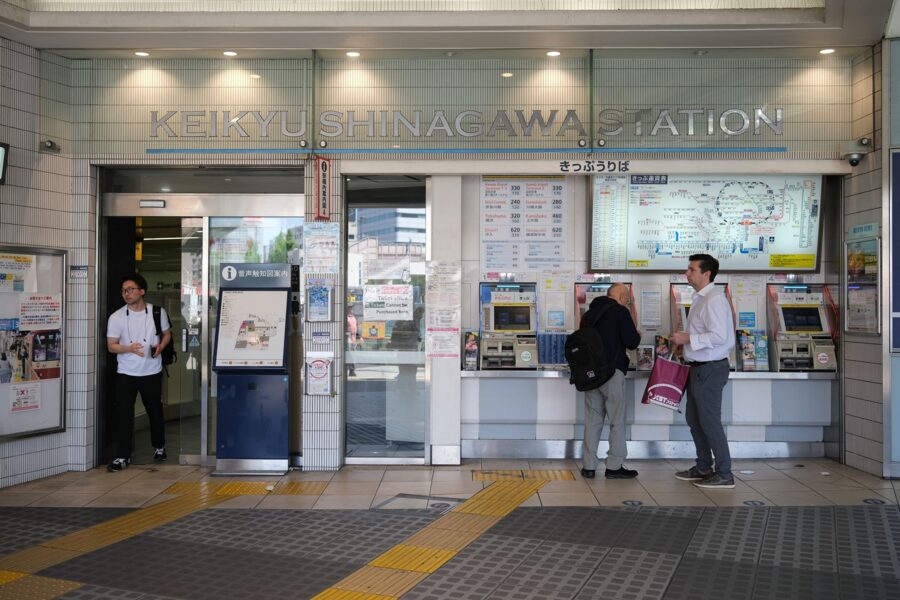
Tickets are flat, so they are -mai: Kyoto made otona nimai, two adults to Kyoto. Reserve seats on a Japan Rail Pass and each reservation is a paper ticket of its own, which the clerk counts in -mai too. Scheduled departures are counted with -hon, as if each train were a line on the timetable: basu wa ichinichi nihon dake, only two buses a day.
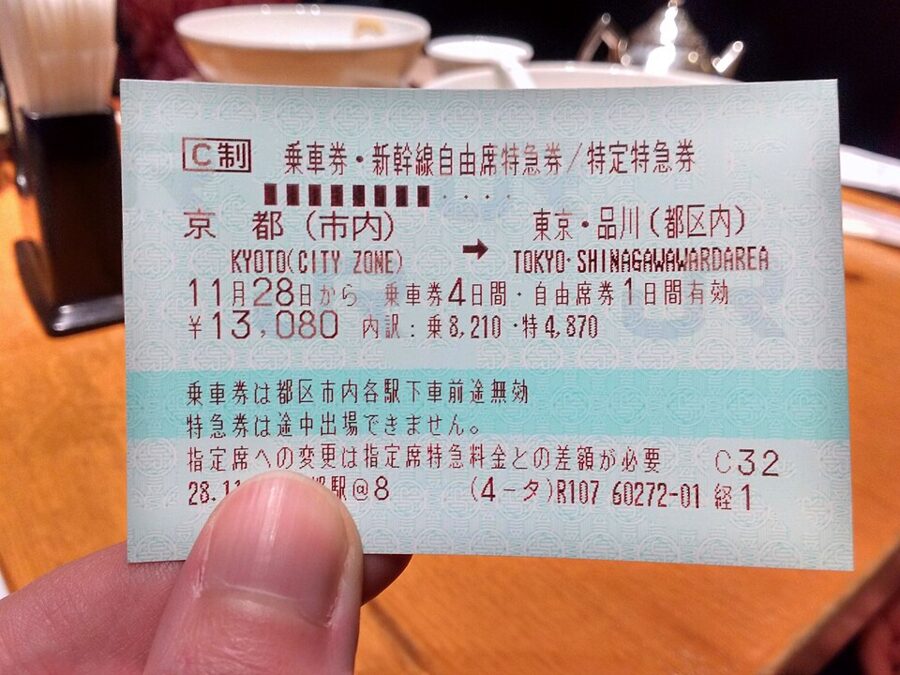

Platforms take -bansen, a numbering counter (nibansen, track two), and cars take two counters at once. The car you board is gogosha, car number five, using -gosha (号車); how many cars a train has is -ryo (両), so a sixteen-car Tokaido Shinkansen is juroku-ryo hensei. The train’s own number is -go (号): Komachi nijugo-go is Komachi service 25.
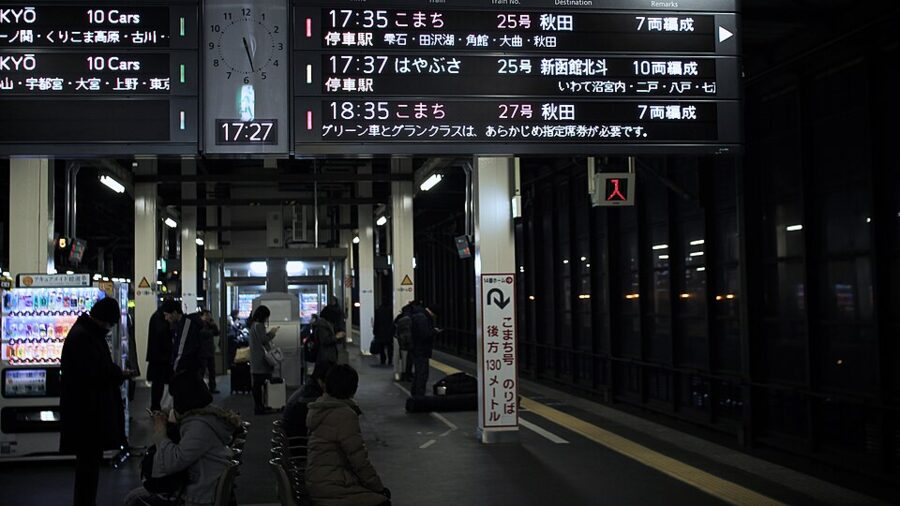

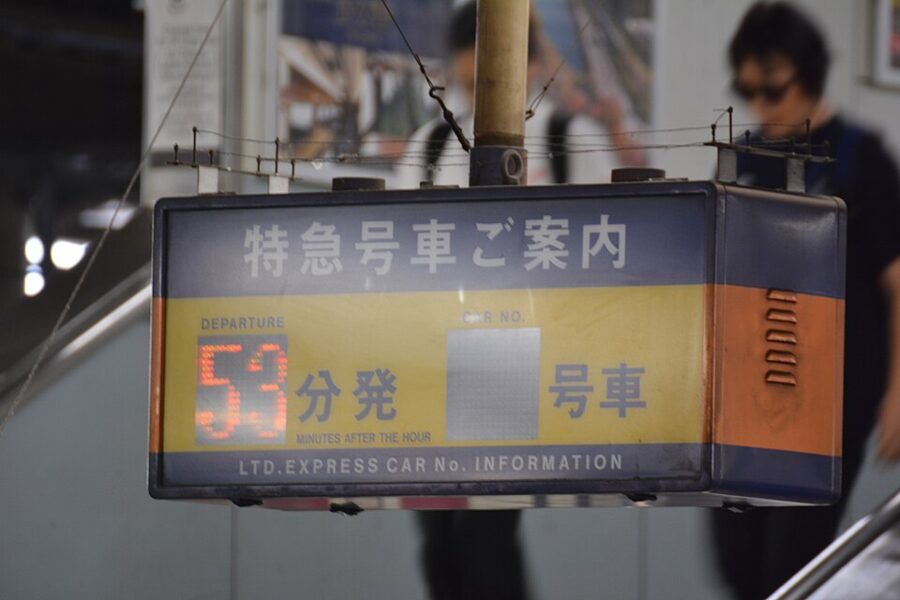

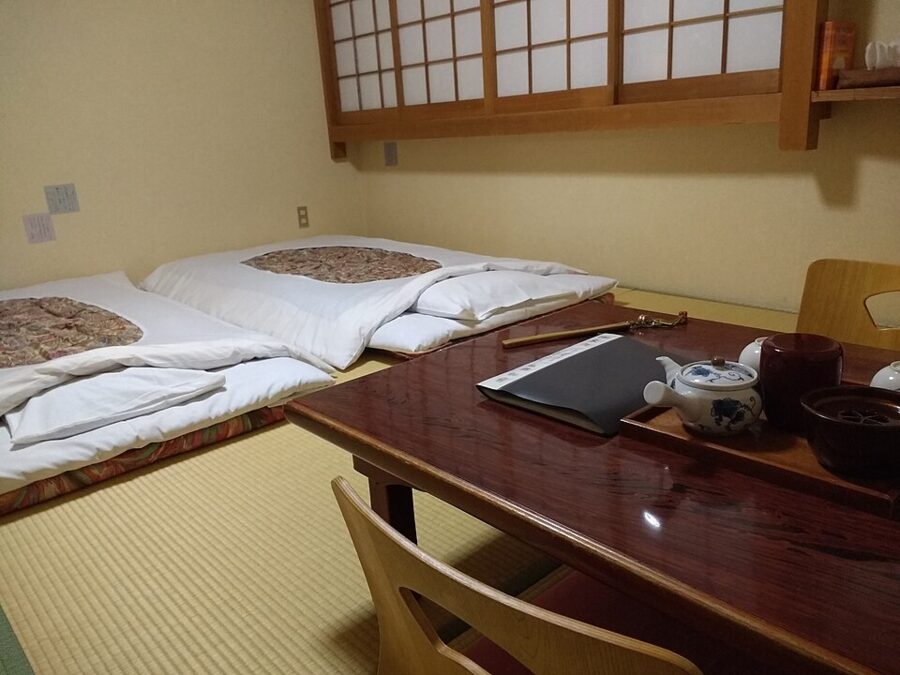
Hotels count nights with -haku: ippaku, nihaku, sanpaku. Inns sell stays as nights and days, so ippaku futsuka is one night, two days, and nihaku mikka two nights, three days. A ryokan plan marked ippaku nishoku is one night with two meals, dinner and breakfast, counted with -shoku. At check-in you are nimei-sama, and rooms are hitoheya, futaheya.
Time and dates
Clock times and lengths of time use different counters, and the difference matters on a timetable. Sanji is three o’clock; sanjikan is three hours. Nigatsu is February; nikagetsu is two months. The one shared counter is -fun for minutes: juppun is both ten past and ten minutes, and context sorts it.
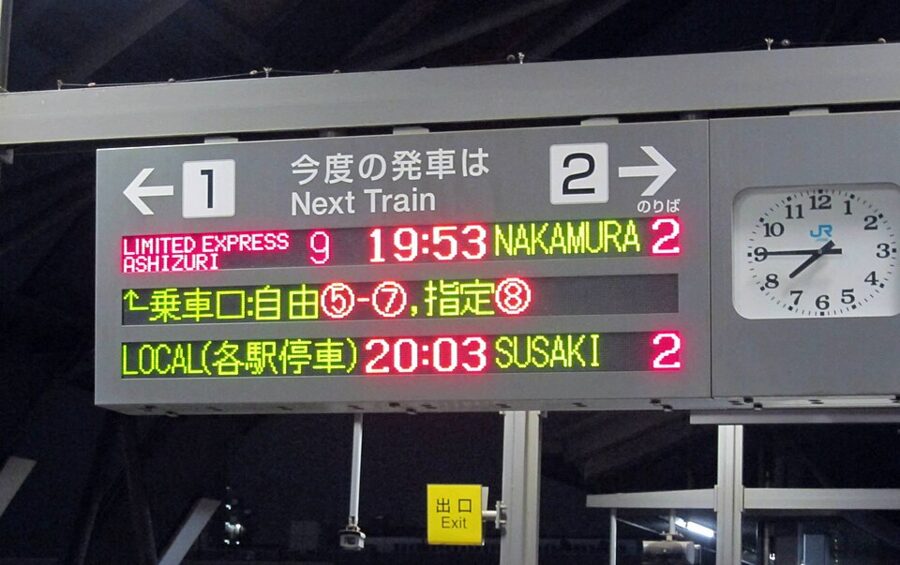

Hours run ichiji to juniji, with yoji, shichiji and kuji as the irregular ones. Minutes go ippun, nifun, sanpun, yonpun, gofun, roppun, nanafun, happun, kyufun, juppun, and seconds, -byo, are entirely regular. Weeks are -shukan (isshukan, one week), months as lengths are -kagetsu (ikkagetsu, rokkagetsu, jukkagetsu), and years are -nen, with yonen for four and kunen or kyunen for nine.
Ages take -sai (issai, hassai, jussai), apart from twenty, which is hatachi, the age long marked by Coming of Age Day.
Floors and room sizes
Floors are -kai (階), and the ground floor is the first: ikkai is the street level, nikai the floor above. British readers lose a floor on the first day. Basements are chika ikkai (地下1階), shown as B1F on lift panels, and “which floor?” is nangai.

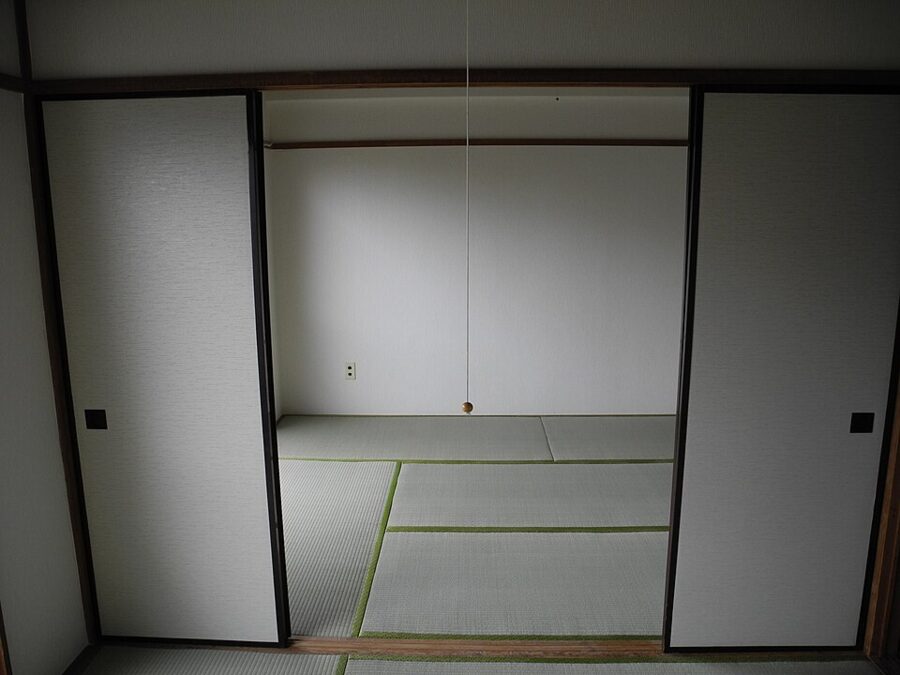
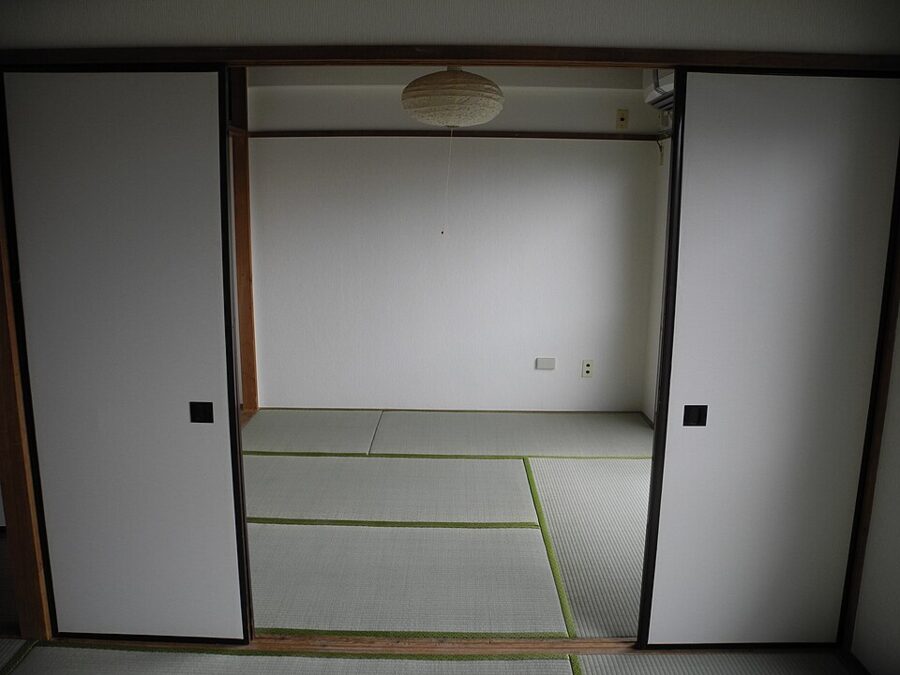
Rooms are measured in tatami mats, -jo (畳): a rokujo room is six mats, a yojohan four and a half. A mat is not one size. A Kyoto mat, kyoma, covers about 1.82 square metres, a Nagoya-area chukyoma about 1.66 and a Tokyo edoma about 1.55, so a six-mat room in Kyoto is noticeably larger than one in Tokyo.

Property listings settle the question with a rule from the national federation of real estate fair trade councils: each jo in an advertisement must be at least 1.62 square metres of floor. Listings often write it 帖 instead of 畳, especially for floored, Western-style rooms with no tatami at all, so a yoshitsu 6-jo is a six-mat-sized room you will never kneel in.

Animals, machines, books, clothes and buildings
Beyond shops and stations, the counters follow the shape and size of things in ways that start to feel natural after a few months. These are the ones you will meet in newspapers, conversation and signs.
Living things
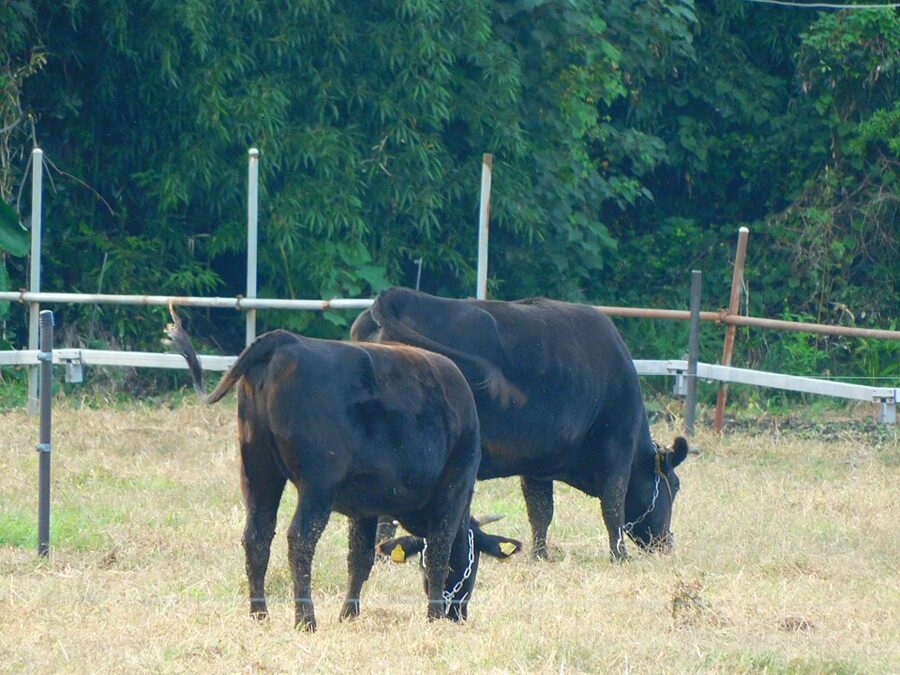
Small and medium animals are -hiki: cats, dogs, fish in a tank, insects. Large animals are -to (頭, “head”): cows, horses, elephants, whales. Iida traces -to to the late Meiji period at the earliest, from translations of the English habit of counting cattle by the head; before that, -hiki covered horses too. Zoologists now often use -to for every animal, even butterflies, which is why a news report on a rare species may count it in -to.

Birds are -wa (羽, “feather”), and fish change counter once they leave the water. A live fish is ippiki; landed and laid out at the market it is ichibi (尾, “tail”); a flatfish such as a flounder is counted in -mai, and a long, thin one such as saury in -hon. Shrimp go the same way, -hiki alive and -hon once they are fried.
Machines, vehicles and paper
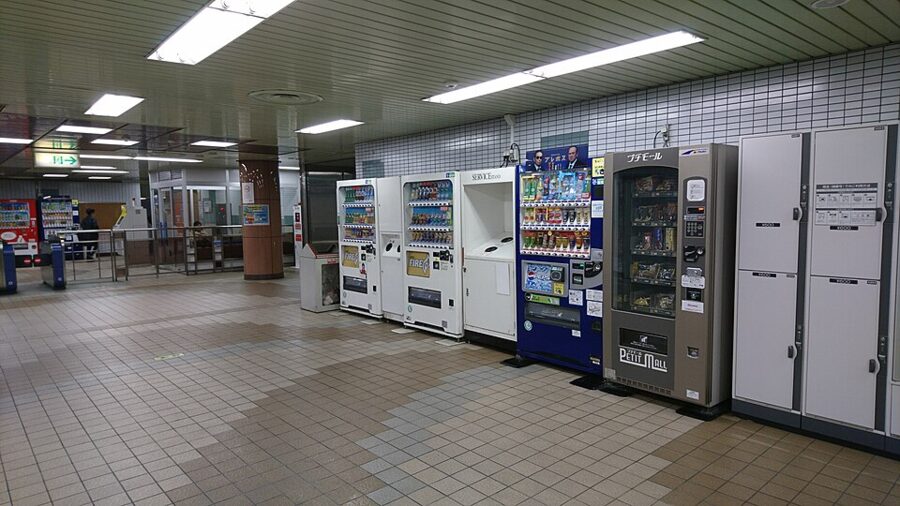
Machines and vehicles are -dai: cars, bicycles, vending machines, a washing machine, a smartphone. The counter began with stands and pedestals, moved to carts, and reached machines around the end of the Meiji period. Railway cars take -ryo, aircraft -ki, ships -seki.

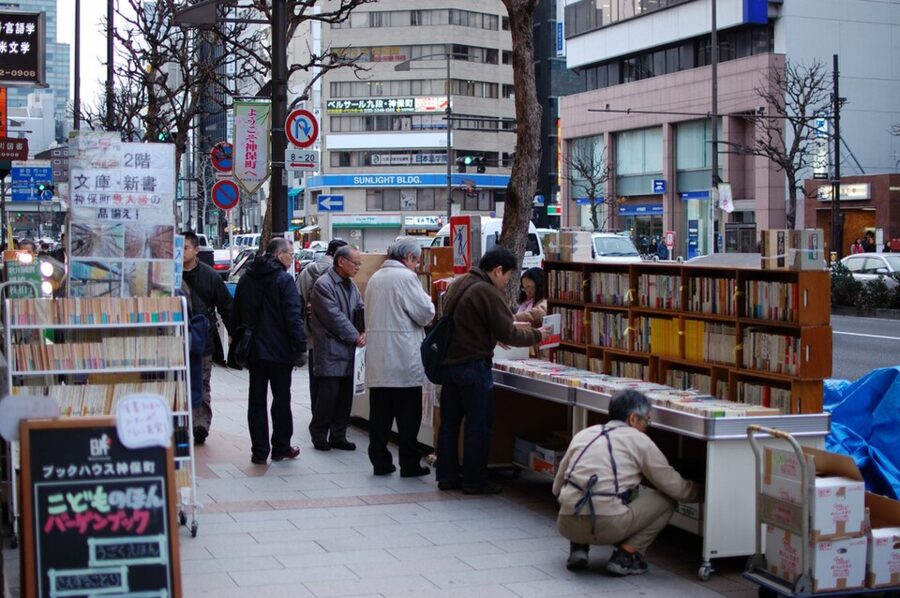
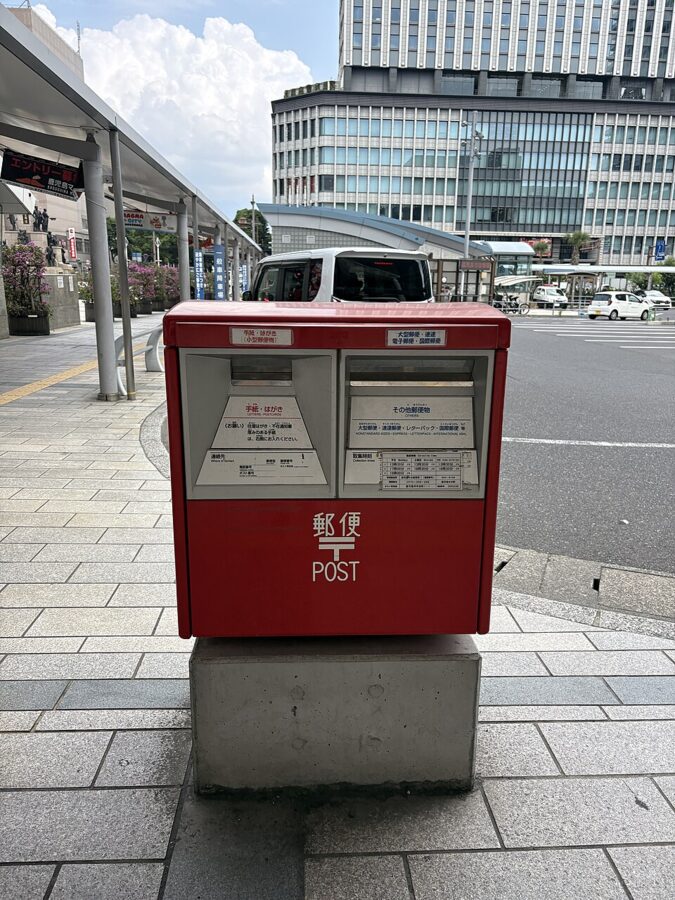
Books and magazines are -satsu (issatsu, nisatsu), copies of the same document or newspaper are -bu, and pages are -peji. Letters and postcards are -tsu (通), written with a different kanji from the native -tsu; emails take -tsu as well, though a phone telling you about new messages counts them in -ken (件), items.


Clothes and shoes
A suit, a dress or a coat is -chaku: itchaku, nichaku. Shirts and T-shirts are flat when folded, so they are -mai; trousers and ties, long and thin, are -hon. Shoes and socks are counted in pairs with -soku: issoku, nisoku, sanzoku.

Buildings
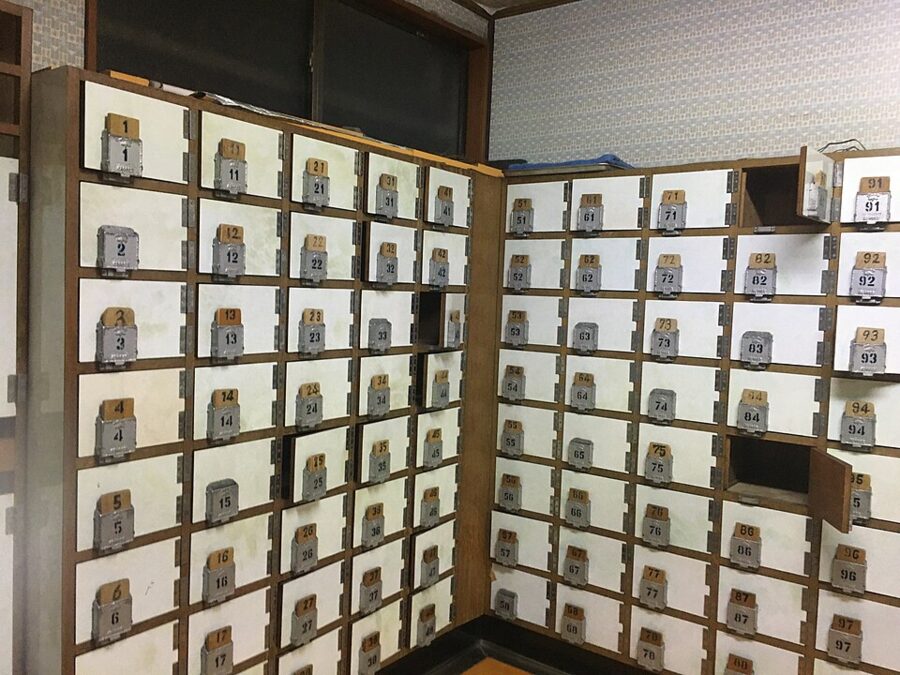
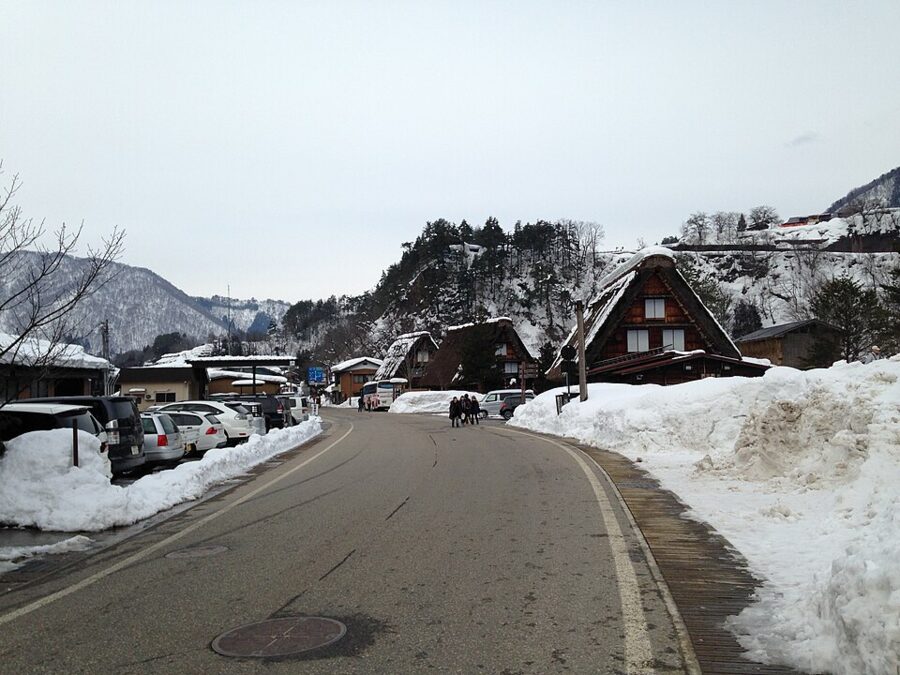
Houses and shops are -ken (軒, “eaves”): ikken, niken, sangen. Whole buildings, especially in news reports and on apartment estates, are -mune or -to (棟, “ridge”), and a block letter on an estate is the same kanji: A棟 is Building A. Floors inside them, as above, are -kai.

The odd ones, and where they came from
Every list of counters ends with a few that make learners laugh. They are worth knowing less for daily use than for what they show about how the system grew: from the shape of a thing, the way it was carried, or a pun that stuck.
Rabbits counted as birds
Rabbits have long been counted with -wa, the bird counter. The explanations are many and none is proven. One holds that monks, barred from eating four-legged animals, declared the rabbit a bird because it stands on two legs; another splits its name usagi into u (鵜, cormorant) and sagi (鷺, heron). Others point to the long ears as wings, or to hunters who caught rabbits in nets as they did birds, a theory the folklorist Chiba Tokuji recorded in Shuryo Densho (1975).


In practice the old counter is fading. NHK’s handbook of broadcast language recommends -hiki for live rabbits except in literary contexts or when the animal is meat, and Iida finds that outside quizzes, people now say ippiki. Use -wa on a rabbit and you will be understood, and probably asked where you learnt it.
Squid by the cup, tofu by the pair
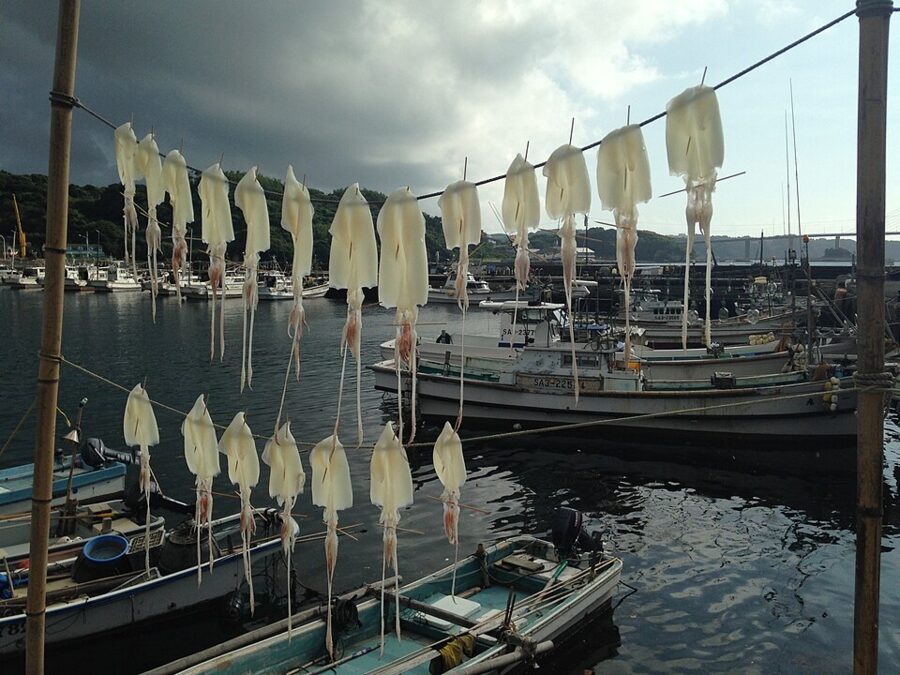
A live squid is ippiki; once it reaches the fishmonger it is ippai, the same counter as a cup of tea. The leading explanation, which NHK’s language researchers follow, is the shape of the kanji 杯: a rounded vessel you can fill, like the squid’s body, which can be stuffed with rice as ikameshi or dried into a sake flask. Octopus, crabs and abalone, all with a shell or body like a bowl, took the same counter.

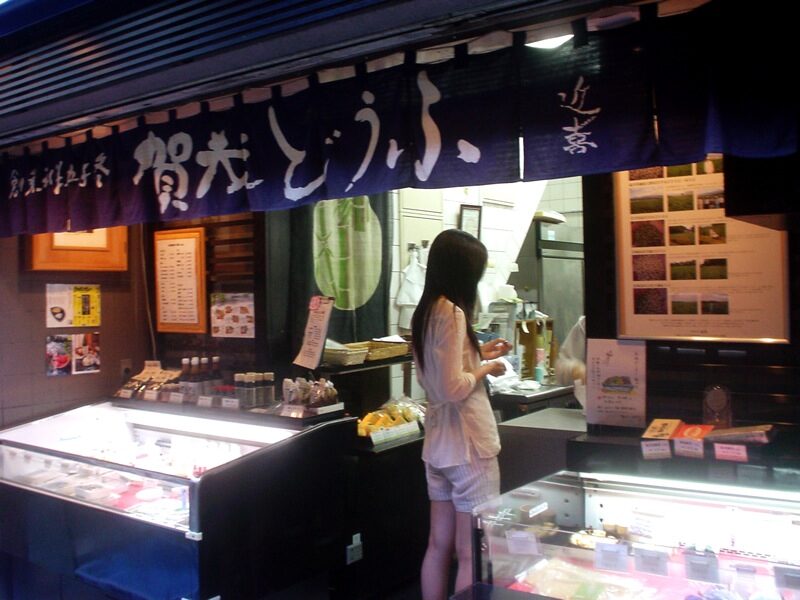
Tofu is -cho (丁), and the reason is gambling. 丁 means “even”, as in cho ka han ka, even or odd, the dice call; tofu was once sold in pairs, so one cho was two blocks and a single block was hancho, half a cho. Today one cho is one block, and the even number survives only in the kanji.

Chopsticks, chests and gods
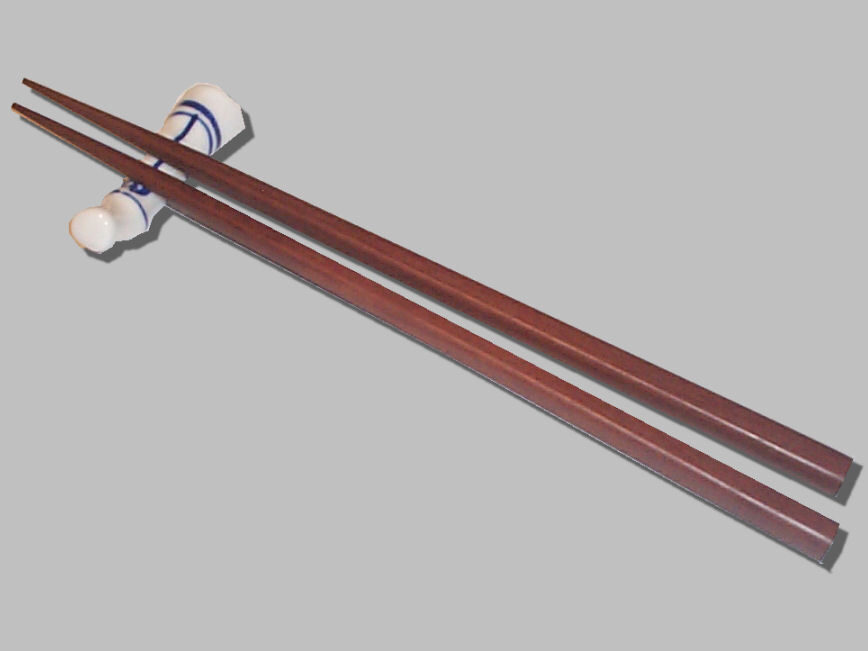
A pair of chopsticks is ichizen, with -zen (膳), the word for a tray of food served to one person. The counter counts the meal setting, not the sticks, and so it also counts bowls of rice. Cooking chopsticks never get -zen, because no one eats with them, and a pair of disposable chopsticks still joined at the top can be either ichizen or ippon.

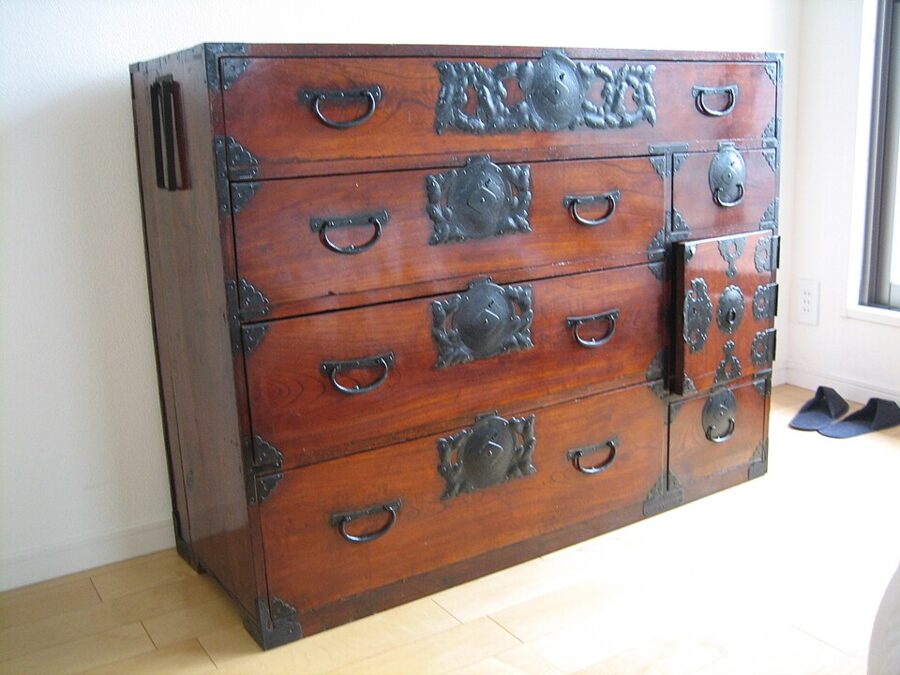
A chest of drawers is hitosao, with -sao (棹, “pole”). Traditional tansu have metal fittings on the sides through which a pole was passed, so two people could carry the chest on their shoulders like a palanquin; the counter remembers how it travelled. Bars of yokan, sweet bean jelly, take -sao too.

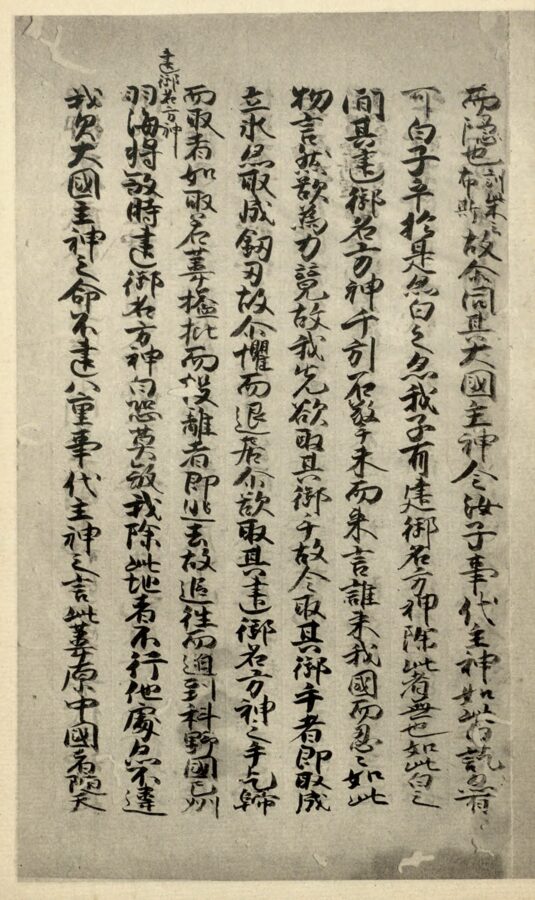
Gods are counted with -hashira (柱, “pillar”): hitohashira, futahashira, mihashira. The usage is as old as the Kojiki, the court chronicle completed in 712, which counts its deities this way. Why pillars is disputed; the readings that tie it to sacred trees and posts where a god descends are plausible and unproven. The same counter is used for the spirits of the dead.
Sushi, nori and poems
Nigiri sushi is counted in -kan (貫), and the counter is younger than it sounds. Iida found Edo-period books counting nigiri as hitotsu and ikko, and traces -kan to chefs’ slang of the Showa era, spread by food magazines in the 1990s. How many pieces one kan means is argued over; Iida’s answer is that it normally means one.
Some counters bundle a fixed number. A jo (帖) of nori is ten sheets, so a packet marked 1帖 is a stack, not a sheet. Poems keep their own: a haiku is ikku (一句), a tanka isshu (一首). None of these will come up at the station, which is exactly why they are fun.
How strict is it now?
Less than the lists suggest. Speakers use a few dozen counters every day, reach for -tsu and -ko when unsure, and nobody corrects a learner who orders ika o futatsu. NHK, which advises its announcers on these points, counts a giant squid in -hiki because it is news as a living animal, not a dish. The counters that matter, and that sound wrong when you miss them, are the twenty in the table, the people forms and the dates.
How to learn them
Start with the counters you will say every day: -tsu, -nin, -ko, -hon, -mai, -hai, -en, -ji, -fun, the dates, and -kai for times and floors. Then add -dai, -hiki, -satsu, -sai and -haku. Beginner courses at a Japanese language school cover this set early, and it is enough to travel on.
Learn the shape categories first (long, flat, small, machine, animal) and the sound changes second, and drill only the cells that change: 1, 3, 6, 8 and 10. Say them aloud in sets, ippon, nihon, sanbon, because the rhythm of the sequence is what your mouth remembers. Then count what is in front of you: steps on a station staircase, cars on a platform, coins in your hand.
The Japanese-Language Proficiency Test has published no vocabulary lists since its 2010 revision, so nobody can tell you which counters belong to which level. At the lower levels they turn up inside other questions: a price, a time, how many tickets someone wants, which floor a shop is on. A listening question that hinges on sanbon against sanbai is exactly the kind beginners lose.
Flashcards with spaced repetition work well if each card carries a picture of the thing and the number, never the English word. Put the irregular cells on cards of their own. Above all, use them in shops, where the clerk will repeat your number back with the counter they would have used, which is free correction every time you buy something.
A short self-test
Say each one aloud before checking:
- three bottles of beer
- two people, answering at a restaurant door
- six sheets of paper
- eight cups of coffee
- the 20th of the month
- one pair of shoes
- the third floor
- ten minutes
- four people
- three nights at an inn
Answers: biru sanbon; futari desu; rokumai, with no change at all, which is the trap; happai; hatsuka; issoku; sangai; juppun or jippun; yonin; sanpaku.
Back at the stand near Kimiidera, the card says 1ツ and the net bag holds a whole handful of mandarins, because the counter is counting bags. Put a hundred-yen coin in the box, take hitotsu, and you have used the one counter that never lets you down.